
Your kids are playing barefoot in the backyard again. Your dog's rolling in the grass. And you're wondering: "Is my garden actually safe for my family?"
If you've been frustrated by synthetic fertilisers that promise quick results but leave you wondering about chemical residues, you're not alone. Aussie families are ditching the harsh stuff and discovering what our grandparents knew all along—nature's got this sorted.
Ever crumbled a handful of rich, earthy compost and caught that distinctive smell? That's the scent of millions of beneficial microbes clocking in for work. Now picture adding a sprinkle of insect frass—those tiny, nutrient-packed pellets left behind after black soldier fly larvae finish their feast. Together, they're like the meat pie and sauce of living soil: each brilliant on its own, but absolute magic when combined.
Here's the thing about Australian soils—they're tough. Whether you're dealing with clay that turns to concrete in summer or sandy soil that drains faster than a broken esky, our harsh climate demands a different approach. That's where this living soil power duo comes in.
Table of Contents
- Microbe Mayhem: Triple Your Soil Biology
- Slow-Release Nutrition That Won't Burn Your Plants
- Built-In Pest Protection (Nature's Security System)
- Water-Holding Magic for Aussie Summers
- Family & Pet Safe (Finally, Peace of Mind)
- Waste-Cycling That Feels Bloody Good
- Budget-Friendly Multi-Tool for Your Garden
- How to Use It: Indoor vs Outdoor Australian Gardens
- Can insect frass harm plants?
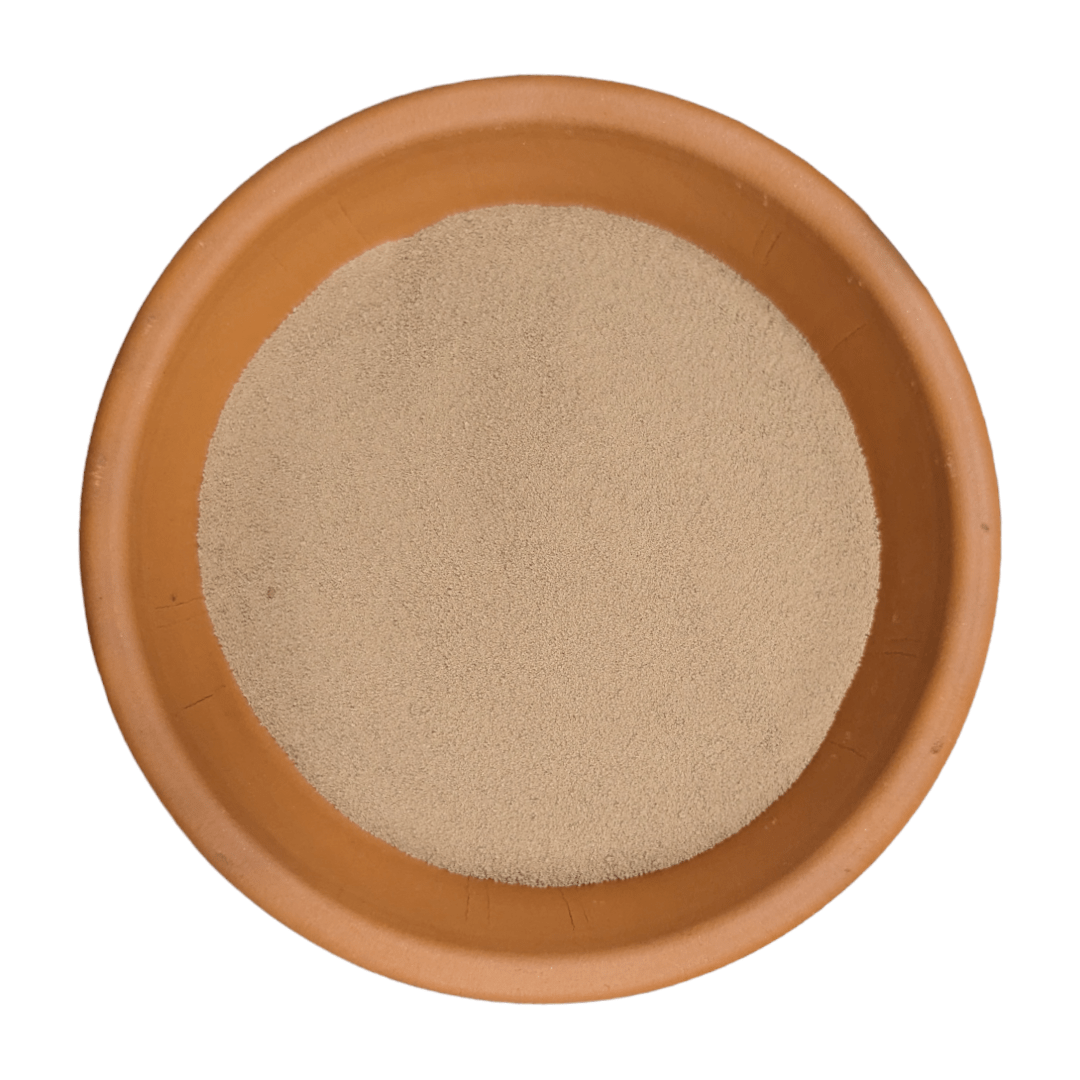
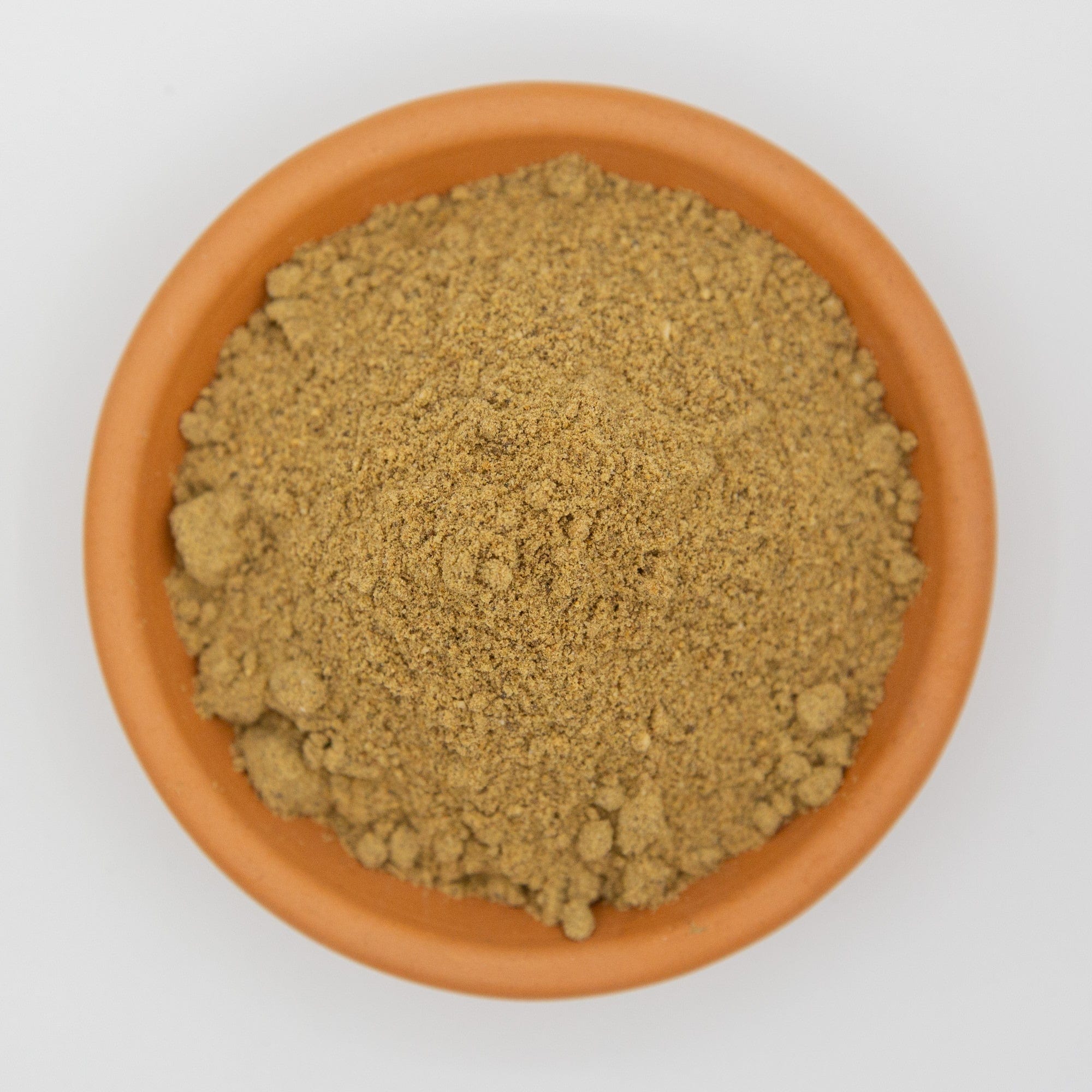
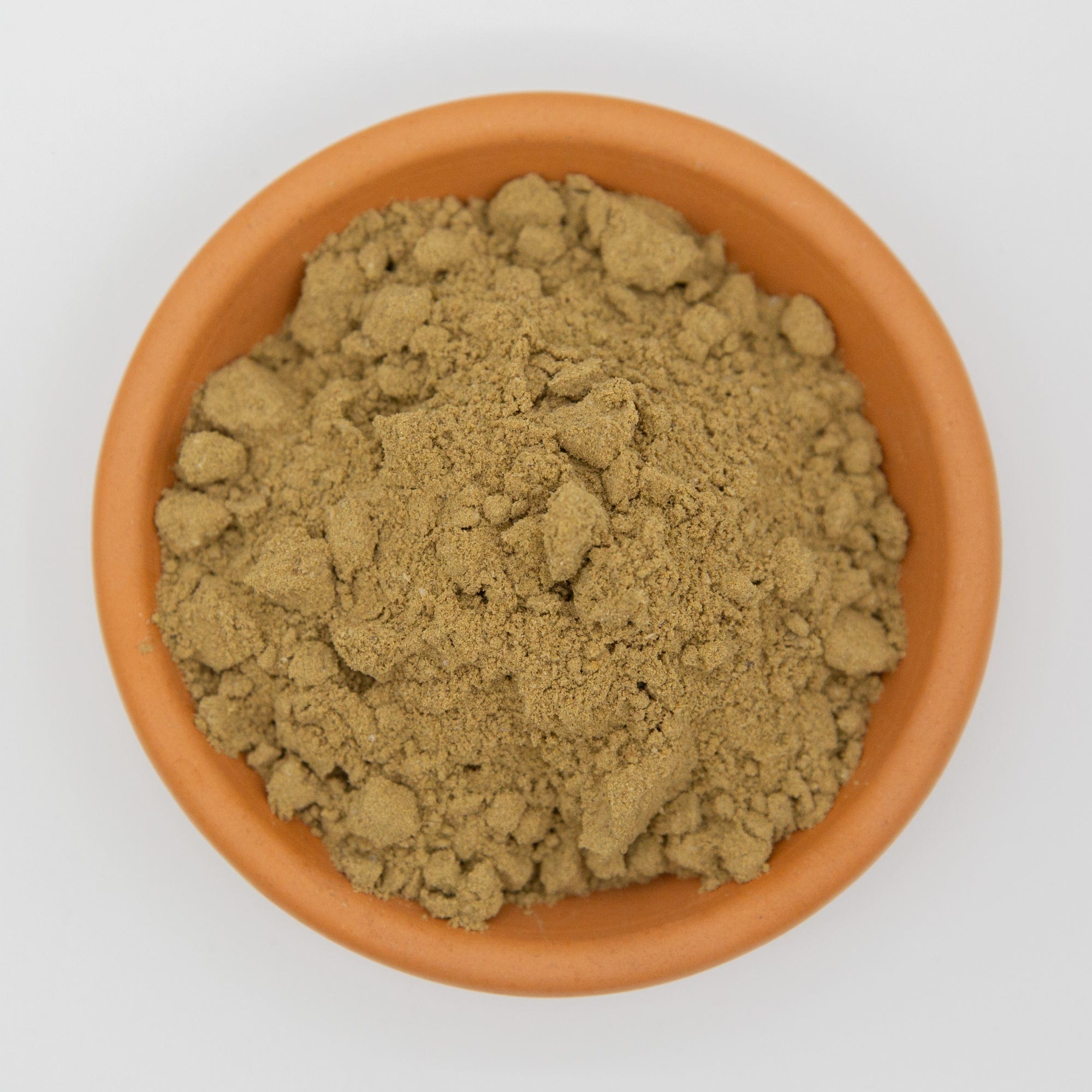
- What does good-quality insect frass look like?
- How much insect frass should you use?
- Perfect Products for Australian Conditions
- Should insect frass be composted first?
- What does current research say about insect frass?
- FAQ
- Next reads for getting more from frass, compost and living soil
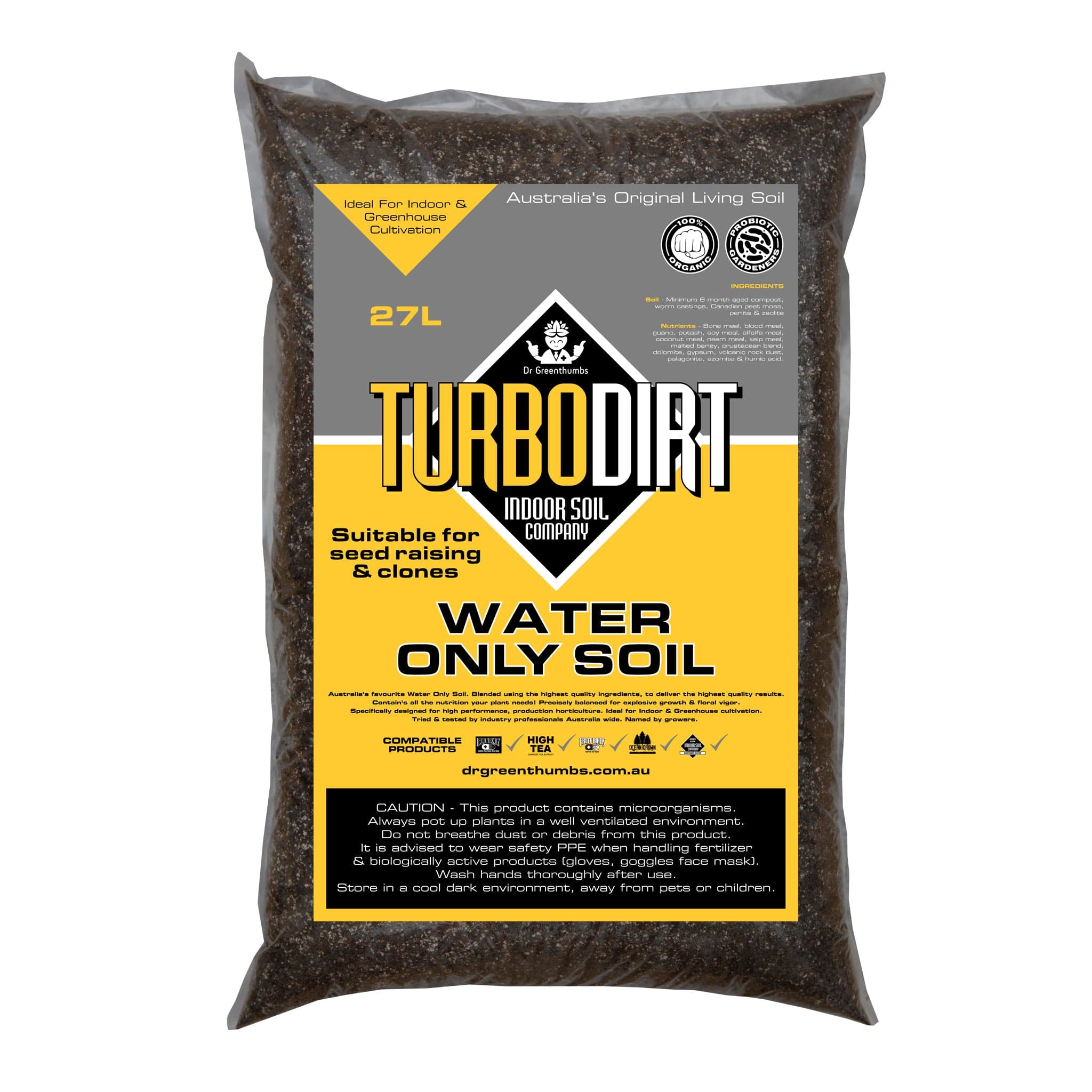
If you want the easiest way to get these results without mixing your own inputs, these are the go-to options:


1. Microbe Mayhem: Triple Your Soil Biology
Your soil isn't just dirt—it's a bustling underground city. Quality compost teams up with bacteria, fungi, and protozoa, while insect frass introduces a fresh strain of chitin-digesting microbes that can triple active soil biology within 72 hours. These microscopic workers form living highways that ferry nutrients directly to your plants' roots.
Think of it like this: synthetic fertilisers are like fast food for plants—quick energy but no lasting nutrition. This combo is like a home-cooked meal that keeps giving.
For Australian gardeners battling our notorious soil challenges, this biological boost is a game-changer. Whether you're growing veggies in Sydney's heavy clay or herbs in Perth's sandy soil, these microbes adapt to your local conditions.
2. Slow-Release Nutrition That Won't Burn Your Plants
Remember that time you over-fertilised your tomatoes and they looked like they'd been sunburned? Yeah, we've all been there.
Compost delivers a balanced N-P-K profile cushioned by humus, while frass adds a steady 4-1-6 ratio plus trace minerals locked inside chitin. This dynamic duo releases nutrients as microbes naturally break down organic matter, giving your plants a steady trickle instead of a chemical shock.
No more tip-burned basil or stressed seedlings. Just consistent, healthy growth that works with Australia's unpredictable weather patterns.
3. Built-In Pest Protection (Nature's Security System)
Here's where it gets clever. Chitin fragments in frass actually trigger your plants' natural defense system—what scientists call Systemic Acquired Resistance (SAR). It's like giving your plants a flu shot for foliage.
When roots detect chitin, they switch on defense genes and strengthen cell walls. Independent trials show up to 60% fewer aphid infestations after four weekly applications. In a country where garden pests can be relentless, this natural protection is worth its weight in gold.
Your kids can pick cherry tomatoes straight from the vine, and you'll know they're getting pure, uncontaminated nutrition.
4. Water-Holding Magic for Aussie Summers
Australian summers are brutal. One week you're dealing with floods, the next with drought conditions that would make a camel thirsty.
Humic acids in quality compost act like microscopic sponges, holding up to 20 times their weight in water. Add frass to boost organic matter content, and you've got soil that stays moist longer without becoming waterlogged.
Perfect for those scorching 40-degree days when your water restrictions kick in, or when you're away for a weekend and can't tend to thirsty container plants.
5. Family & Pet Safe (Finally, Peace of Mind)
Good news for households with curious kids and digging dogs: quality insect frass smells faintly nutty, never funky. Independent testing shows heavy metal levels well below Australian Certified Organic standards.
This means little hands can help with gardening without you constantly worrying about chemical exposure. Your Border Collie can dig to her heart's content, and you'll sleep soundly knowing your family's outdoor space is genuinely safe.
6. Waste-Cycling That Feels Bloody Good
Every kilo of frass represents food scraps that larvae devoured instead of heading to landfill. Pair that with home compost, and you're diverting serious waste from our already-struggling waste management systems.
It's the kind of environmental win that makes you feel good about your choices—plus your zucchinis will absolutely balloon with this treatment.
It’s no wonder more and more households are switching—learn why here: Why Smart Aussie Families Are Ditching Chemical Fertilisers (And How to Join Them Without Sacrificing Results)
7. Budget-Friendly Multi-Tool for Your Garden
Forget buying separate root stimulators, soil conditioners, and growth boosters. A simple 50-50 mix of compost and frass handles all these jobs for cents per plant, trimming your gardening budget while decluttering your shed.
In today's economy, every dollar counts. This combo gives you professional-grade results without the professional price tag.
How to Use It: Indoor vs Outdoor Australian Gardens
|
Garden Type |
Application Rate |
Timing |
Aussie Pro Tip |
|---|---|---|---|
|
Balcony pots |
¼ cup mix per 20cm pot |
Fortnightly |
Apply before evening watering to avoid scorching |
|
Seedling trays |
5% mix in starting medium |
At sowing |
Works brilliantly with our short growing seasons |
|
Veggie patches |
1kg per square metre |
Early spring & late summer |
Time with Australia's planting windows |
|
Indoor herbs |
Light top-dress monthly |
Year-round |
Perfect for kitchen windowsills |
Watch out for: Don't bury delicate seedlings in raw frass—they need air gaps around roots, especially in our humid coastal zones.
For an instant biological boost that kicks plants into overdrive, try this brewing method: Brew Super-Charged Compost Tea in 24 Hours—Your Family's Garden Deserves Better Than Chemical Shortcuts
Can insect frass harm plants?
Used correctly, insect frass is very gentle. Problems are uncommon, but like any soil input, over-application or poor-quality material can cause issues.
Here are the most common signs to watch for:
|
Symptom |
Likely cause |
What to do |
|---|---|---|
|
Leaf yellowing or slowed growth |
Too much applied at once |
Reduce future applications and water soil thoroughly |
|
Seedlings struggling |
Soil biology too active for young roots |
Use smaller amounts or apply after plants establish |
|
Fungus gnats |
Excess moisture or fresh organic matter |
Allow soil to dry slightly and improve airflow |
|
White residue on soil |
Concentrated salts or minerals |
Flush soil with water and apply less next time |
Quality and maturity matter. Well-processed frass should smell earthy, not sharp or sour. If in doubt, blending it into compost first can reduce any risk further.
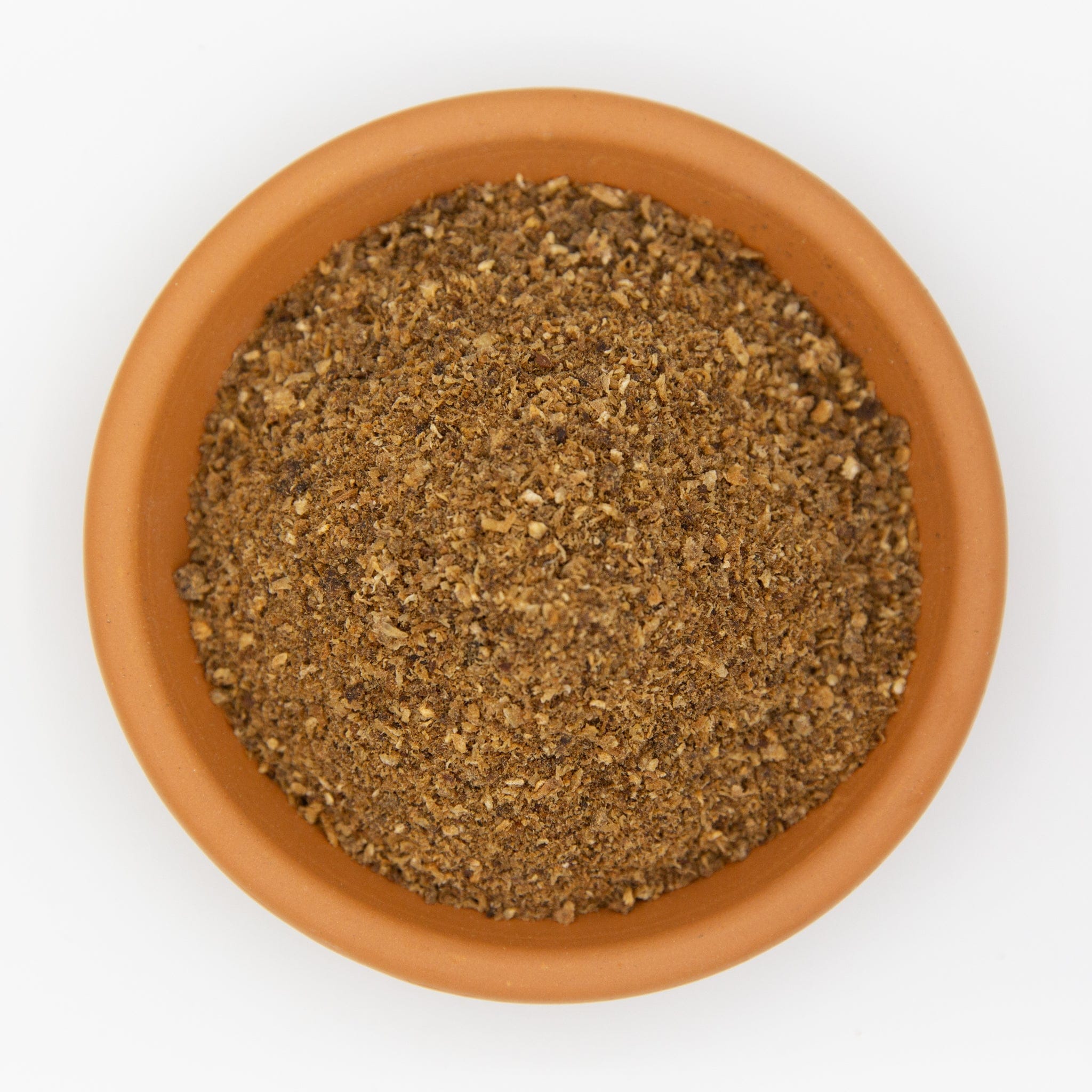
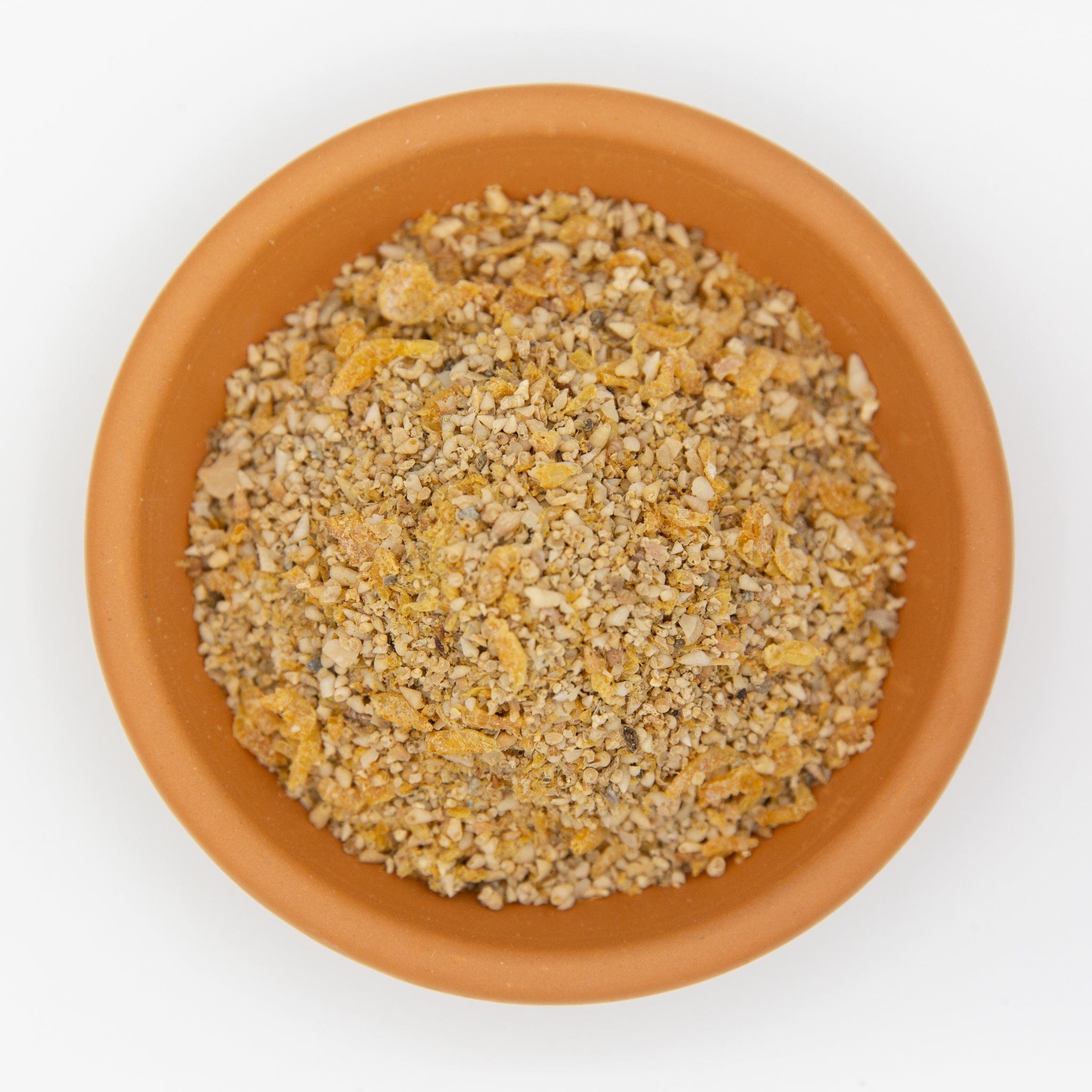
What does good-quality insect frass look like?
Not all insect frass is the same. Its nutrient profile and safety depend on the insect species, their feed, and how the frass is processed.
High-quality frass should:
-
Come from insects fed clean, controlled diets
-
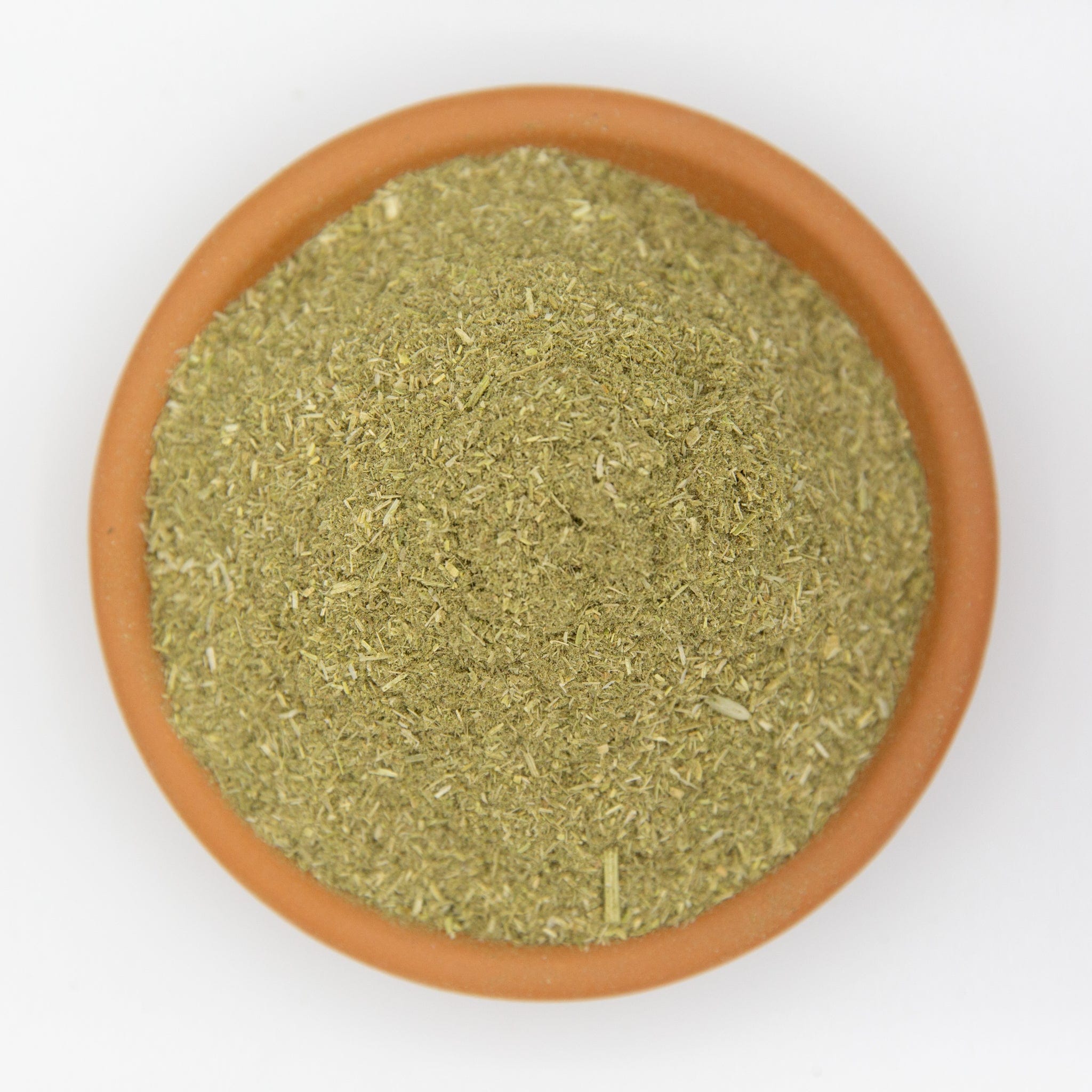
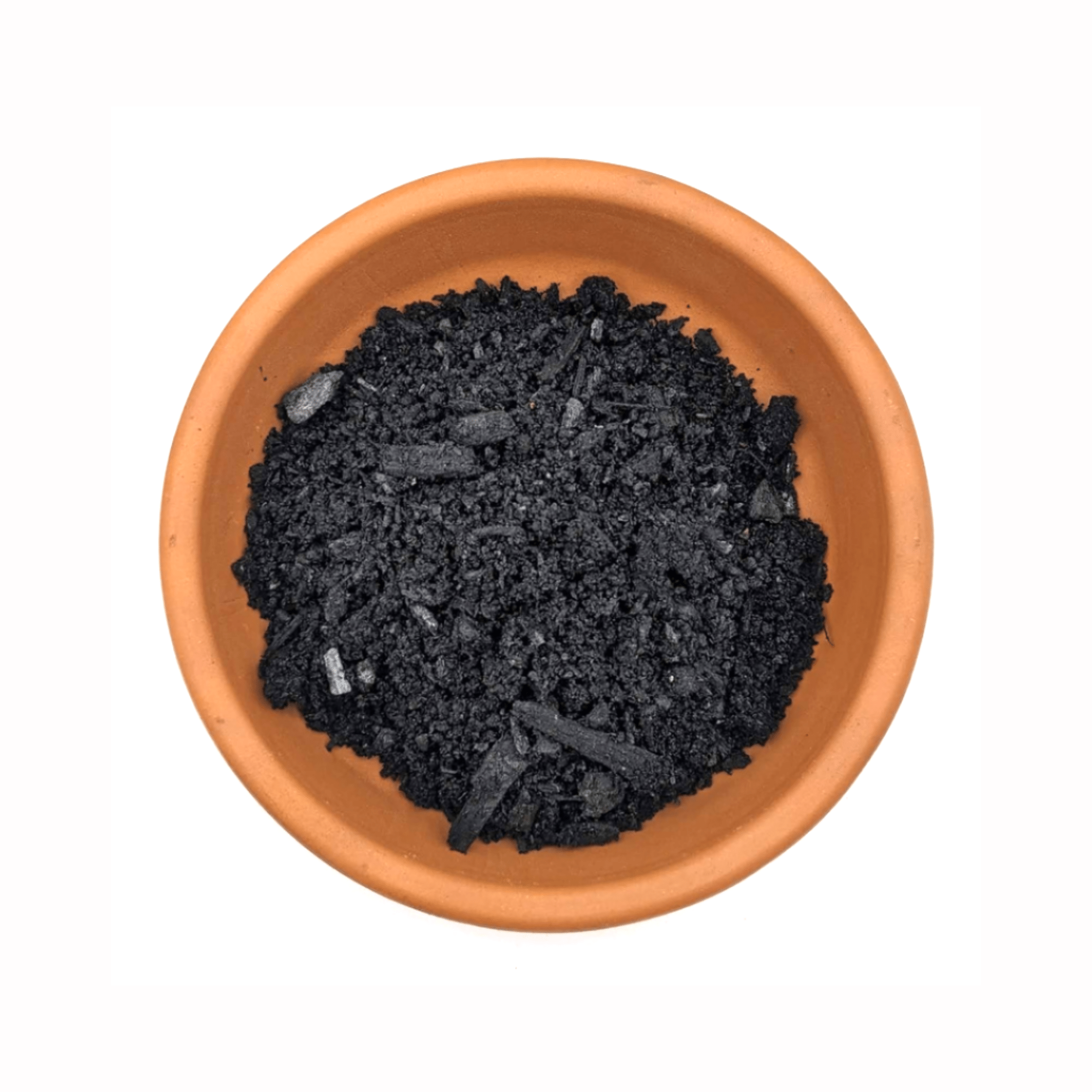
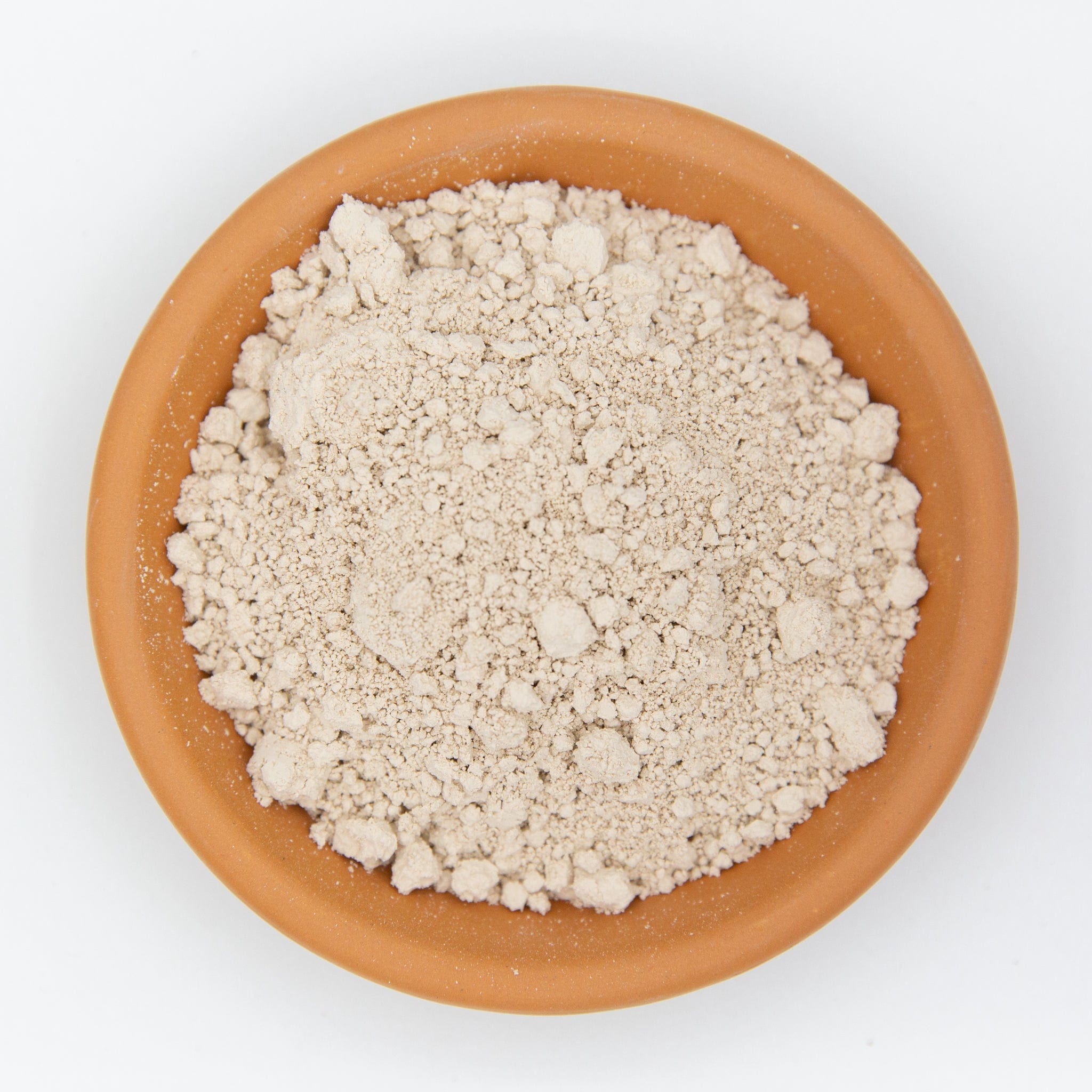
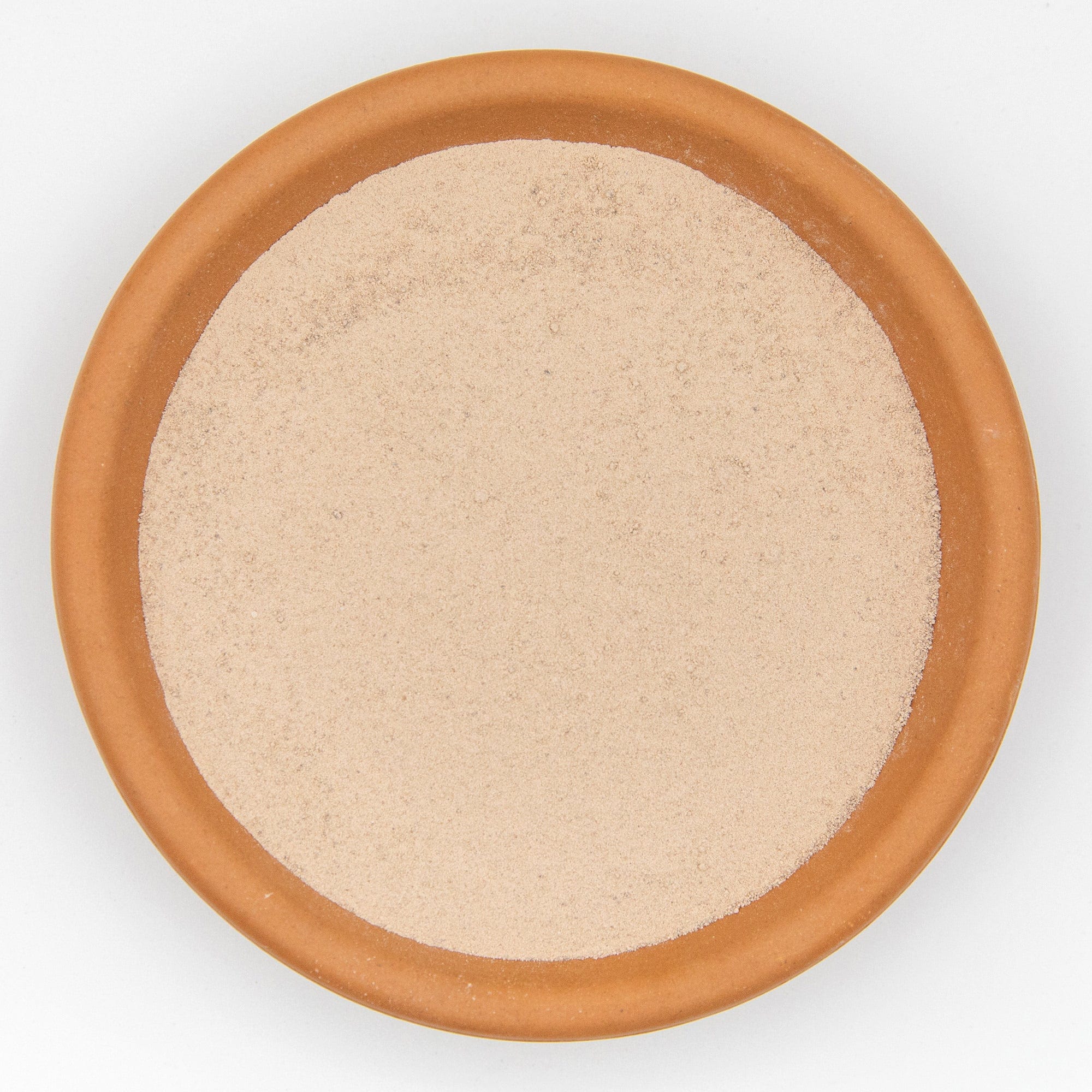
Be dry, free-flowing, and earthy smelling
-
Be stored with low moisture to prevent microbial spoilage
-
Be batch-tested where possible for contaminants
Recent research highlights that frass composition can vary naturally, which makes responsible sourcing important—especially for food gardens. Choosing suppliers who prioritise testing and transparency helps ensure consistent results in your soil.
How much insect frass should you use?
Like most biologically active soil inputs, a little insect frass goes a long way. It’s best used as a gentle soil amendment rather than a heavy fertiliser.
As a general guide:
-
Garden beds: Lightly incorporate around 1–2 cups per square metre into the topsoil before planting, or sprinkle and water in around established plants.
-
Pots and containers: Mix roughly 1–2 tablespoons per 10 litres of potting mix, or apply as a light top-dress.
-
Compost and soil blends: Insect frass is often added at 1–2% by volume when blending composts or living soil mixes.
If you’re making a simple frass “tea”, steep a small handful in water for 12–24 hours, strain, and apply to soil rather than foliage.
Tip: When in doubt, start low. Frass works by supporting soil biology, not by force-feeding plants. Seedlings and young plants benefit most from very light applications.
Perfect Products for Australian Conditions
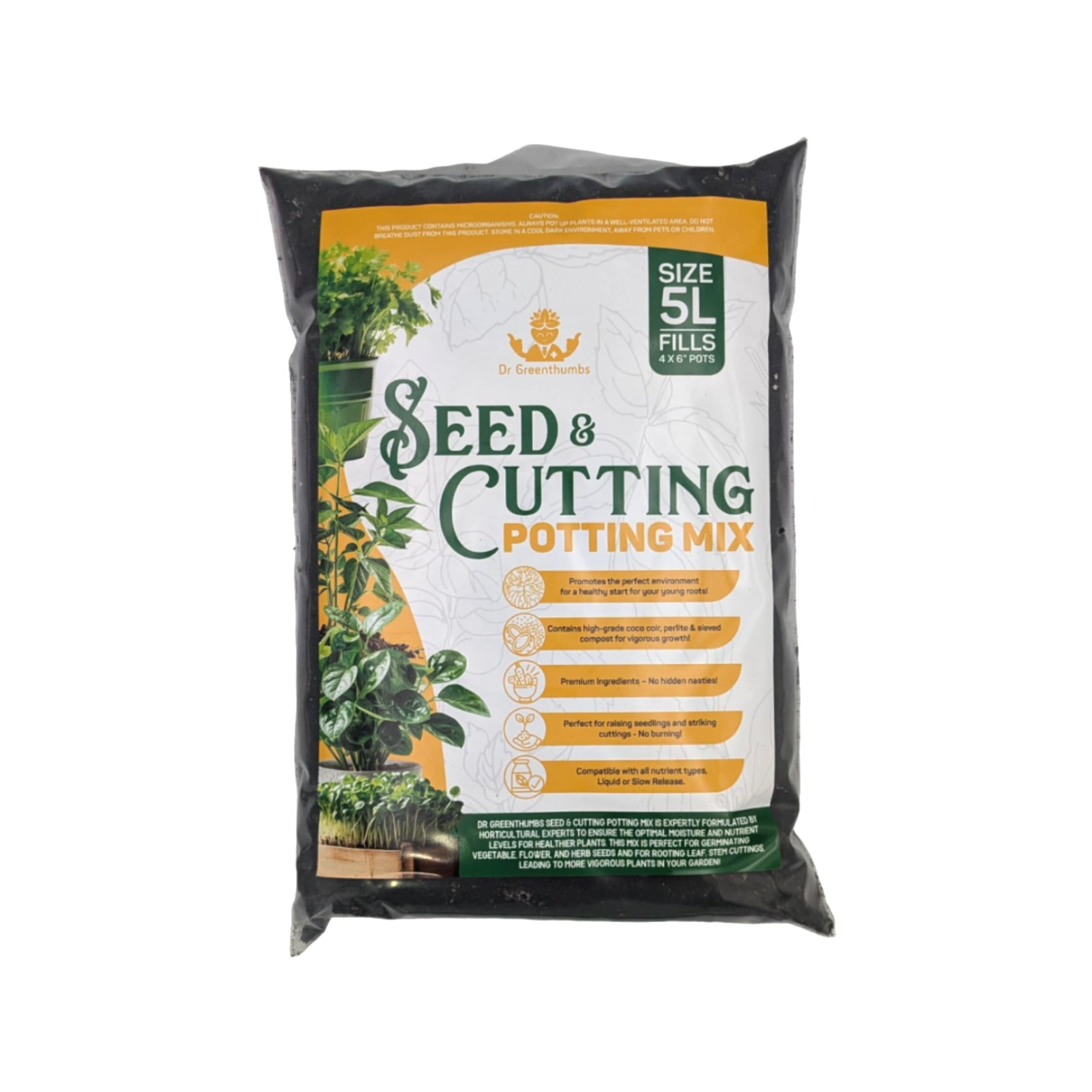
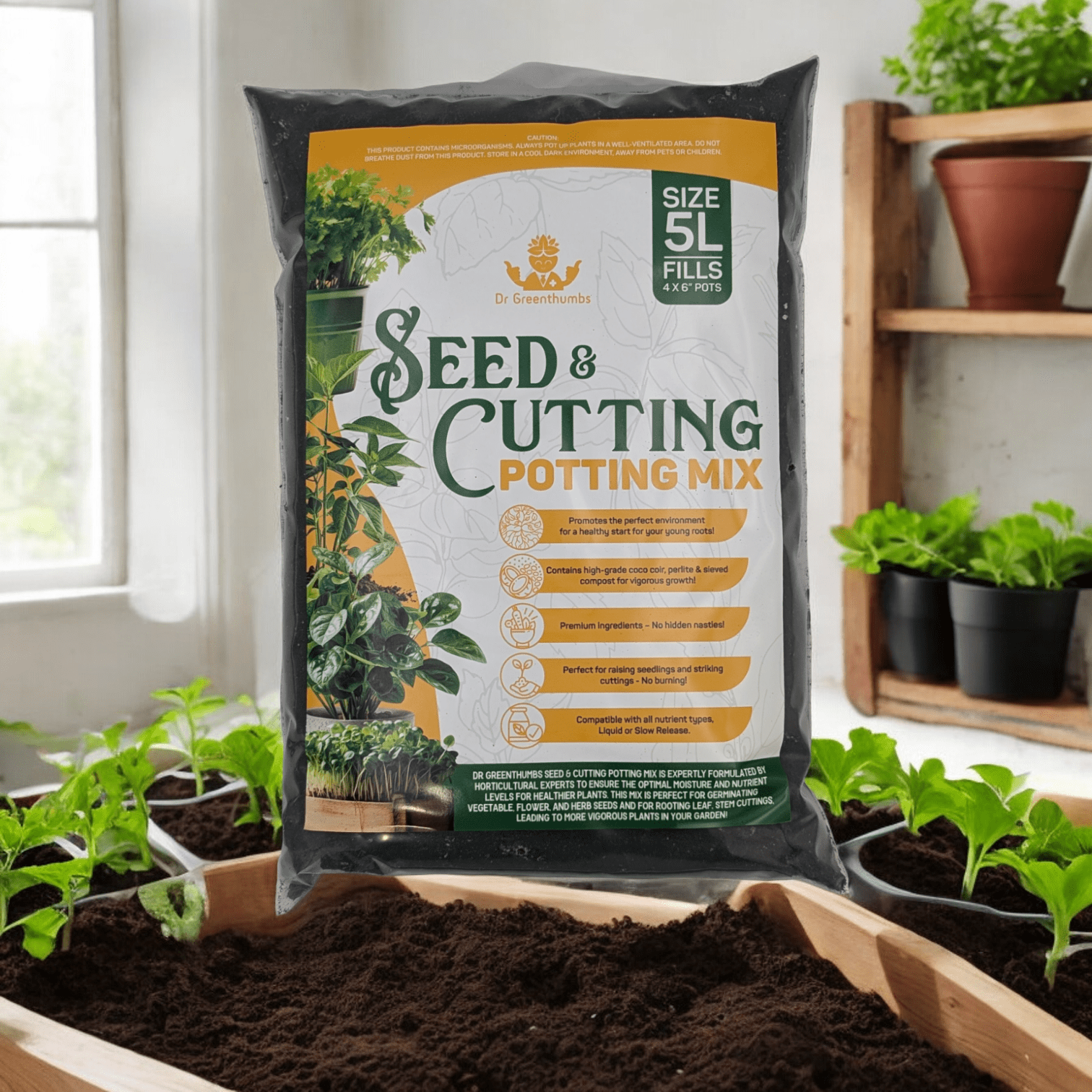
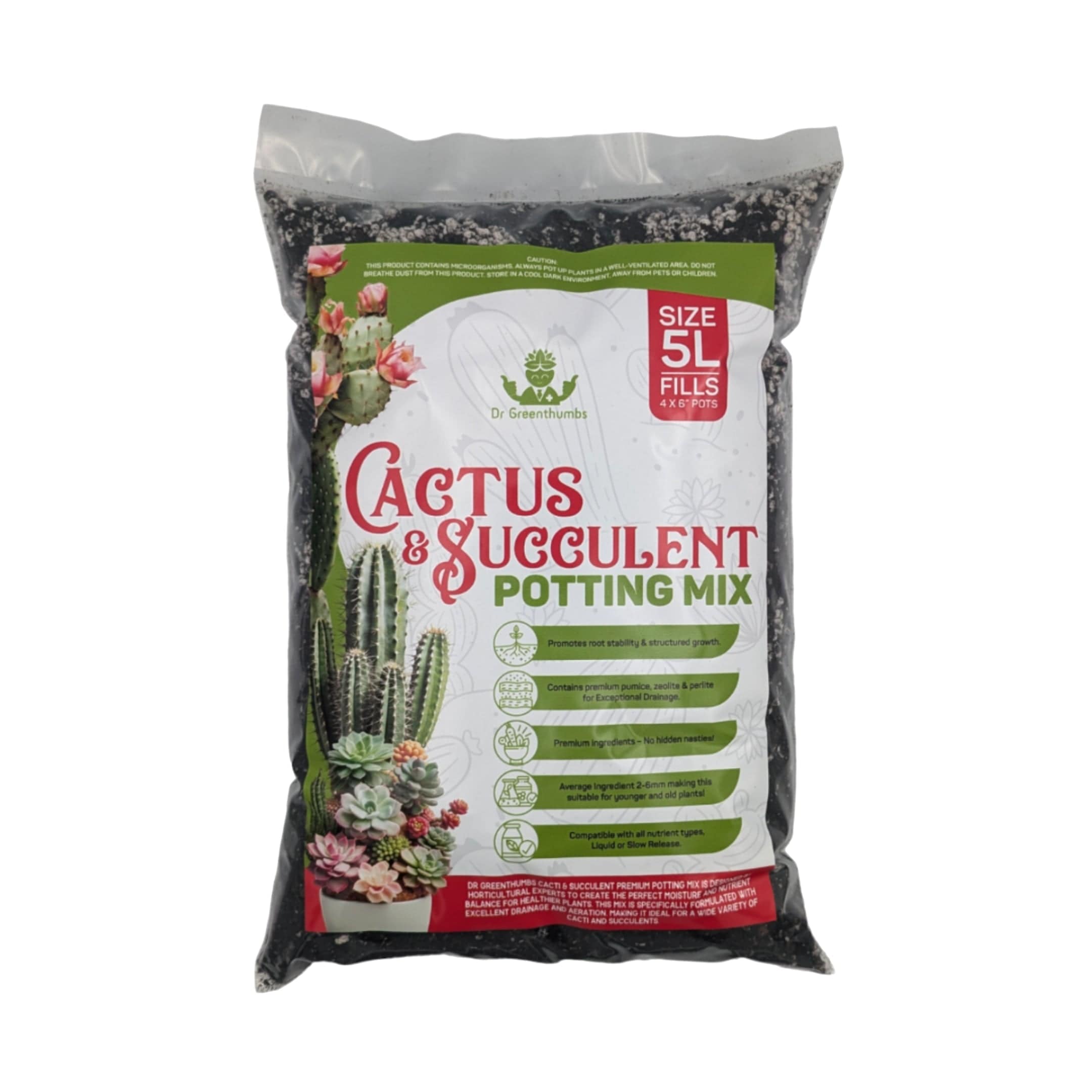
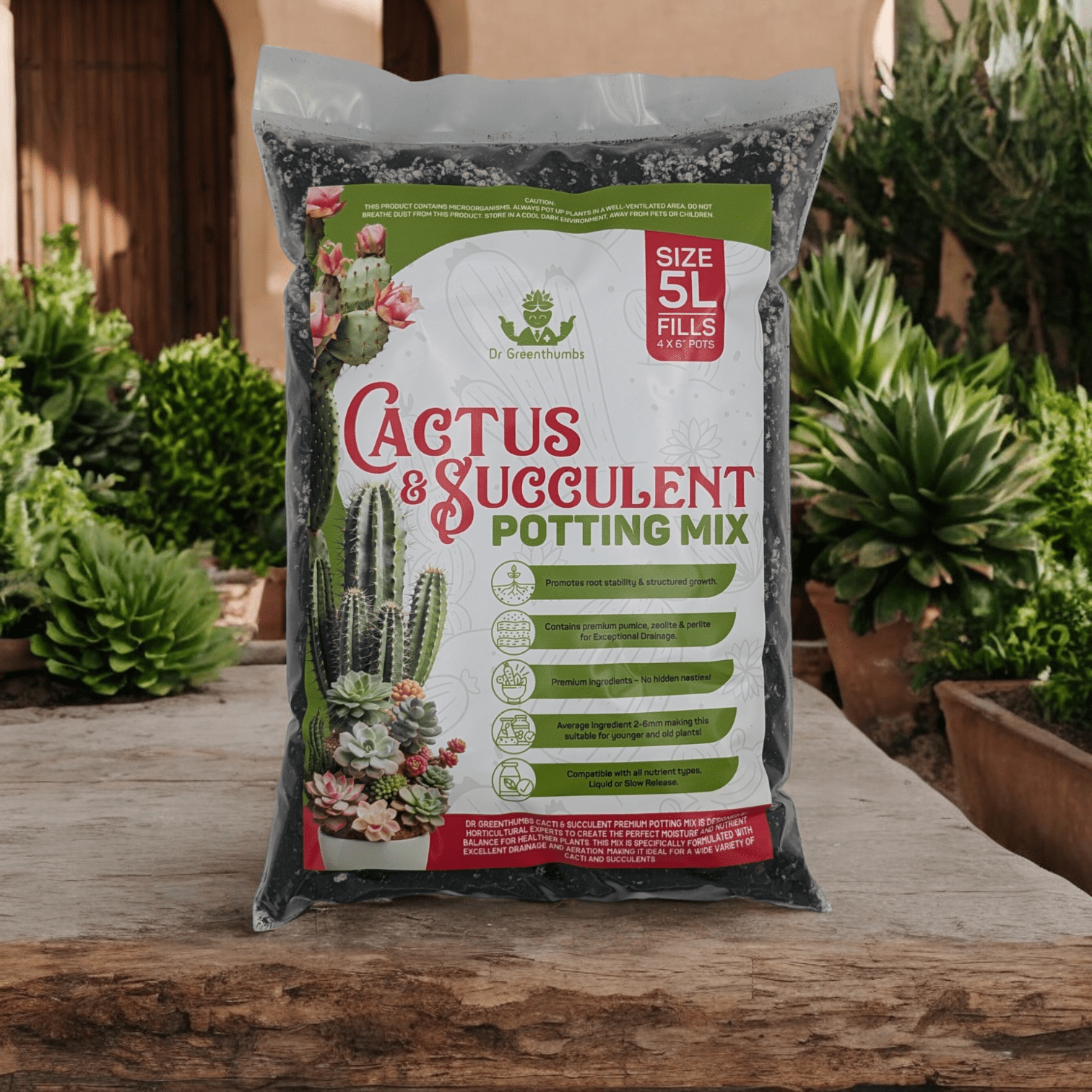
After working with thousands of Aussie gardeners, we've fine-tuned our formulas specifically for our unique climate and soil challenges.
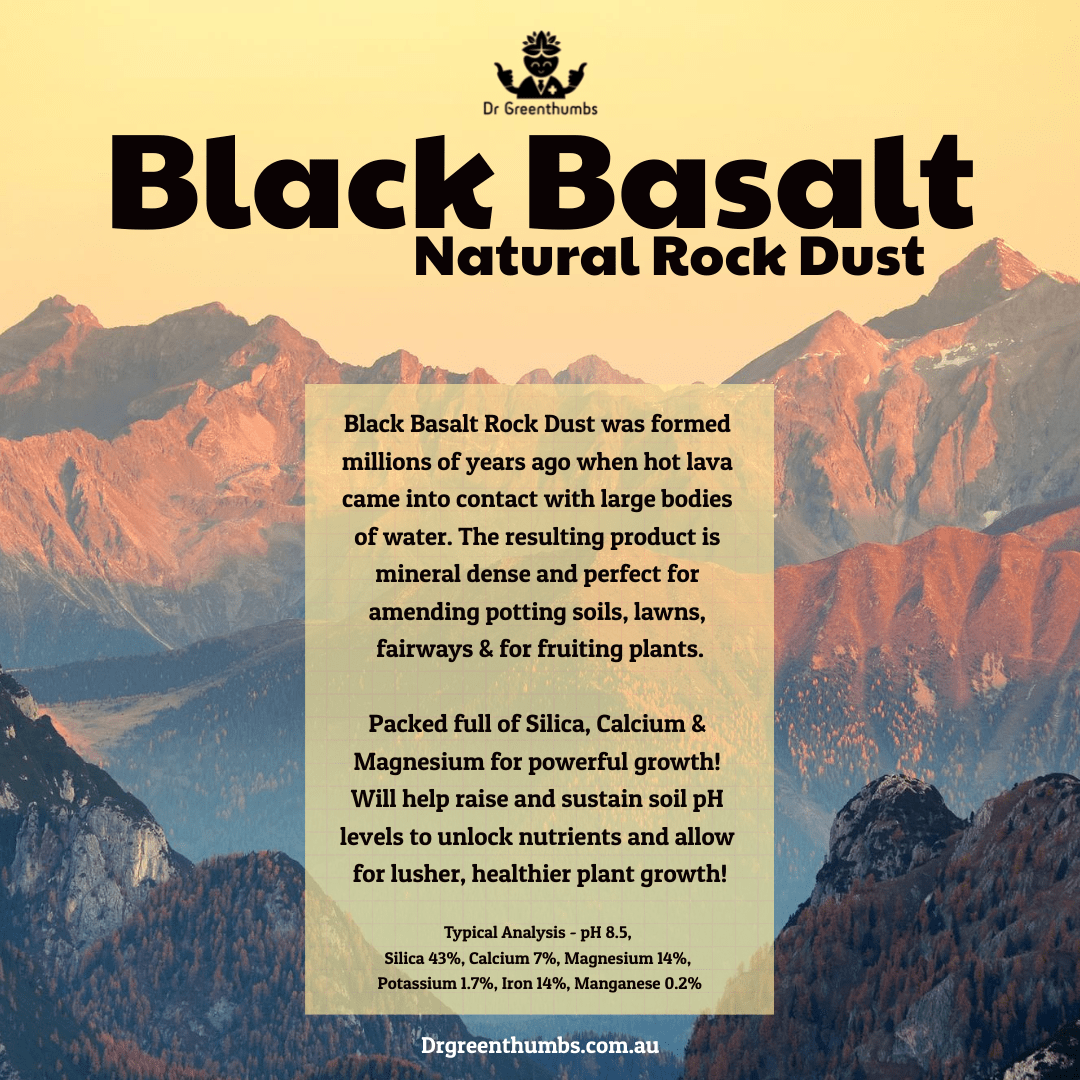
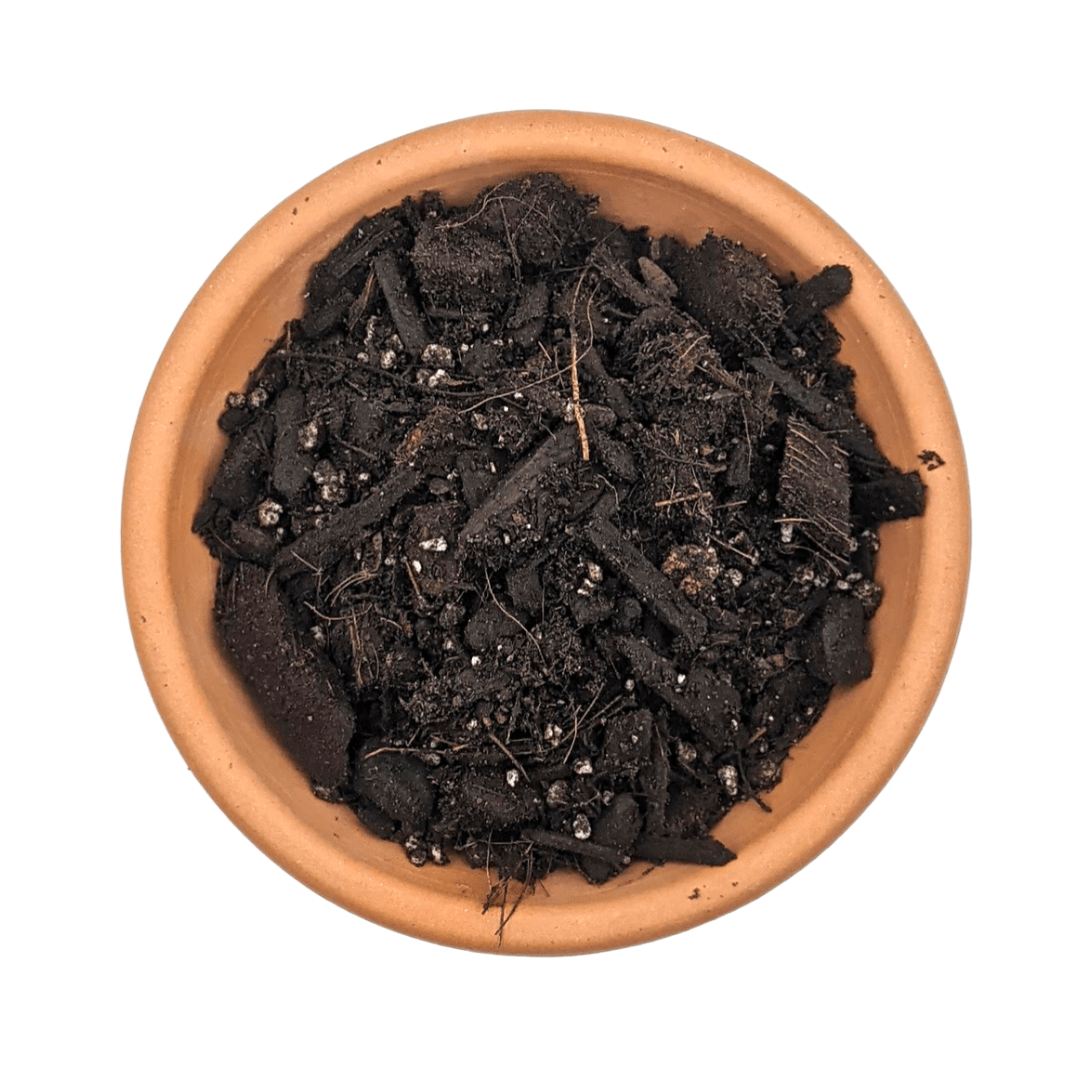
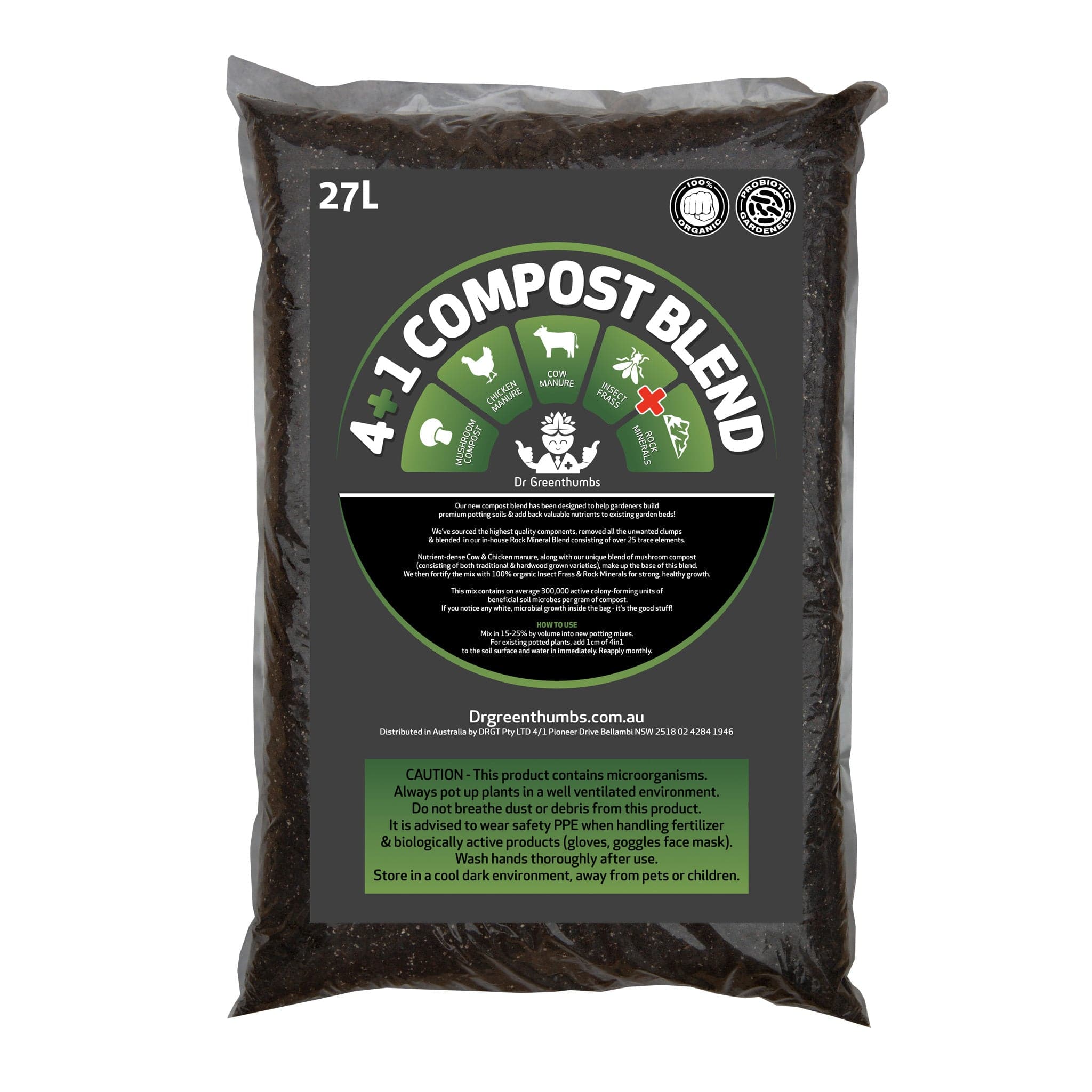
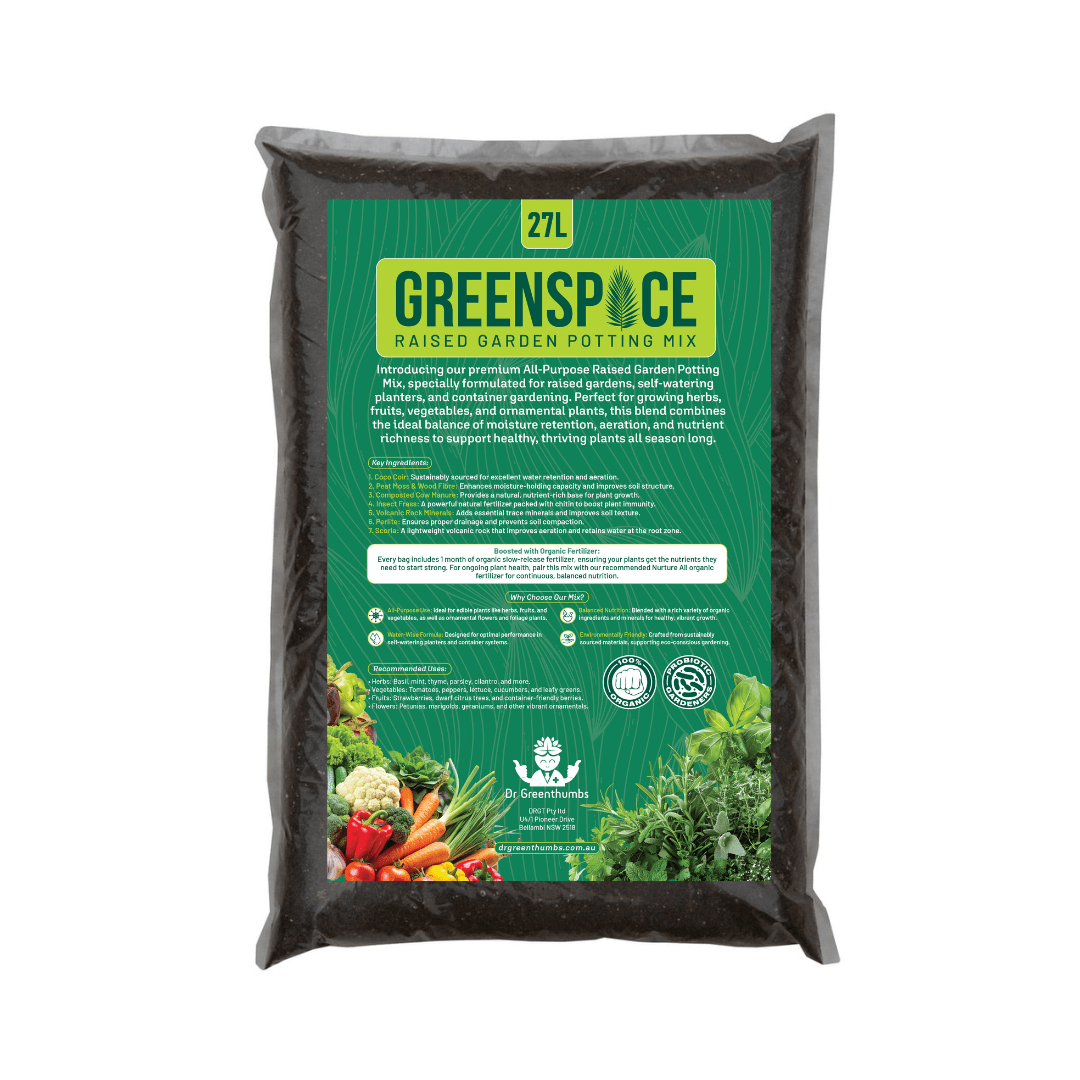
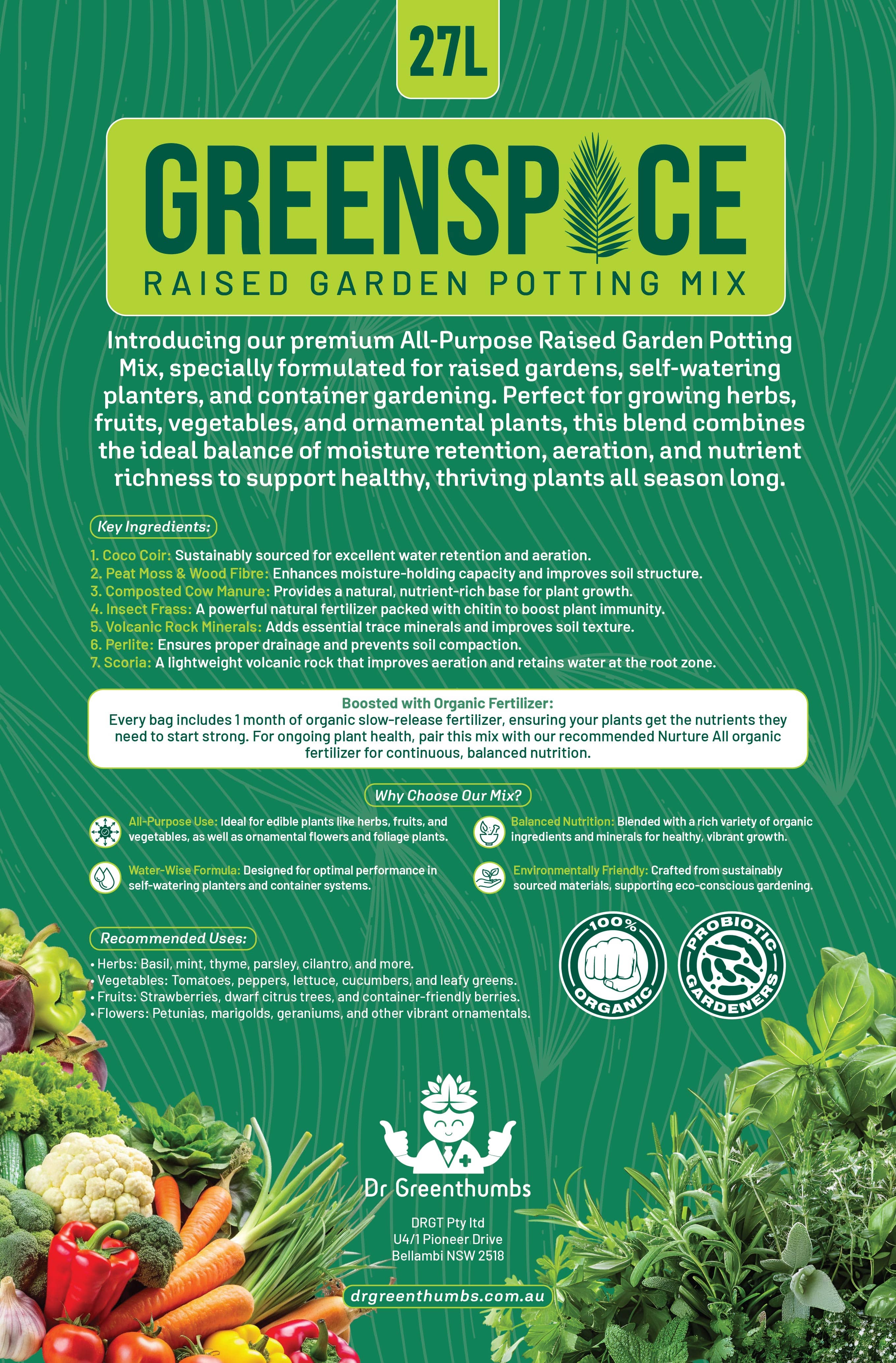
Our 4+1 Compost Blend with Insect Frass combines premium aged compost with high-quality frass, plus rock minerals sourced from Australian quarries. It's like having a soil scientist formulate your perfect growing medium.
For those wanting to mix their own ratios, our Premium Insect Frass tests at 6% chitin content—double what you'll find in cheap imports. Higher chitin means better plant immunity and stronger growth responses.
Should insect frass be composted first?
Insect frass can be used either directly or composted, depending on how and where you plan to use it.
-
Use frass directly when:
-
Applying small amounts to garden beds or established plants
-
Mixing into compost that’s already mature
-
Improving microbial diversity in living soils
-
Applying small amounts to garden beds or established plants
-
Compost or blend first when:
-
Using larger volumes
-
Applying to seedlings or sensitive plants
-
Creating custom soil mixes or potting blends
-
Using larger volumes
Composting frass alongside carbon-rich materials helps balance nutrients and creates a more stable, slow-release input. This is why many commercial soil blends include frass as part of a broader composted mix rather than as a stand-alone fertiliser.
What does current research say about insect frass?
Recent studies continue to explore insect frass as part of a circular, waste-to-resource approach to soil fertility. Researchers are particularly interested in how frass supports soil microbes, nutrient cycling, and long-term soil structure when used alongside composts and organic matter.
One key finding is that frass works best as a soil conditioner, not a replacement for balanced organic nutrition. Its benefits come from biological activity as much as nutrient content, which explains why results can vary depending on soil health, climate, and application rate.
In simple terms: insect frass helps healthy soils work better, rather than forcing rapid plant growth.
FAQ
Where can you buy insect frass in Australia?
Insect frass is increasingly available through specialist organic gardening suppliers and soil-focused retailers. Look for products clearly labelled for garden use, with information about insect source and processing.
How should insect frass be stored?
Store frass in a cool, dry place, sealed from moisture. Properly stored, it has a long shelf life and should remain free-flowing with an earthy smell. Avoid leaving it exposed to humidity, which can encourage unwanted microbial growth.
How can you tell if frass contains additives?
Check the ingredient list. Pure insect frass should not include synthetic fertilisers, wetting agents, or fillers. Transparency from the supplier is a good indicator of quality.
Ready to Transform Your Garden?
Picture this: plump cherry tomatoes that taste like they should, leafy greens that bounce back after every harvest, and earthworms partying beneath your mulch. Your kids asking for "more of those amazing strawberries" instead of lollies.
Spring planting season is almost here (and let's be honest, Australian springs are getting shorter and more unpredictable). The sooner you build this biological foundation, the better your garden will handle whatever our climate throws at it.
Every day you delay is another day your plants are struggling with depleted soil instead of thriving in a living ecosystem that works with nature, not against it.
Ready to give your garden the upgrade it deserves?
Grab our 4+1 Compost Blend and watch your garden transform from struggling to thriving. Your plants will thank you, your family will love the results, and you'll finally have the productive, chemical-free garden you've always wanted.
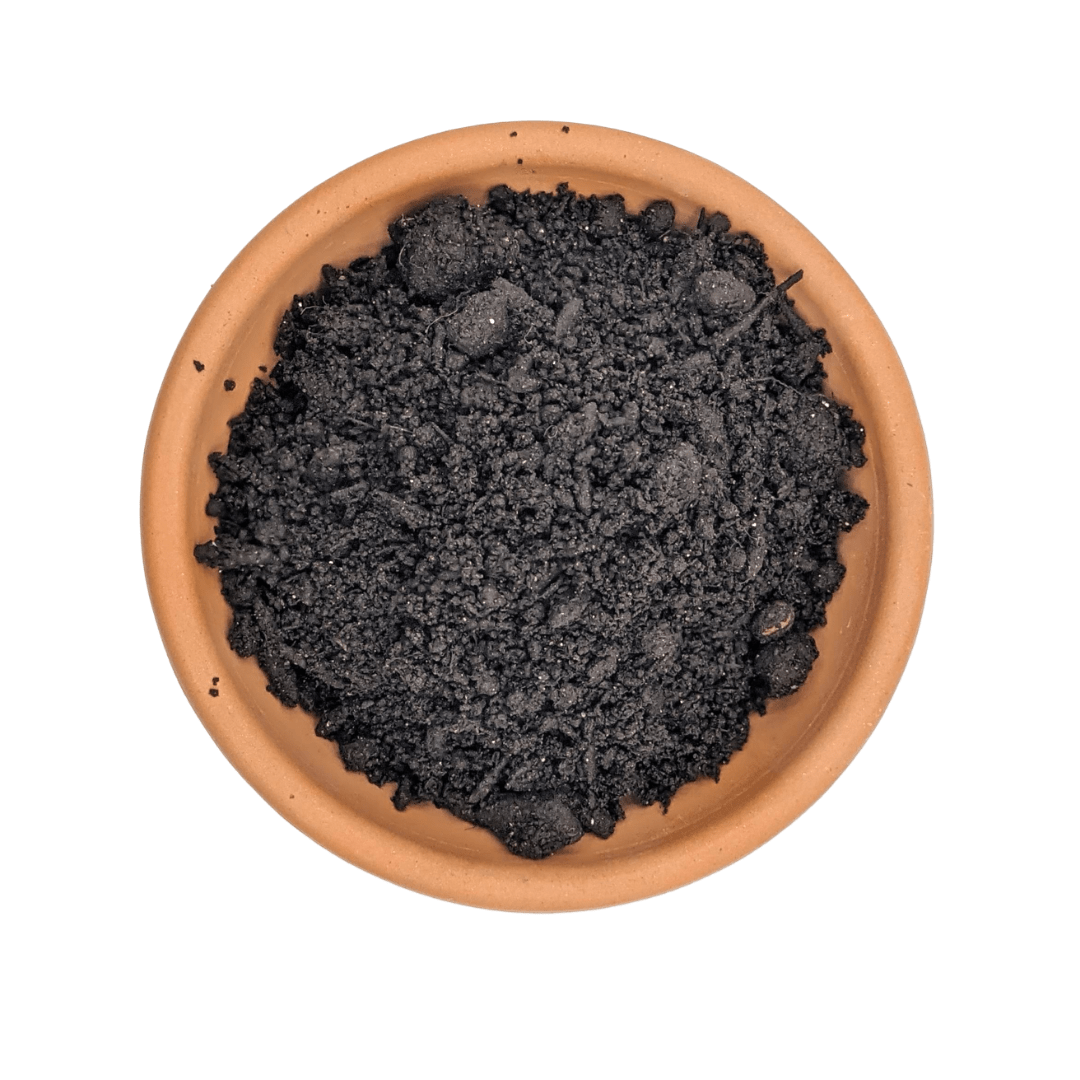
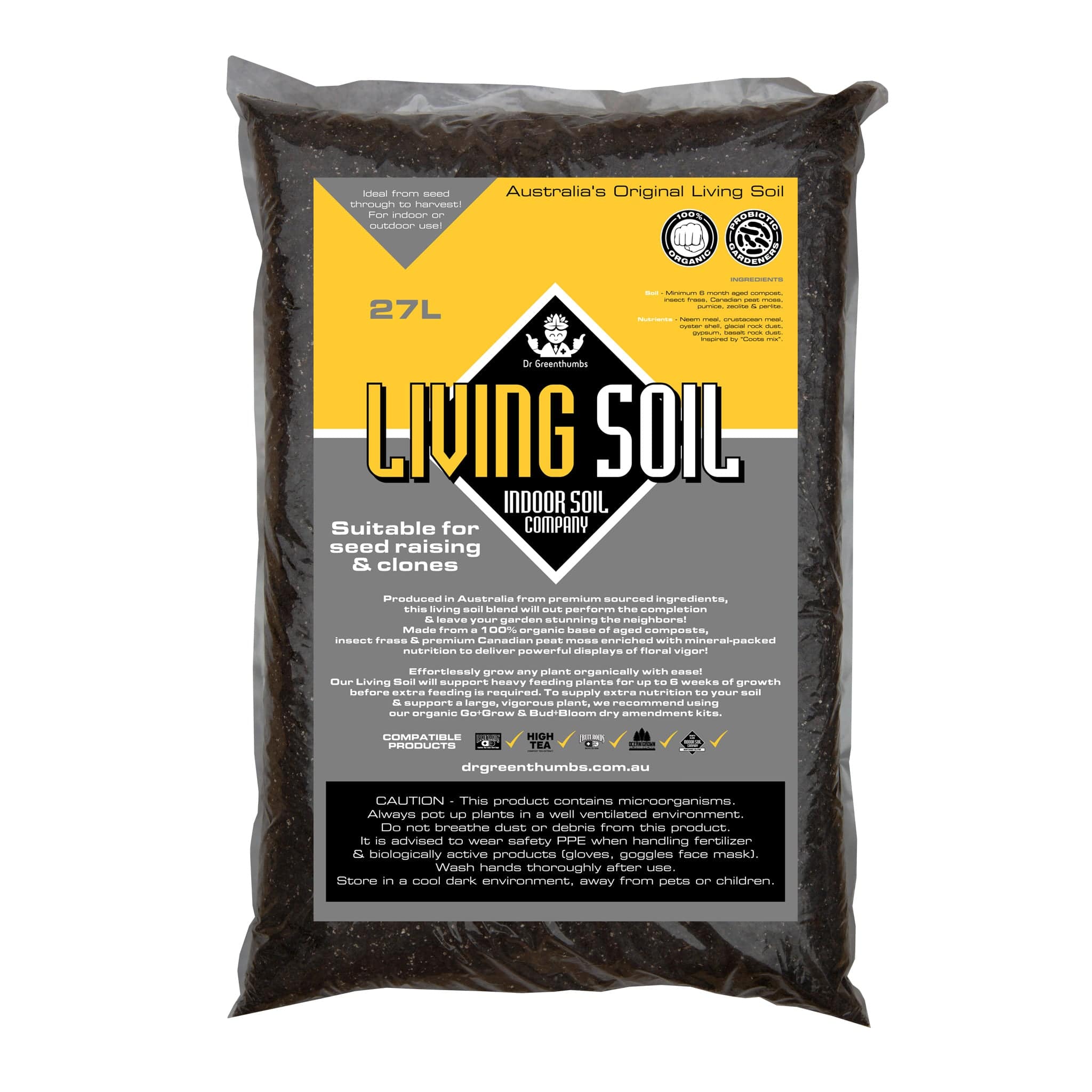
Shop the Living Soil Collection →
Questions about what's right for your specific garden conditions? Drop us a line—we're always happy to help a fellow green thumb succeed.
Next reads for getting more from frass, compost and living soil
Using insect frass in your compost or soil mix? These guides will help you build stronger soil biology, compare natural inputs and get more from your organic growing system.
- Insect Frass Guide Australia
- Compost Starter Australia
- Organic Gardening 101: Living Soil Aussie Guide
- Worm Castings Australia Guide
About the Author