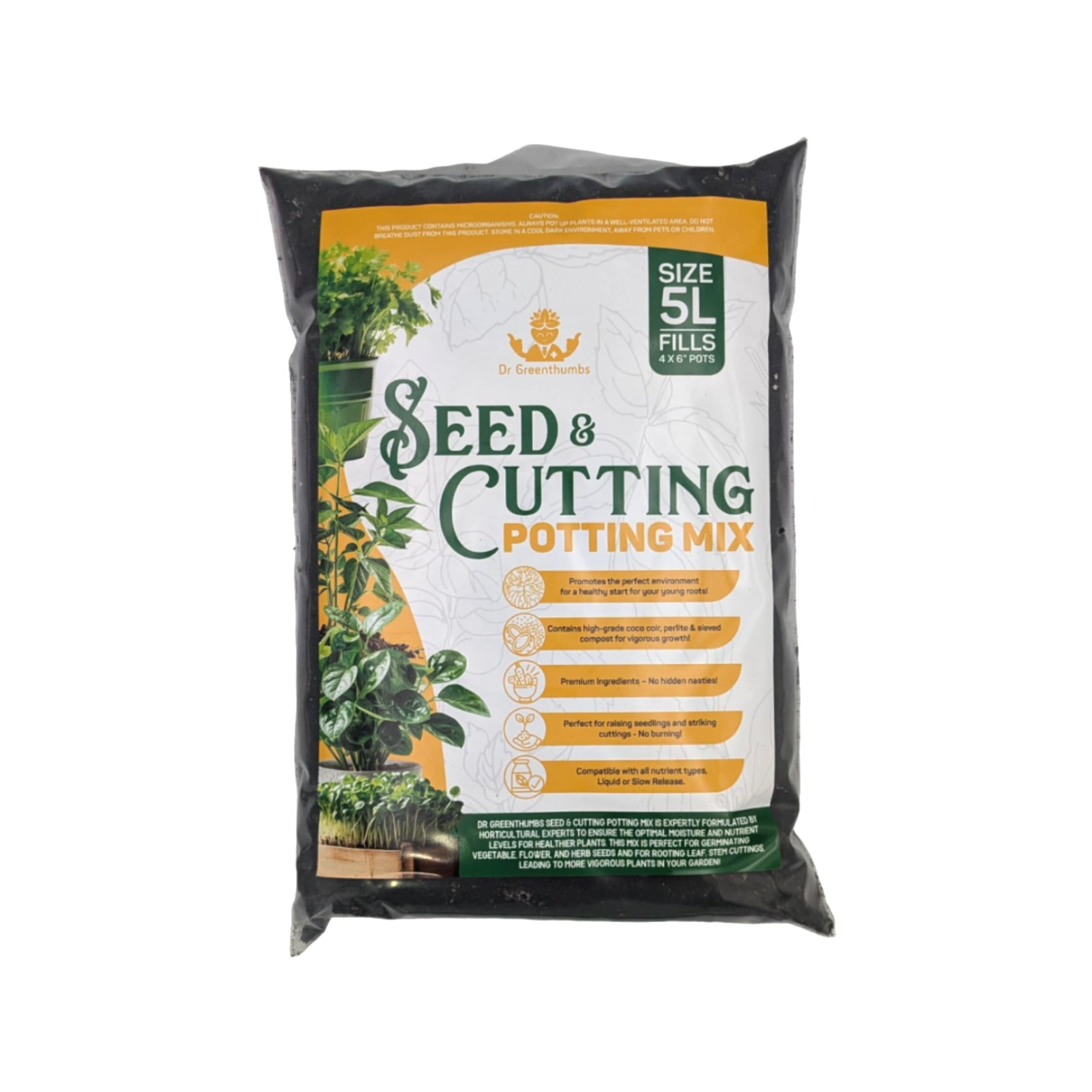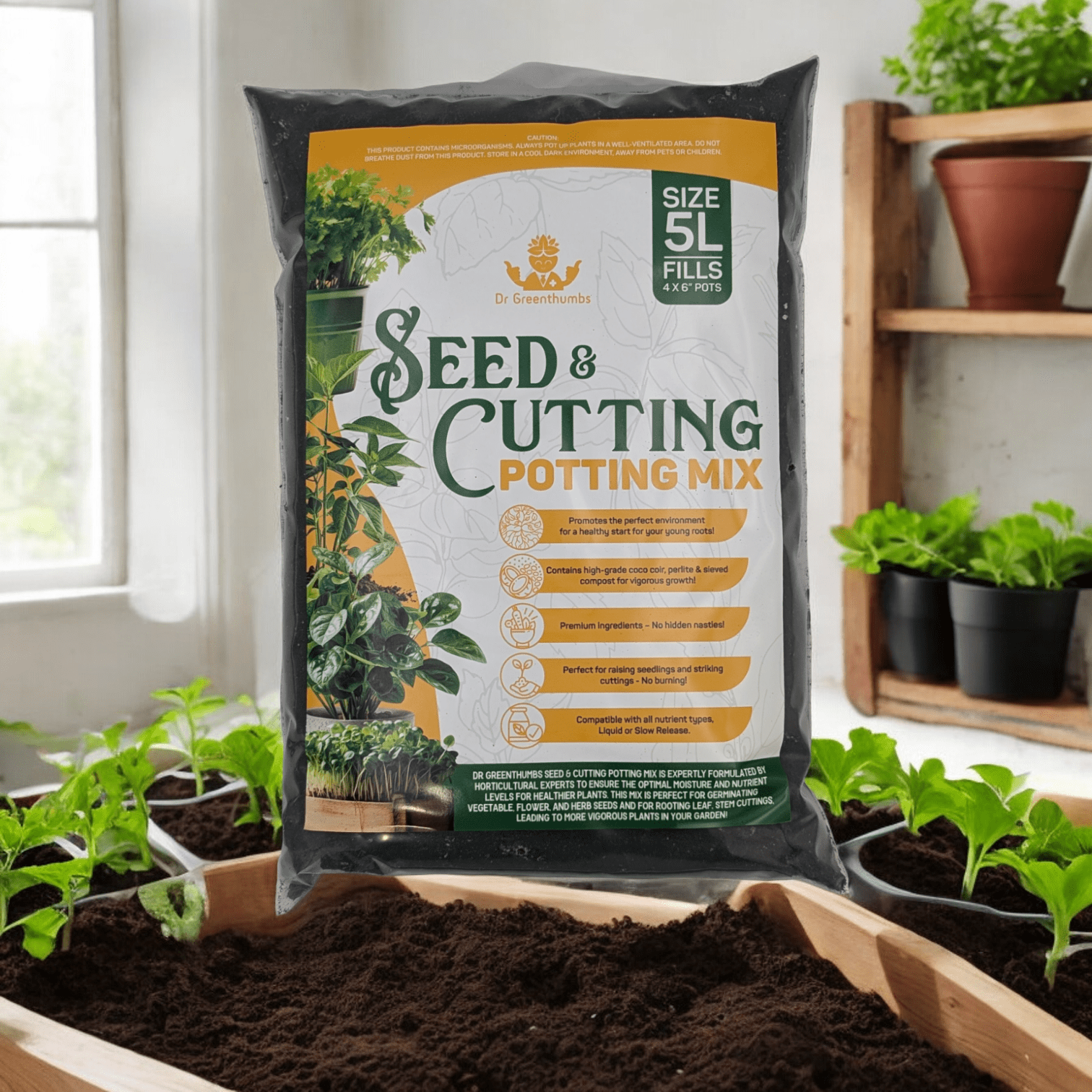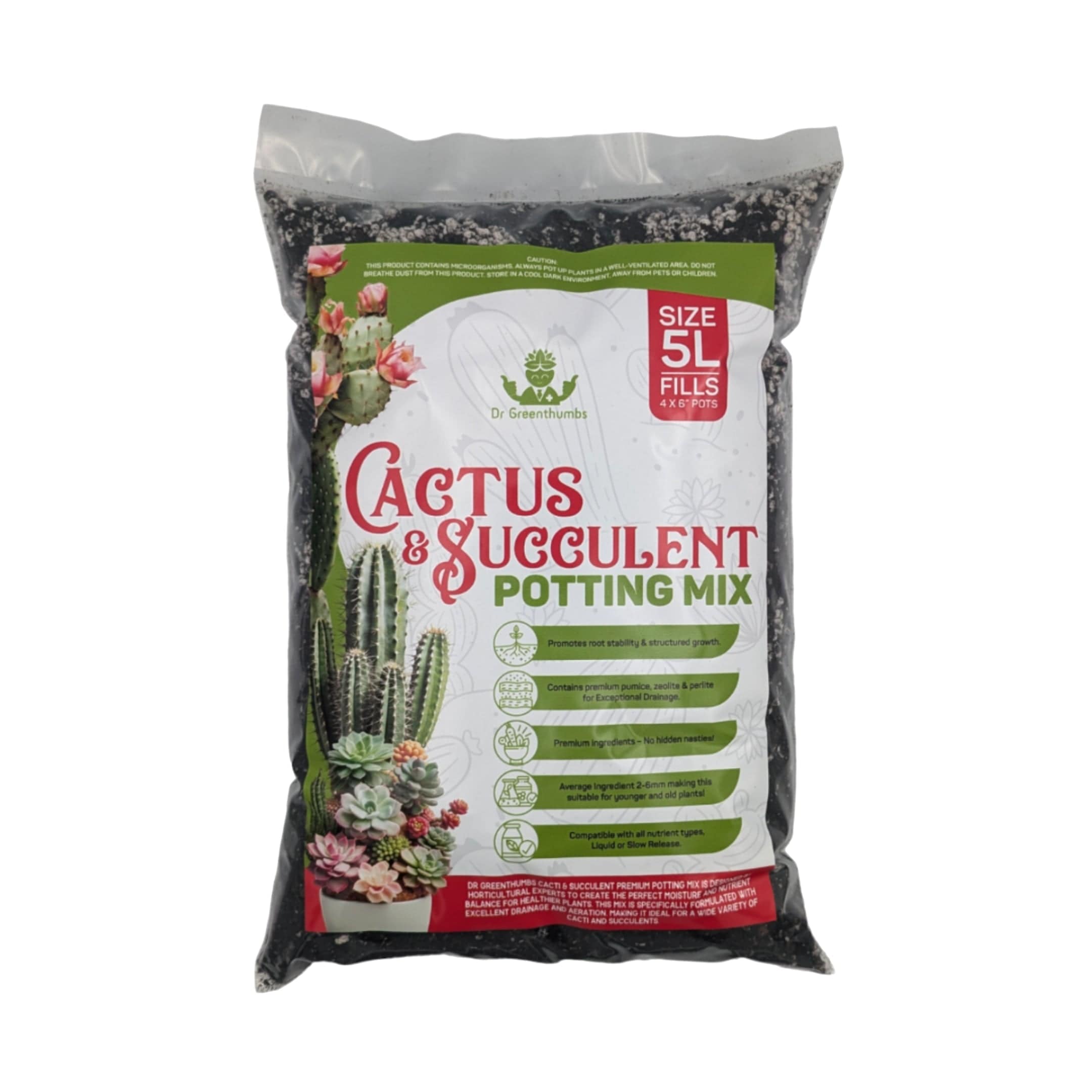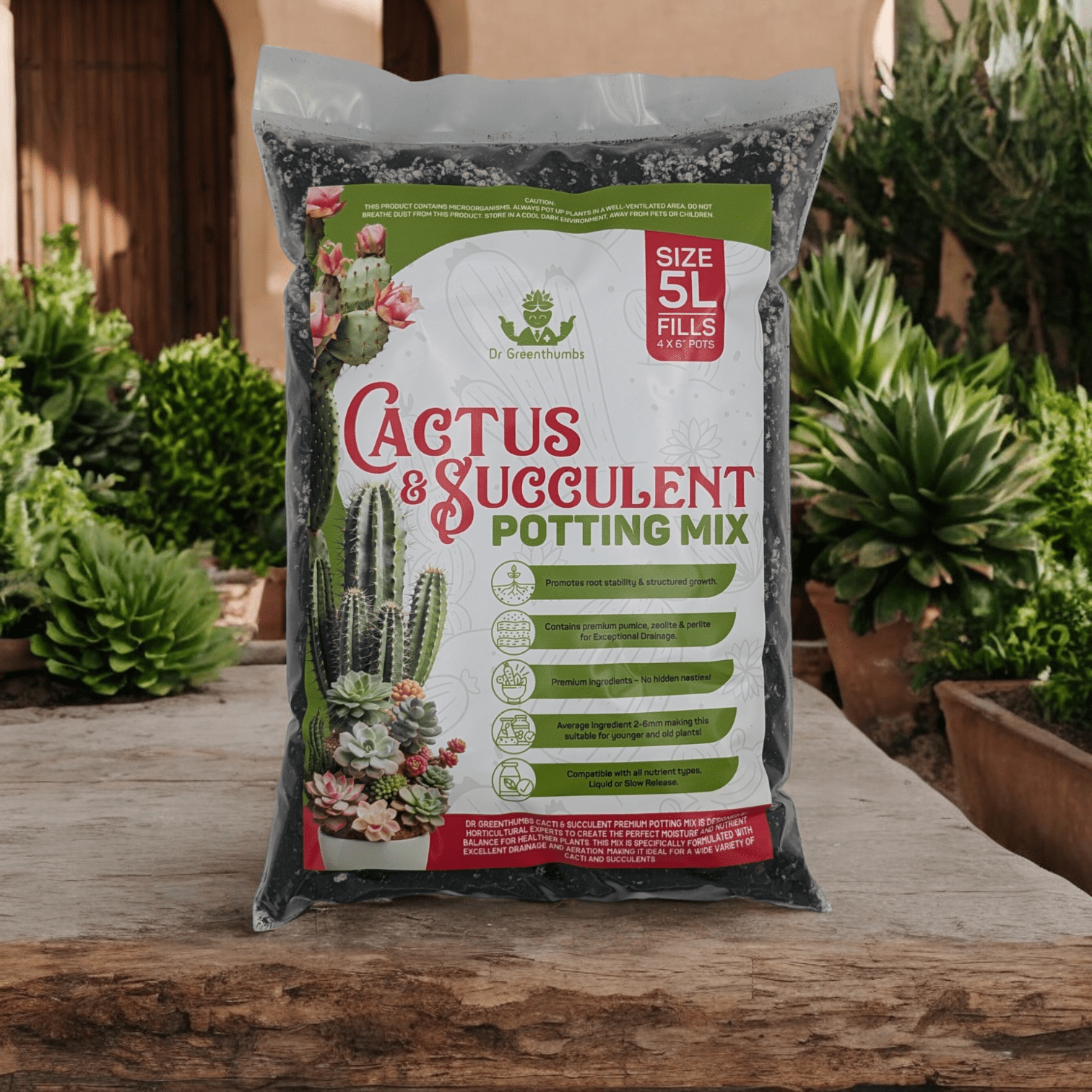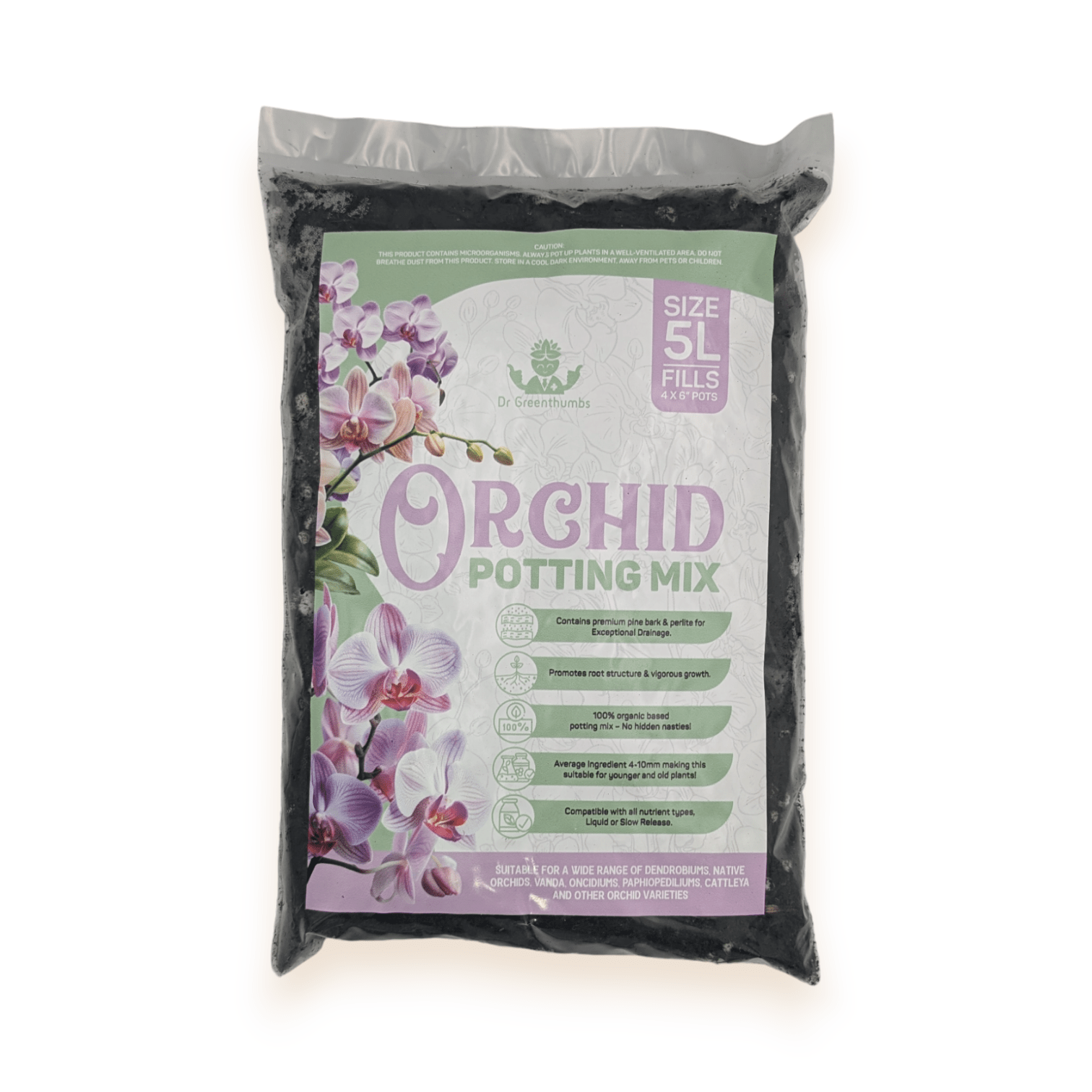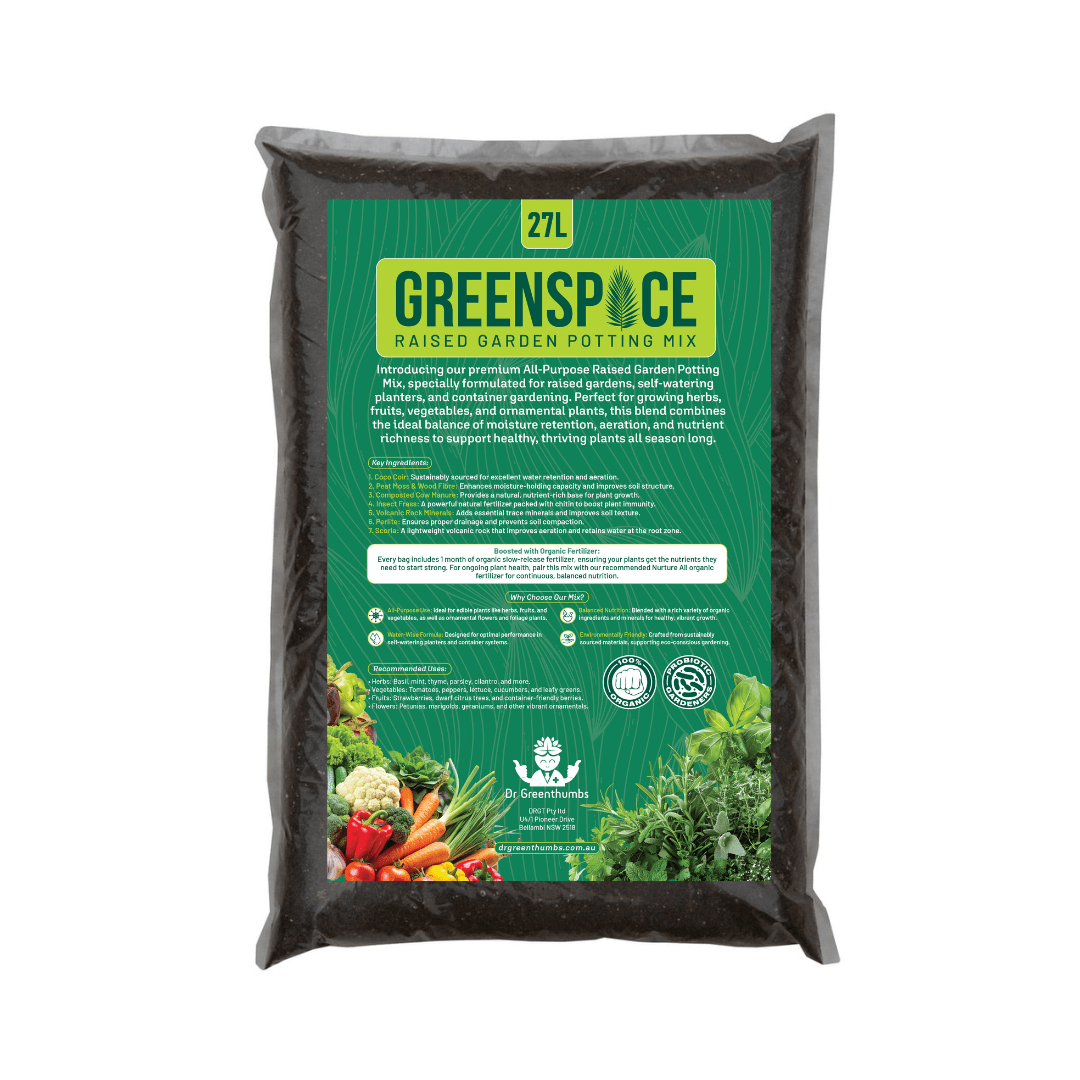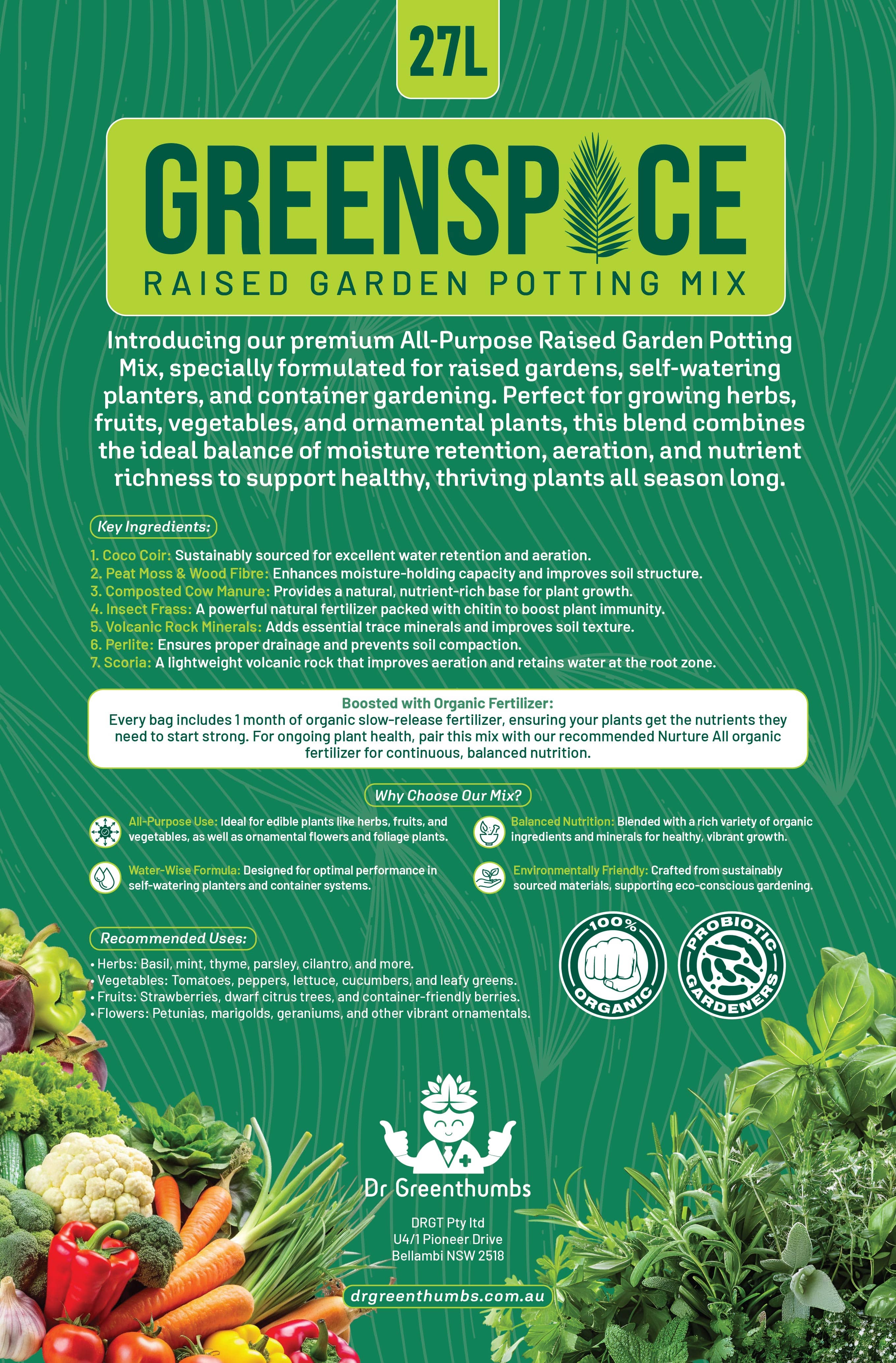

Potting mix and garden soil aren't interchangeable. One's engineered for containers, the other for open ground. Get this wrong, and you'll be dealing with root rot, stunted growth, or worse—yet another "plant funeral" in the backyard.
The good news? Once you understand the science behind each (it's simpler than you think), you'll never lose another plant to wrong soil choices again.
Table of Contents
- What Is Potting Mix? (The Container Champion)
- How to Read Potting Mix Labels in Australia
- Safe Handling of Potting Mix
- Garden Soil: The In-Ground Champion
- Potting Mix vs Garden Soil: Which Should You Use?
- When Should You Use Seed Raising Mix Instead of Potting Mix?
- Why Potting Mix Sometimes Repels Water
- Can You Mix Potting Mix and Garden Soil?
- What to Do With Leftover Soil or Potting Mix
- FAQ
- Next Reads for Choosing Better Potting Mixes and Healthier Root Zones
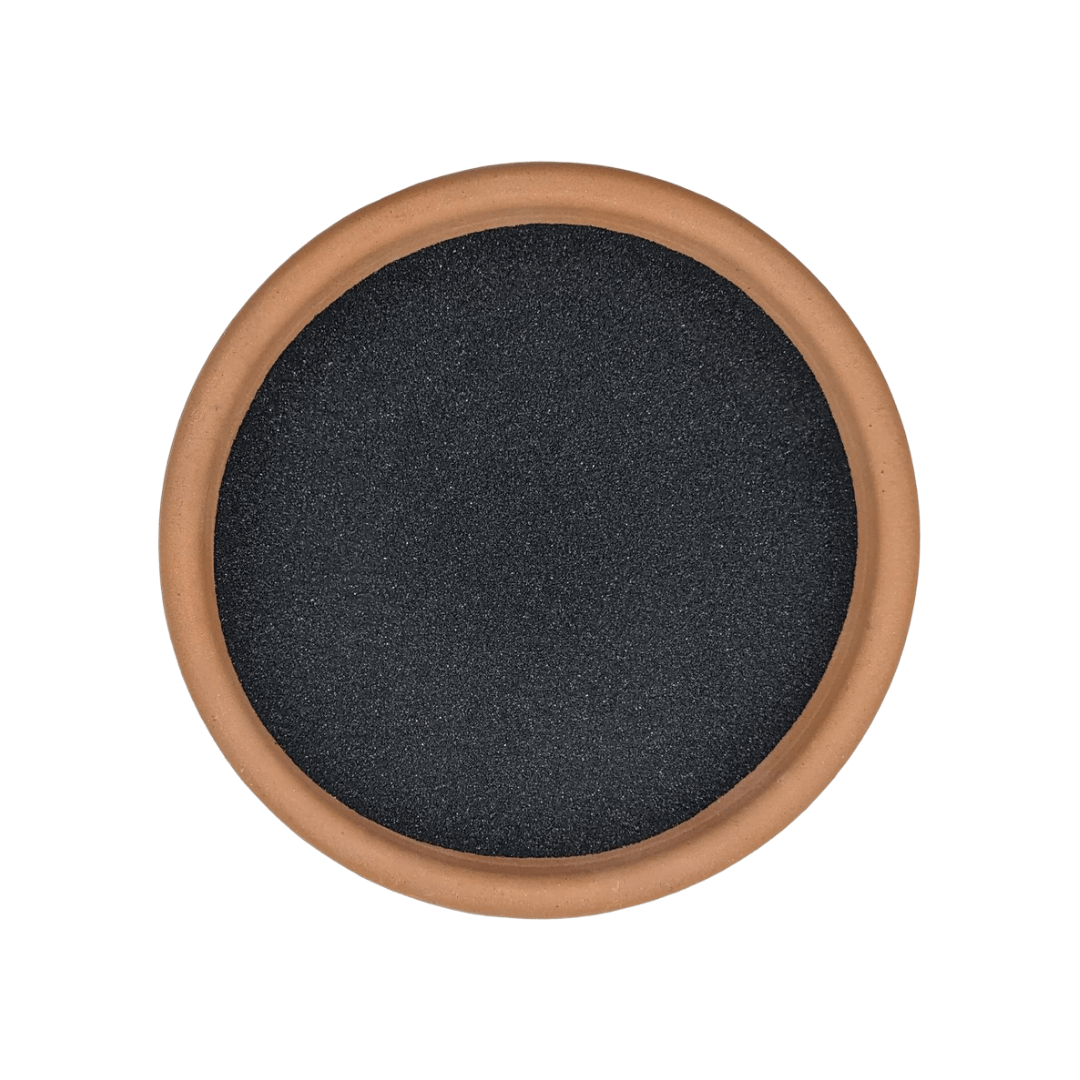
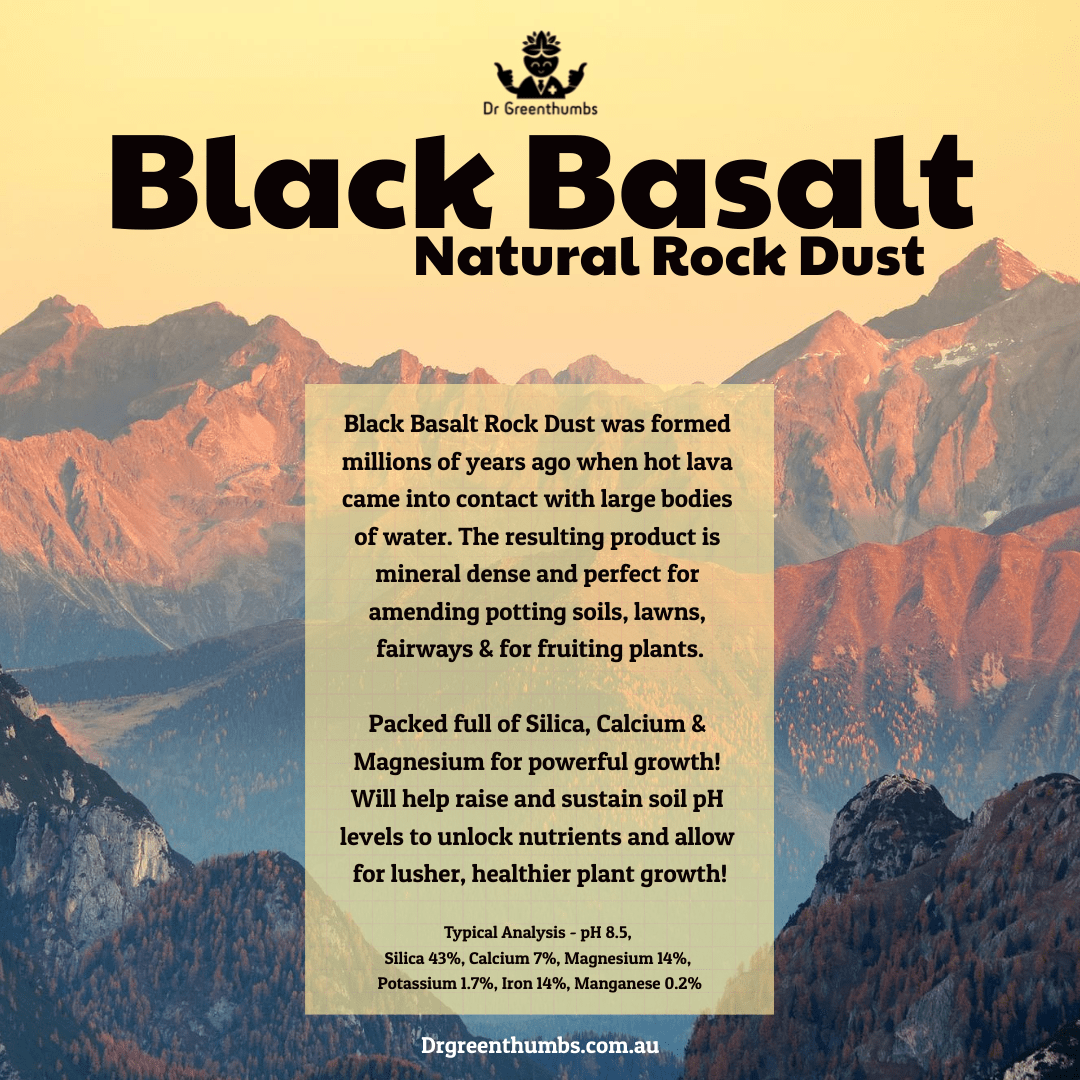
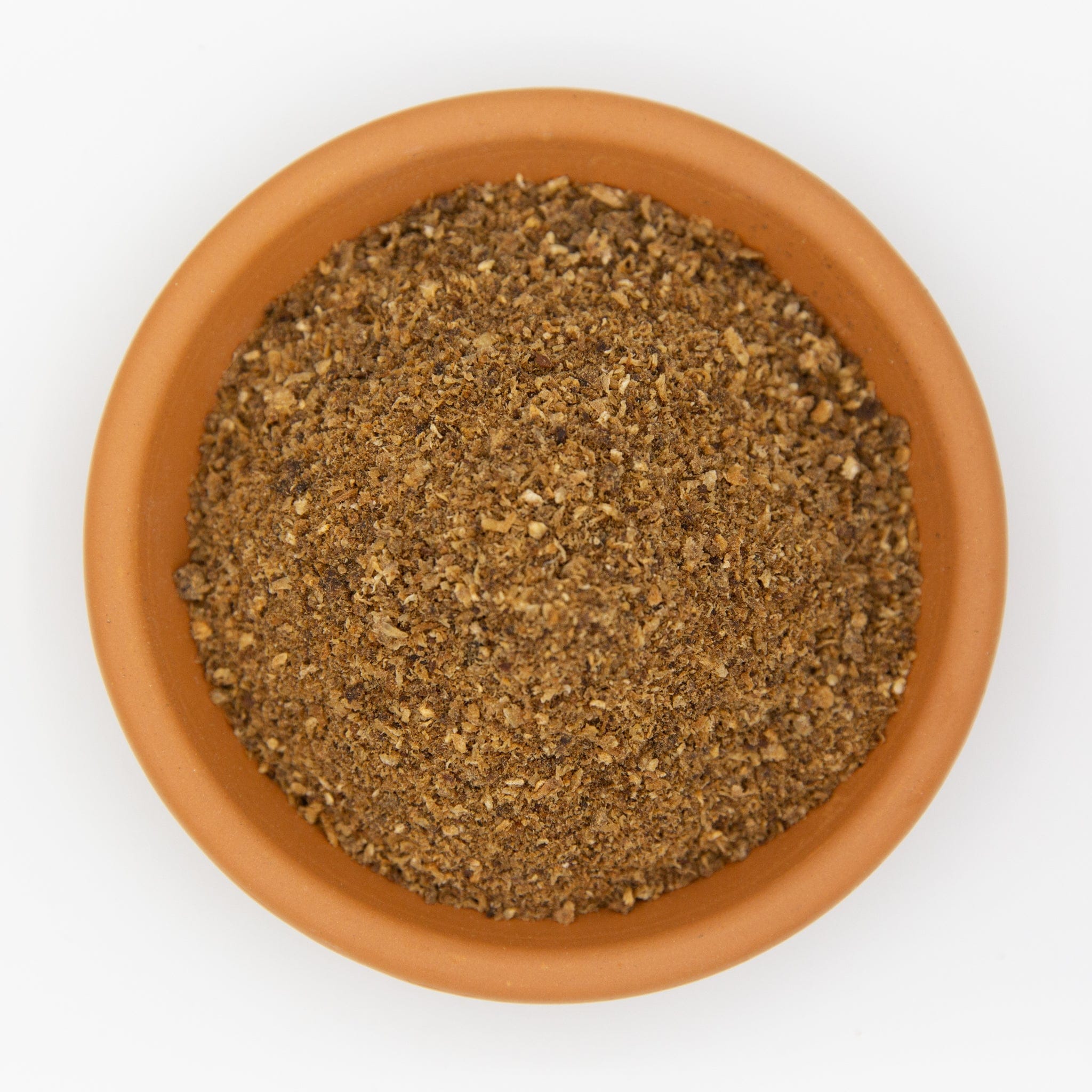
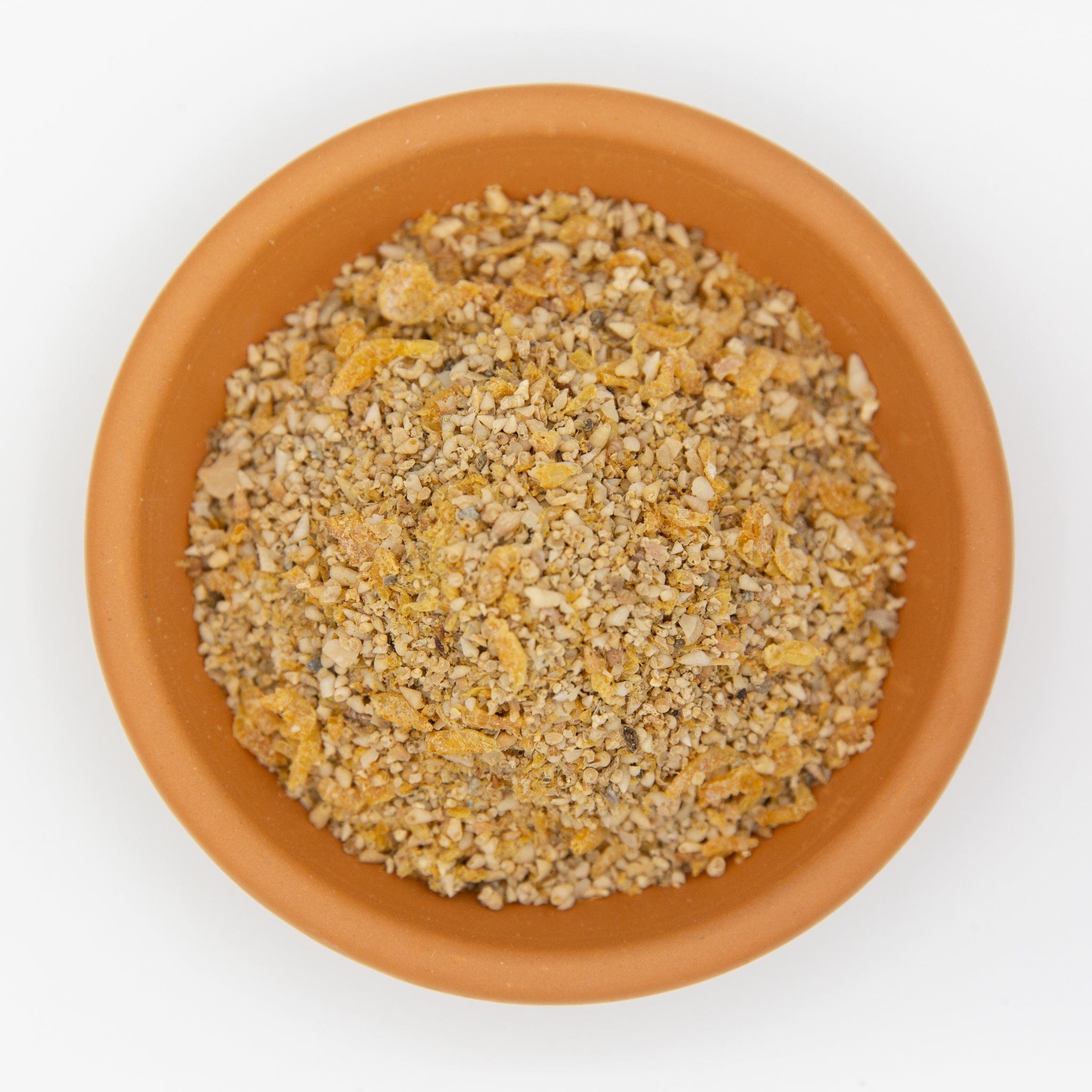
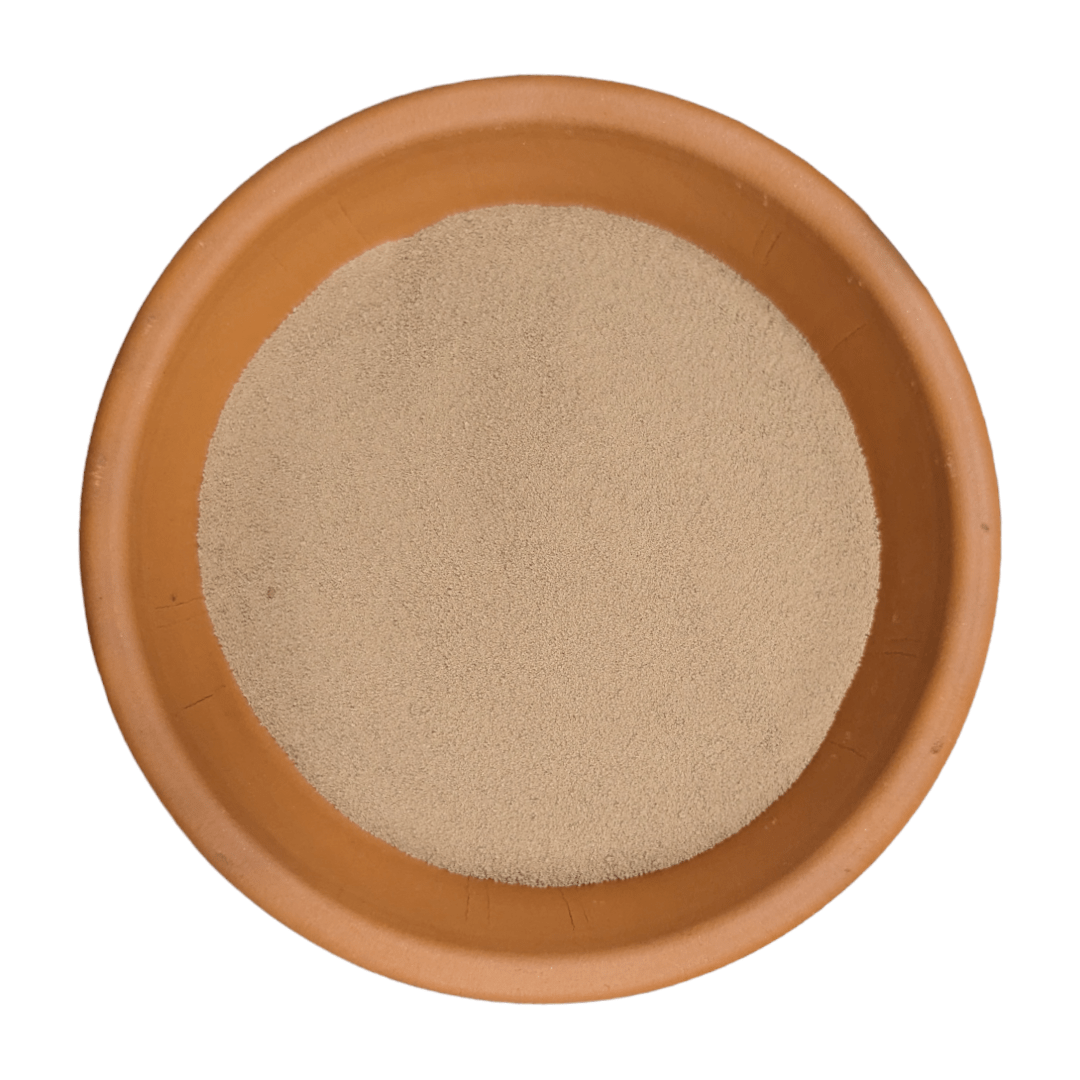
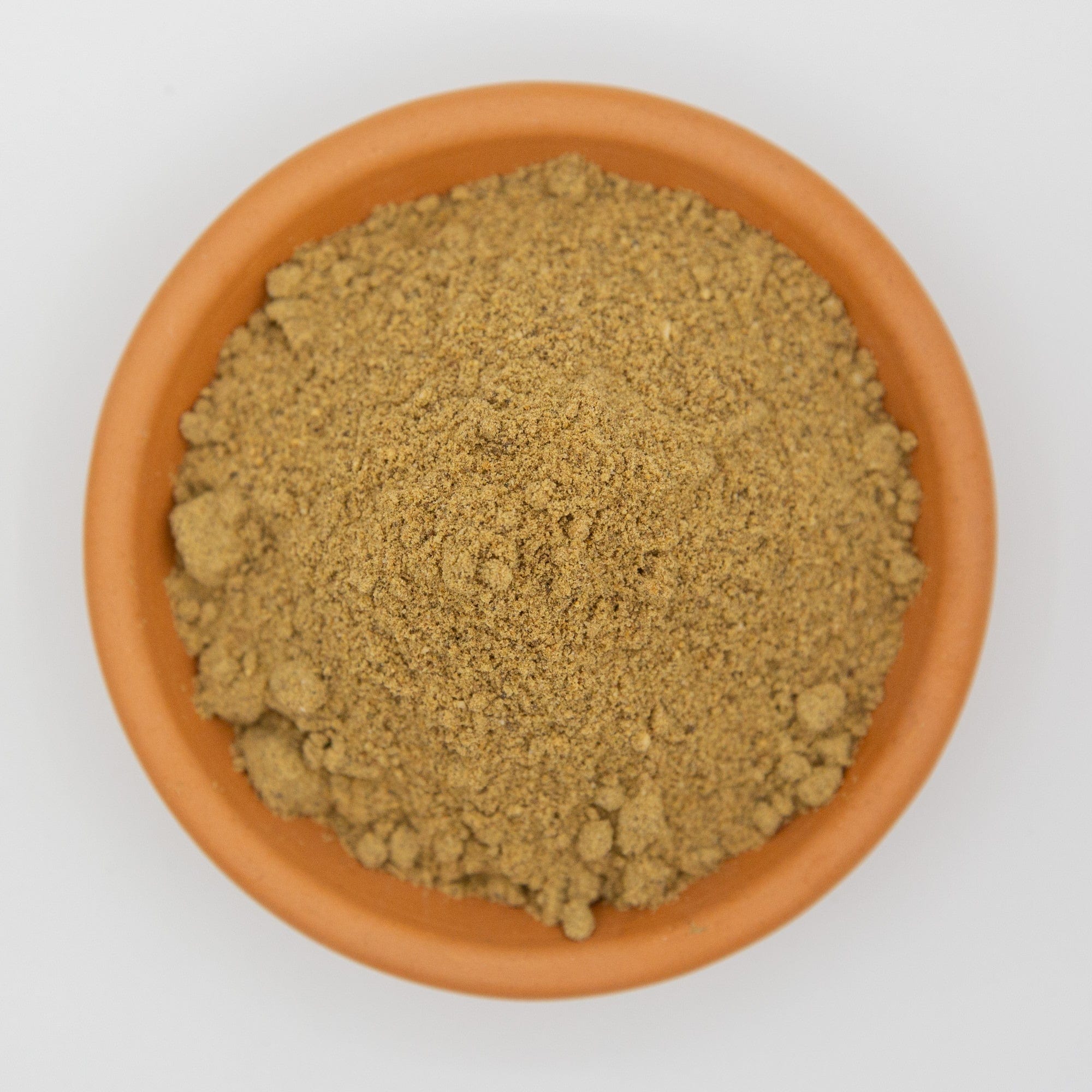
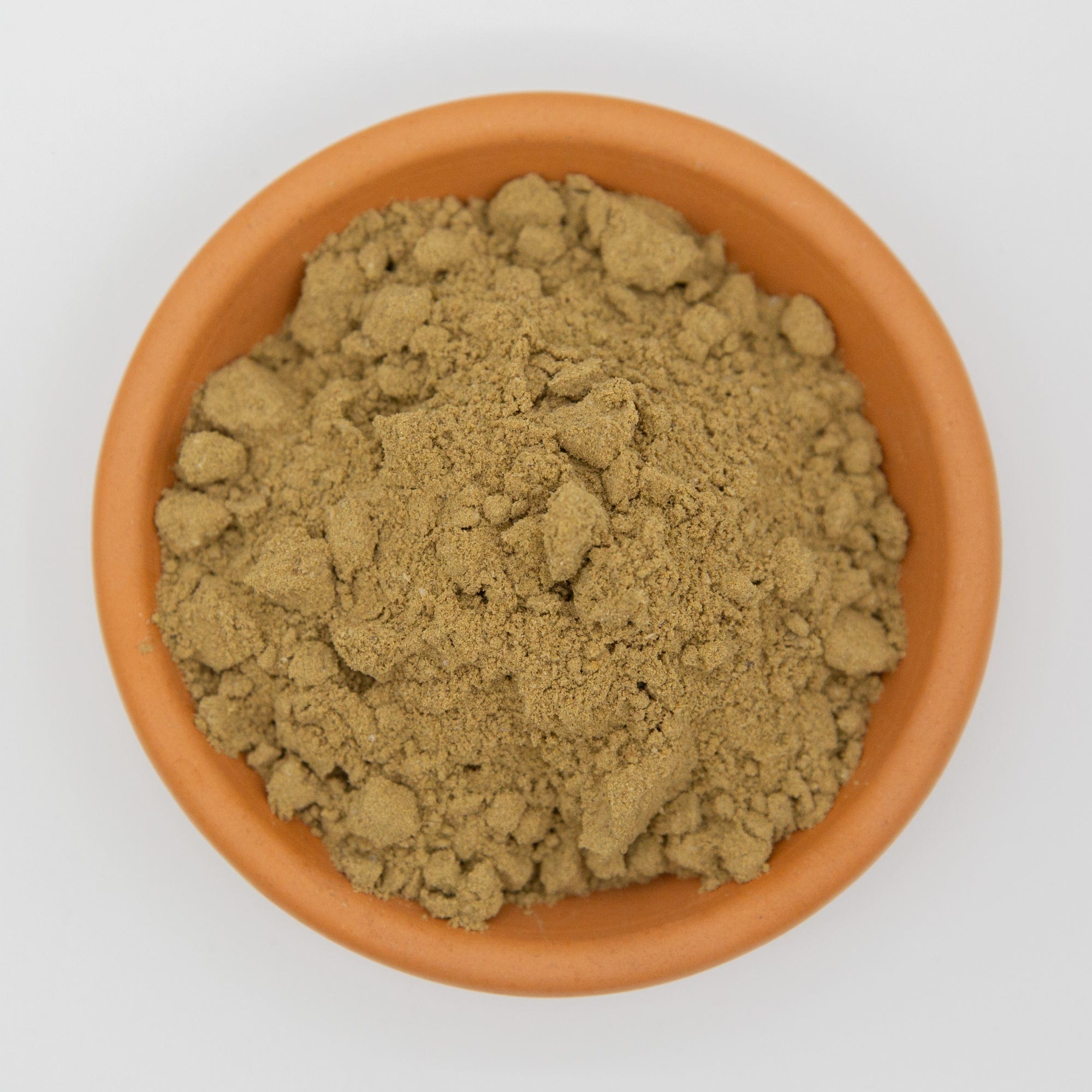
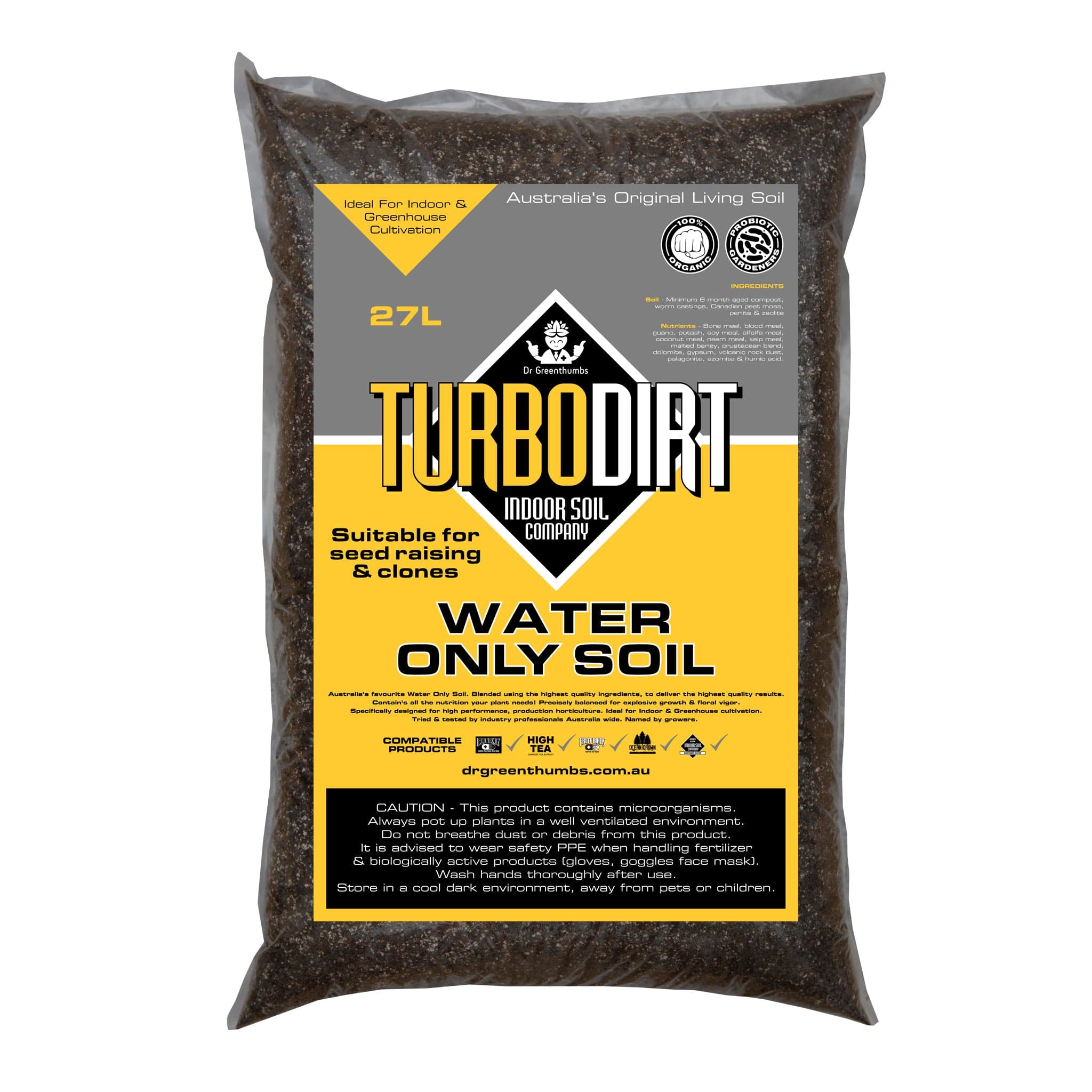
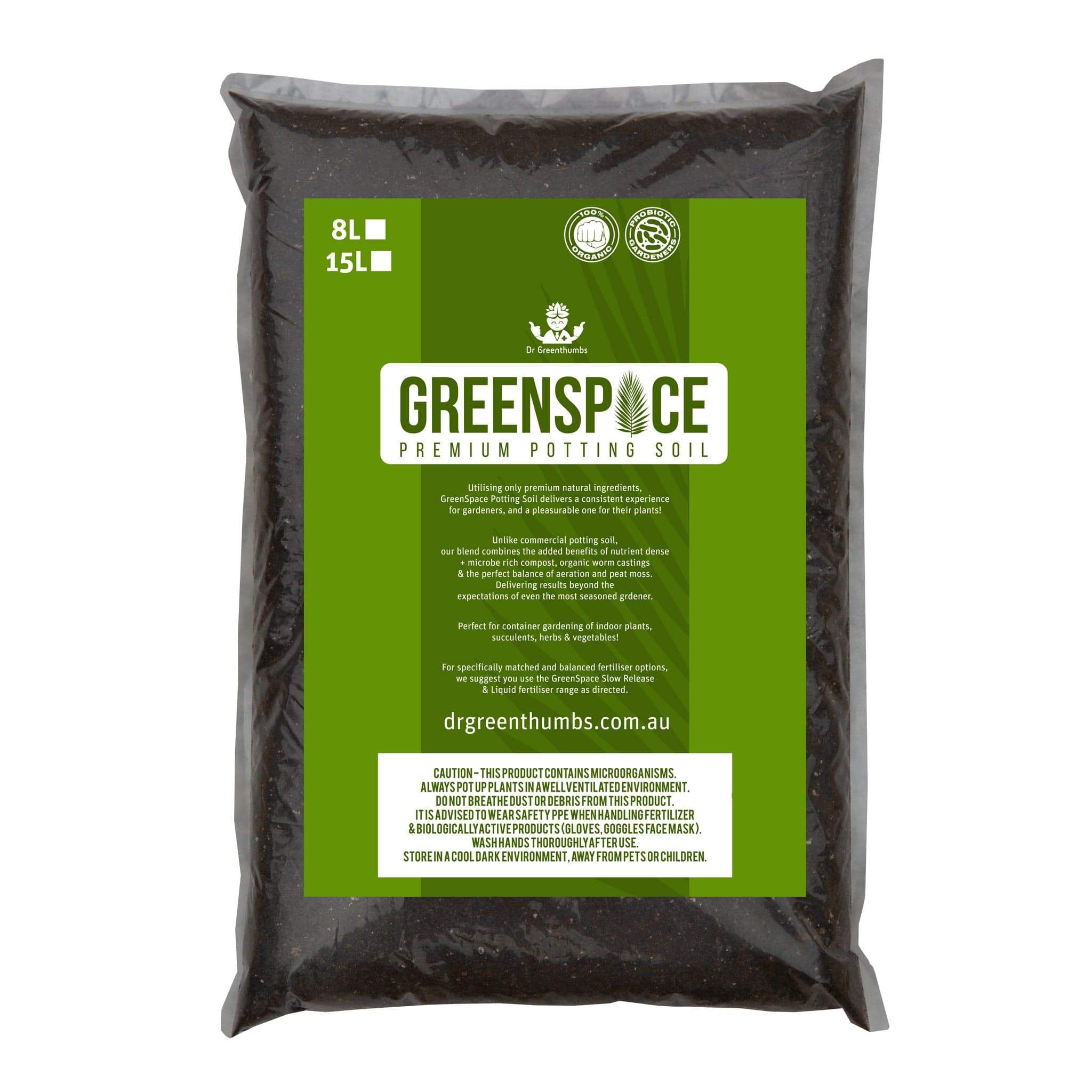
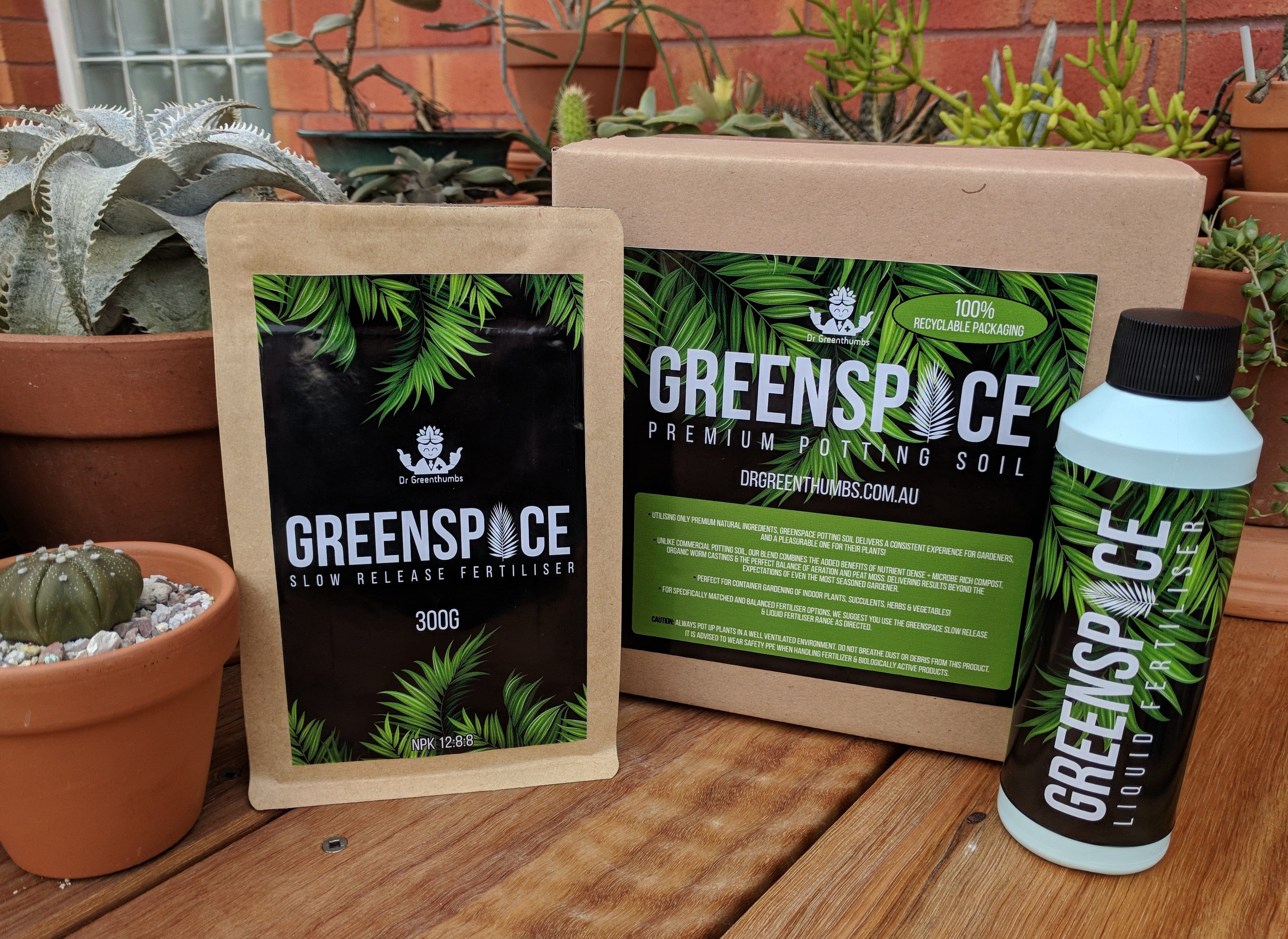
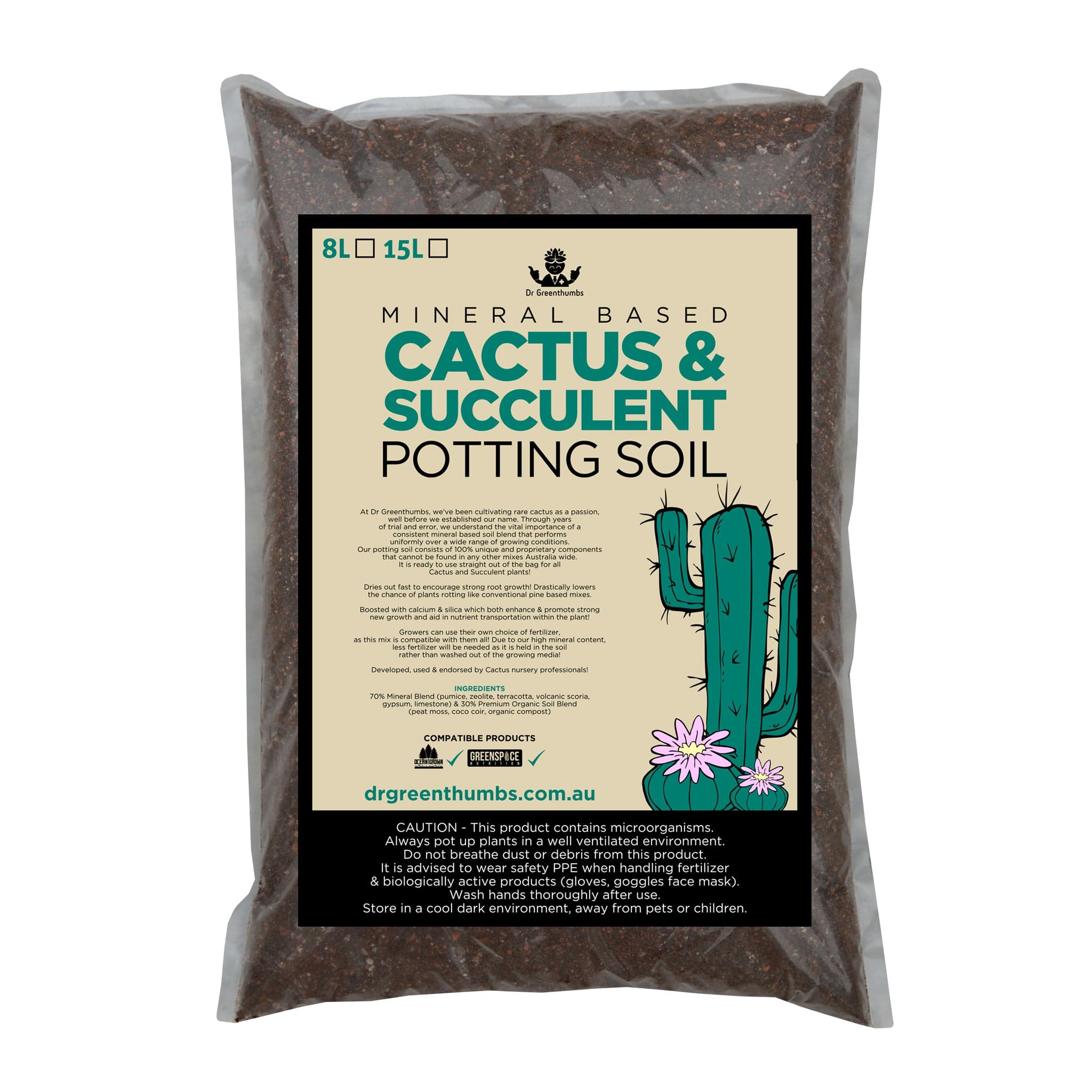
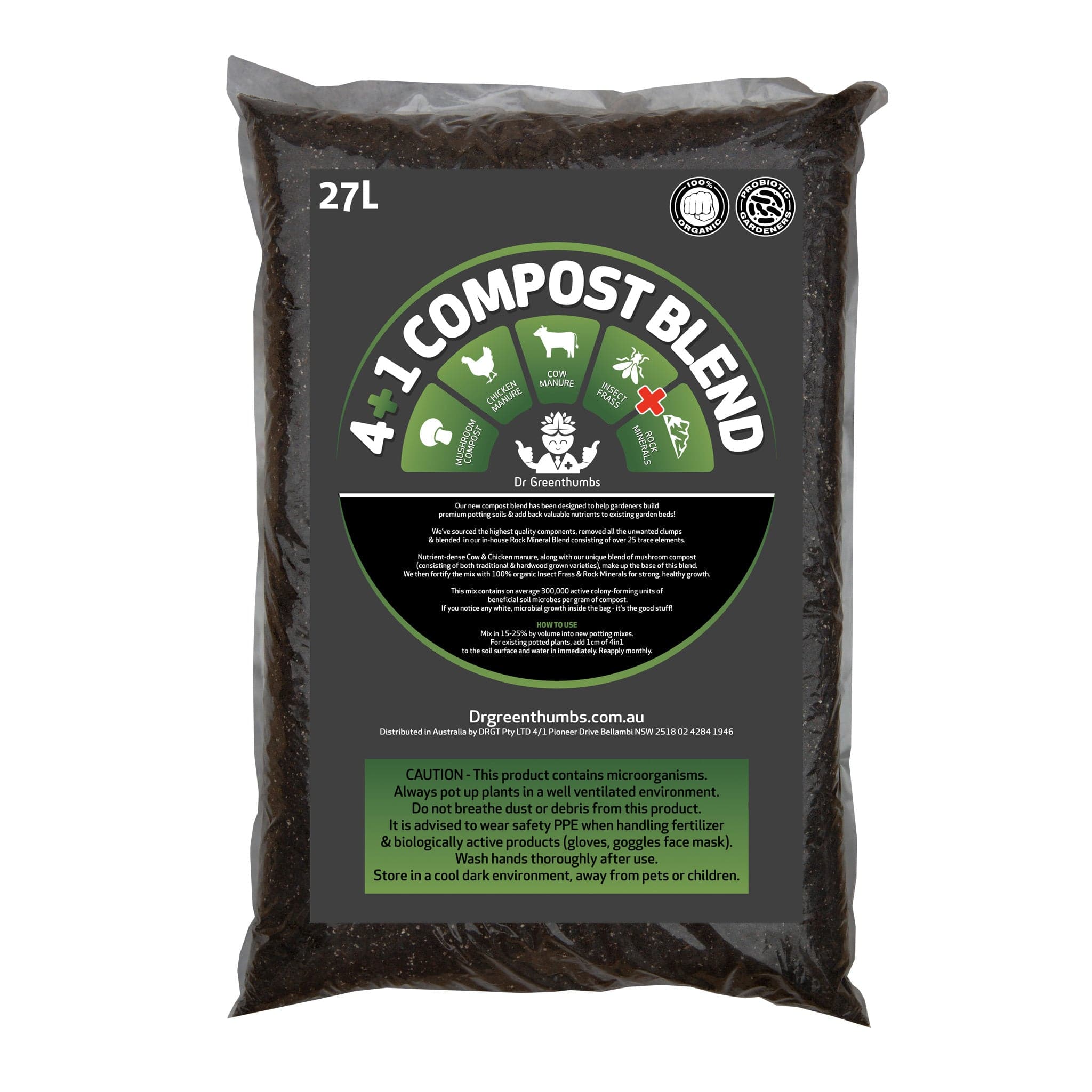
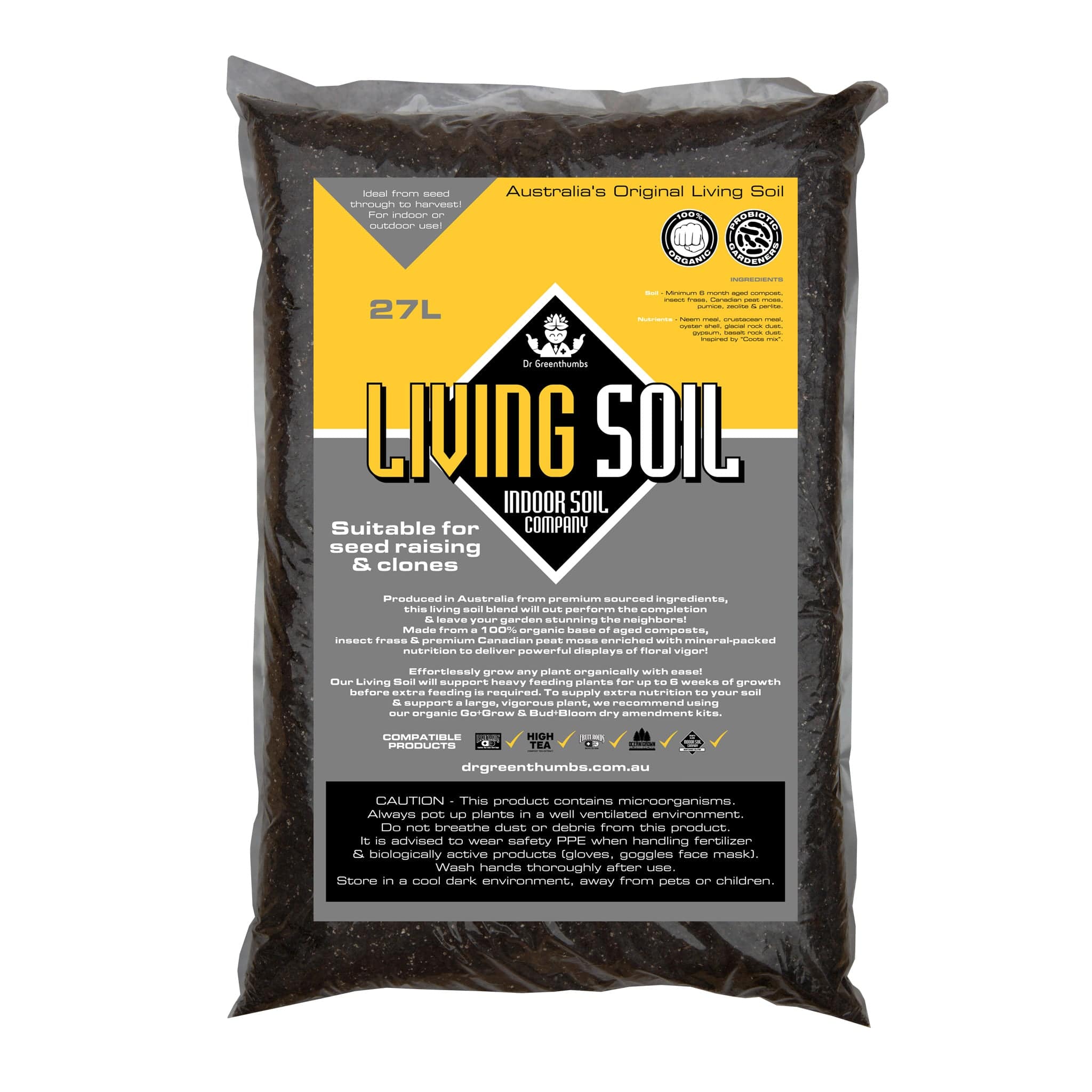
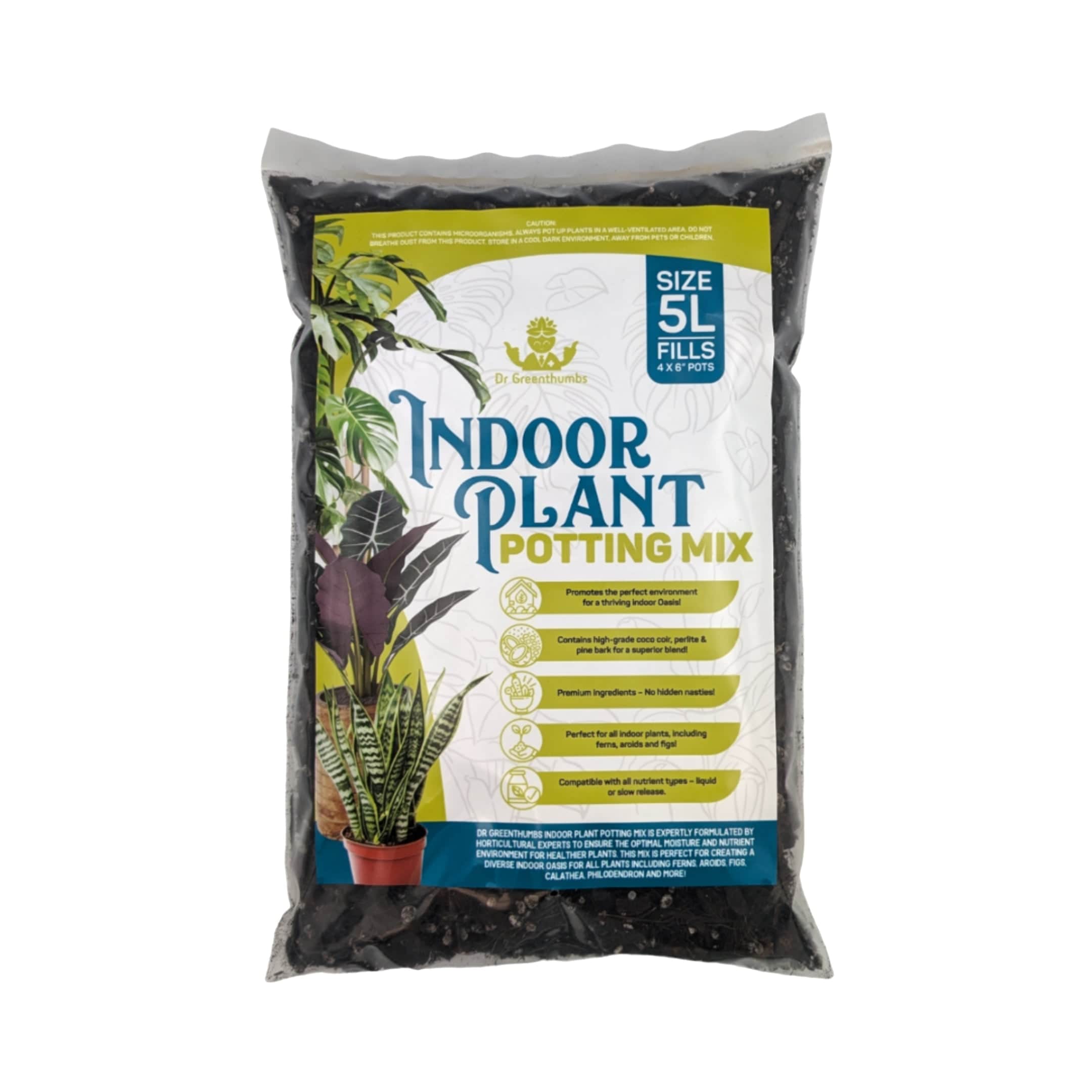
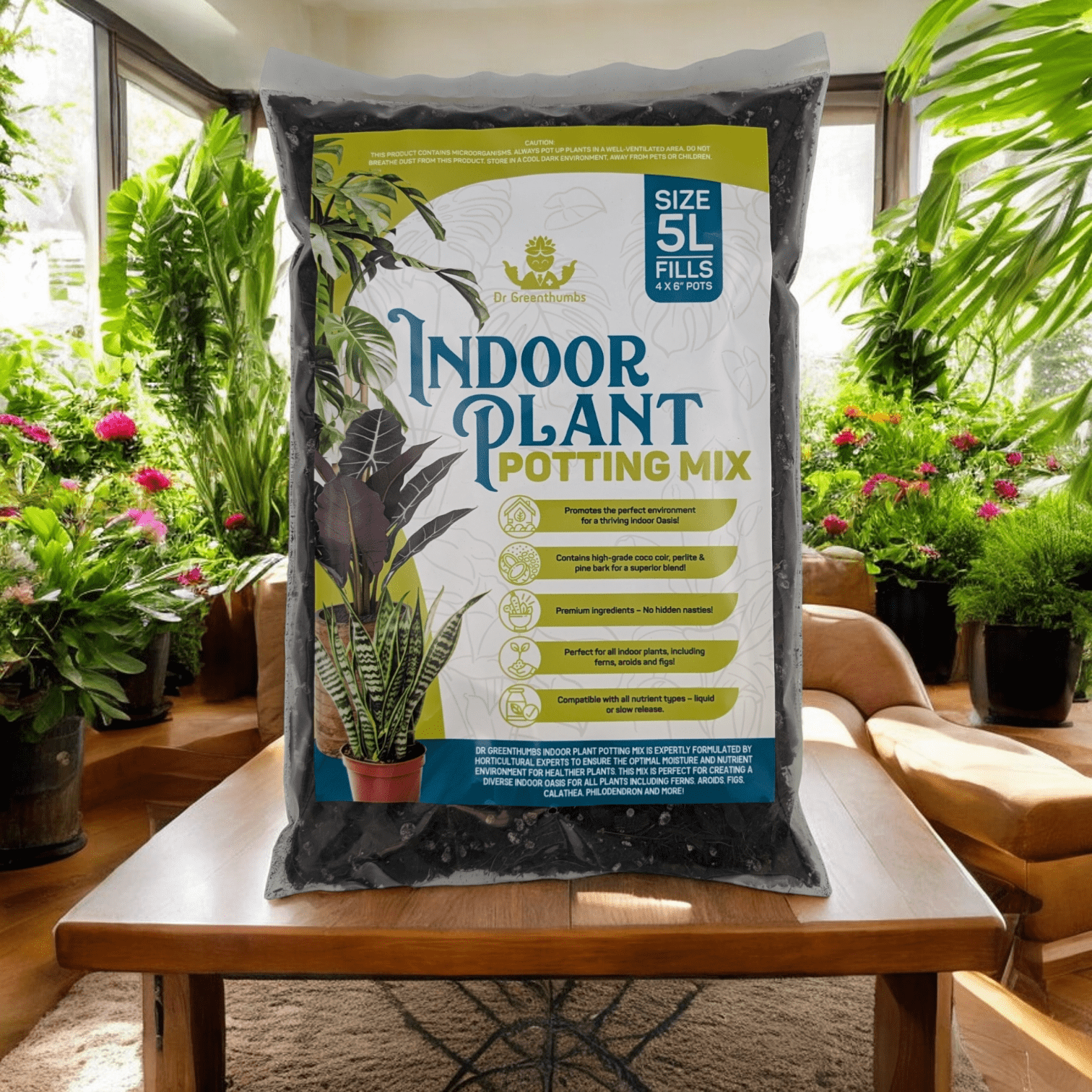
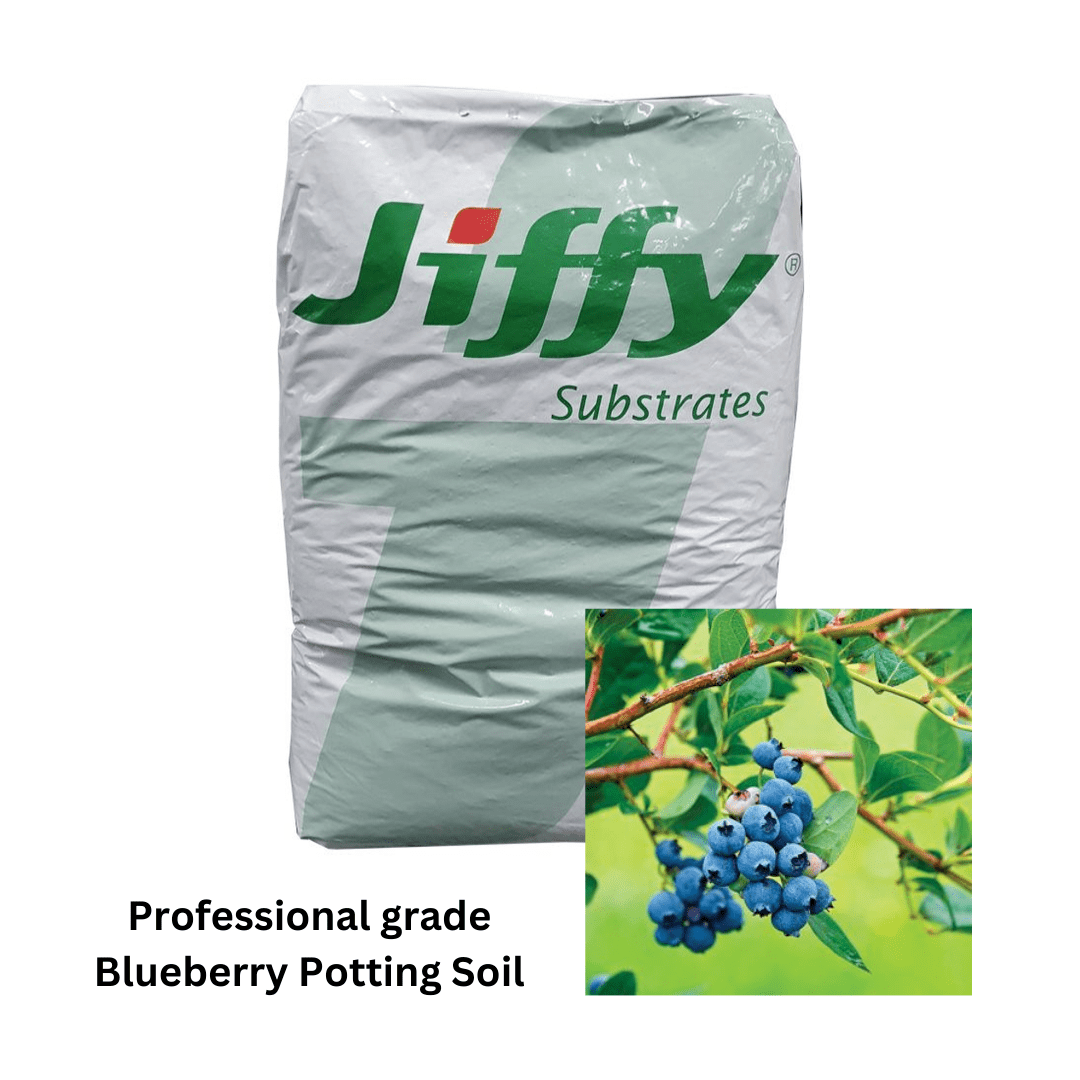
If you want the easiest way to get great results, these are the most reliable options for each use case:


What Is Potting Mix? (The Container Champion)
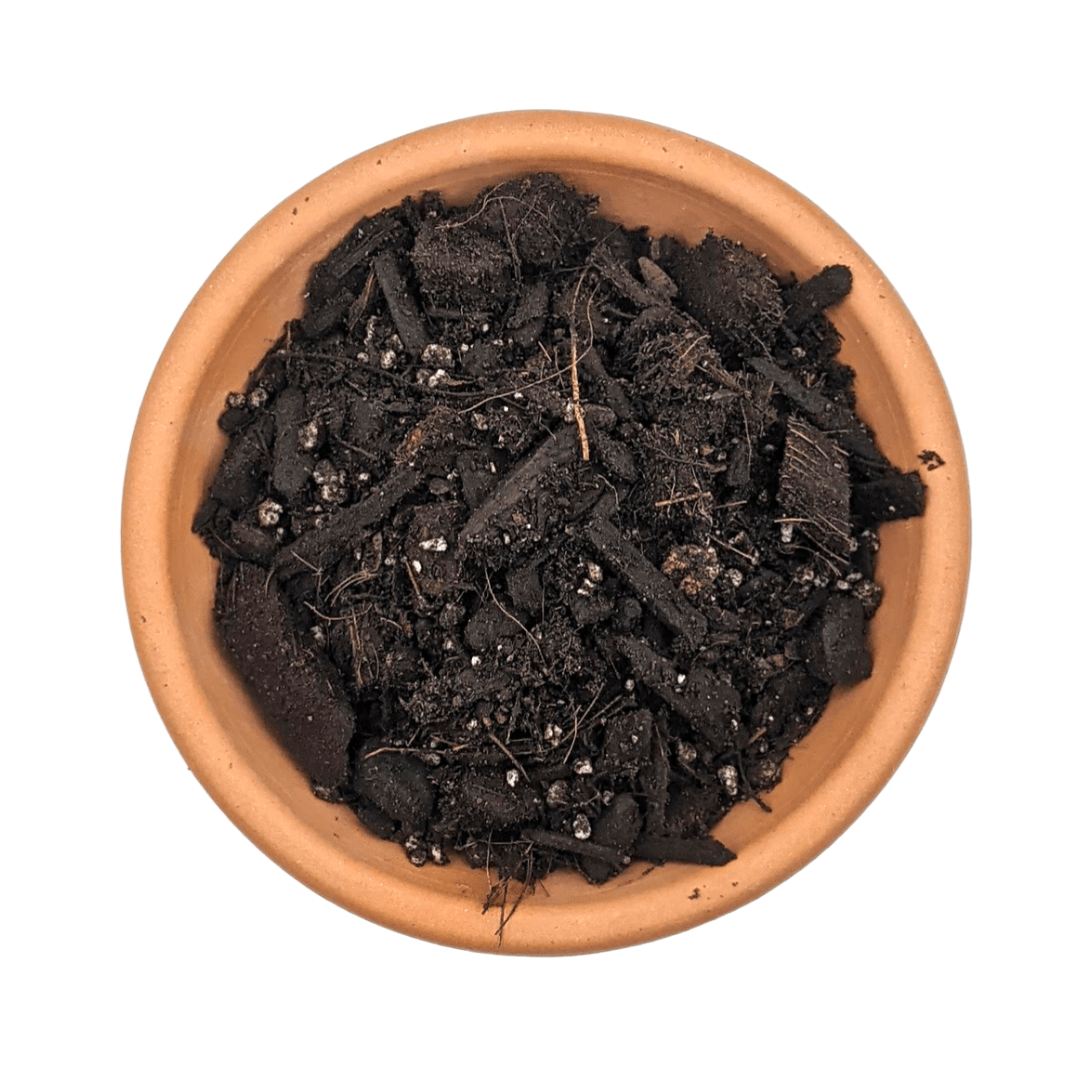
Think of potting mix as the high-performance athlete of growing mediums. It's a lightweight, engineered blend designed specifically for the unique challenges of container growing—which includes everything from your herb pots to raised veggie beds.
What Makes Quality Potting Mix Work:
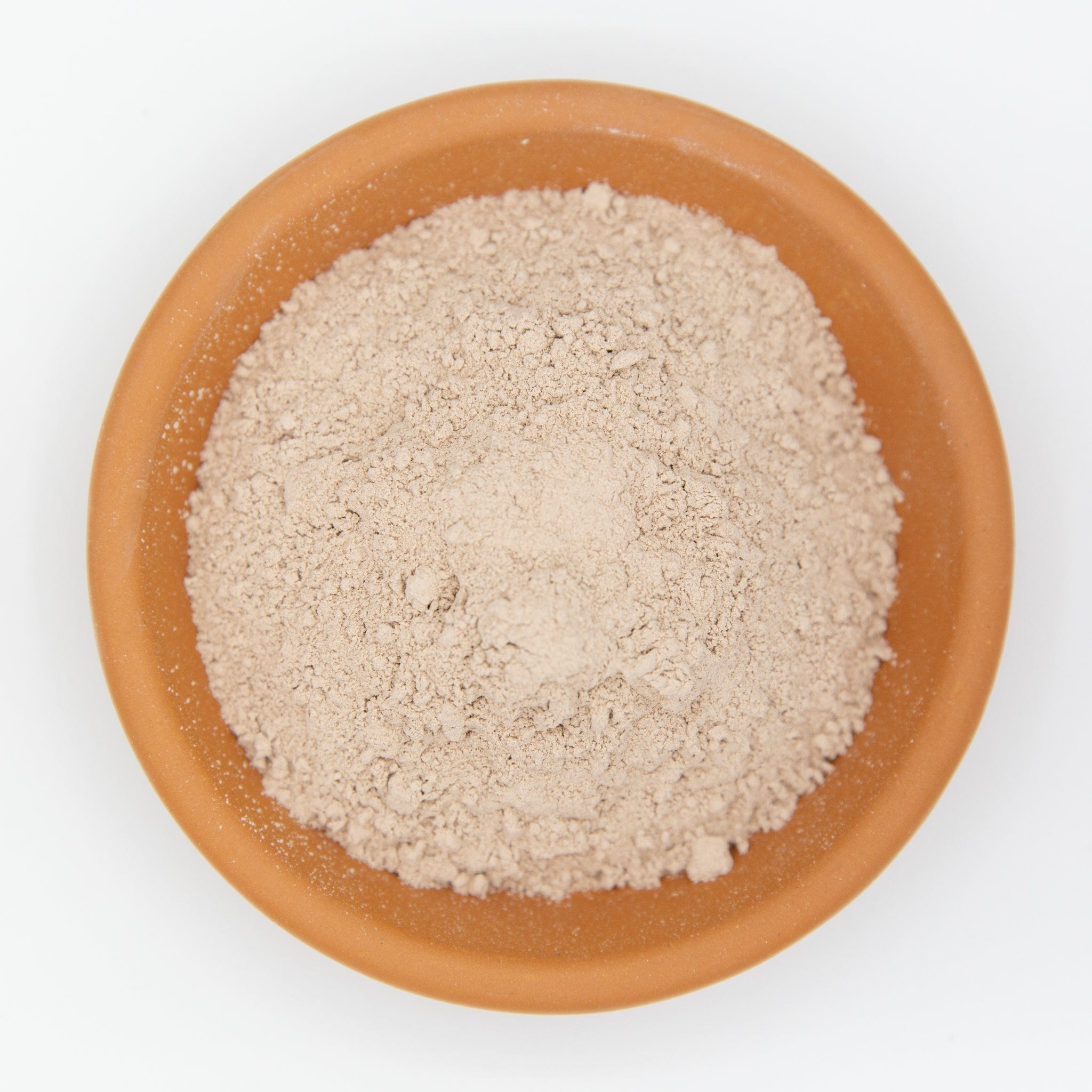
Aeration powerhouses: Pumice, perlite, vermiculite, or coconut coir create those crucial air pockets
Living organic matter: Quality compost, peat moss, or sustainable bark fines
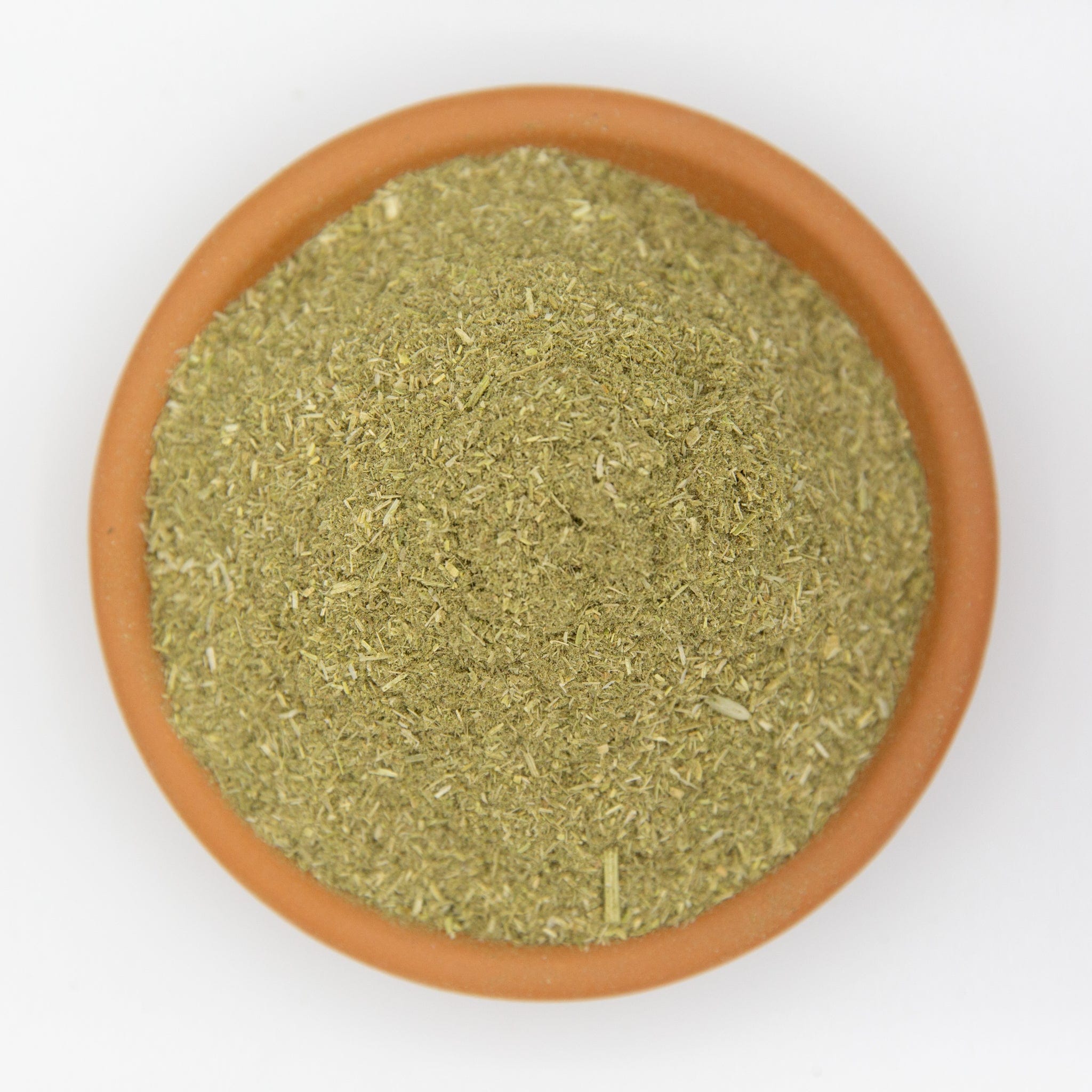
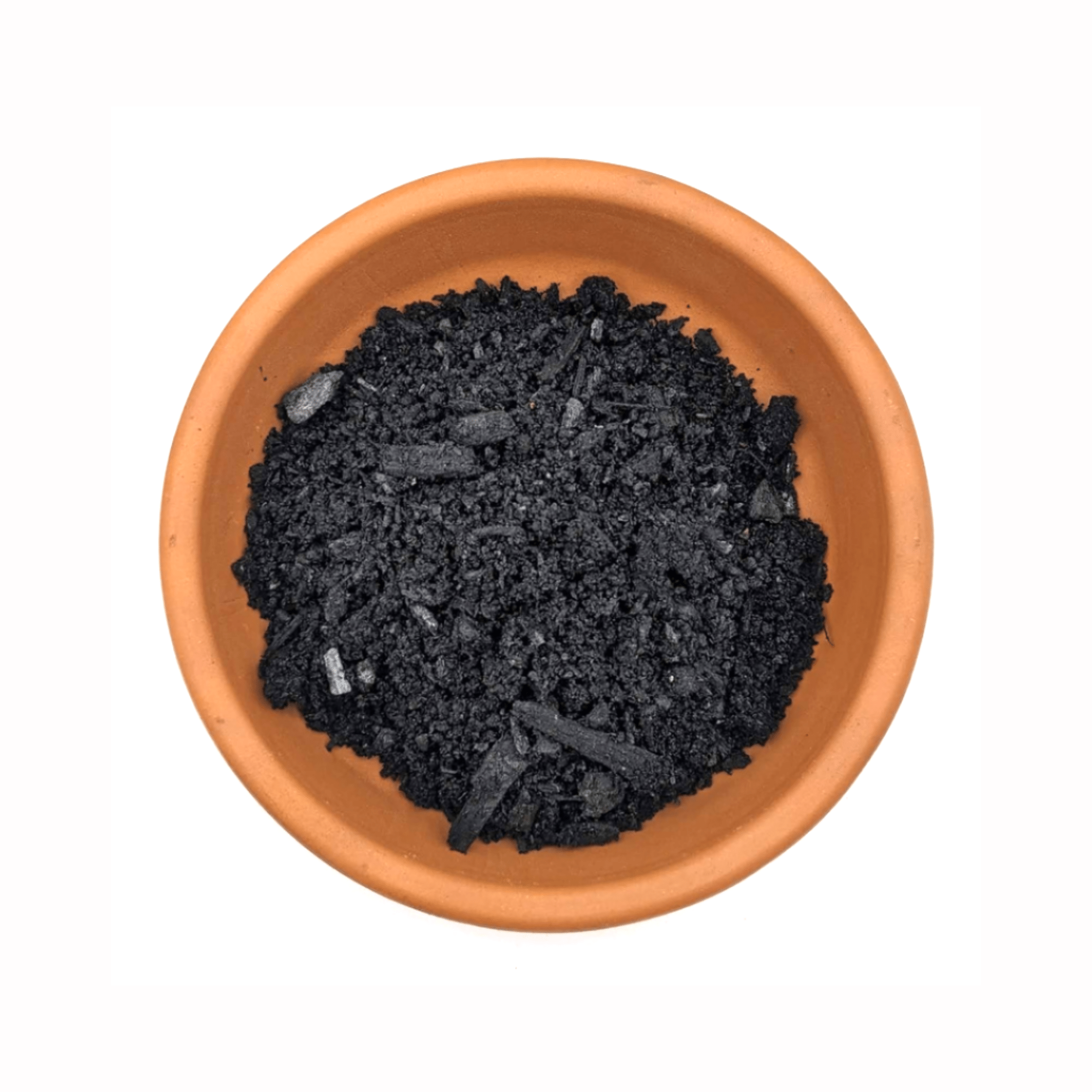
The secret sauce: Premium blends include beneficial microbes, slow-release organic fertiliser, and soil-building biochar
A Note on Peat, Coir and Sustainable Ingredients
You’ll see more potting mixes marketed as peat-free or reduced-peat, and for good reason.
Peat improves water retention, but it’s slow to regenerate. Many modern mixes now rely more heavily on:
-
coconut coir
-
composted bark
-
renewable organic materials
If sustainability matters to you, check the ingredient list. A good potting mix doesn’t rely on peat alone — structure, biology, and balance matter more than any single ingredient.
Why Potting Mix Works So Well in Containers
✅ Drainage that saves lives: Prevents the waterlogged death that kills more container plants than pests and diseases combined
✅ Oxygen-rich environment: Roots can actually breathe—critical in confined spaces where they can't spread out like in nature
✅ Clean and consistent: Quality potting mixes use controlled ingredients that help reduce weed contamination and unwanted pest or disease pressure.
✅ Nutrition support: Many quality potting mixes include added fertiliser or organic nutrition, but the amount and duration vary, so always check the label.
Here's the Aussie reality: Our intense UV, unpredictable rainfall and temperature swings can put extra stress on container plants. A well-structured potting mix helps balance drainage, aeration and moisture retention under those conditions.
How to Read Potting Mix Labels in Australia
Not all potting mixes are created equal, and the bag tells you more than most people realise.
In Australia, look for the Australian Standard (AS 3743) marking. This sets the minimum quality benchmark — things like drainage, structure, and basic performance.
You’ll often see:
-
Red tick — premium grade
-
Black tick — standard grade
Both meet the standard, but premium mixes generally offer better consistency, structure, and longevity.
Beyond the tick, scan for:
-
clear ingredient listings (not just “organic matter”)
-
information on fertiliser duration
-
mention of wetting agents or moisture control
Think of the standard as the entry ticket — the real value is in what the mix is actually made from.
Price alone doesn't tell you whether a potting mix is good or bad. Properly processed bark can be a useful structural ingredient, so the presence of bark itself isn't the problem. Be more cautious of coarse or bark-dominated mixes with poor structure, unclear ingredients or little nutritional support. Use the label and ingredient list to judge what you're actually buying.
Safe Handling of Potting Mix
It doesn’t come up often, but it’s worth doing right.
When handling dry potting mix:
-
wear gloves
-
avoid breathing in dust
-
dampen the mix before use
-
wash hands afterwards
This is especially important on hot, windy days when fine particles become airborne. Simple precautions go a long way.
Garden Soil: The In-Ground Champion
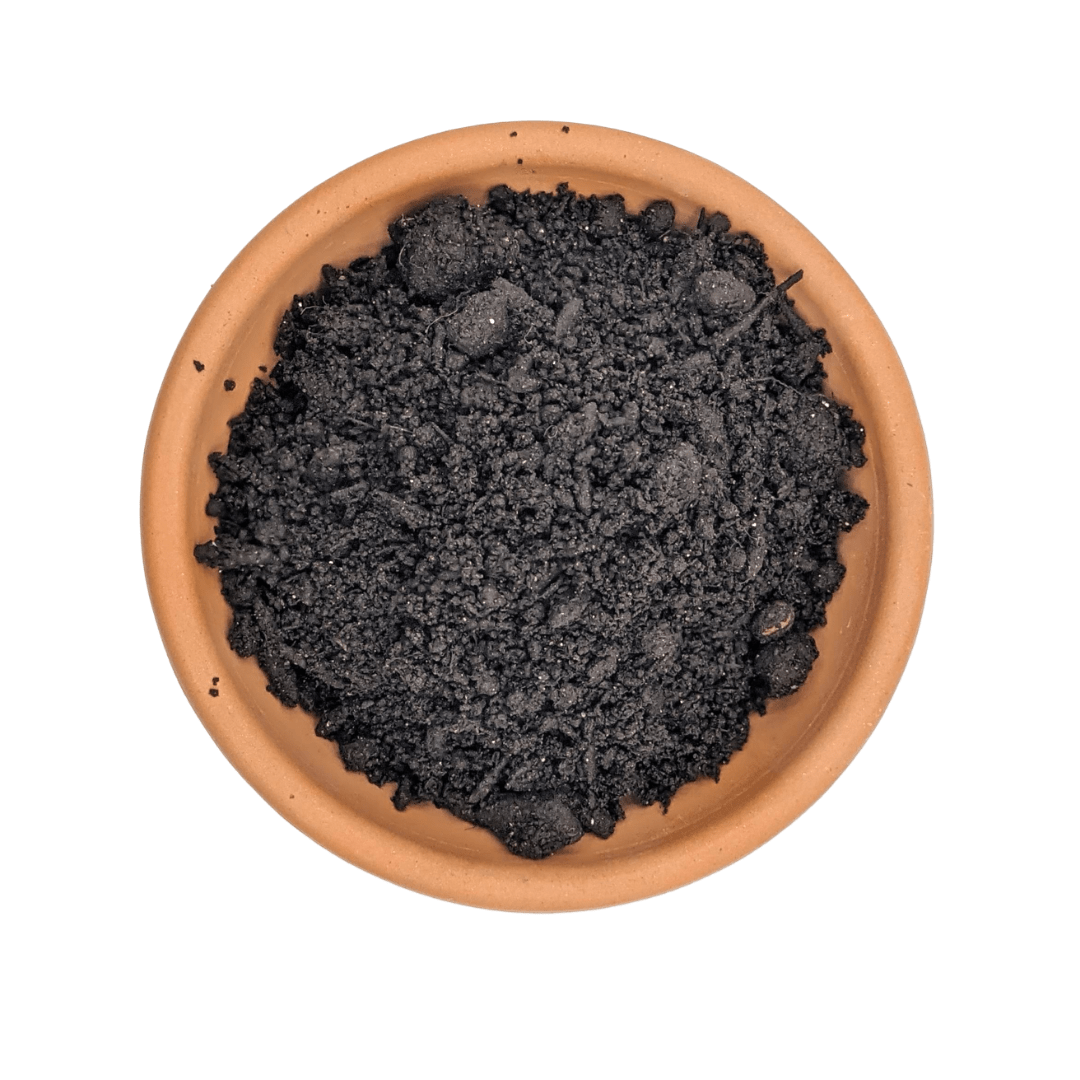
Garden soil is your native topsoil—what's actually in your yard right now. In the best-case scenario, it's rich, living earth that's been building for decades. In reality? Well, let's just say Australian soil conditions can be... challenging.
What Garden Soil Brings to the Table:
- Natural mineral particles (sand, silt, clay—the ratios vary wildly across Australia)
- Organic material (if you're lucky and haven't been dealing with builder's sand)
- Living soil community (earthworms, beneficial fungi, and microbial life)
- Sometimes unwanted extras (compaction, weeds, construction debris, or pH imbalances)
When Garden Soil Shines:
- Direct ground planting: Trees, shrubs, established perennial beds
- Large in-ground veggie patches where you can improve soil over time
- Blended with quality amendments like compost, gypsum, or biochar
But here's where many Aussie gardeners get stuck: Our native soils often need serious help. Clay soils that turn rock-hard in summer, sandy soils that drain too fast, or depleted soils from years of conventional gardening practices.
Test before you guess. If you're improving existing garden soil, checking its pH and nutrient status can help you choose the right amendments instead of treating every clay, sandy or depleted soil the same way. A simple soil pH test takes the guesswork out.
Potting Mix vs Garden Soil: Which Should You Use?
|
Your Project |
Use Potting Mix |
Use Garden Soil |
|---|---|---|
|
Pots, containers, hanging baskets |
✅ Always |
❌ Recipe for disaster |
|
Raised beds (30cm deep or less) |
✅ Best choice* |
⚠️ Only if heavily amended |
|
In-ground garden beds |
❌ Too expensive + drains too fast |
✅ With proper preparation |
|
Starting seedlings |
✅ Use seed-starting blend |
❌ Too heavy and unpredictable |
|
Improving existing poor soil |
❌ Wrong tool for the job |
✅ Plus amendments |
Raised beds are not all the same. For shallow raised beds around 30 cm deep or less, use a lighter, well-aerated growing medium. In large or deep raised beds, garden soil can form part of a structured blend with potting mix or suitable amendments, provided drainage and aeration are maintained.
And if you’re growing heavy feeders like tomatoes, don’t miss The Secret to Tomato Success? It's All in the Potting Mix You Use—because the right medium is half the battle.
When Should You Use Seed Raising Mix Instead of Potting Mix?
Seed raising mix is designed for one job only — getting seeds up and going. It’s lighter, finer, and far lower in nutrients than standard potting mix. That’s on purpose.
Young seedlings don’t need “rich” soil. They need:
-
consistent moisture
-
good airflow around tiny roots
-
minimal resistance as roots emerge
A regular potting mix can actually work against germination. Some are too coarse, some hold water unevenly, and many contain fertiliser levels that are perfectly fine for established plants — but stressful for brand-new roots.
Garden soil, on the other hand, is far too dense and unpredictable for seed trays. It compacts easily, drains poorly in shallow containers, and can carry pathogens that wipe out seedlings before they’ve had a chance.
Once seedlings are established, then they graduate into a quality potting mix or the garden.
Why Potting Mix Sometimes Repels Water
Ever watered a pot only to watch the water run straight through — or pool on top and refuse to soak in?
That’s hydrophobic potting mix, and it’s common in Australian heat.
When potting mix dries out completely, organic particles can repel water instead of absorbing it. From the outside it looks watered, but the root zone stays bone dry.
How to fix it:
-
water slowly, in stages
-
soak the pot in a tray or bucket
-
rehydrate dry mix before planting
-
use a quality wetting agent if needed
This isn’t a sign of bad potting mix — it’s a sign it’s been allowed to dry out too far.
Can You Mix Potting Mix and Garden Soil?
Sometimes. Carefully. And only in the right situation.
In large raised beds or very big planters, blending potting mix with garden soil can work. Done properly, it can:
-
reduce cost
-
improve structure
-
help retain moisture in hot weather
But this only works when there’s enough depth for roots to breathe and excess water to drain away.
Where mixing causes trouble is in small pots and containers. In these confined spaces, adding garden soil increases the risk of compaction, reduced aeration and slower drainage.
Safe guideline:
-
✔ Large raised beds or deep planters: blending can work
-
✖ Small pots, hanging baskets, tubs: stick to potting mix only
What to Do With Leftover Soil or Potting Mix
Got half a bag left over? Don’t waste it.
Old potting mix can be:
-
refreshed with compost or worm castings
-
re-aerated with mineral amendments
-
added to garden beds as a soil conditioner
-
composted and reused later
What you don’t want to do is tip spent mix straight back into pots without improving it. Structure breaks down over time — a quick refresh makes all the difference.
FAQ
Can I use garden soil in pots if I improve drainage?
Even with sand or gravel added, garden soil still compacts in containers. It’s not just about drainage — roots also need oxygen. Potting mix is built for that.
Does potting mix already contain nutrients?
Many potting mixes include added nutrition, but the type, amount and duration vary between products. Some contain added fertiliser, while others rely more heavily on organic inputs. Check the label for the fertiliser type and expected feeding period.
Which is cheaper — potting mix or garden soil?
Garden soil is cheaper per cubic metre, which makes sense for in-ground beds. Potting mix costs more because it’s engineered for containers and includes materials that improve structure and drainage.
Can I reuse old potting mix?
Yes — but refresh it first. Remove old roots, restore aeration and add fresh organic matter before reusing it. See “What to Do With Leftover Soil or Potting Mix” above for the full process.
The Bottom Line
Match the growing medium to the job: use a purpose-built potting mix for containers, and improve existing garden soil with suitable compost and amendments where needed. The clearer the match between plant, place and growing medium, the fewer avoidable root-zone problems you create.
Explore Our Premium Growing Mediums →
Next Reads for Choosing Better Potting Mixes and Healthier Root Zones
Still deciding what your plants should grow in? These guides will help you improve drainage, choose better potting media and avoid the root problems that come from using the wrong mix.
- How to Fix Poor Potting Soil
- Premium Potting Soil Australia
- Building the Best Soil for Your Potted Plants (Recipe Included)
- Fabric Pots vs Plastic: Root Health
About the Author