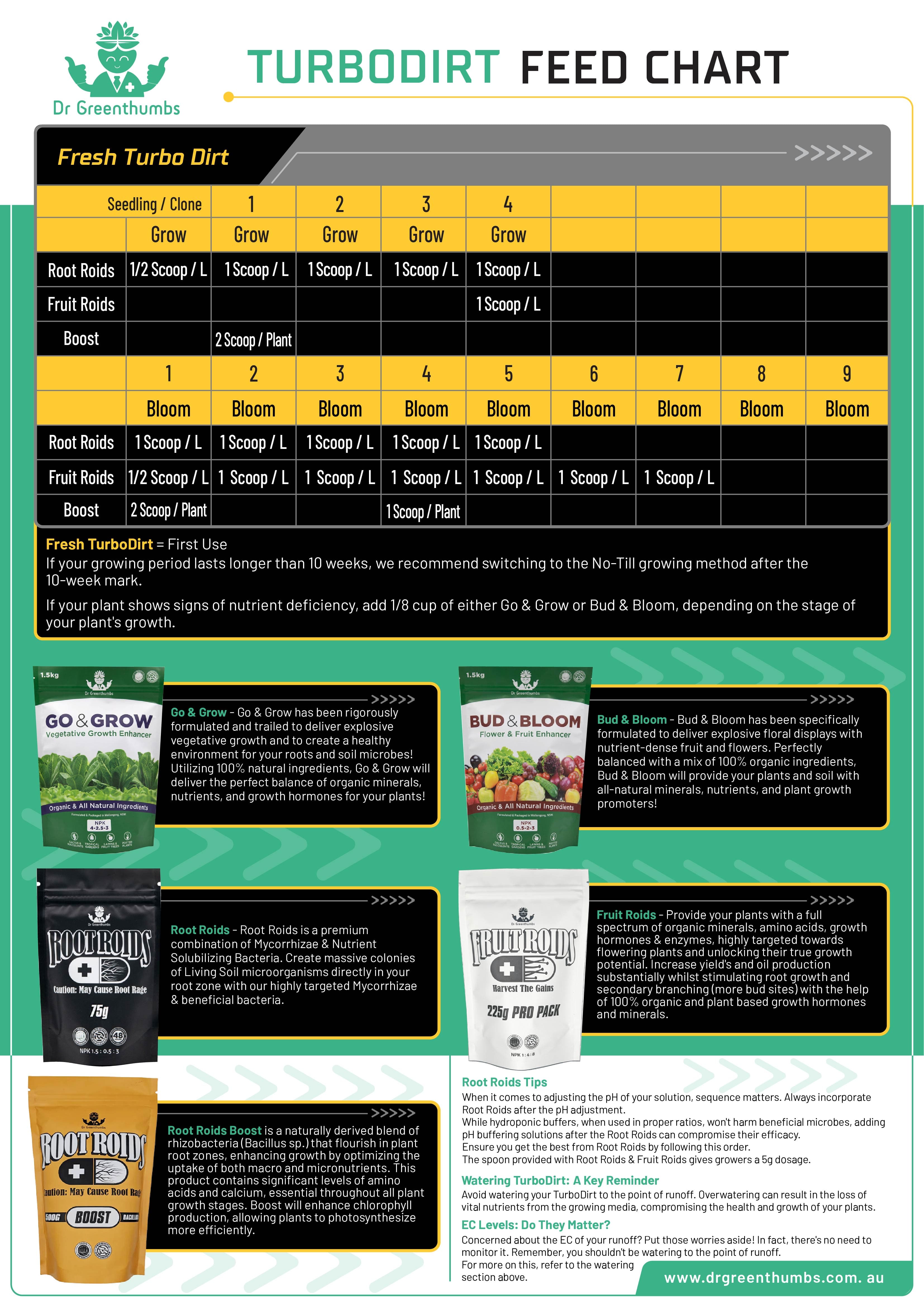

Growing medicinal plants with living soil is a wonderful way to produce your own natural medicines at home. It's not only sustainable and cost-effective, but it also allows you to have full control over the quality and purity of the plants you grow.
However, for those who are just starting, the process can seem overwhelming.
New to Growing Medicinal Plants? Start Here
If you’re completely new to growing medicinal plants, it helps to get a few basics right from the start. You don’t need a large garden or years of experience—just a simple setup and healthy soil.
A simple way to get started in under 30 minutes:
-
Choose a sunny spot that gets at least 4–6 hours of light
-
Decide whether you’re growing in the ground or containers
-
Use a quality organic soil mix (living soil works best)
-
Start with 2–3 easy herbs rather than too many at once
-
Water deeply, then let the soil partially dry between watering
Once those basics are in place, successful medicinal plant growing follows a predictable pattern:
choose the right plants → prepare the soil → plant correctly → maintain gently → harvest carefully → store properly.
That's why we've put together 10 essential tips for successfully growing medicinal plants with living soil. By following these tips, you'll be well on your way to a bountiful harvest of healthy and vibrant plants.
Table of Contents
- Choosing the Right Medicinal Plant
- Understanding Living Soil
- Starting with Quality Seeds or Cuttings
- Providing Proper Light
- Ensuring Adequate Watering and Drainage
- Fertilizing with Organic Nutrients
- Managing Pests and Diseases Naturally
- Proper Harvesting and Drying Techniques
- Storing Medicinal Plants
- Important Safety Notes
- FAQ
- Next reads for growing healthier medicinal plants naturally
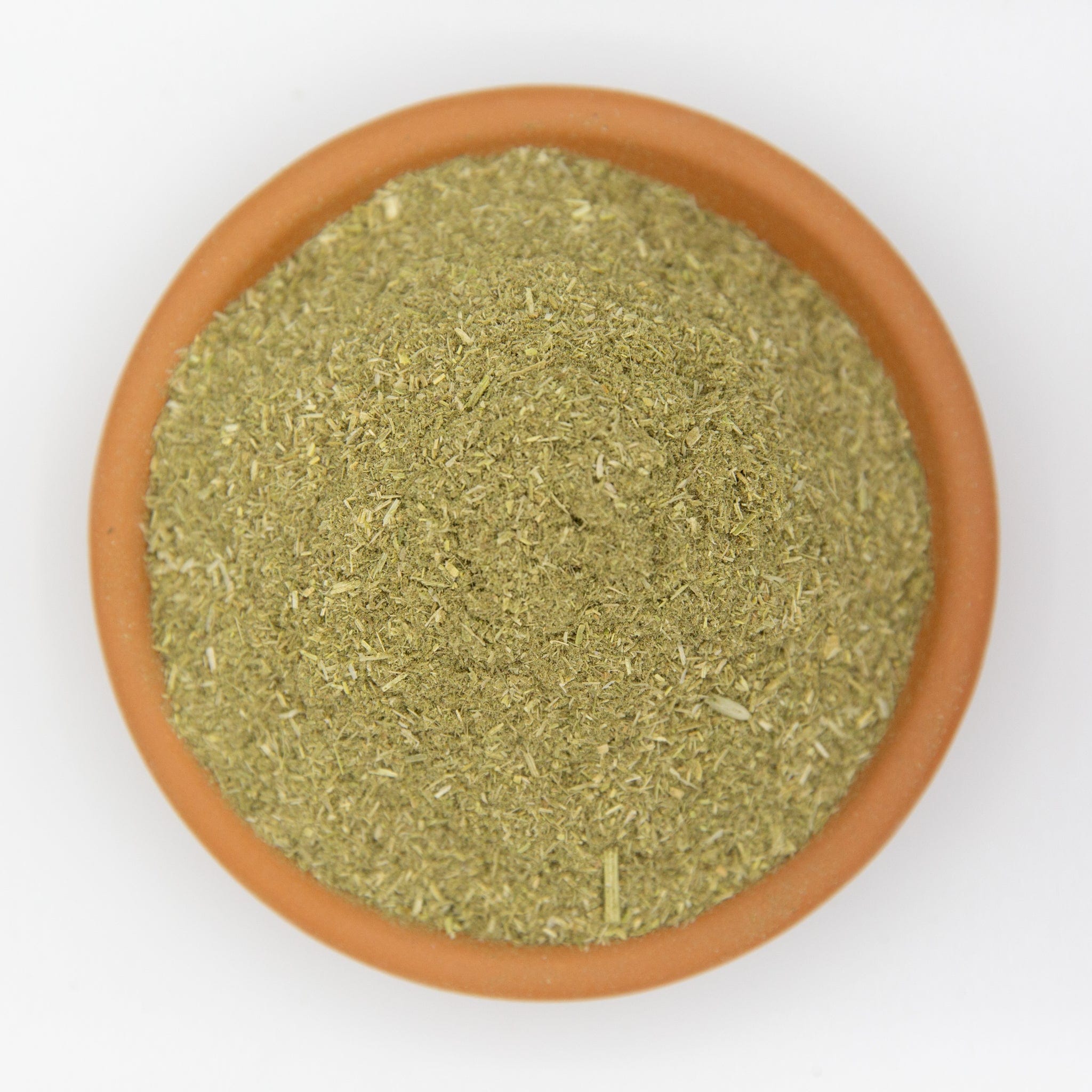
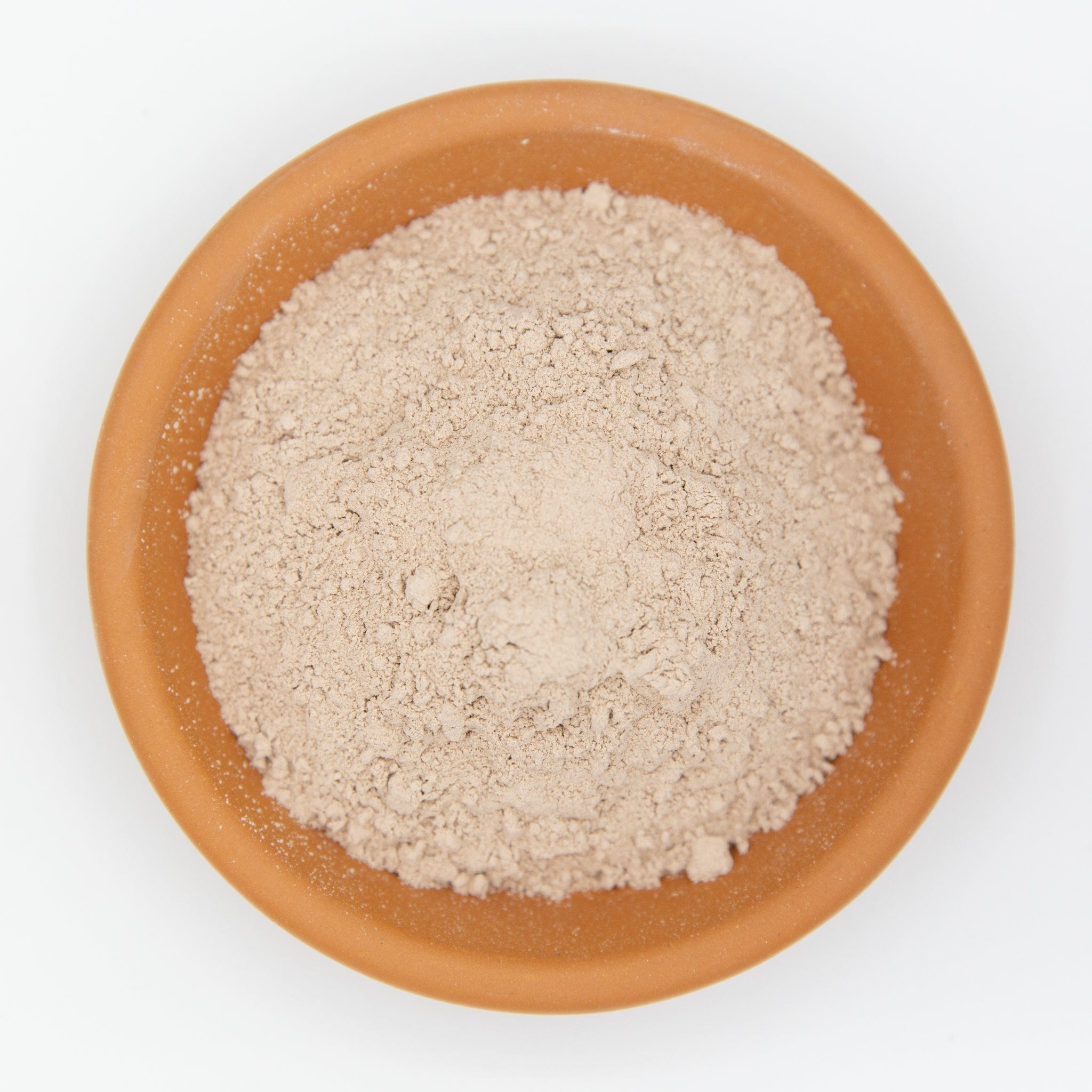
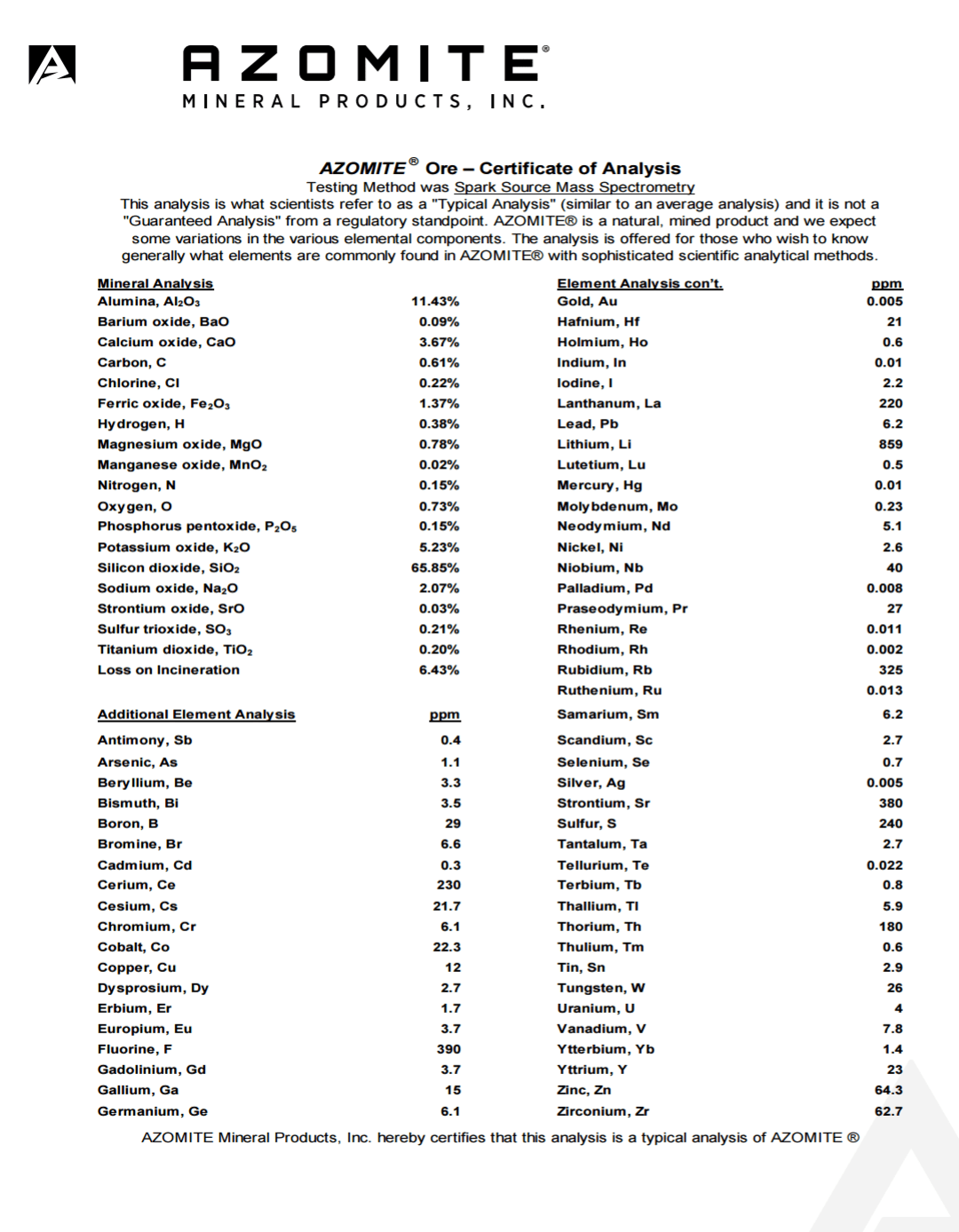
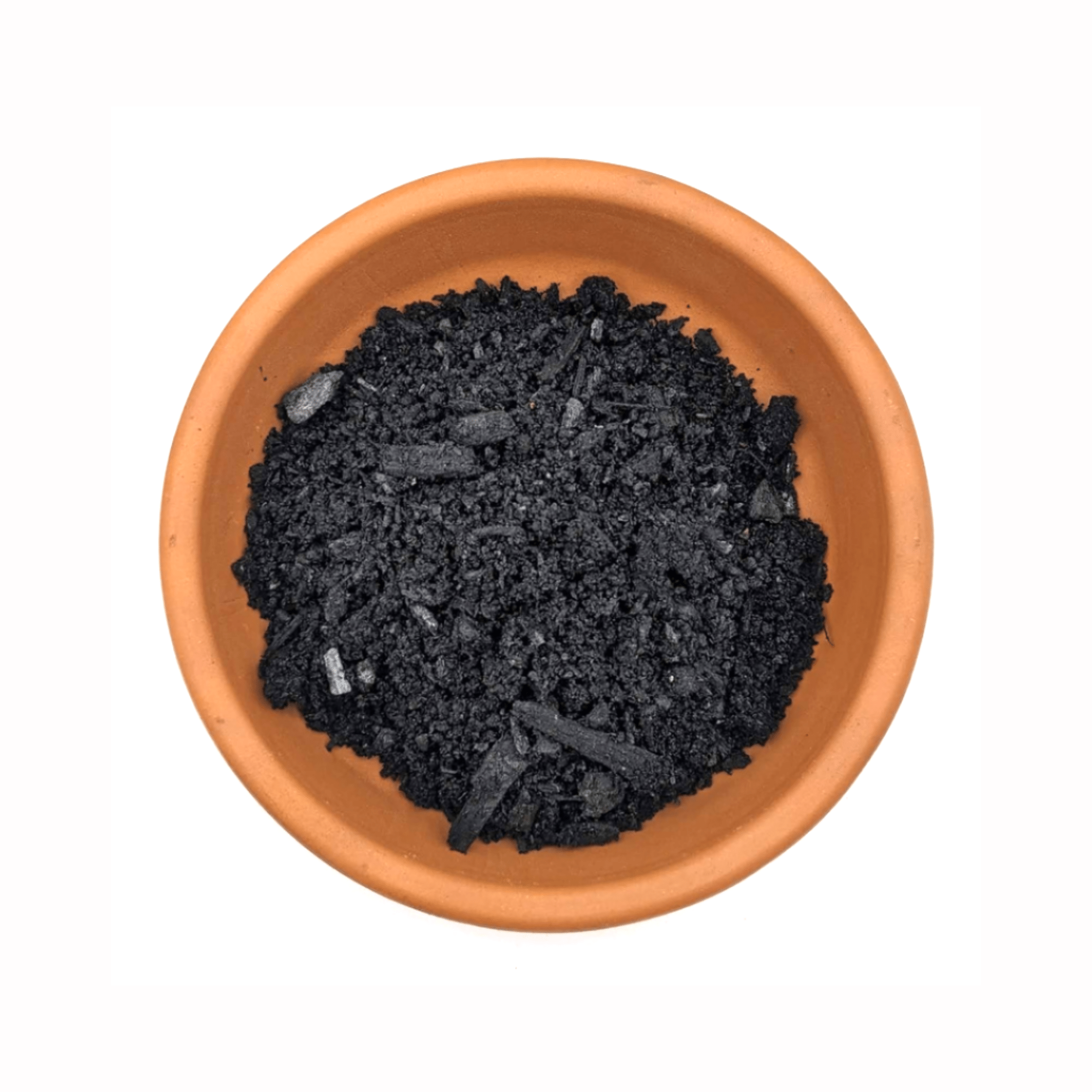
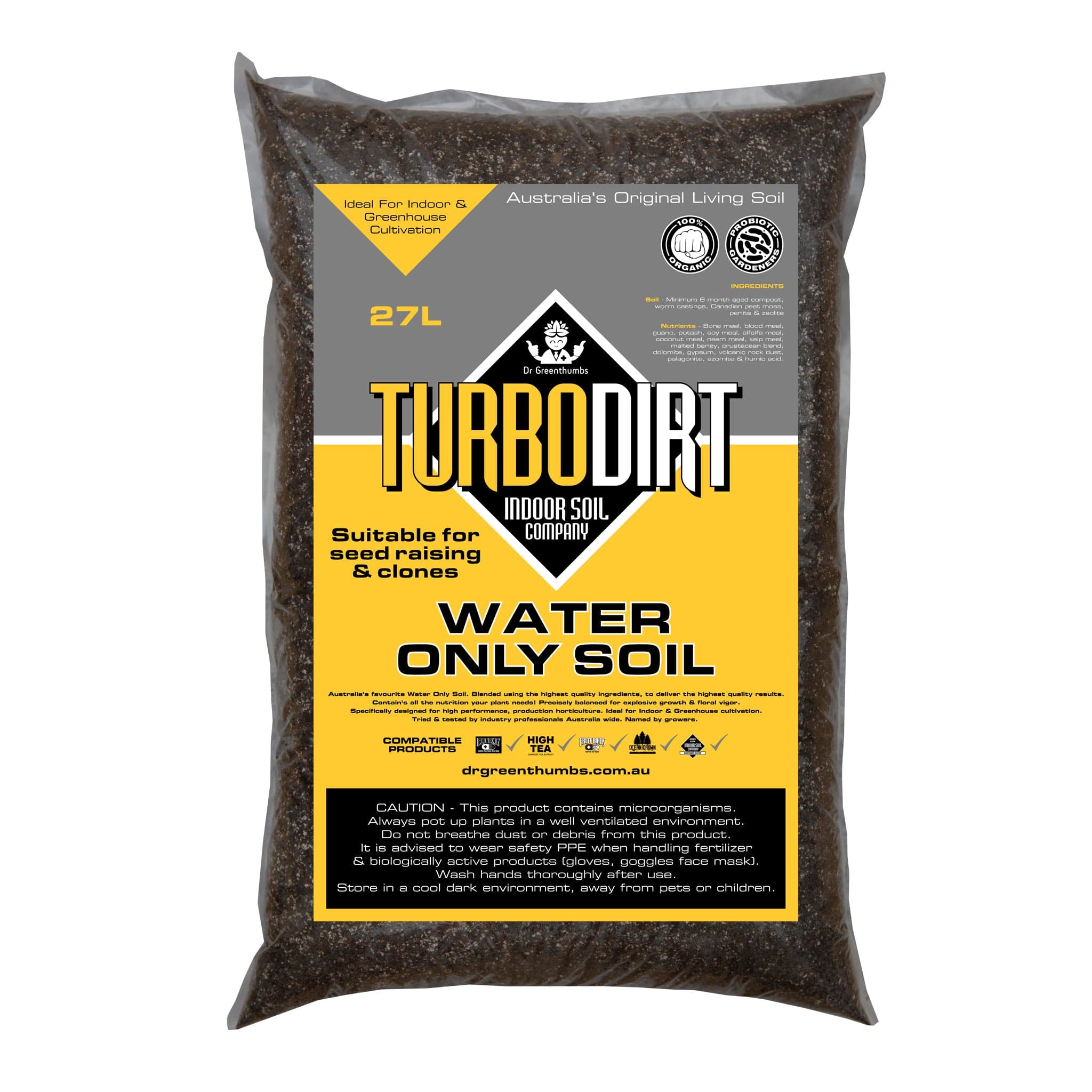
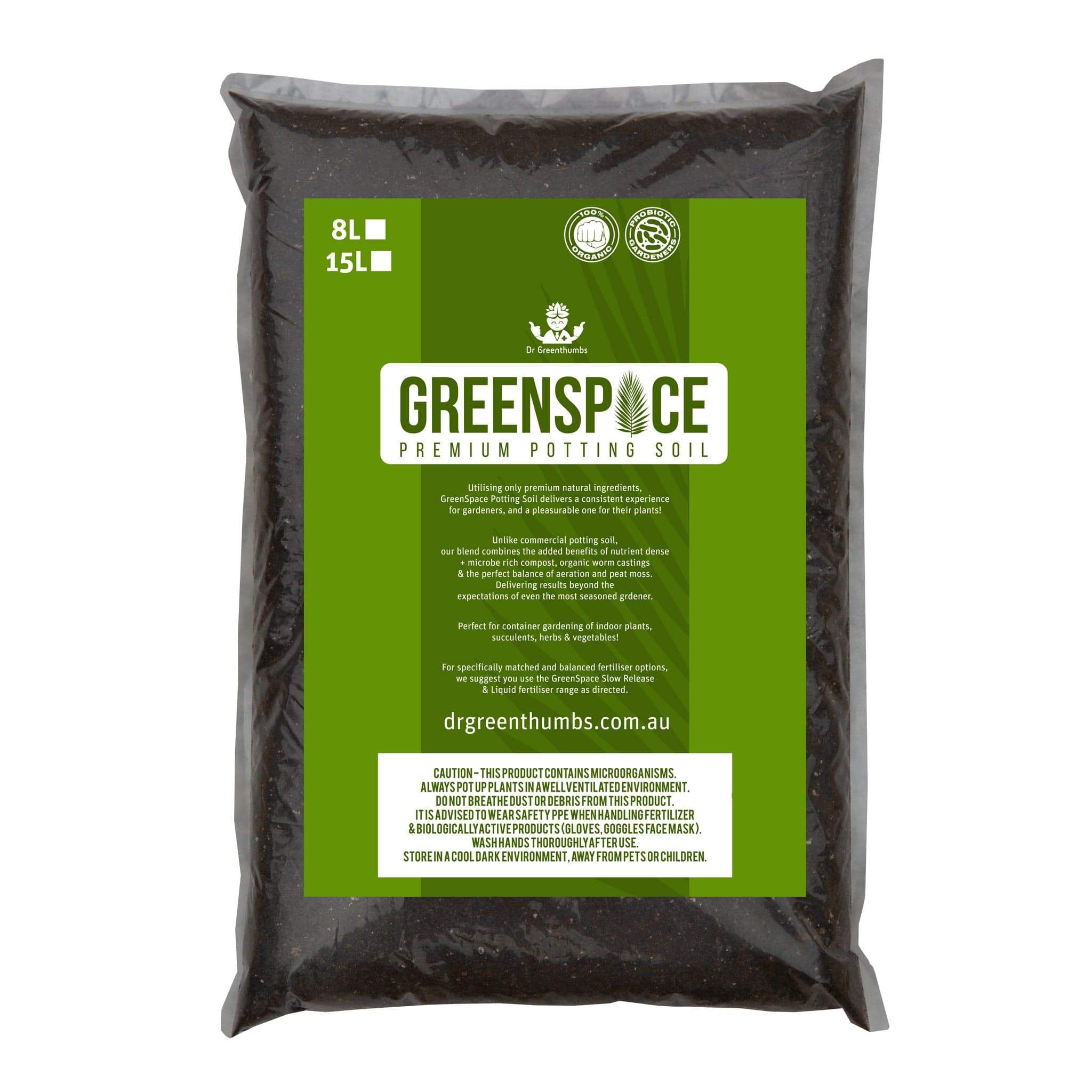
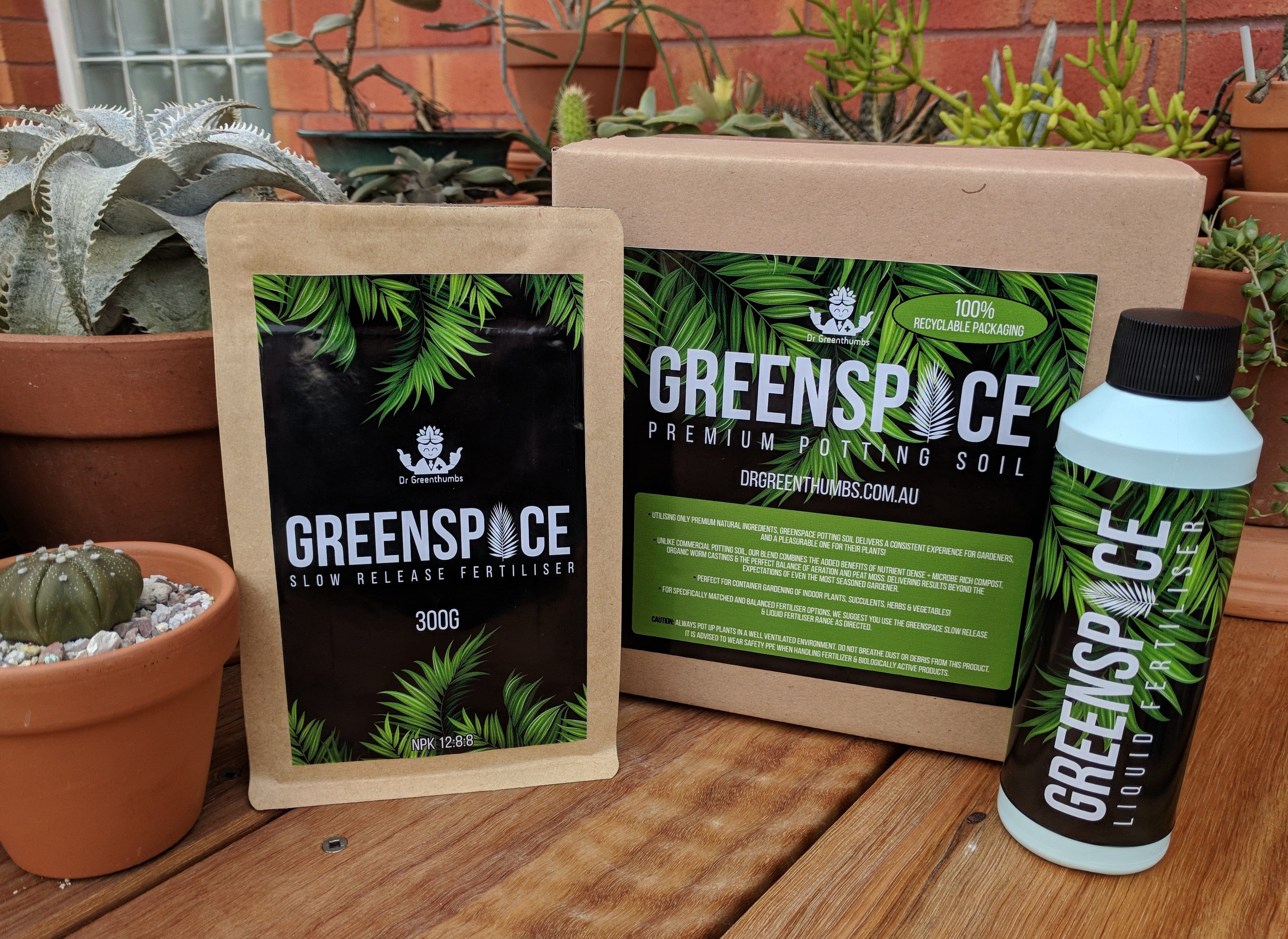
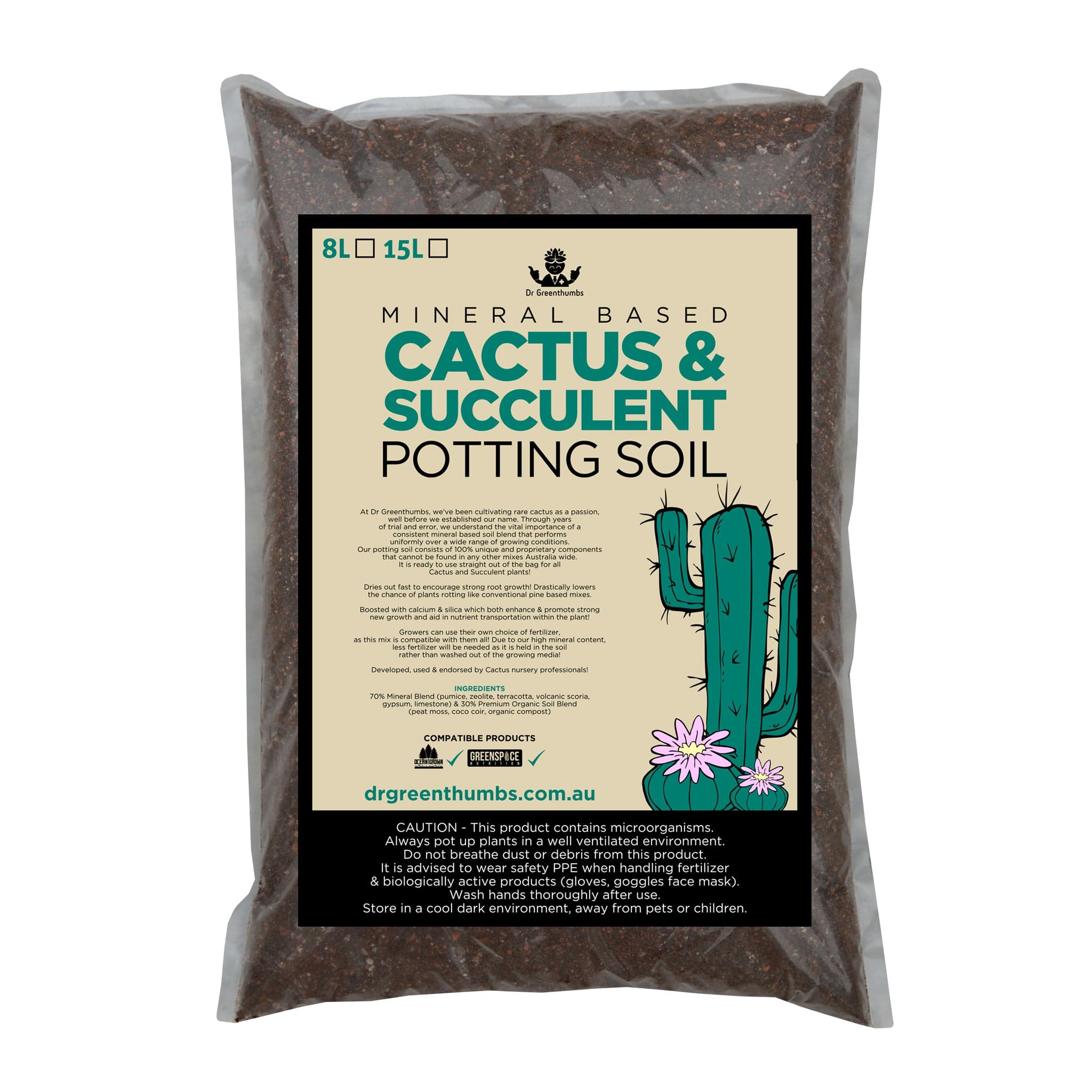
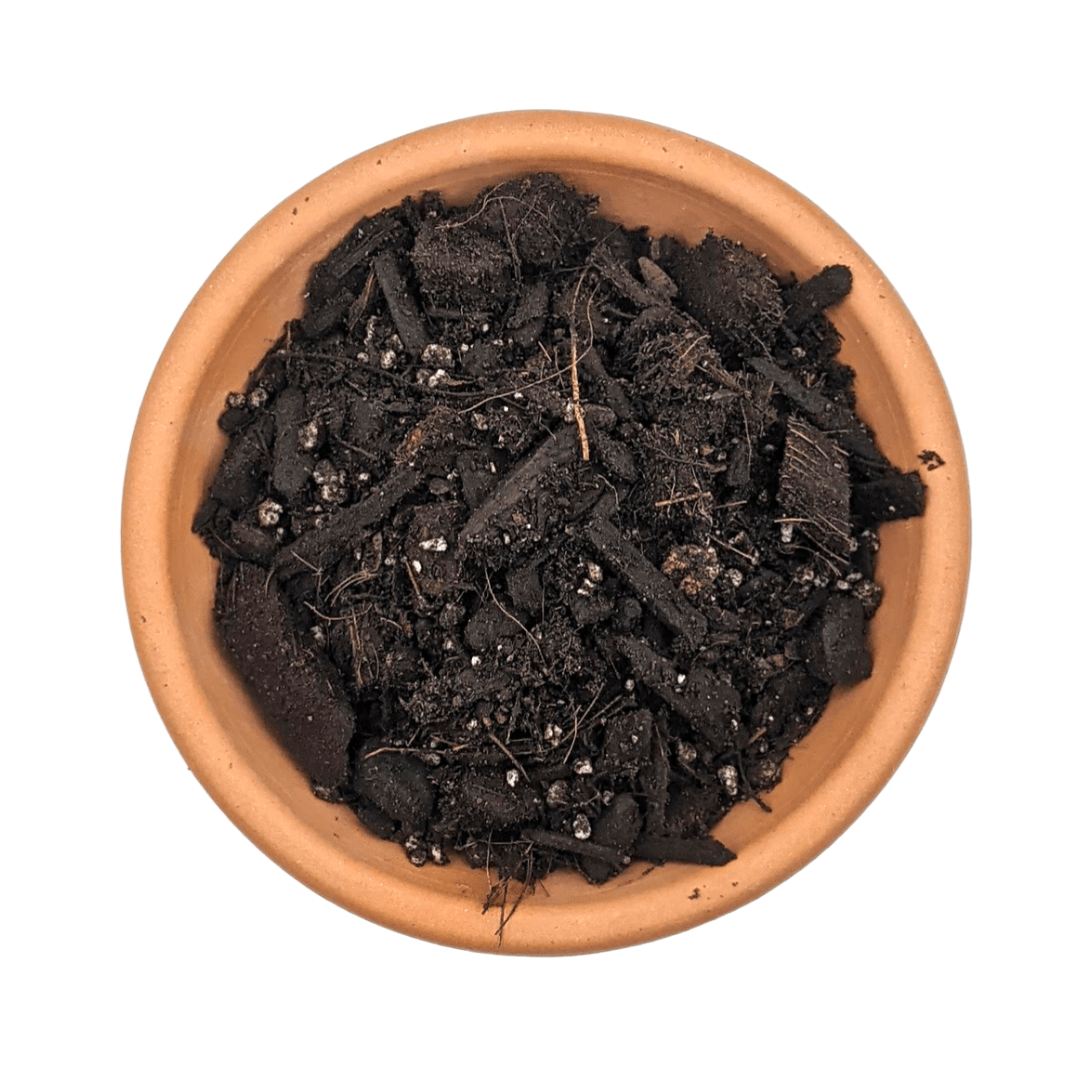
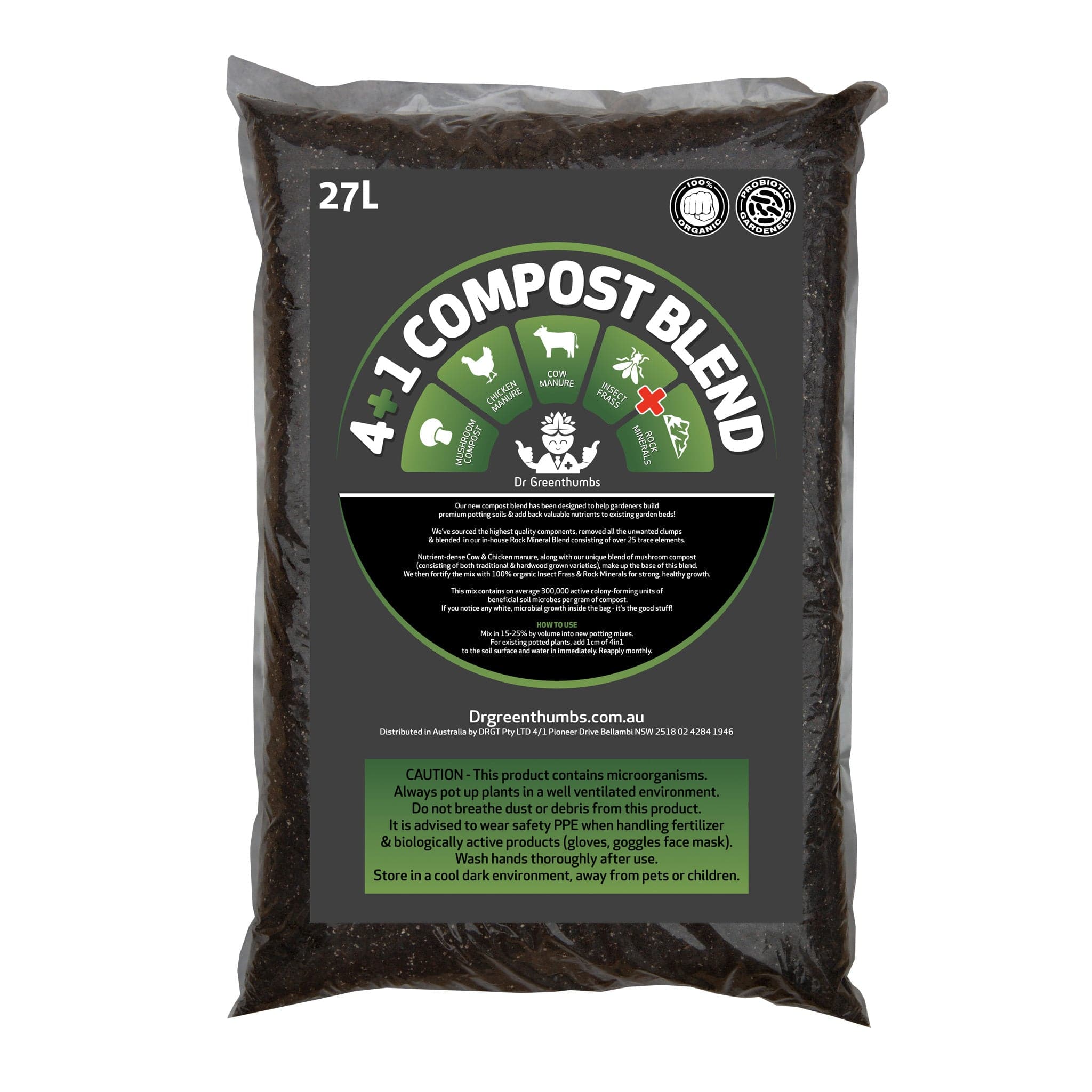
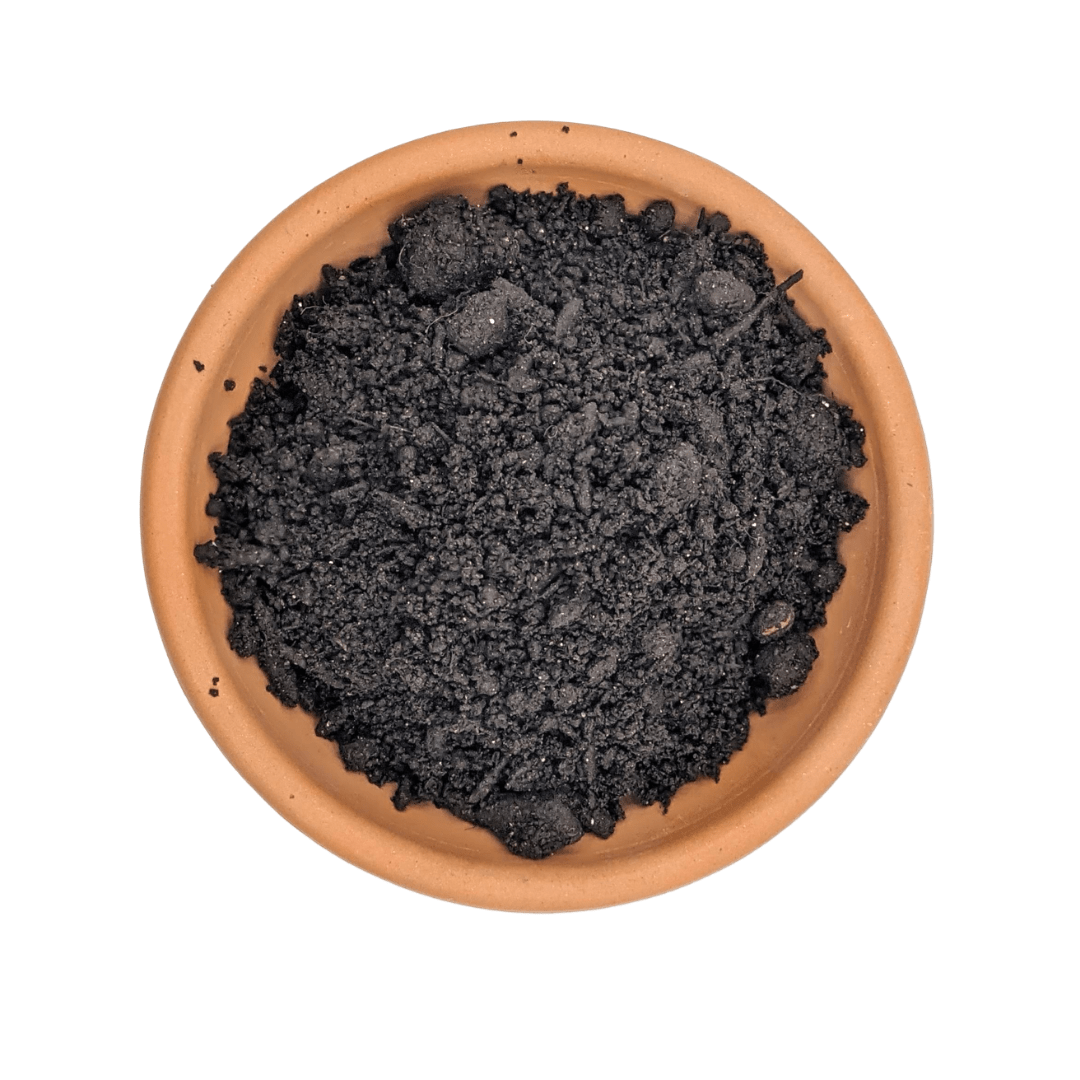
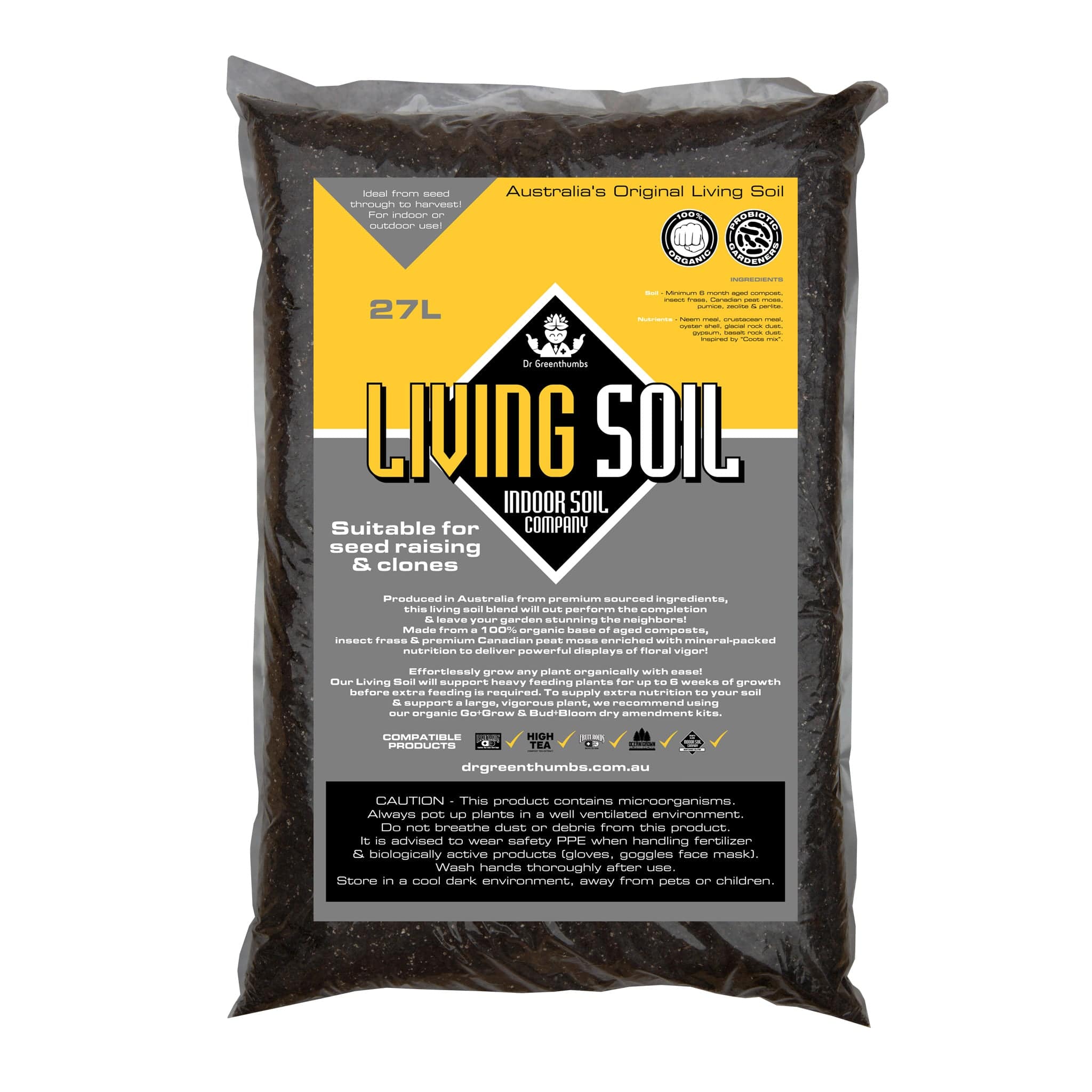
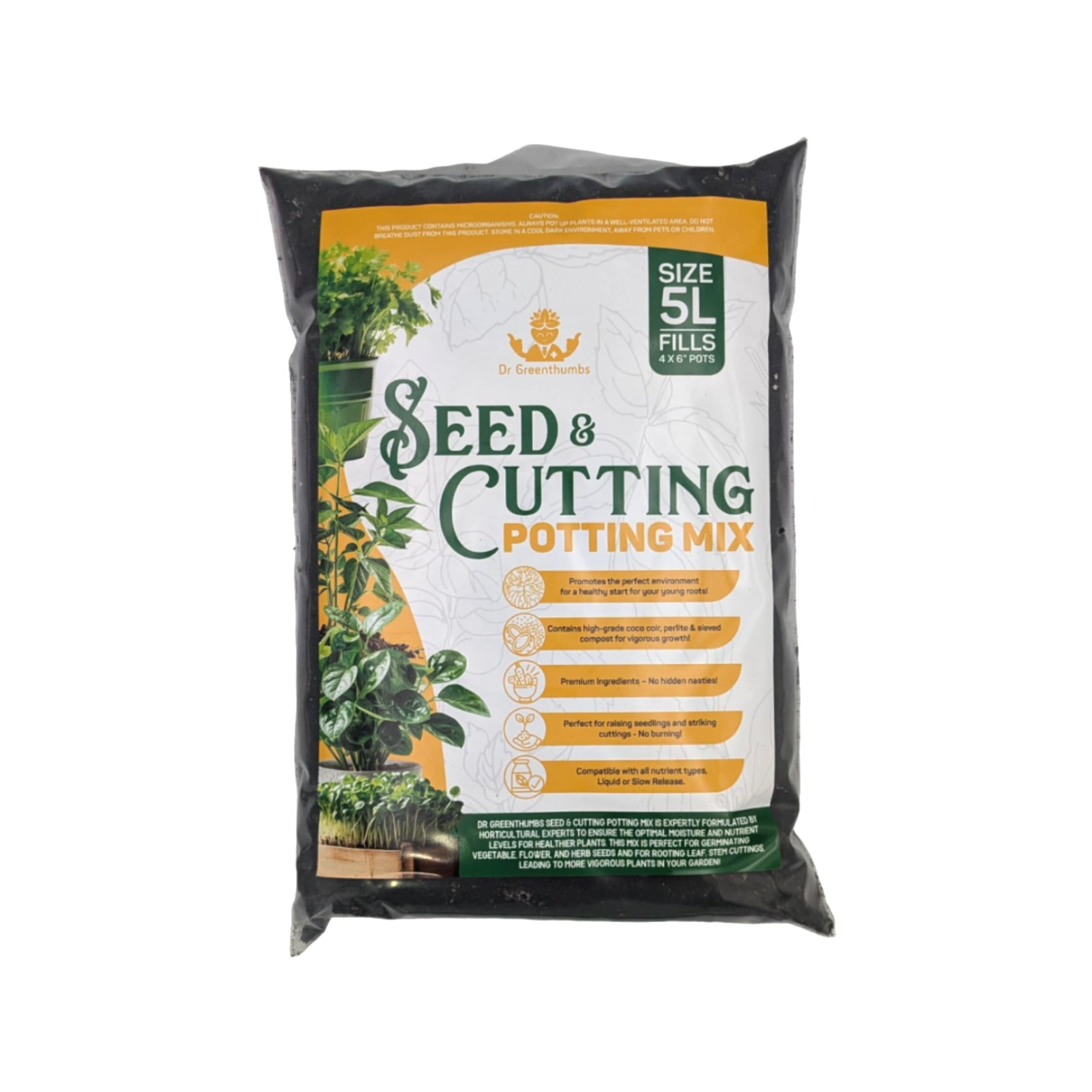
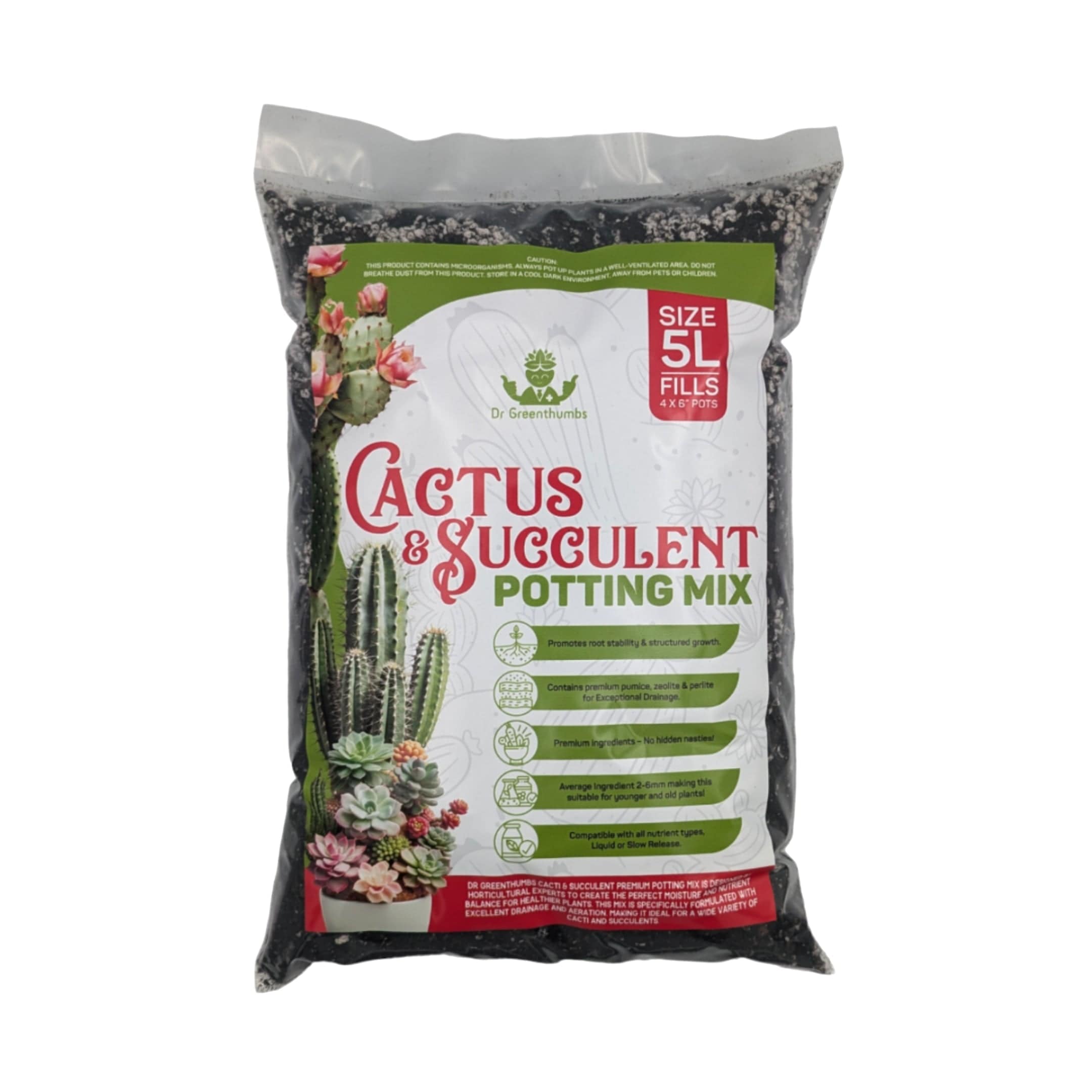
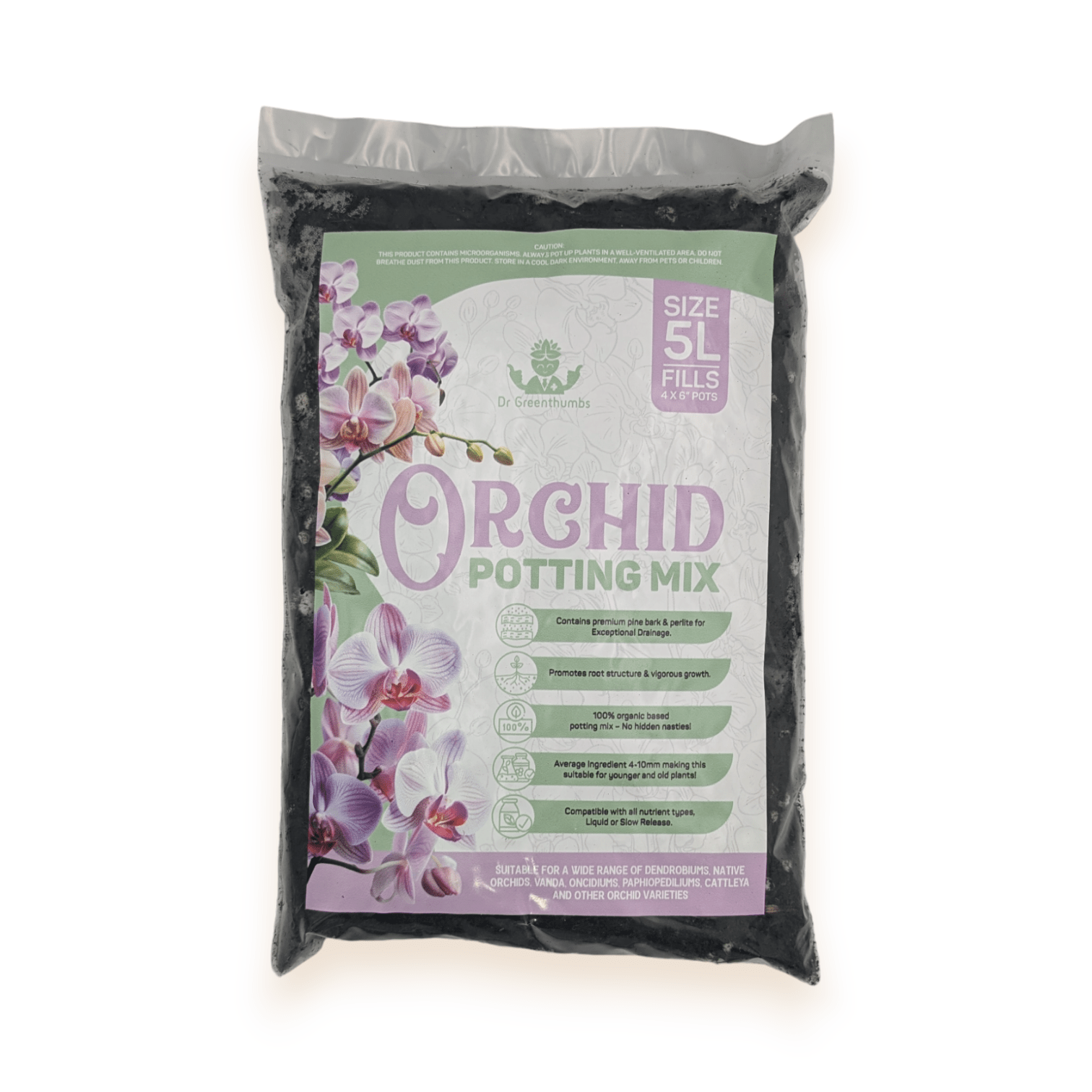
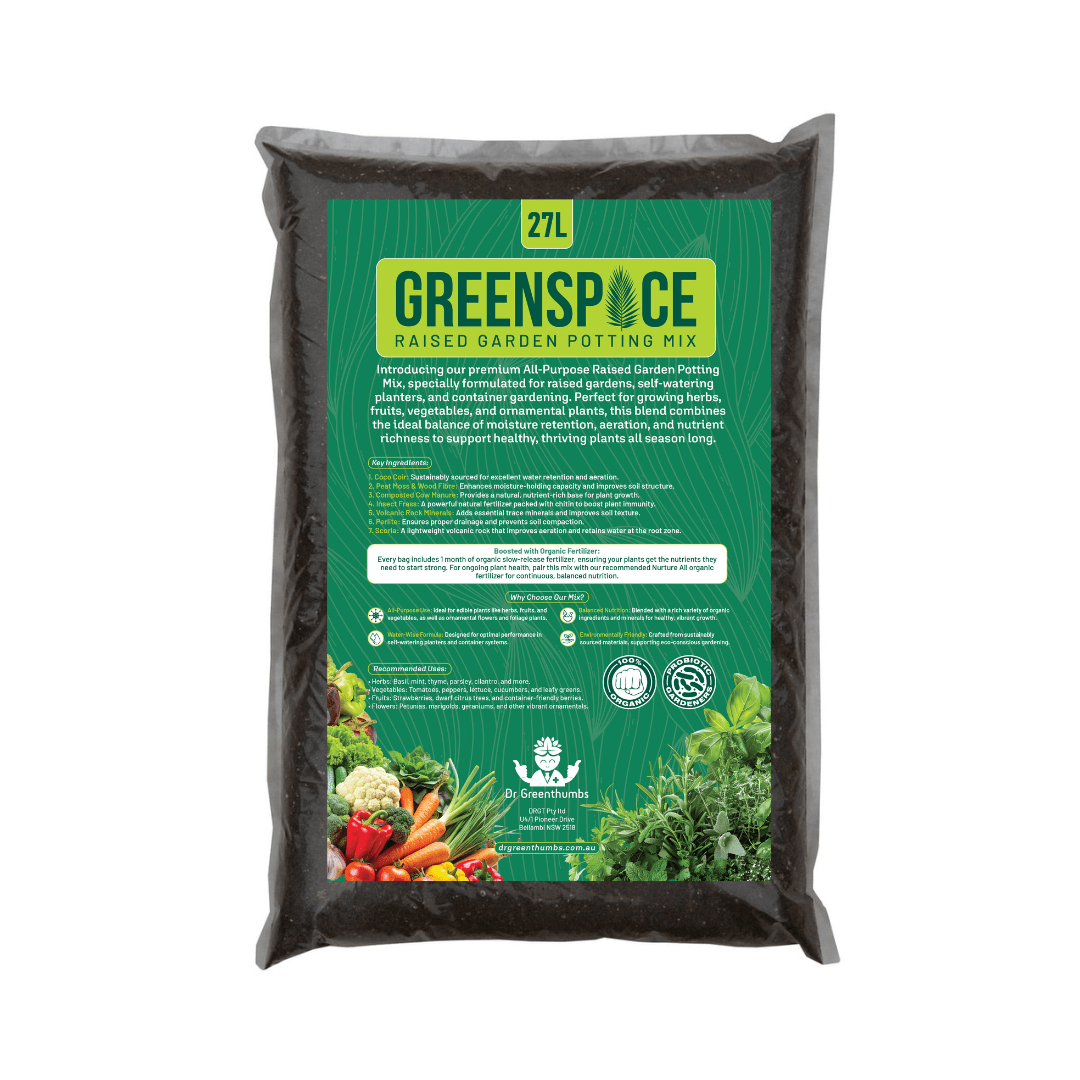
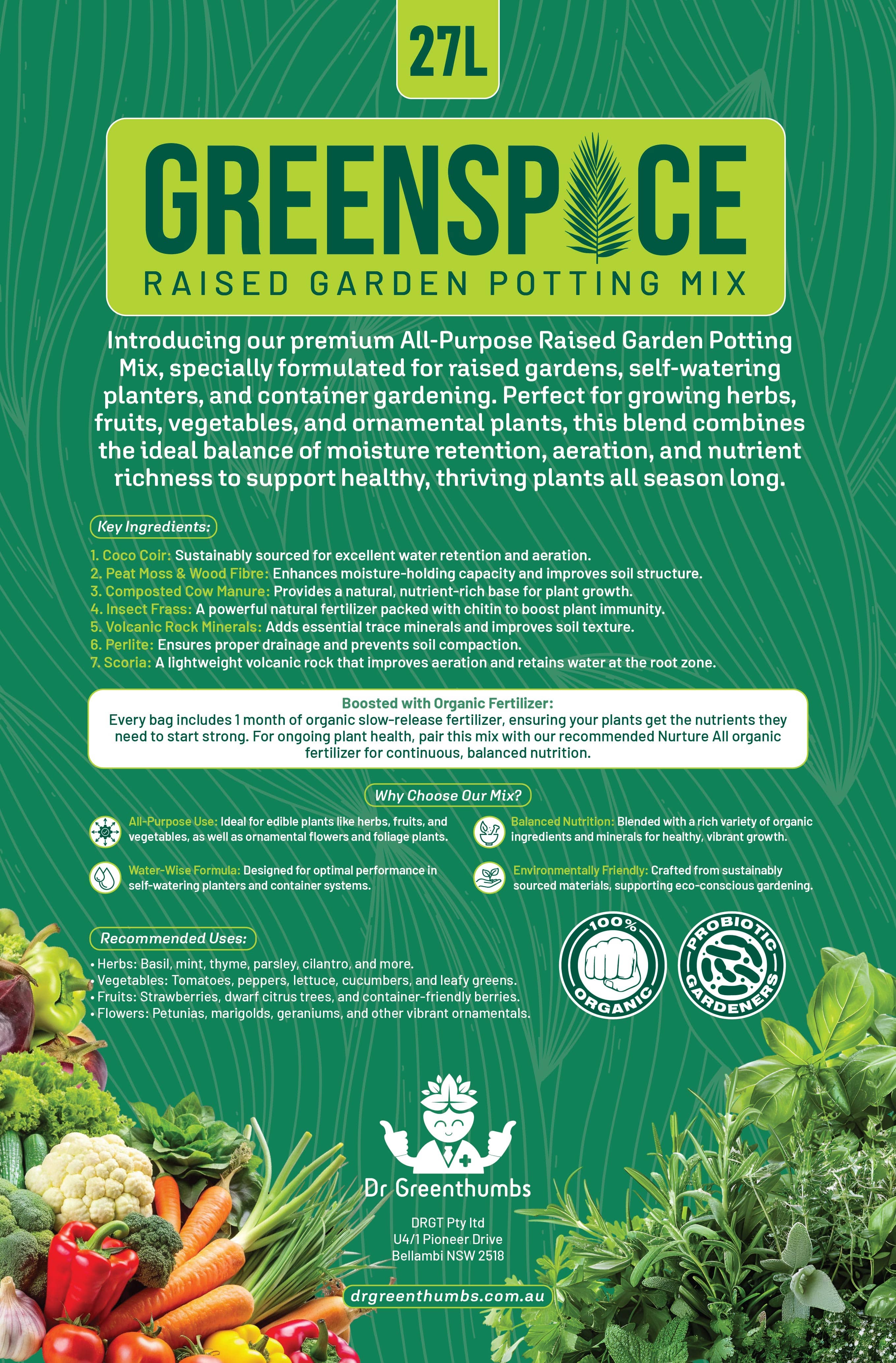
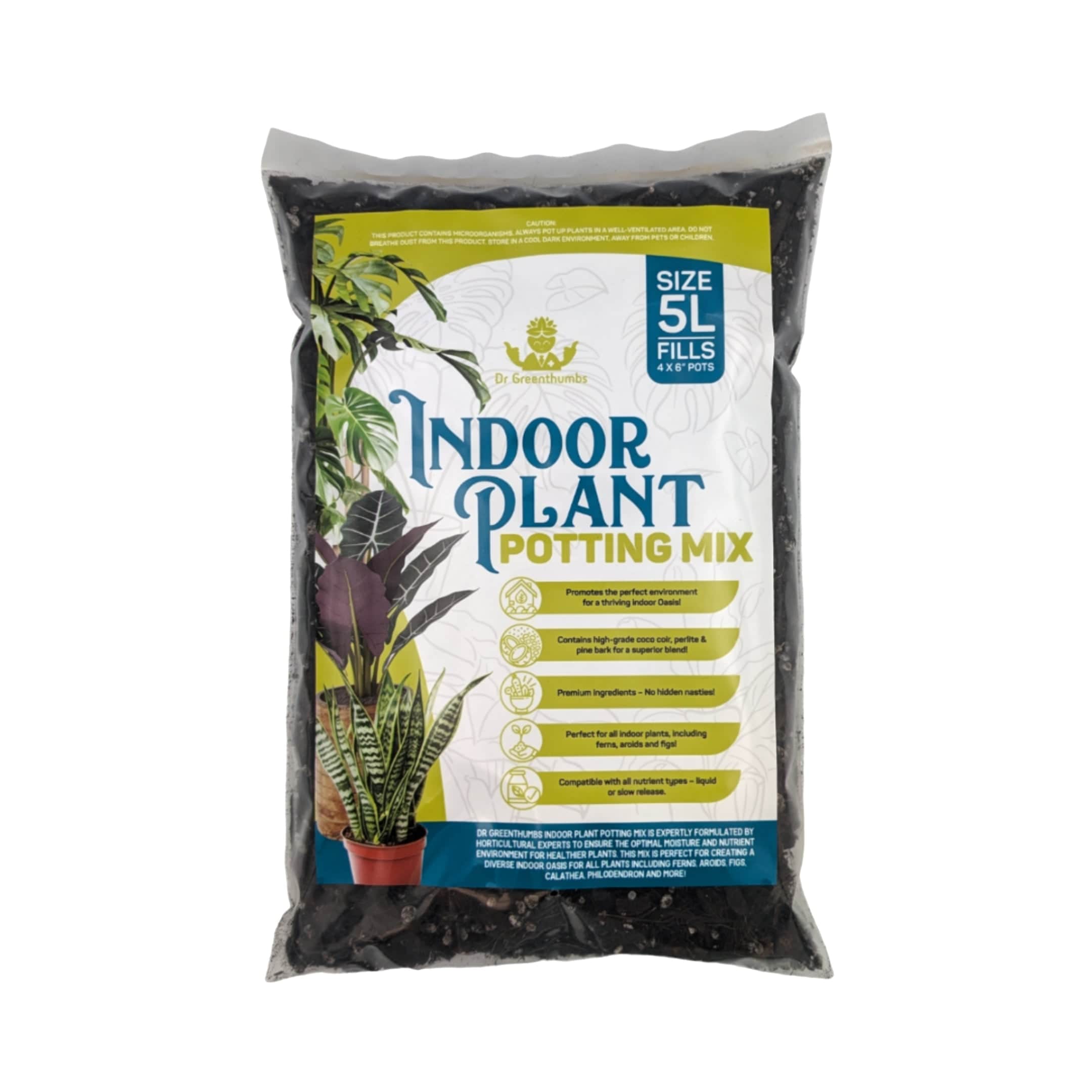
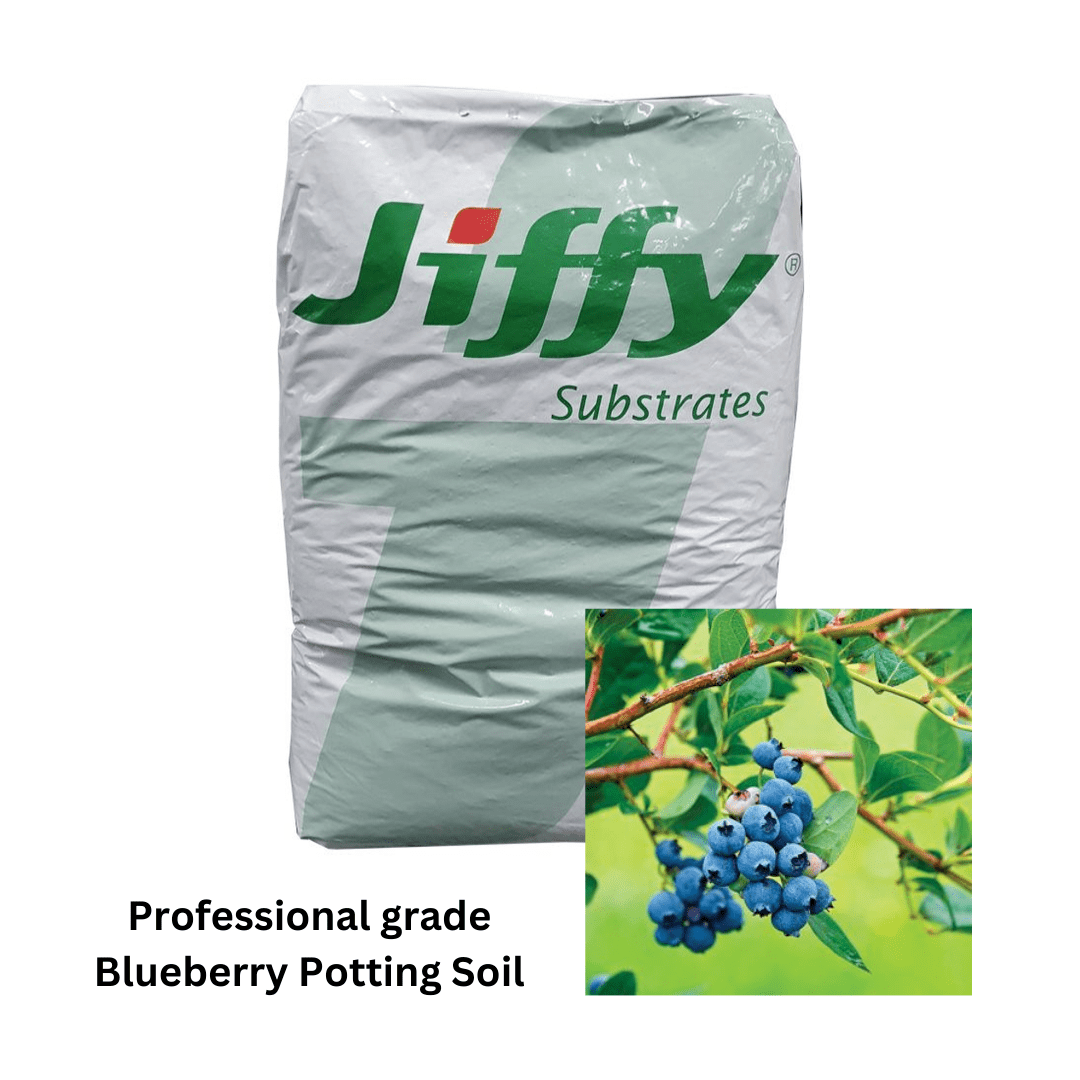
If your looking for ready to use potting mix, these are the two easiest options:


Tip 1: Choosing the Right Medicinal Plant
The first step in successfully growing medicinal plants with living soil is to choose the right plant. Not all plants are created equal, and some are better suited to living soil than others. When selecting a medicinal plant to grow, consider factors such as its growth requirements, climate, and how much space it will need. Some of the best medicinal plants to grow with living soil include echinacea, chamomile, lavender, and St. John's Wort.
Growing Medicinal Plants in Australian Conditions
Australia’s climate can be tough on herbs if you don’t plan for it. Strong sun, heatwaves, drying winds and sudden cold snaps all affect how medicinal plants grow.
A few local considerations:
-
Sun intensity: Many herbs like sun, but harsh afternoon sun can stress plants. Light shade in the hottest part of the day helps.
-
Heatwaves: Mulch well and water deeply to protect roots.
-
Wind exposure: Balcony and coastal gardens dry out faster—containers may need more frequent watering.
-
Cold areas: Some medicinal herbs are frost-sensitive and benefit from pots that can be moved.
If you’re gardening in containers, choose pots with good drainage and avoid letting them dry out completely.
Tip 2: Understanding Living Soil
Living soil is a key component of successful medicinal plant growth. Living soil is soil that is rich in beneficial microbes, organic matter, and other natural components that help support plant growth. This type of soil is full of life, including bacteria, fungi, and insects. These organisms work together to break down organic matter and make nutrients available to plants. To ensure your medicinal plants thrive, it's important to have a good understanding of living soil and how to create and maintain it.
Beginner-Friendly Medicinal Herbs to Grow
If you’re just starting out, focus on medicinal herbs that are forgiving and easy to grow.
Popular beginner options include:
-
Calendula – hardy, fast growing, and great for garden beds or pots
-
Chamomile – thrives in full sun and well-drained soil
-
Lemon balm – vigorous and ideal for containers
-
Peppermint – best grown in pots to control spreading
-
Lavender – drought-tolerant once established
-
Rosemary – tough, long-lived, and low maintenance
-
Thyme – compact and suitable for small spaces
These herbs are commonly grown for teas, balms, and home use, and they respond well to organic soil and gentle care.
Tip 3: Starting with Quality Seeds or Cuttings
The quality of your seeds or cuttings can make a big difference in the success of your medicinal plant growth. Starting with high-quality seeds or cuttings is important for ensuring that your plants have a strong foundation for growth. When selecting seeds or cuttings, look for those that are healthy and disease-free. Consider purchasing organic seeds or cuttings to avoid exposure to harmful chemicals.
Tip 4: Providing Proper Light
Medicinal plants require proper lighting to thrive. Different types of plants have different lighting requirements, but in general, most medicinal plants need at least 6-8 hours of sunlight each day. If you're growing your plants indoors, you'll need to provide artificial light that mimics natural sunlight. There are many different types of grow lights available, including LED, fluorescent, and high-pressure sodium lights.
Companion Planting and Garden Layout
How you position your medicinal plants affects their health and productivity.
A few simple guidelines:
-
Taller plants can provide light shade for delicate herbs
-
Good airflow helps prevent mould and fungal issues
-
Avoid overcrowding—healthy roots need space
Some herbs grow better alone. For example, mint spreads aggressively and is best grown in its own pot. Others, like lavender and rosemary, prefer drier soil and don’t mix well with moisture-loving herbs.
Planning your layout early makes ongoing maintenance much easier.
Tip 5: Ensuring Adequate Watering and Drainage
Watering and drainage are important factors in the success of medicinal plant growth. Too much water can lead to root rot and other problems, while too little water can cause plants to wilt and die. When watering your plants, be sure to give them enough water to moisten the soil without over-saturating it. Additionally, it's important to have proper drainage to avoid waterlogging. This can be achieved by using a well-draining soil mix and adding drainage holes to your planters.
Tip 6: Fertilizing with Organic Nutrients
Fertilizing your medicinal plants with organic nutrients is important for ensuring their health and growth. Organic fertilizers are made from natural sources such as animal manure, compost, and bone meal. These fertilizers provide plants with a slow-release source of nutrients that is gentle on the soil and helps support the growth of beneficial microbes.
Tip 7: Managing Pests and Diseases Naturally
Pests and diseases can wreak havoc on your medicinal plants, but using harsh chemicals to control them can be harmful to both your plants and the environment. Instead, it's best to manage pests and diseases naturally. This can be achieved by using natural pest control methods such as companion planting, physical barriers, and beneficial insects.
Tip 8: Proper Harvesting and Drying Techniques
Proper harvesting and drying techniques are critical for preserving the potency and efficacy of medicinal plants. The timing of the harvest, the method of harvesting, and the way in which the plants are dried can all impact the final product. To ensure the best results, harvest your plants when they are at their peak and use proper techniques for drying and storing them.
For best results,
-
Harvest in the morning after dew has dried, but before strong sun hits.
-
Choose healthy leaves or flowers with no signs of disease.
-
Dry herbs in a warm, well-ventilated area out of direct sunlight.
-
Avoid high heat—slow airflow is better than ovens or dehydrators for most herbs.
-
Herbs are fully dry when leaves crumble easily between your fingers.
Once dry, store herbs in airtight containers, clearly labelled with the plant name and harvest date. Most dried herbs retain quality for 6–12 months when stored correctly.
Tip 9: Storing Medicinal Plants
Storing your medicinal plants properly is key to preserving their potency and quality. Proper storage can also help protect the plants from pests and other environmental factors that can cause damage. When storing medicinal plants, it's important to keep them in a cool, dry place away from direct sunlight and other sources of heat.
Finally, to be successful in growing medicinal plants with living soil, it's important to continue your education. There are always new techniques, trends, and research emerging in the field of natural medicine, and staying up-to-date on these developments can help you optimize your growing practices and achieve the best possible results.
Important Safety Notes
Medicinal plants are powerful, and they should always be used with care.
-
This information is for educational purposes only and is not medical advice.
-
Always research individual herbs before using them internally.
-
If you are pregnant, breastfeeding, taking medication, or have a medical condition, consult a qualified healthcare professional.
-
Some herbs may not be suitable around children or pets—store dried herbs securely and label them clearly.
Growing your own herbs gives you control over quality, but responsible use is just as important as responsible growing.
FAQ
Can medicinal herbs be grown indoors?
Yes, many herbs grow well indoors if they receive enough light. A bright windowsill or grow light is usually required.
What are the easiest medicinal herbs to start with?
Calendula, chamomile, mint, lemon balm, thyme, and rosemary are all beginner-friendly.
Do medicinal herbs need full sun?
Most prefer full sun, but some benefit from light afternoon shade, especially in hot climates.
How do I prevent mould when drying herbs?
Ensure good airflow, avoid stacking herbs, and never dry them in damp conditions.
Growing medicinal plants with living soil is a rewarding and fulfilling endeavour that can help you take control of your health and well-being. By following these 10 essential tips, you can ensure that your plants thrive and provide you with high-quality, natural medicines for years to come.
Next reads for growing healthier medicinal plants naturally
Want stronger medicinal plants from the ground up? These guides will help you improve soil health, choose better natural inputs and build a more resilient organic growing system.
- Organic Gardening 101: Living Soil Aussie Guide
- Natural Garden Fertilisers Australia Guide
- 5 Secrets Sustainable Soil Health
- From Waste to Nutrient-Rich Soil: The Art of Nutrient Recycling
About the Author