
Struggling with yellowing leaves, brown edges, or pale new growth? This guide will help you quickly identify what your indoor plants are missing, tell the difference between nutrient deficiency and pH lockout, and fix the problem fast—without guesswork.
Table of Contents
- What Your Plants Are Actually Trying to Tell You
- Quick Cheat Sheet: Nutrient → Symptom
- Iron Chlorosis — A Common Gotcha, Especially in Acid-Loving Plants
- Nutrient Lockout: Why Soil pH matters
- Not Always a Nutrient Deficiency — Other Common Causes
- The Fast-Track Recovery Plan
- Prevention: The Smart Gardener's ApproachS
- Seasonal Feeding for Indoor Plants
- Ready to Get Your Indoor Plants Back on Track?
-
Next Reads for Fixing Nutrient Issues and Keeping Indoor Plants on Track
To tackle deficiencies fast, here are your top choices:


What Your Plants Are Actually Trying to Tell You
Plants can't tell you exactly what's wrong, but their leaves and growth patterns provide useful clues. Treat the symptoms below as possible nutrient indicators, not proof of a deficiency. pH problems, watering, light, root conditions, pests and disease can produce similar symptoms, so confirm the likely cause before feeding.
Monstera nutrient deficiency symptoms should be assessed by both the pattern of damage and the age of the affected leaves. Uniform yellowing that starts on older leaves may indicate a nitrogen shortage, yellowing between green veins on older leaves can point to magnesium, and pale new leaves with greener veins may indicate an iron availability problem. Because overwatering, low light, unhealthy roots and pH lockout can produce similar symptoms in Monsteras, check these conditions before applying more fertiliser.
🟡 Yellowing Leaves (The Classic Cry for Help)
When you notice yellow leaves on plants, don’t reach for fertiliser straight away. Check whether the affected leaves are old or new, whether the yellowing is uniform or between the veins, and whether the potting mix is staying wet or drying too quickly. A single older leaf may simply be ageing, while several yellow leaves can point to watering or drainage problems, low light, root stress, pests, pH lockout or a genuine nutrient deficiency.
Possible nutrient cause: Nitrogen deficiency is one possibility, particularly when yellowing begins on older leaves.
Why it matters: Nitrogen supports chlorophyll production and healthy leafy growth.
If nitrogen deficiency is confirmed: Correct the feeding issue using an appropriate fertiliser at the recommended rate, but first rule out pH lockout, poor roots, watering problems and other causes covered later in this guide.
🍂 Brown, Crispy Leaf Edges (The Australian Summer Special)
Possible nutrient cause: Potassium deficiency can contribute to brown or scorched leaf margins.
Why it matters: Potassium plays an important role in normal plant function and stress response.
The fix: Boost potassium levels with seaweed-based fertilisers or try Potassium Silicate—it's particularly brilliant for leafy greens and helps strengthen plant cell walls against heat stress.
💜 Purple or Reddish Leaves (The Winter Warning)
Possible nutrient cause: Phosphorus deficiency is one possible nutrient explanation for unusually dark, purple or reddish foliage.
Why it matters: Phosphorus supports important processes including root development and flowering.
The fix: Add organic guano in either dry or liquid form. Guano is like a slow-release multivitamin for your soil that is loaded with phosphorus and calcium.
🕳️ Pale New Growth or Twisted Leaves (The Micronutrient Mystery)
Possible nutrient cause: When symptoms appear first in new growth, iron or calcium problems may be worth investigating. Magnesium deficiency more commonly shows first on older leaves, so the age of the affected foliage matters.
Why it matters: Plants need these elements in the right amounts for normal growth and development.
The fix: Identify which element is actually involved before supplementing. A comprehensive trace mineral product such as CMX may be appropriate where a broader micronutrient shortage is confirmed, while magnesium should only be corrected when the symptoms and diagnosis point specifically to magnesium.
Quick Cheat Sheet: Nutrient → Symptom
Here’s a fast first-pass reference you can bookmark or screenshot. Use it to narrow down possibilities, then confirm the likely cause using leaf age, pH, growing conditions and the checks later in this guide before treating.
- Nitrogen (N) – Older leaves turn yellow, slow growth.
- Potassium (K) – Brown scorching on edges, weaker stress response.
- Phosphorus (P) – Purplish or dark leaves, delayed rooting/flowering.
- Magnesium (Mg) – Yellow between veins on older leaves.
- Iron (Fe) – New growth pale with green veins still showing.
- Calcium (Ca) – New leaves twisted, deformed or stunted.
Each plant shows symptoms a little differently, but this table will help you start in the right direction faster.
Iron Chlorosis — A Common Gotcha, Especially in Acid-Loving Plants
One deficiency that often gets overlooked — especially indoors — is iron chlorosis. This shows up as yellowing between the veins of leaves while the veins themselves stay green. It’s classic for iron — and common when soil pH drifts too high.
Acid-loving plants like begonias or some aroids really struggle with iron if the soil isn’t slightly acidic, even when other nutrients are fine.
How to help iron-starved plants
- Start with a soil pH check — iron is one of the first nutrients to get locked out when pH climbs.
- Consider a gentle iron supplement or chelated iron applied per label directions.
- Don’t dump heavy doses — iron’s a trace element and too much can cause its own issues.
Getting iron right often makes the difference between pale growth and truly lush indoor foliage.
Iron chlorosis is also a useful example of a broader problem: sometimes the nutrient is present, but the plant cannot access it. That is known as nutrient lockout, and it should be checked before you simply add more fertiliser.
Nutrient Lockout & Why Soil pH Really Matters
Sometimes it feels like your plant isn’t getting enough nutrients — even when you’ve been feeding it faithfully. That’s because it’s not always a nutrient shortage… sometimes nutrients are locked out.
Here’s the deal: most plants absorb nutrients best when the soil pH sits in the right range (roughly 6.0–7.0 for indoor plants). If soil is too alkaline or too acidic, certain nutrients stay in the ground even if they’re there. You’ll still see yellowing leaves or weak growth because the plant can’t access what’s already present.
How to spot it
- You’ve been fertilising, but nothing improves.
- Leaves show deficiency signs across the plant, not just old or new growth.
- You’ve recently used lots of baked-on fertiliser or hard water salts.
What to do
- Test the soil pH with a simple pH meter or test kit.
- If it’s outside the 6–7 range, adjust gradually using an acidifier (like horticultural sulphur) or a lime product — just a sprinkle mixed through the top layer.
- Retest after a few weeks to check progress.
Getting the pH right unlocks nutrients already in the soil — it’s like opening the back door instead of buying more food that just sits there.
Not Always a Nutrient Deficiency — Other Common Causes
Before you assume it’s a deficiency, run through this quick triage:
☀️ Light Levels
Too little light can make leaves yellow or pale, especially in lower-light indoor spots. If you’ve recently moved the plant or the season changed, check how much indirect light it actually gets.
💧 Watering Patterns
Overwatering can wash nutrients out or drown roots. Underwatering stresses plants and mimics deficiency symptoms. Aim for consistent moisture — not sodden, not dry as a bone.
🌱 Rootbound Pots
Plants stuck in small pots run out of eating space — no matter how much fertiliser you give them. A quick repot into a slightly larger pot with fresh mix can make a world of difference.
🐛 Pests & Disease
Mites, thrips or root rot often show signs that look like nutrient issues. Before feeding, check for tiny critters or mushy roots.
This checklist helps stop misdiagnosis — because sometimes the real problem isn’t what you feed, but what you fix.
The Fast-Track Recovery Plan
Once you've identified the likely symptom pattern, checked pH lockout and ruled out obvious problems with light, watering, roots, pests or disease, use the steps below to correct the actual issue without over-treating the plant.
Step 1: Confirm the Likely Cause
Go back to the symptom guide and cheat sheet above and compare them with what the plant is actually doing. Check whether the symptoms begin on older leaves or newer growth, and make sure the pattern matches the deficiency you are considering before adding anything.
💡 Old Leaves vs Young Leaves — A Quick Rule of Thumb
When you’re playing plant detective, one of the fastest ways to nail which nutrient might be missing is to look at where symptoms appear first:
- Older leaves show yellowing first: usually points to mobile nutrients like nitrogen, potassium, or magnesium — these get moved around by the plant to new growth when they’re scarce.
- Newer leaves are affected first: suggests immobile nutrients like iron or calcium — the plant can’t redistribute these, so the newest growth shows distress.
This little trick will help you narrow down the likely deficiency before you start feeding — and save you time and stress.
Step 2: Deal With Excess Fertiliser Salts — If Needed
Only flush the growing medium if there is a genuine reason to suspect excess fertiliser salts or buildup. If that is the problem, flush the pot thoroughly with plain water and allow the excess to drain freely. An EC or PPM meter can help when you need to assess whether elevated fertiliser salts are still present
Step 3: Correct the Nutrient Shortage
If your checks point to an actual nutrient shortage rather than pH lockout, salt buildup, poor light, watering, roots or pests, correct the deficiency without dramatically increasing the feeding rate. Where a broader shortage is likely, use an appropriate balanced fertiliser that supplies both macro and micronutrients.
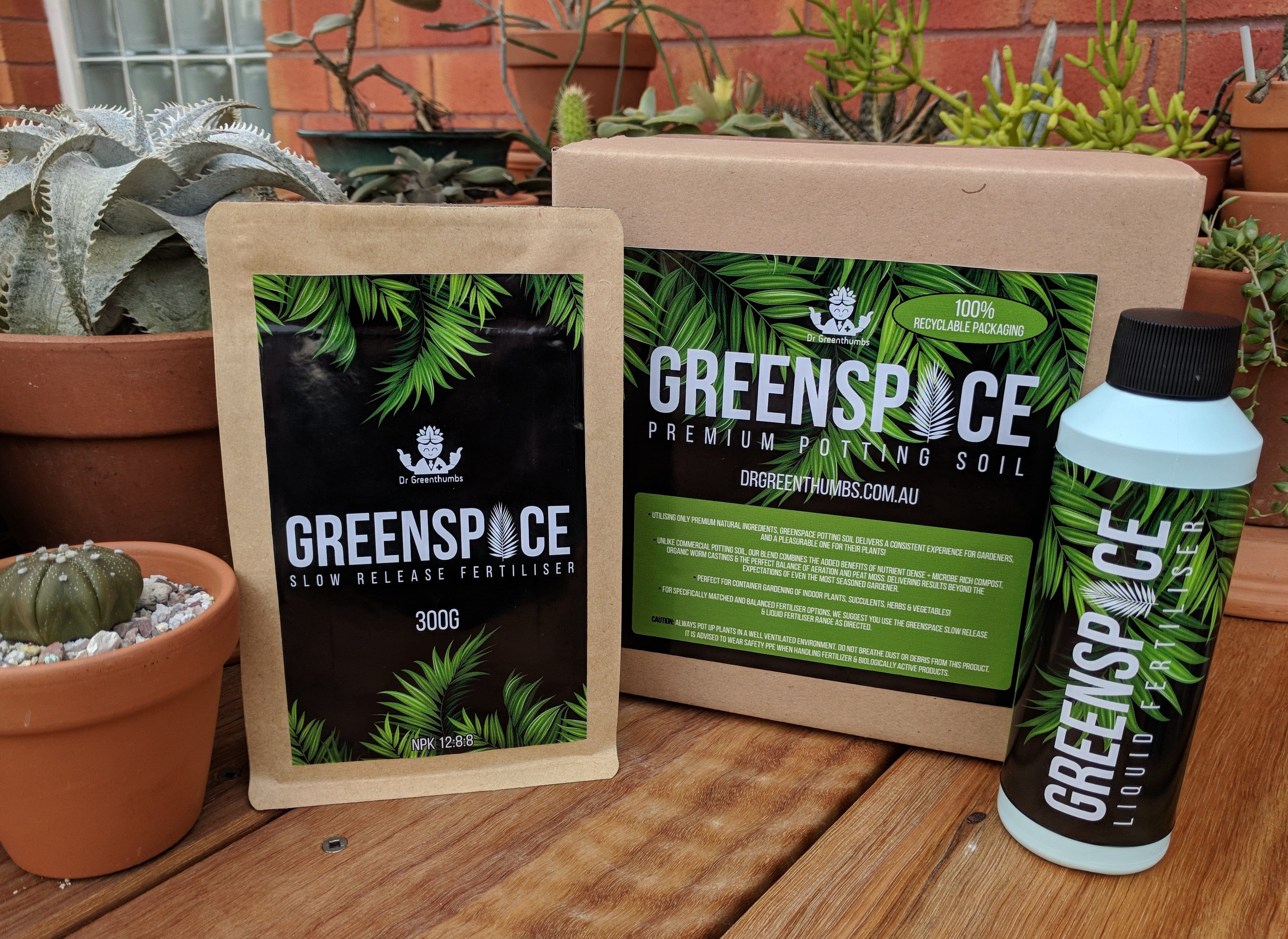
Our GreenSpace Liquid Fertiliser is one option for providing balanced nutrition during recovery where additional feeding is actually required. Apply it according to the product directions rather than increasing the dose in response to severe-looking symptoms.
Not sure whether to stick with liquid or slow-release? Check out Feeding Houseplants: Liquid vs Slow-Release, Explained for a breakdown of which works best in Aussie conditions.
Step 4: Rebuild Your Soil Foundation
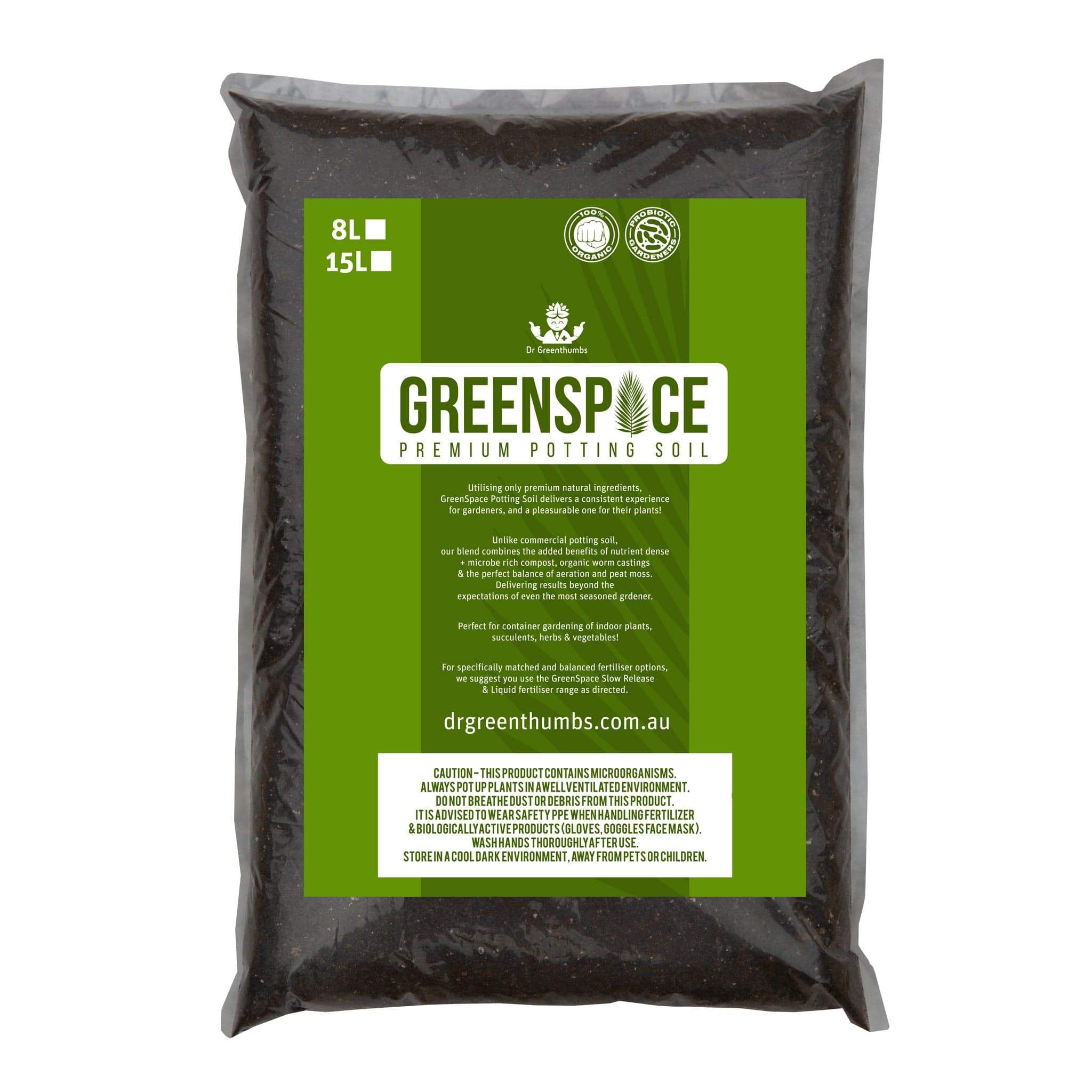
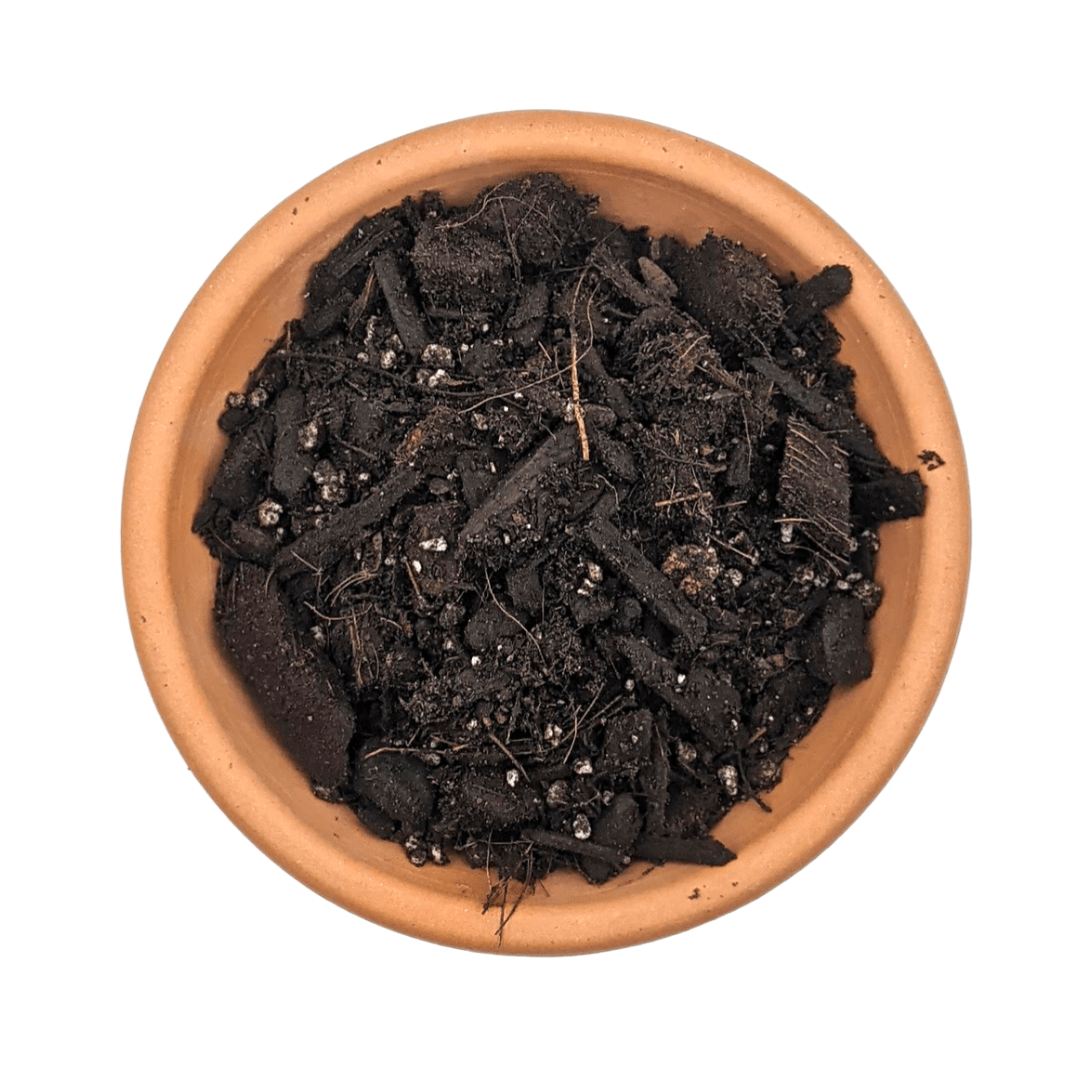
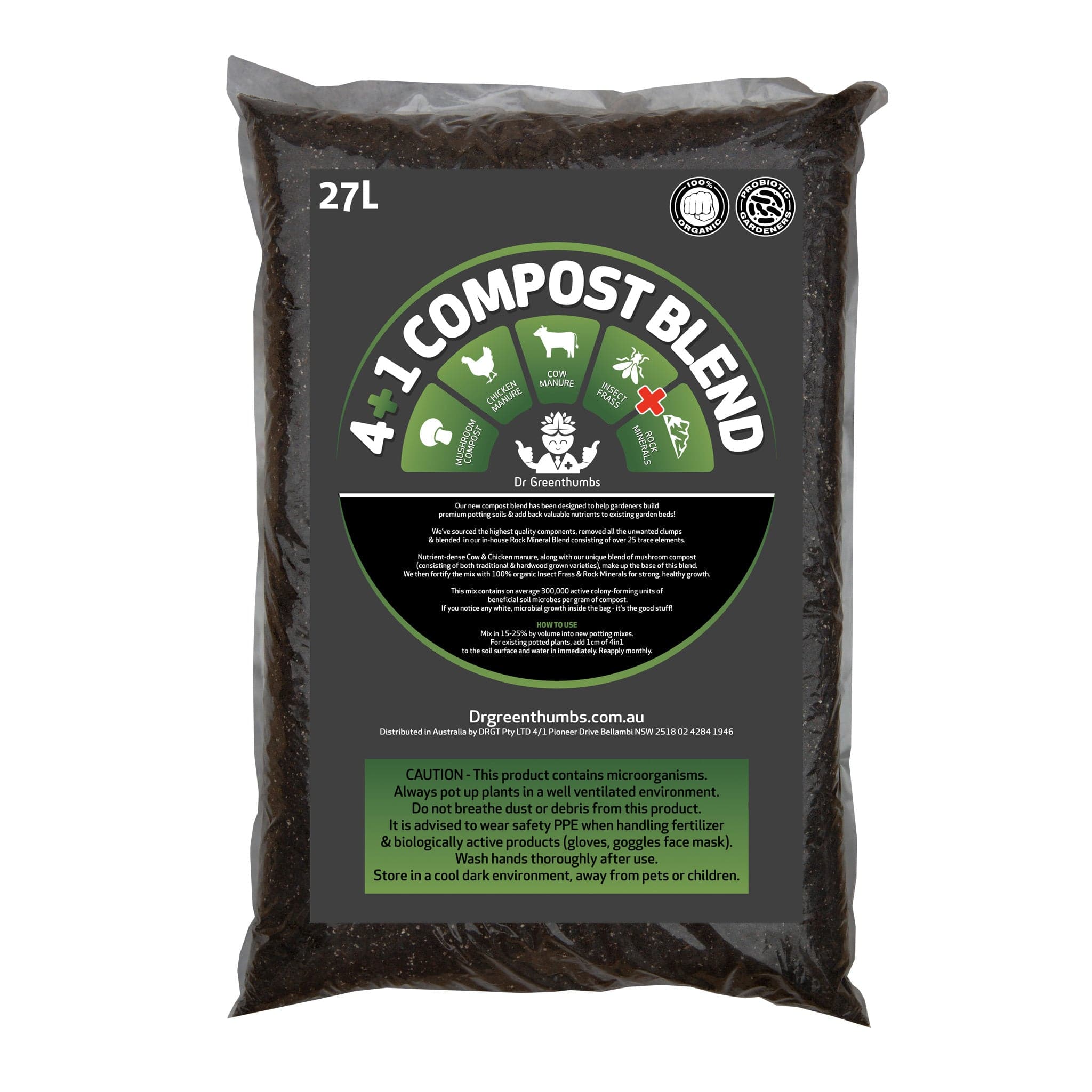
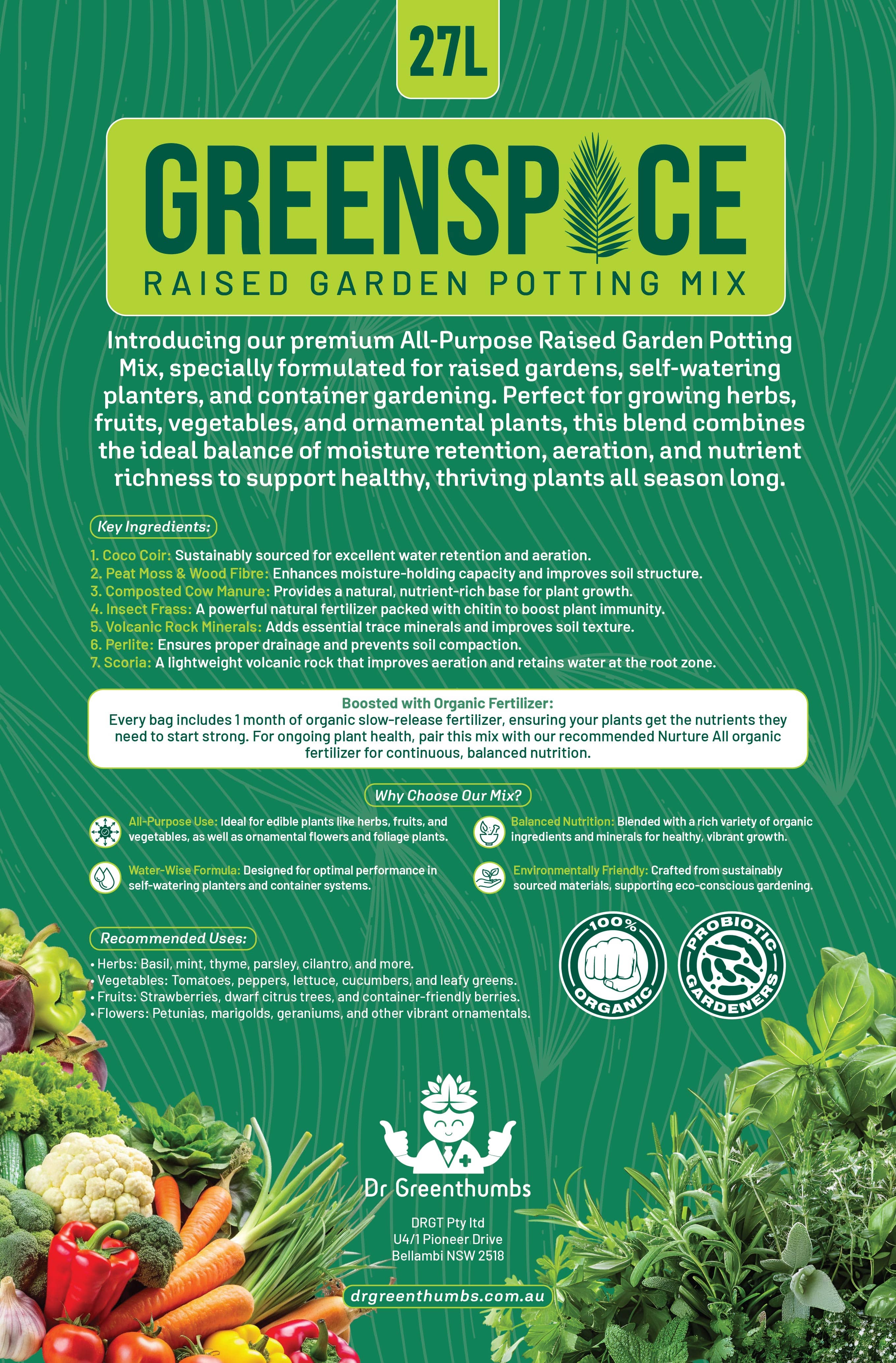
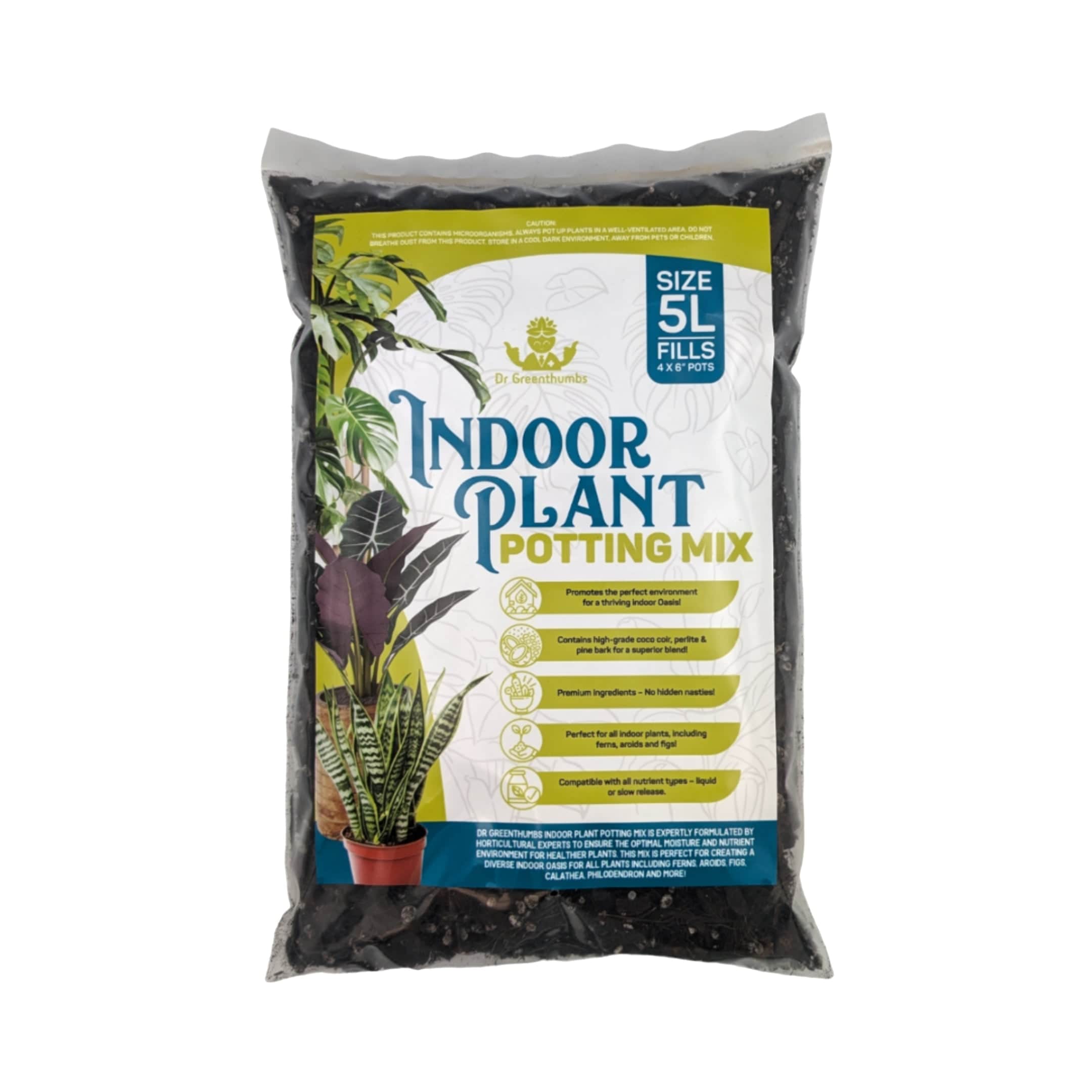
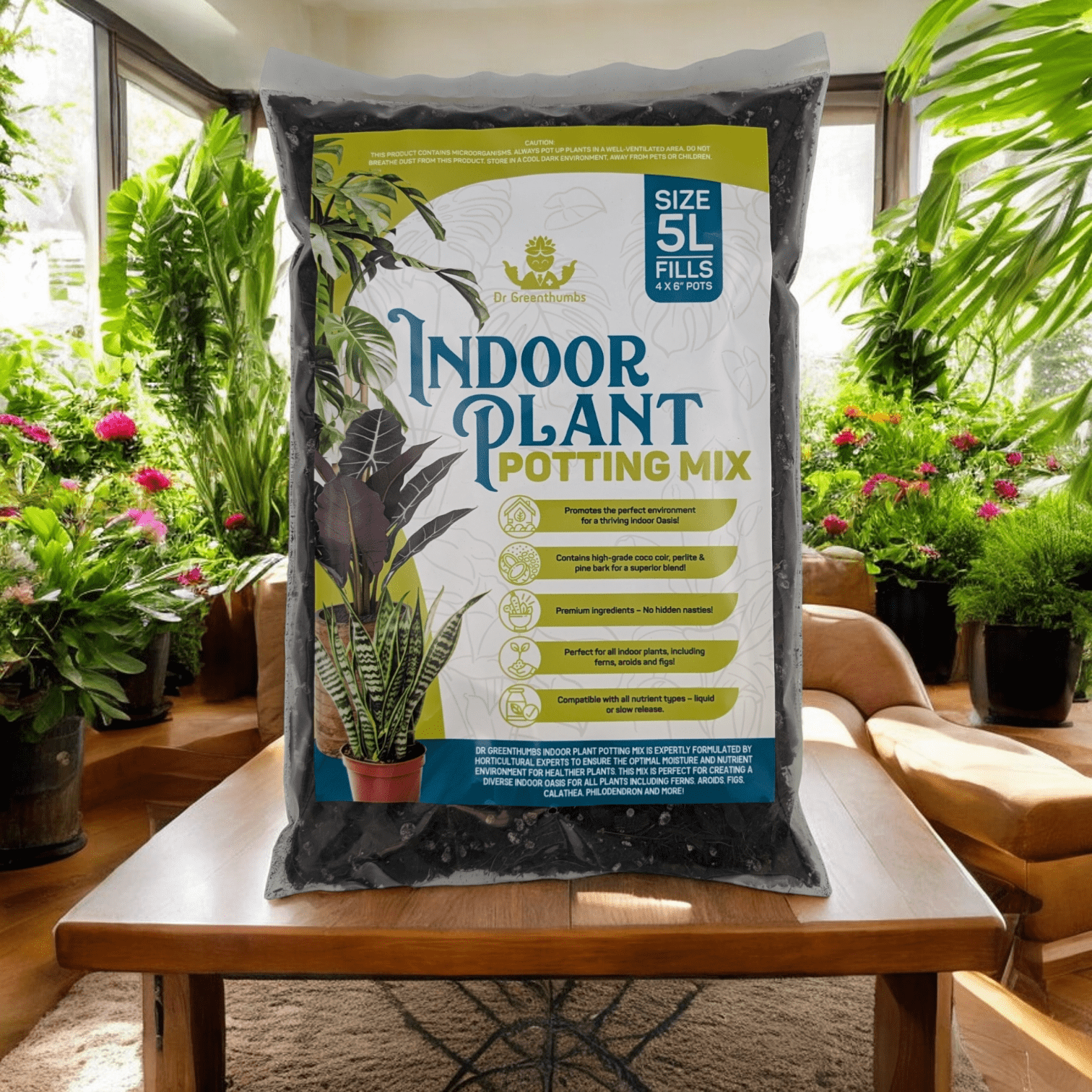
If your soil is looking tired and depleted, it's time for some TLC. Mix in some fresh organic potting mix or compost to reintroduce beneficial microbes and organic matter.
Step 5: Monitor and Adjust
Keep an eye on your plants over the next couple of weeks. New growth should show improvement first, then the existing leaves will start looking healthier. If things don't improve, you might be dealing with a different deficiency or root problems.
Prevention: The Smart Gardener's Approach
Once your plant is back on track, prevention is mostly about avoiding the conditions that caused the problem in the first place. Keep the routine consistent and make changes based on plant growth rather than waiting for severe symptoms.
Maintain the growing medium: Keep potting media in good condition and refresh depleted organic matter when necessary rather than relying on repeated heavy fertiliser applications to compensate for an exhausted root zone.
Water consistently: Avoid repeated cycles of severe overwatering and underwatering. Both can stress roots and create symptoms that are easily mistaken for nutrient deficiencies.
Match feeding to actual growth: Follow the fertiliser label and adjust feeding frequency to the plant, growing medium, available light and rate of active growth. Avoid using a fixed fortnightly schedule for every indoor plant year-round.
Know your growing medium: Indoor plants depend heavily on the condition of the potting mix, container size, drainage and watering routine. Check these before assuming a regional outdoor soil problem is responsible for an indoor deficiency.
Seasonal Feeding for Indoor Plants
Indoor plants do not all follow the same seasonal feeding calendar. Growth rate, available light, room temperature, plant species and the growing medium all influence how quickly nutrients are being used.
During stronger active growth: Follow the fertiliser label and monitor how the plant responds rather than automatically increasing the dose. Faster growth may justify more regular feeding within the product's recommended range.
When growth slows: Reduce feeding frequency rather than continuing the same schedule automatically. Lower-light periods often mean the plant is using resources more slowly.
Use the plant, not the calendar, as your guide: Seasonal changes matter, but a bright, warm indoor environment can behave very differently from a cool, low-light room. Adjust the routine to actual plant growth and conditions.
Ready to Transform Your Garden?
If you've identified the likely cause, choose the product or tool that matches the problem rather than treating every symptom with more fertiliser.
If additional nutrition is actually needed: Dr Greenthumbs GreenSpace Liquid Fertiliser provides a balanced feeding option for indoor plants once nutrient shortage has been identified.
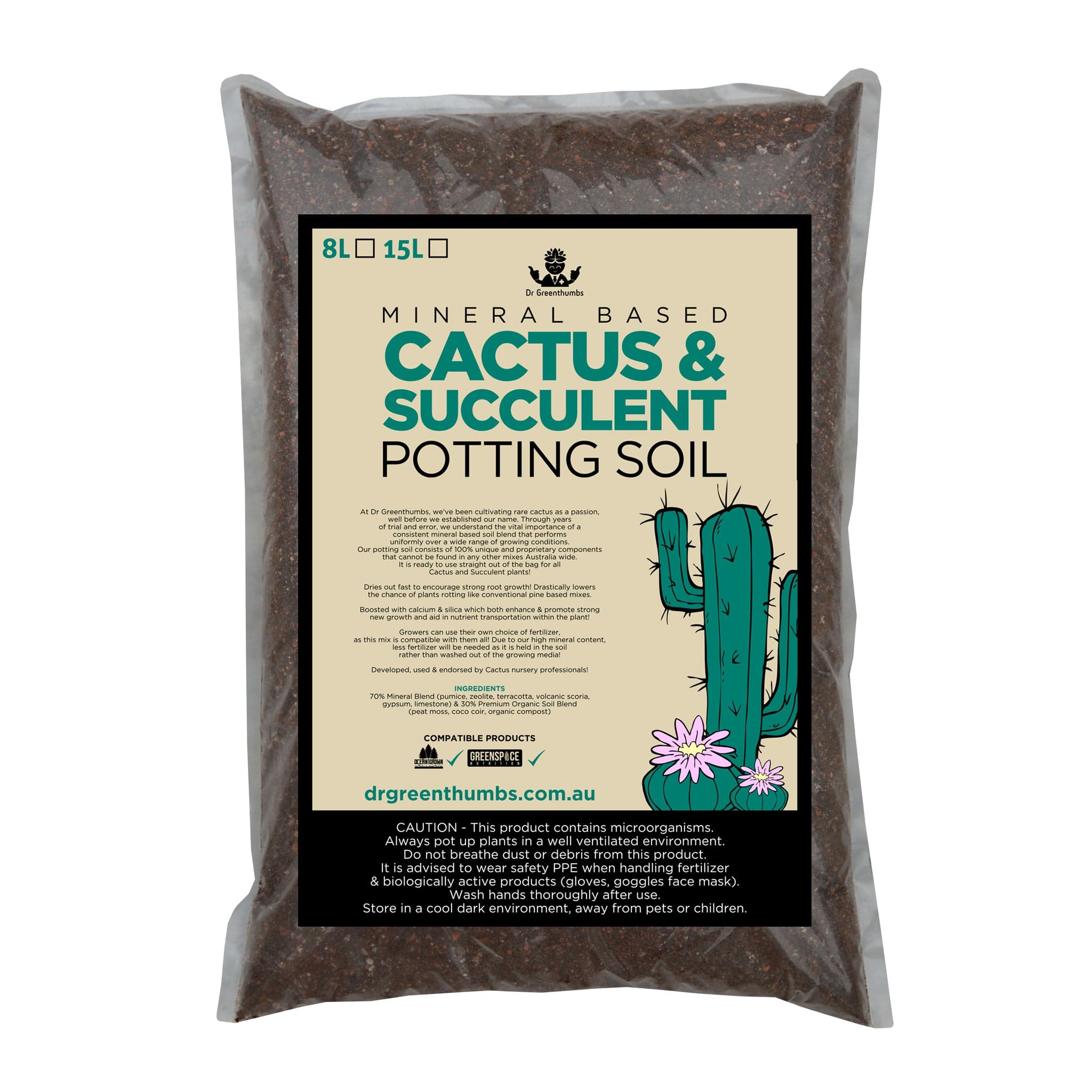
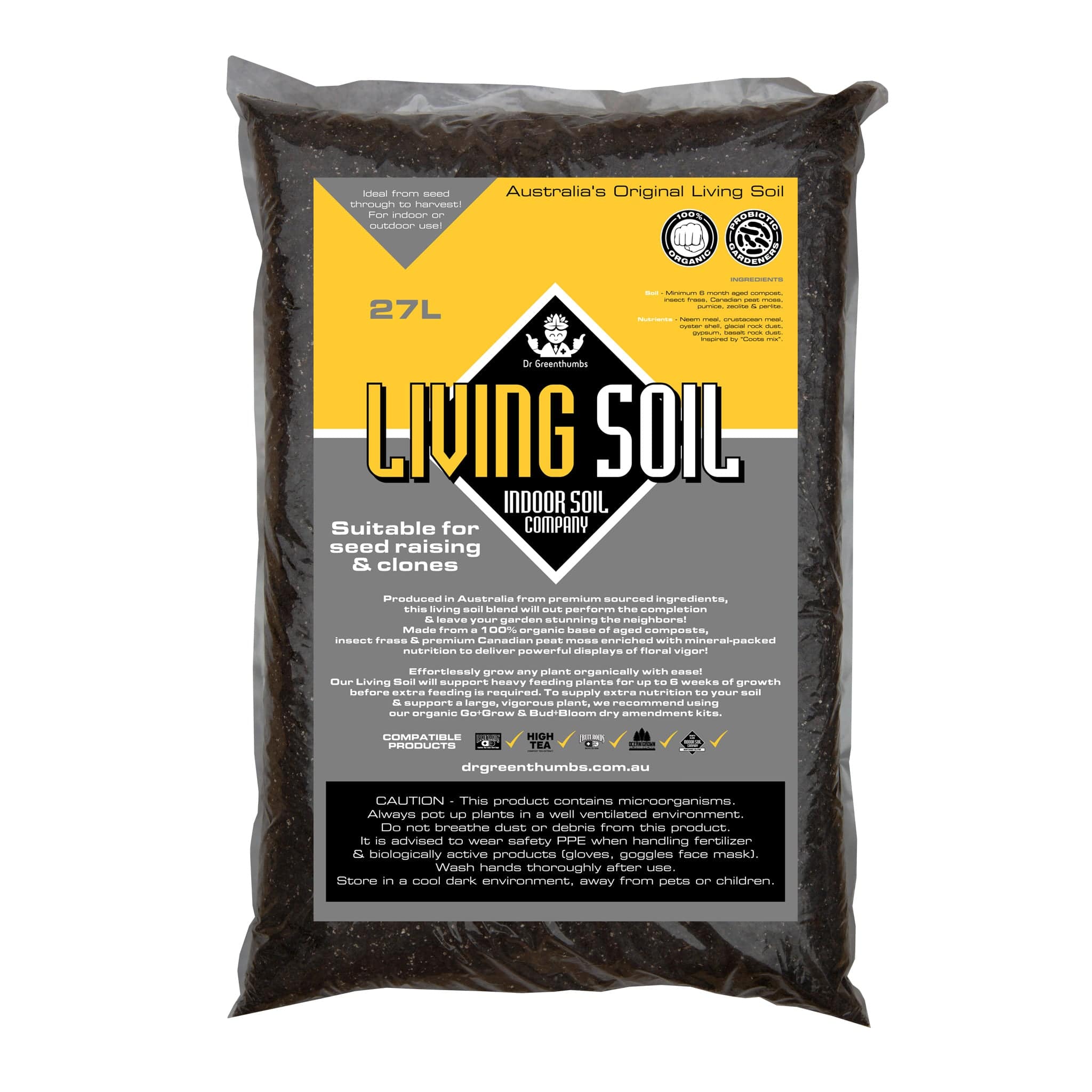
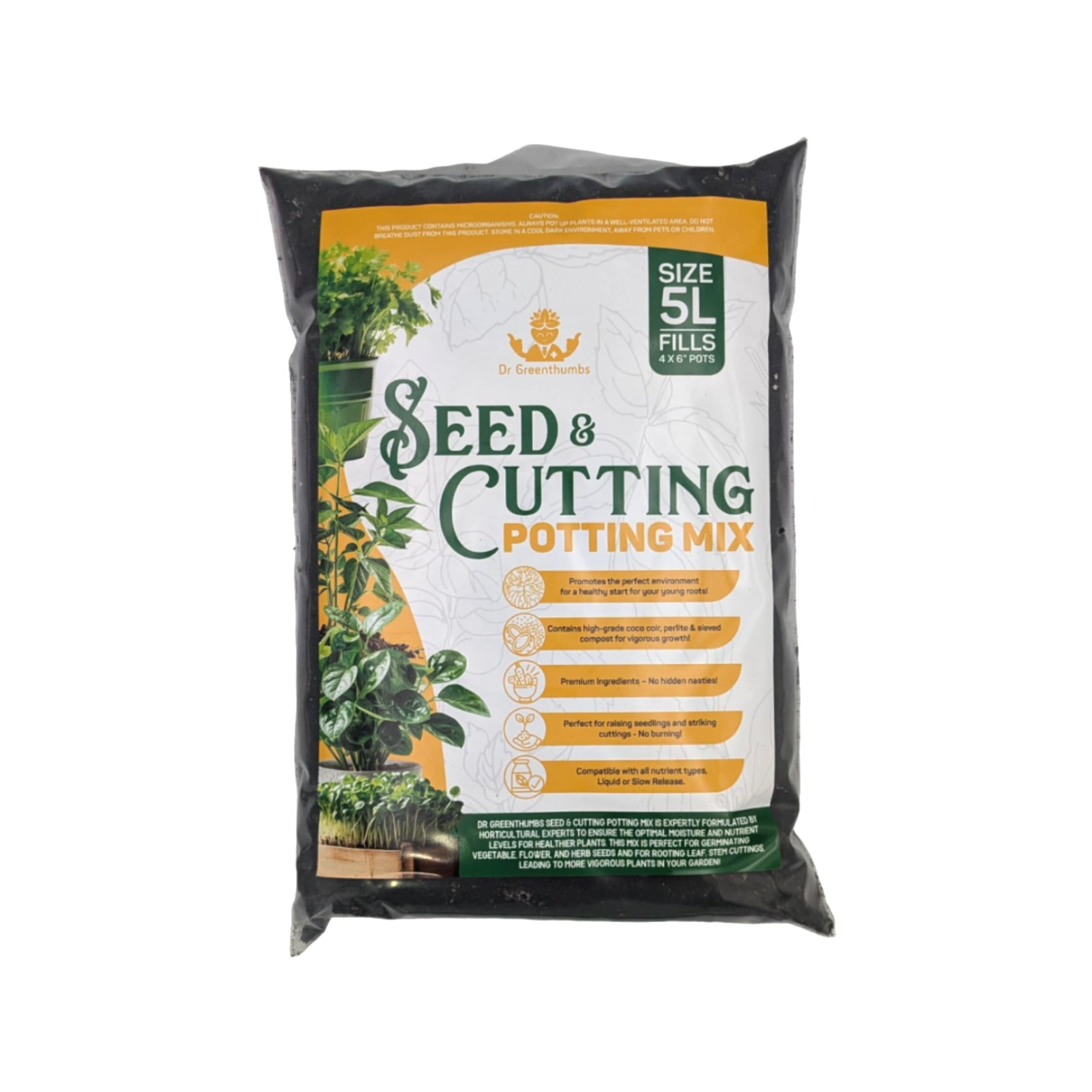
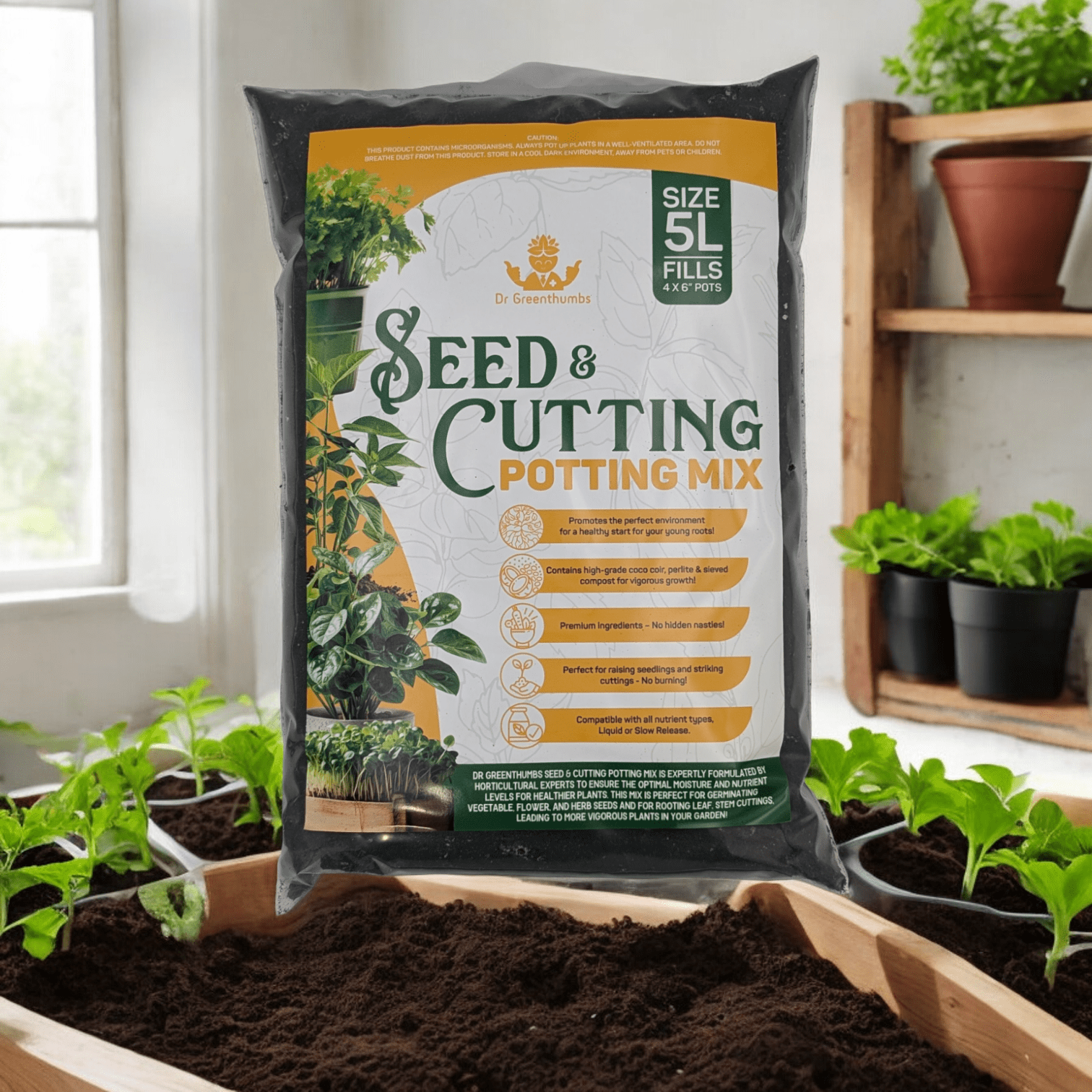
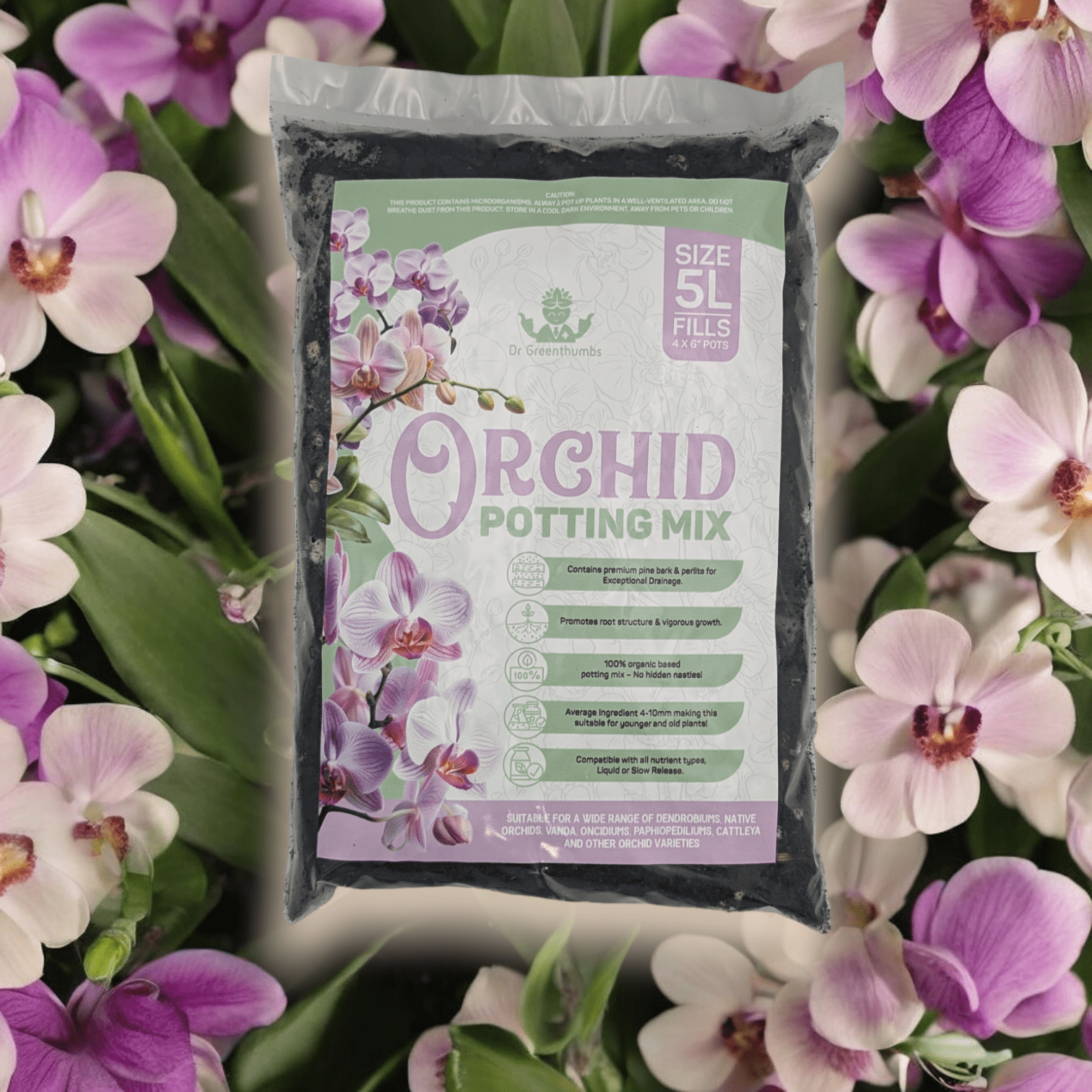
If the growing medium is depleted or unsuitable: Fresh chunky potting soil can help rebuild the physical root-zone environment rather than trying to correct an exhausted mix with fertiliser alone.
If watering is difficult to judge: A soil moisture meter can help you monitor moisture more consistently instead of relying on deficiency-like symptoms alone.
Browse our complete range of indoor plant care and easily transform your garden from struggling to thriving with a few simple, Aussie-made products.
And if you want to expand your collection with safe, fuss-free greenery, don’t miss - Your Family's Safe Haven: 12 Low-Light Indoor Plants That Love Australian Homes (And Won't Harm Your Pets).
Next Reads for Fixing Nutrient Issues and Keeping Indoor Plants on Track
Seeing yellow leaves, weak growth or other deficiency signs? These guides will help you choose the right fertiliser, improve your potting mix and build a stronger indoor care routine.
- Indoor Plant Fertiliser Guide Australia
- Liquid vs Slow-Release Plant Food
- Indoor Potting Mix Australia
- Indoor Plant Care Aussie Guide
About the Author