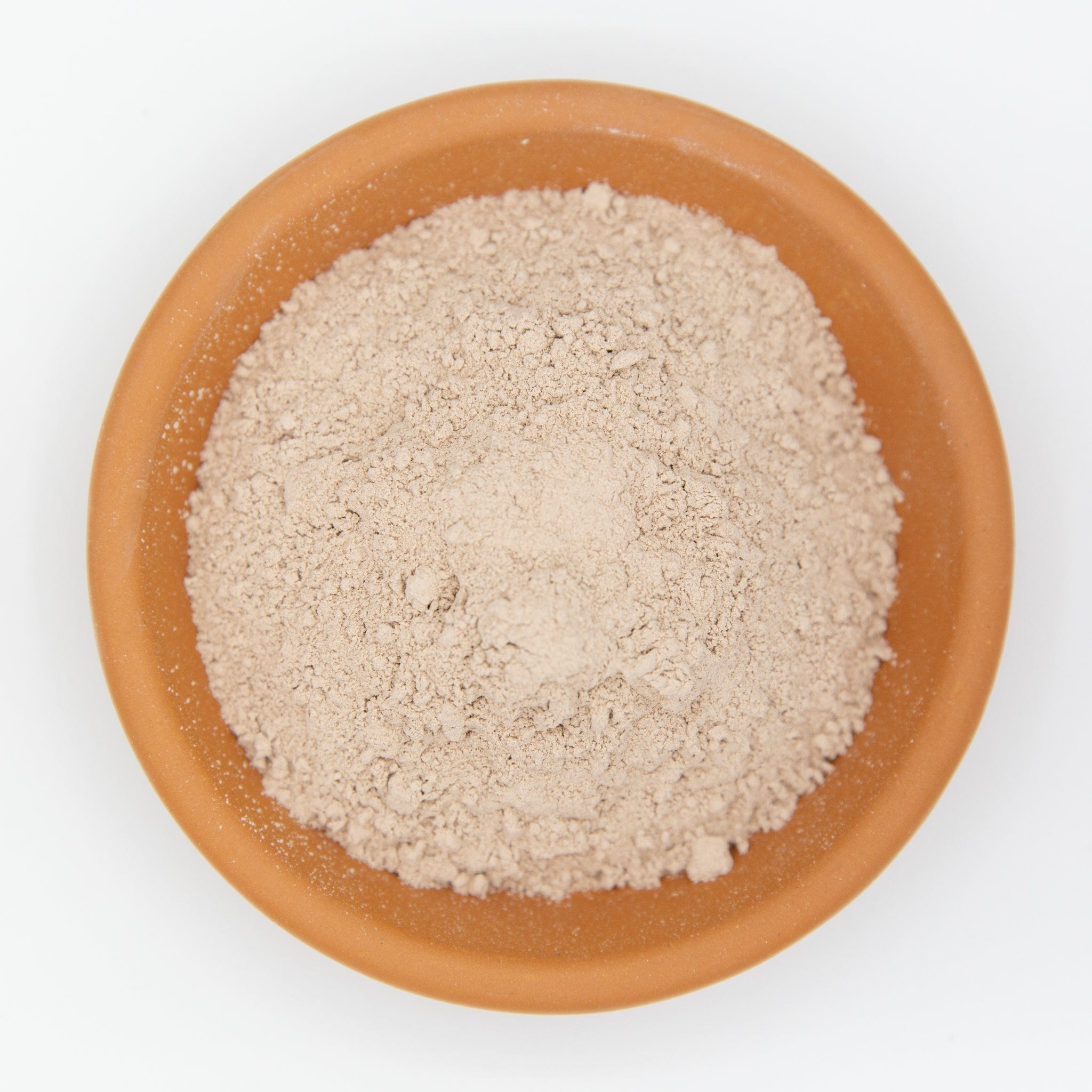
What exactly is AZOMITE rock dust?
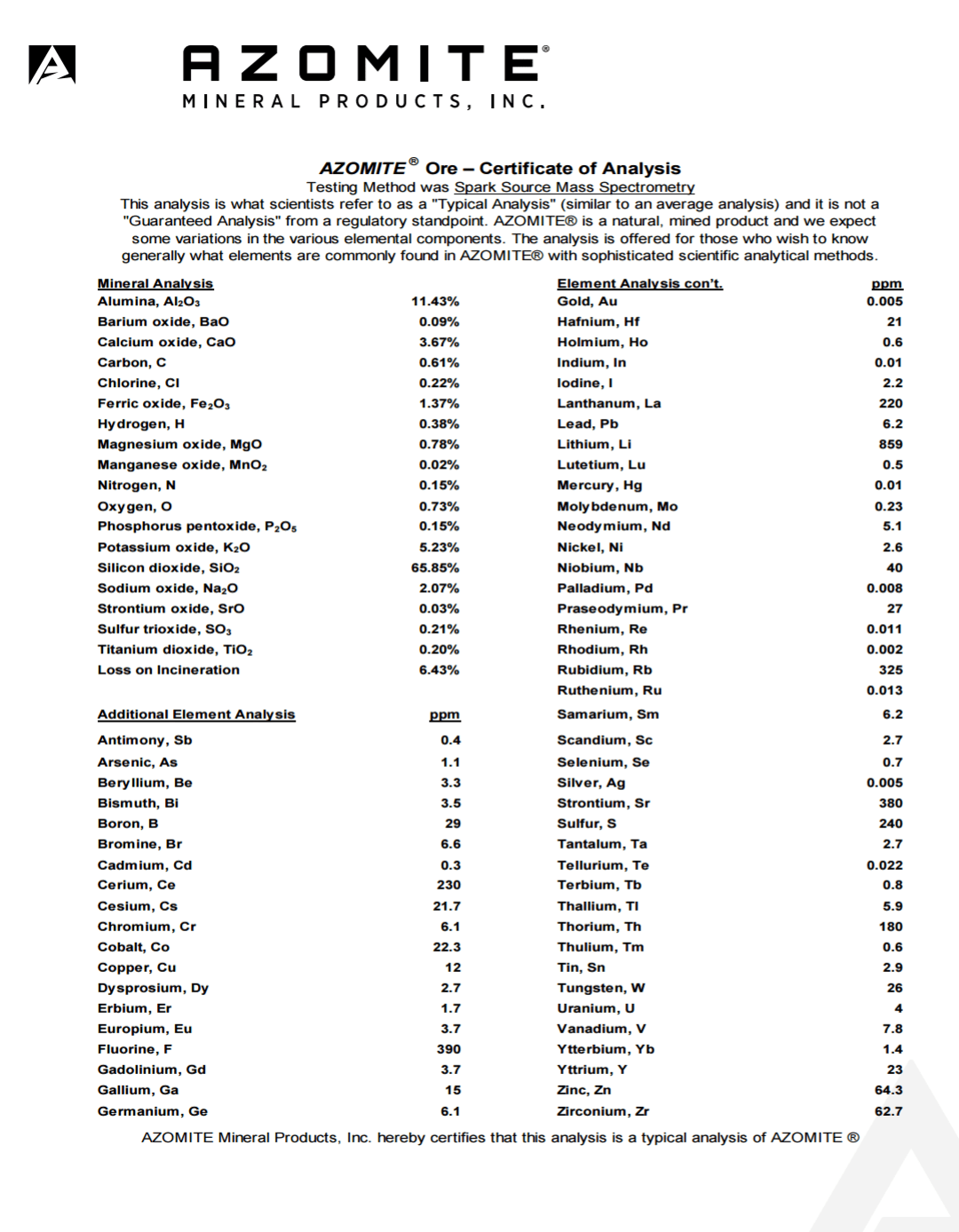
AZOMITE is a natural rock dust mined in Utah from ancient volcanic ash that settled in seawater. It’s packed with 70+ trace and rare-earth minerals (think: the “A to Z of minerals including trace elements”) that help remineralise tired soils. It’s not a conventional N-P-K fertiliser—it’s a broad-spectrum micronutrient source.
What does Azomite rock dust do for my plants?
It tops up trace minerals so plants can run their metabolism properly—better nutrient uptake, stronger roots, improved flavour and yields, and overall resilience. In lawns you’ll usually see deeper colour and better stress tolerance; in veg beds and fruit trees you’ll see sturdier growth and improved fruit/veg quality over time.
Is Azomite rock dust safe for organic gardens?
Yes. AZOMITE is OMRI-listed for organic production and contains no synthetic additives. It’s a mined mineral with naturally low heavy-metal levels and is safe to use as directed in veggie patches, orchards, and edible gardens.
Will Azomite rock dust change my soil pH?
AZOMITE itself is mildly alkaline (~pH 8), but typical use rates don’t measurably raise soil pH. It plays nice in acidic, neutral, or alkaline soils.
What’s the N-P-K of AZOMITE?
Very low—typically ~0-0-0.2. It’s not for macronutrients; it’s for the 70+ micro/trace elements your soil is probably missing.
How much should I use in garden beds?
For established beds: ~2.5 kg per 100 m² as a topdress, lightly raked in and watered. For new or depleted beds: up to ~5 kg per 100 m² worked into the top 5–10 cm. Re-apply once or twice a year.
What’s the rate for lawns?
About 1–1.5 kg per 100 m². Broadcast evenly and water in. Do it annually (spring or autumn), or up to 2–3× a year for hungry turf.
What about fruit trees, vines, and shrubs?
200–500 g per plant, spread from the trunk out to just past the dripline, then water in. For big established trees, 1–2 kg around the dripline is fine. Re-apply yearly.
Container plants and potting mixes—how do I dose it?
Mix 1–2 tablespoons (15–30 g) per 7–10 L of potting mix when potting up. For topdressing established pots, use ~1 teaspoon (5 g) per 15 cm pot, scaling up with pot size, then water in.
Seedlings—safe or overkill?
Safe at low rates. Blend a small pinch into your seed-starting mix per cell/plug or dust a whisper over the surface. Don’t go heavy—seedlings don’t need much.
Can I add Azomite rock dust to compost or worm farms?
Yep. Add a light sprinkle (a handful per 50–60 L bin) to compost layers to remineralise and buffer acids. For worm farms, use a teaspoon or two per tray every few weeks as a mineral grit—don’t dump piles in at once.
Can I use AZOMITE in hydroponics?
Not recommended for recirculating systems—it’s largely insoluble and can slurry/clog lines and pumps. If you’re doing coco or other “hydro-style” inert media, mix it into the media (1–2 tbsp per 10 L) rather than dosing the reservoir. For true hydro, stick to soluble micronutrient solutions.
Is a foliar spray worth it?
Not really. AZOMITE isn’t very soluble, so foliar use isn’t efficient. You’ll get better results adding it to soil/compost or topdressing.
How long does Azomite rock dust take to work?
It’s a slow-burner. Some wins (colour, vigour) can show within weeks, but the real value is cumulative—soil biology unlocks more of it over months. Re-applying lightly once or twice a year maintains the effect.
Can I overdo Azomite rock dust?
Yes—more is not more. Heavy applications can imbalance other nutrients. Stick to the rates above and re-apply modestly. If you’ve dumped heaps, dilute by blending more compost/soil and avoid adding other mineral salts until plants settle.
Does Azomite rock dust replace my fertiliser?
No. Think of AZOMITE as the missing micronutrient layer. You still need a good source of N-P-K (compost, organic fertilisers, or our nutrient kits). AZOMITE complements them.
Should I combine Azomite rock dust with other amendments?
Definitely. It pairs well with quality compost, humic/fulvic acids, biochar, kelp, and microbial inoculants (they help release the minerals). If you’re liming acidic soil, apply lime and AZOMITE separately (a few weeks apart) rather than stacking everything on the same day.
What mesh/grade is best?
Fine/micronised powders release faster (great for pots/veg beds but dustier). Coarser field/standard grades are easier for broadcasting on lawns and orchard rows. Granulated prills spread cleanly in a spreader and break down after watering.
Is Azomite rock dust pet- and kid-safe?
As a mineral dust, it’s inert and non-toxic, but treat it like any fine powder—don’t inhale it, keep out of eyes, and store away from kids and pets. Wear a dust mask and gloves when spreading.
When’s the best time to apply in Australia?
Beds/veggies: before planting and again mid-season. Lawns: spring and/or autumn (you can also do a light winter application in warm regions). Trees: once a year anytime, ideally just before active growth.
How do I actually apply Azomite rock dust without making a mess?
For beds and lawns, broadcast evenly with a hand spreader or shaker, then water in. For pots, mix it through the media before planting or scratch a small amount into the top 1–2 cm and water.
How long does a bag last—what coverage can I expect?
As a guide:
• 500 g ≈ ~20 m² of lawn at maintenance rates or ~40–50 small pots for topdressing.
• 1 kg ≈ ~40 m² of lawn or a couple of standard garden beds.
• 2.5 kg ≈ ~100 m² of lawn or several raised beds.
(Your mileage varies with how depleted the soil is.)
Will Azomite rock dust help with blossom end rot or other deficiencies?
Indirectly. AZOMITE supplies trace elements (including a bit of calcium), but if you’ve got an acute deficiency (e.g., calcium in tomatoes), address it directly with targeted nutrition and moisture management. AZOMITE is your long-term mineral insurance.
Is Azomite rock dust okay for natives and acid-loving plants?
Use lightly. Many Aussie natives (particularly Proteaceae) dislike heavy mineralisation and phosphorus. A very light dusting can be fine, but don’t pile it on and avoid stacking with P-rich feeds.
Any indoor-plant tips?
Go sparingly. Mix a teaspoon into a 150–200 mm pot when repotting, or topdress a pinch and water in. Pair with quality indoor potting mix and gentle liquid feeds.
Storage and shelf life?
Keep it dry, sealed, and out of direct sun. It doesn’t “expire,” but moisture will cake it—still usable, just harder to spread.
Quick recipe: living soil top-up?
Per 50 L of quality compost: add 1–2 cups AZOMITE, 1 cup biochar, a handful of kelp meal, and a splash of humic/fulvic acids. Blend, rest a week, then apply as a 1–2 cm mulch across beds or pots and water in.
Bottom line?
AZOMITE is your trace-mineral backbone. Use light, regular applications alongside compost and a balanced fertiliser program, and it’ll quietly lift plant health, yields, and flavour across the board.