
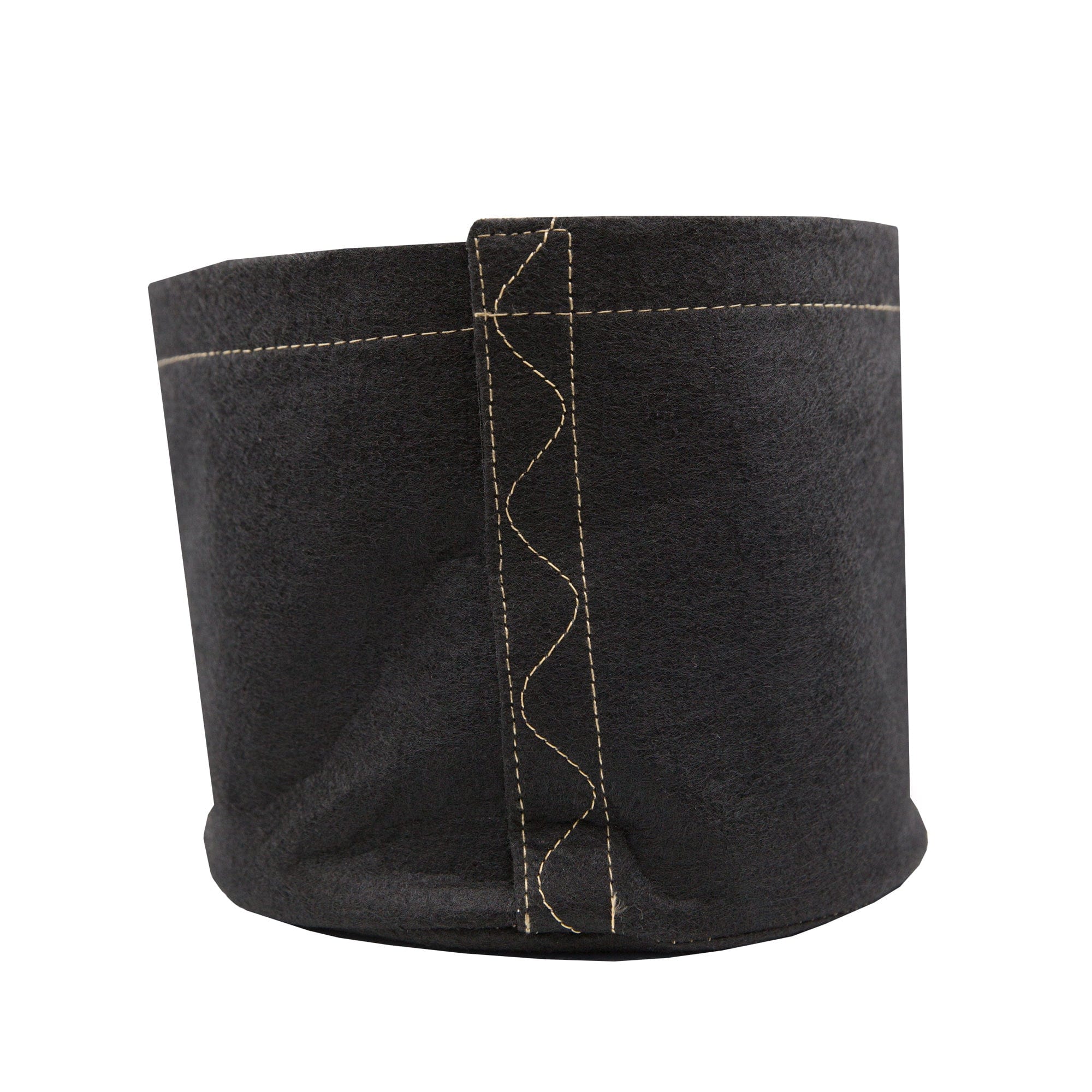
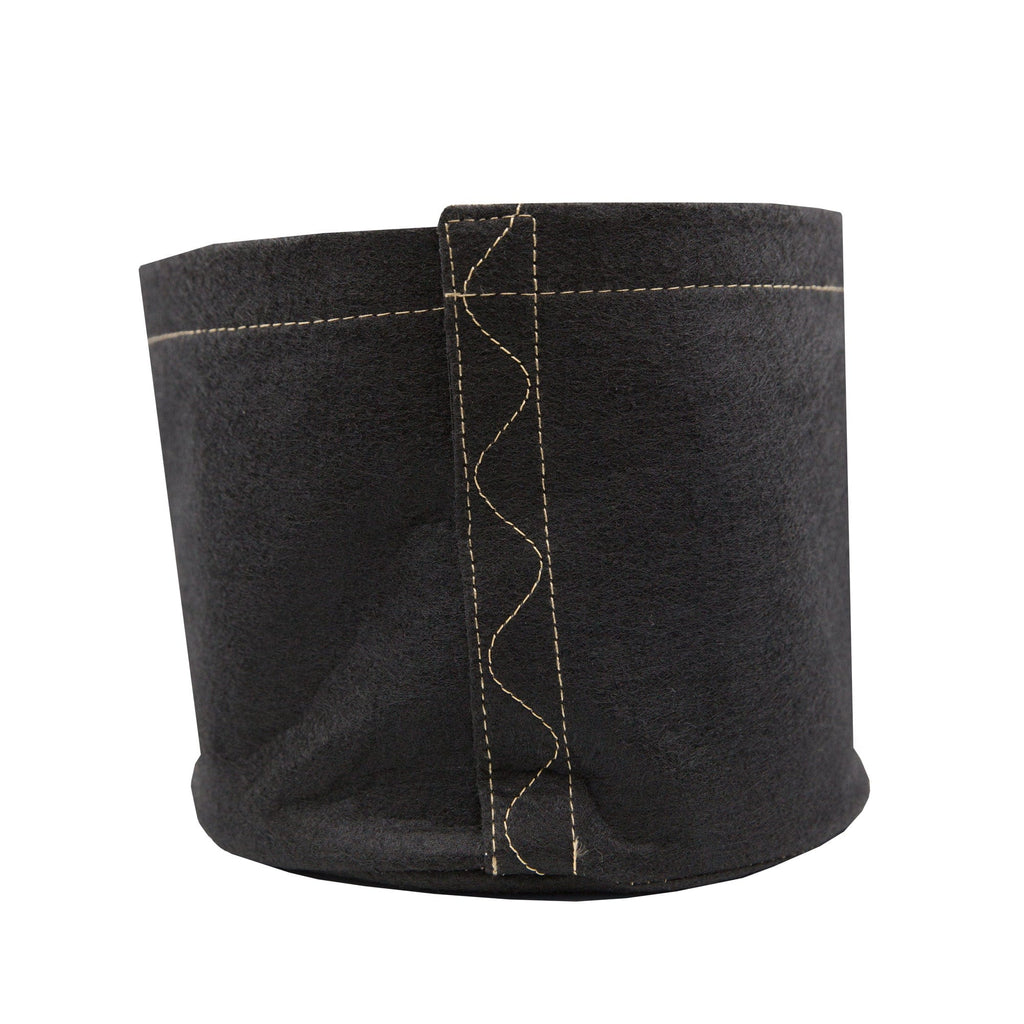

Transplanter Fabric Pots

Save 17%

Size: 5L
Price:
Sale price$5.00 Regular price$6.00

Pickup available at Bellambi

Usually ready in 24 hours

Description

Transplanter Fabric Pots are breathable fabric pots designed to support stronger root structure, better drainage and easier plant handling. Made from durable porous geo-textile fabric, they allow air to move through the pot wall and into the root zone, helping roots air prune instead of circling around the inside of a plastic pot.

These fabric grow pots are useful for indoor plants, outdoor containers, hydroponic setups, living soil, coco and fast-draining potting mixes. Sizes 10L and below include a handy Velcro tab to make repotting easier, while larger sizes work as standard fabric plant pots for longer-term growing.

Key benefits

  • Breathable fabric encourages air pruning and helps reduce root circling.
  • Porous geo-textile fabric allows air movement into the root zone.
  • Free-draining design helps reduce overwatering issues compared with traditional solid pots.
  • Useful for coco, living soil, perlite-heavy mixes and hydroponic flood-and-drain systems.
  • Flat-packed and lightweight, making storage and transport easier.
  • Velcro tab on 5L and 10L pots helps make transplanting and repotting simpler.

Best suited to

  • Indoor plants and houseplants that prefer a well-aerated root zone.
  • Vegetables, herbs, ornamentals and container-grown plants.
  • Coco coir, living soil and fast-draining potting mixes.
  • Hydroponic top-watering and flood-and-drain systems.
  • Balconies, patios, grow rooms and garden beds.
  • Growers looking for fabric pots in Australia in multiple sizes.

How to use it

Open the pot, fill with your chosen growing media and plant as you would in a standard container. Water slowly and evenly so the media has time to absorb moisture before runoff appears from the sides or base.

Fabric pots dry down faster than many plastic pots, especially in hot weather, direct sun or highly aerated mixes. Check moisture regularly and adjust watering frequency to suit your plant, media and environment.

For indoor use, place the pot on a saucer or tray to catch runoff. Outdoors, avoid leaving fabric pots sitting flat on wet surfaces for long periods, as airflow and drainage are important parts of how they work.

For more guidance, read our fabric grow bags Australia guide.

Choosing the right option

Choose your fabric pot size based on plant size, root mass and how long the plant will stay in the container.

  • 5L: 190 x 175 mm. Good for small plants, early pot-ups and compact grows.
  • 10L: 240 x 205 mm. Useful for small to medium plants and easy repotting with the Velcro tab.
  • 15L: Suitable for medium plants where extra root room is needed.
  • 20L: 290 x 270 mm. A practical all-round size for container growing.
  • 25L: 330 x 270 mm. Good for larger vegetables, ornamentals and longer veg periods.
  • 30L: 350 x 300 mm. Suited to larger plants and longer-term container grows.
  • 40L: 400 x 300 mm. Useful for bigger root systems, shrubs or larger garden plants.
  • 50L: 450 x 300 mm. A larger option for extended growing or bigger containers.
  • 90L: 520 x 430 mm. Best for large plants, trees, shrubs or bigger living soil volumes.

Measurements are approximate due to the flexible shape of the pots.

Check before buying

  • Only 5L and 10L pots include the Velcro tab; pots over 10L do not have this feature.
  • Fabric pots drain quickly, so they may need more frequent watering than plastic pots.
  • Use a tray or saucer if placing indoors.
  • Choose a size that suits your plant’s current root ball and expected growth period.
  • Allow used pots to dry fully before storing.
  • Clean between crops if you have had pests, disease or heavy salt buildup.

FAQs

What are fabric pots used for?

Fabric pots are used as breathable plant containers for indoor plants, vegetables, herbs, ornamentals, coco, living soil and some hydroponic systems.

Which sizes have the Velcro tab?

The 5L and 10L Transplanter Fabric Pots include a Velcro tab to help make repotting easier. Larger sizes do not have the Velcro feature.

Do fabric pots need more watering?

Often, yes. Because fabric pots breathe and drain freely, the growing media can dry faster than it would in a plastic pot.

Can I reuse these fabric plant pots?

Yes. Shake out old media, rinse or wash the pot, let it dry fully, and sanitise if pests or disease were present.

Transplanter Fabric Pots are a practical choice for growers who want breathable, easy-to-store fabric pots with strong drainage, useful size options and better airflow around the root zone.

Secure & Encrypted Payments

Logos for Google Pay, Airwallex, and PayPal.

Estimate shipping

Frequently Asked Questions (FAQ)

What are the main benefits of using Transplanter Fabric Pots?

These breathable pots support healthier root systems by promoting air pruningβ€”stopping roots from circling and encouraging dense, fibrous growth. They also improve drainage and oxygen flow, which helps reduce root rot and overwatering issues.

How do I water plants in Transplanter Fabric Pots without making a mess?

Water slowly in two passes to allow even absorption. They drain faster than plastic pots, so check moisture more oftenβ€”especially in hot or dry conditions. Bottom-watering works occasionally, but flushing from the top is better for salt buildup.

Can I use Transplanter Fabric Pots indoors or outdoors?

Yesβ€”just pair them with a saucer or tray indoors to catch runoff. Outdoors, they work well on patios, balconies, or garden beds. For best drainage, avoid placing them flat on damp surfaces for extended periods.

What types of growing media work best with these pots?

They work well with coco coir, perlite-heavy mixes, or living soil. Just adjust watering based on how fast your mix drainsβ€”fabric pots often mean faster dry-down, especially in well-aerated blends.

Are Transplanter Fabric Pots suitable for houseplants, seedlings, or trees?

Yes. They’re great for indoor plants prone to overwatering, seedlings (once established), and even shrubs or trees in larger sizes. For bigger plants, 40–90L pots offer room for deep root development and drainage.

Which Transplanter Fabric Pots have the Velcro tab, and what does it do?

Sizes 10L and under include a Velcro side tab that makes repotting easierβ€”just open the side to gently lift out the root ball with minimal stress. Larger sizes function like standard fabric pots without the Velcro.

How do I choose the right size Transplanter Fabric Pot?

Match the pot size to your plant’s current root mass and how long you plan to keep it in that pot. Smaller pots suit quick pot-ups; larger ones suit long-term growing. Sizes range from 5L to 90L to suit all plant types.

Do Transplanter Fabric Pots reduce transplant shock?

Yes. Air-pruned roots tend to be more fibrous and less tangled, and the Velcro side (on smaller pots) makes removal gentler. Water lightly before repotting to keep the root ball intact.

Can I reuse Transplanter Fabric Pots, and how do I clean them?

Yesβ€”they’re built for reuse. Shake out old soil, hose off debris, and hand-wash or machine-wash on gentle. Let them dry fully before storing. Sanitize if you’ve had pests or disease to prevent carryover issues.

What causes white crust or mold on the outside of the pot?

White crust is usually mineral buildup from nutrients or hard water. Mold can appear in humid conditions if pots stay wet too long. Avoid overwatering, improve airflow, and do occasional flushes to keep surfaces clean.

Do Transplanter Fabric Pots attract fungus gnats?

The pot itself doesn’t attract gnats, but consistently wet soil can. Let the top layer dry between waterings, use sticky traps, improve airflow, and consider top-dressing with mulch or sand to deter larvae.

Will these pots keep roots cooler than plastic ones?

Yes. The breathable fabric helps prevent heat buildup, making them a smart choice for summer or sun-exposed setups. Still, avoid leaving them empty and exposed long-term to extend fabric lifespan.

Are Transplanter Fabric Pots easy to move and store?

They’re lighter than rigid pots and have handles for easy carrying. Just note that large sizes filled with wet media get heavy fast. When not in use, they fold flatβ€”saving serious storage space.

How do I fix drainage issues in a fabric pot that stays too wet?

Use a chunkier soil mix, elevate the pot slightly, and make sure it’s not sitting in runoff water. If your plant is small or the environment is cool, watering less frequently also helps the pot dry evenly.

Are Transplanter Fabric Pots worth switching to from plastic?

If you want healthier roots, better drainage, and easier transplantingβ€”yes. Customers love the Velcro feature and breathability. Just expect to water a bit more often than with plastic pots.

You may also like

Recently viewed