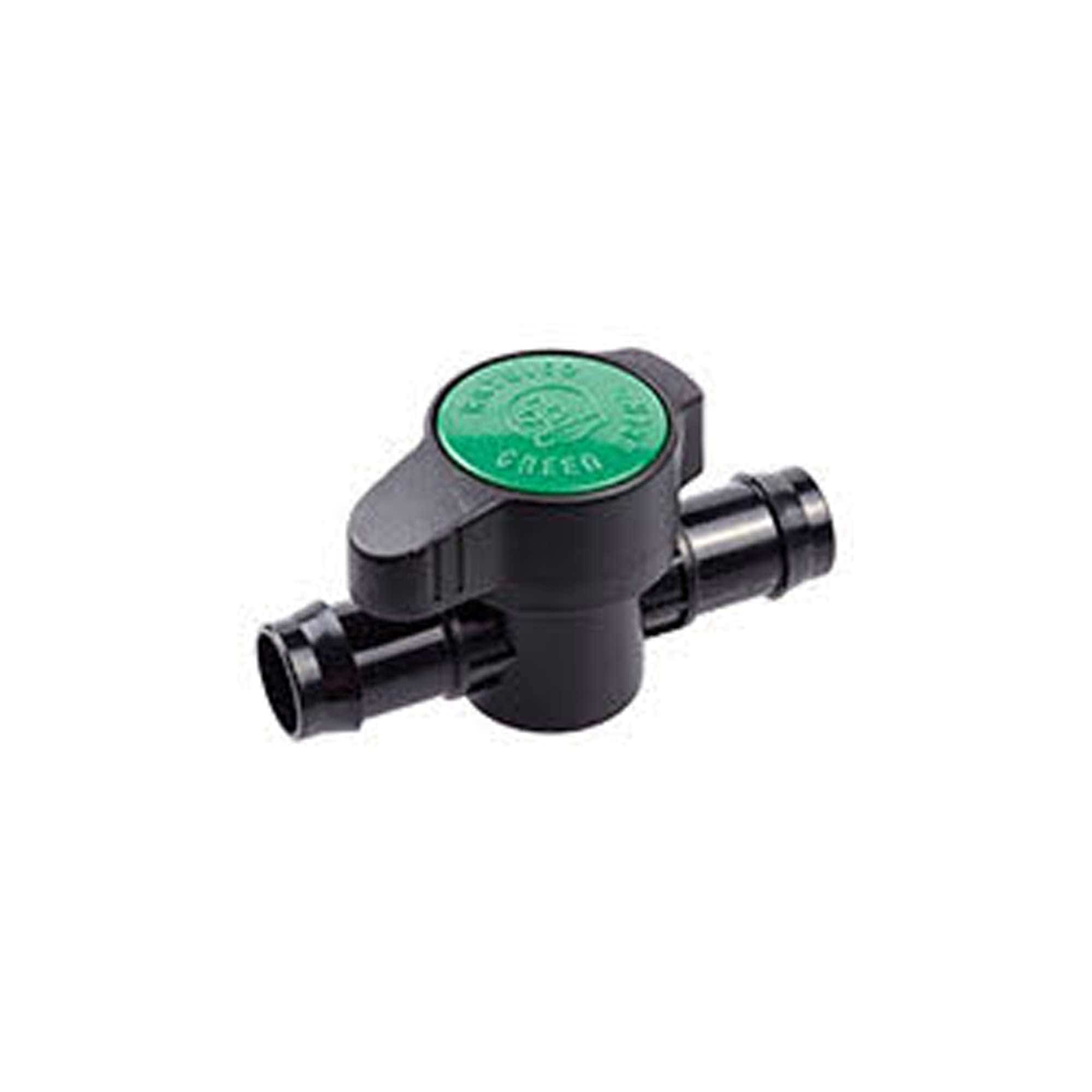
What is a Tap / Inline Valve used for?
Tap / Inline Valves are used to control water flow directly within irrigation lines. They’re ideal for hydroponics, garden beds, drip systems, recirculating setups, mixing tanks, and even emergency shutoffs. Unlike standard taps, they give you flow control exactly where you need it in the system.
How do I choose between 13mm, 19mm, and 25mm Tap / Inline Valves?
Match the valve to your hose size. 13mm suits small lines, 19mm is a solid all-rounder, and 25mm is best for high-flow systems. Bigger isn’t always better—oversized fittings can complicate layouts. Avoid forcing mismatched sizes or you'll risk leaks.
Can a Tap / Inline Valve fully shut off water flow?
Yes—it can completely stop water or adjust flow anywhere between full and closed. This makes it great for balancing drip systems, throttling to a filter or chiller, or isolating a section for maintenance without affecting the whole setup.
Does a Tap / Inline Valve reduce flow even when open?
Slightly—any valve creates some restriction. Using the correct size (not undersized) and keeping it fully open minimizes pressure loss. If you notice reduced performance, check your sizing and valve position.
Do I need clamps with Tap / Inline Valves?
Yes—especially for 19mm and 25mm lines or warm environments. Worm-drive clamps are reliable. Avoid using zip ties unless it’s temporary. A proper clamp ensures the hose won’t pop off under pressure or over time.
Why is my hose leaking or popping off the Tap / Inline Valve?
Common causes include rough or angled hose cuts, incorrect hose size, insufficient push depth, or no clamp. Always cut hoses cleanly, seat them fully over the barbs, and secure with a clamp.
Should I use thread tape or sealant on Tap / Inline Valves?
No—Tap / Inline Valves seal by hose grip and clamping, not threading. If you’re getting leaks, check for sizing issues, hose seating, or clamp tension. Sealants are messy and unnecessary for this type of fitting.
Is the Tap / Inline Valve safe for nutrient solutions and organics?
Yes—it’s widely used in hydroponic and irrigation systems. For organics or compost teas, flush more often to prevent biofilm buildup. Clean systems last longer and clog less.
Can Tap / Inline Valves clog over time?
They can if debris, sediment, or organic buildup occurs. Larger valves clog less than smaller ones. Use a filter on your pump intake and flush lines regularly—especially after using thick nutrient mixes.
Is the Tap / Inline Valve UV-resistant and outdoor safe?
Yes—it's made to withstand outdoor conditions. Over time, UV exposure can degrade any plastic, so shaded placement helps extend lifespan. “Aussie made” versions are designed for tough local climates and standard sizing.
What’s the most common mistake with Tap / Inline Valves?
Using the wrong valve size or skipping clamps, which leads to poor flow or leaks. Always match hose and valve sizes, seat the hose properly, and clamp securely to avoid problems.
How do I remove hose from a Tap / Inline Valve without damage?
Warm the hose slightly (with sunlight or warm water), then twist gently and pull. If it’s stubborn, slice the hose end lengthwise and peel it off rather than yanking and risking valve damage.
Where should I install a Tap / Inline Valve in my irrigation system?
Place valves where they’re easy to access—like just after a tee, near the start of a zone, or before a section that might need isolation. Good placement makes maintenance faster and cleaner.