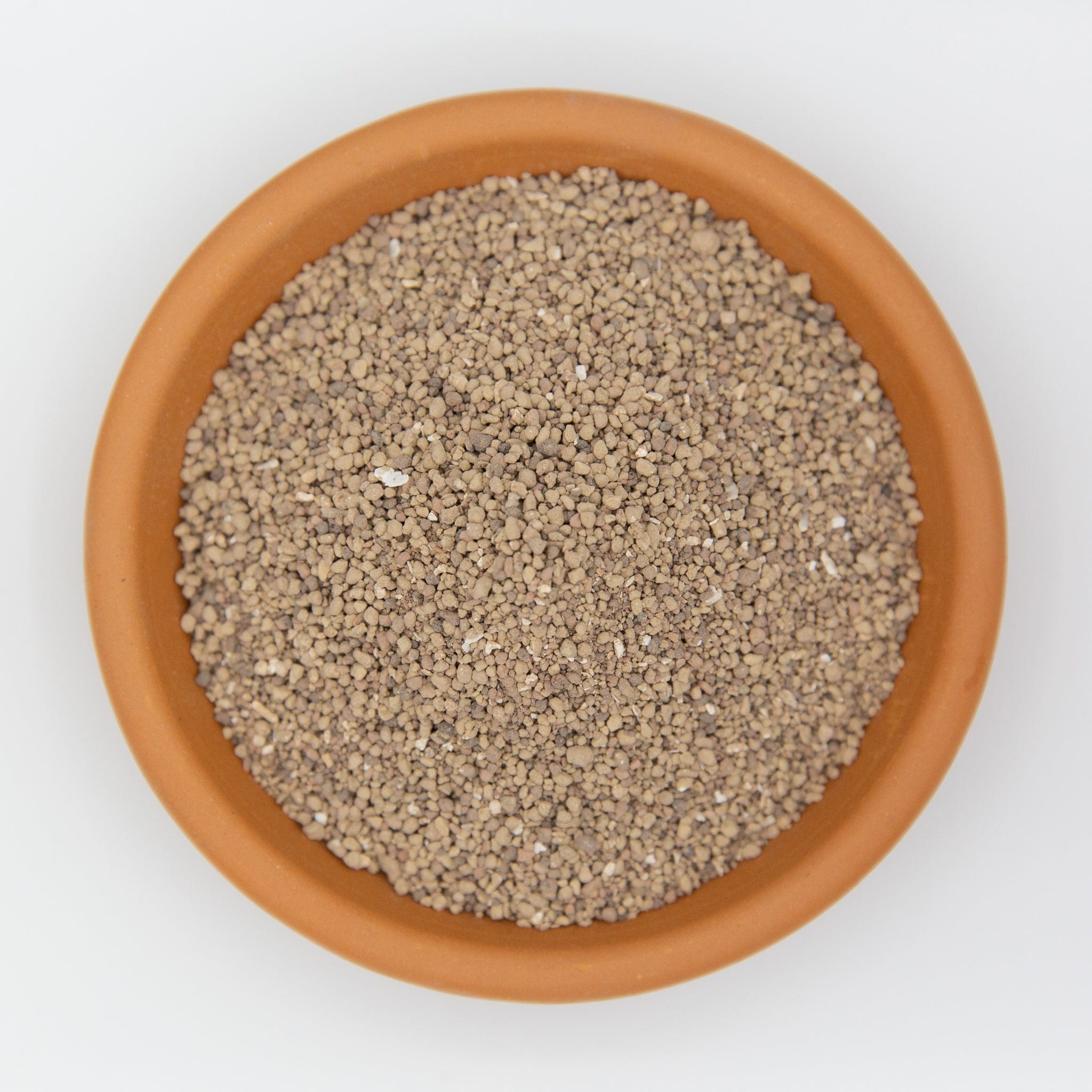
What is Soft Rock Phosphate, exactly?
A naturally occurring, unprocessed “colloidal” phosphate rock dust rich in phosphorus plus calcium and silica. It releases P slowly, improves soil mineral balance, and is microbe-friendly.
What’s the nutrient analysis?
Typical analysis on our product: Phosphorus 8–9% (as calcium phosphates), Calcium ~19.3%, Silicon 15–26%, plus trace elements (Fe, Mn, Zn, Cu, etc.). Water-soluble P is ~0.03% (it’s meant to be slow-release).
How is Soft Rock Phosphate different from superphosphate or triple super?
Superphosphate products are chemically treated to make phosphorus instantly soluble; Soft Rock Phosphate is unprocessed and releases P gradually as biology and mild acidity make it available—better for long-term soil building.
Does Soft Rock Phosphate contain cadmium or other heavy metals?
Our supply is specifically noted for not having cadmium issues, and unprocessed SRP is used as a cadmium-safe alternative to processed phosphates.
What does Soft Rock Phosphate actually do for plants?
Phosphorus drives root growth, flowering and fruiting; the calcium supports cell strength; the silica helps resilience. Expect stronger roots, sturdier stems, and better bloom/fruit set over time.
Recommended application rates?
Mix 50–100 g per 30 L of potting mix or apply ~125 g per m² in beds. Incorporate for best results.
How often should I reapply?
Because it’s slow-release, a single application can feed for years; many gardeners top up every 1–3 seasons depending on soil tests and crop demand (some sources note up to ~5 years of residual effect).
Where in the garden does it shine?
Beds and pots where you want sustained P and Ca: veggies, fruiting/flowering crops, roses, orchards, and long-term no-till soils. Mix into new beds or planting holes, or top-dress and lightly rake in.
Is Soft Rock Phosphate OK for Australian natives (Grevillea, Banksia, etc.)?
Be cautious—many Proteaceae and other natives are phosphorus-sensitive. If you use it at all, use very sparingly and only where a soil test confirms P deficiency. Low-P native fertilisers are usually safer.
Can I use Soft Rock Phosphate in hydroponic reservoirs or fertigation lines?
No. It’s largely insoluble (that’s the point) and will not play nicely in lines or tanks. Keep it in soil or soilless media; hydro systems generally rely on fully soluble salts instead.
Does Soft Rock Phosphate work in living soil / organic no-till setups?
Yes—SRP is microbe-friendly and pairs well with compost and biologically active mixes for steady, season-long phosphorus and calcium.
Should I blend Soft Rock Phosphate with anything?
Great with compost, worm castings, and other biology builders. On our page we call out pairing with Onyx and Diatomaceous Earth for robust growth. Avoid stacking with heavy liming at the same time—you already get a good Ca bump here.
What soil pH does Soft Rock Phosphate prefer?
Availability is best in slightly acidic soils or where microbial activity is high. In high-pH/calcareous soils, P release is slower—lean on biology (compost) to help.
Will Soft Rock Phosphate burn plants?
No—SRP has a low salt index and releases nutrients slowly. Mix in or lightly top-dress and water in.
How quickly will I see results?
It’s not a “fast green-up” fertiliser. Expect gradual, compounding benefits—root vigor and steady flowering/fruiting over the season and beyond. Some users report early improvement when biology is strong.
Is Soft Rock Phosphate OMRI/organic-acceptable?
Soft rock phosphate products are widely used in organic systems; they’re unprocessed minerals rather than synthetics. Always check your scheme, but the ingredient itself is a staple in organic gardening.
How does Soft Rock Phosphate compare to bone meal or fish bone meal?
Bone meals release phosphorus faster but add less silica and different Ca chemistry; SRP is cheaper per kg of total P and lasts longer in soil. Many growers use a mix: SRP for long-term, bone sources for near-term availability.
Can I top-dress, or must I dig it in?
Either works. Incorporation increases contact with biology. For established beds, top-dress and gently rake in or water in; for new beds/trees, mix into backfill.
Good for seedlings or transplants?
Yes—use lightly in the mix or a small sprinkle in the planting hole to encourage strong roots without risking burn.
What if my soil already tests high in phosphorus?
Skip it or go very light. Over-applying P can lock out micronutrients and doesn’t improve yields. Use a soil test to decide.
Is Soft Rock Phosphate water-soluble for foliar feeding?
No. Water-soluble P is negligible (~0.03%), so it’s not suitable for foliar. Keep it in the soil realm.
Any compatibility tips with mycorrhizae?
Excellent together. Mycorrhizae and diverse microbes help unlock the slow-release P from SRP—ideal for living soils.
How long does a bag last in storage?
Indefinite if kept dry and sealed—it’s a mineral rock dust and won’t “go off.” Lumpiness from humidity is cosmetic; break it up before use.
What sizes do we stock?
500 g, 1 kg, and 2.5 kg. Handy for pot growers through to bed builders.
Signs I might need more phosphorus?
Slow growth, poor root development, purpling on some crops, weak flowering/fruiting—confirm with a soil test before you dose.
Does Soft Rock Phosphate leach away?
Not easily—another reason it’s ideal for long-term nutrition. Once in the soil, it stays put until biology and roots access it.
Can I use Soft Rock Phosphate for lawns?
Yes—work into the top layer during renovation or top-dress lightly; it builds P and Ca over time without surge growth.
Any “don’ts”?
Don’t dump it into hydro/fertigation tanks; don’t over-apply on P-sensitive natives; and don’t expect instant results—build biology and give it a season.
Quick start recipe (pots): how would you use Soft Rock Phosphate in a 30 L container?
Blend 50–100 g into your potting mix, add compost or worm castings, inoculate roots (mycorrhizae), and water in. Top-dress lightly at first flower set if it’s a long season crop.
Can I combine Soft Rock Phosphate with Dr Greenthumbs blends?
Yep. It layers well with our dry amendments and living soils to extend the P/Calcium runway. If you’re already on Bud & Bloom or similar, go modest on extra SRP unless your soil test calls for it.
Why choose Soft Rock Phosphate over generic rock phosphate?
You’re getting an unprocessed, cadmium-safe source with published analysis (P 8–9%, Ca ~19%, Si 15–26%) and proven results in Aussie gardens—without the “hot” salts that can knock your biology around.