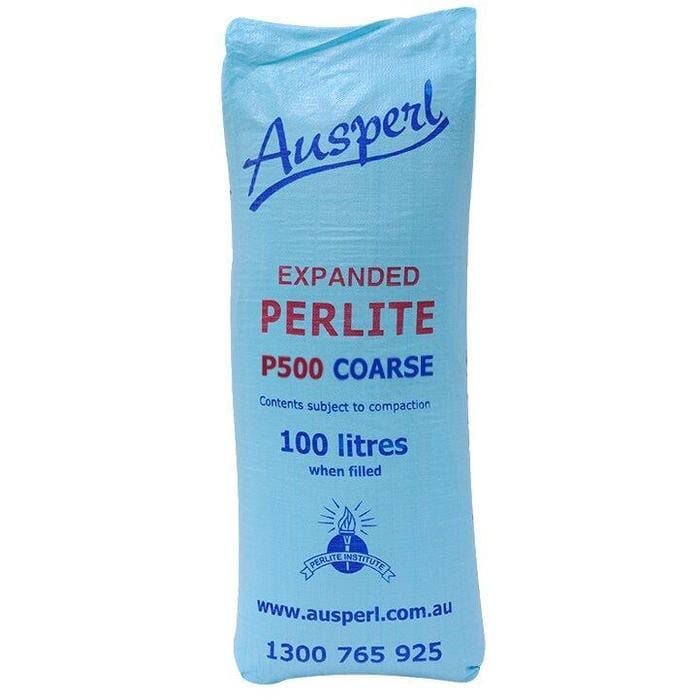
What is Perlite Coarse P500 (Ausperl) and what does “P500” mean?
Perlite Coarse P500 (Ausperl) is a horticultural-grade, heat-expanded volcanic rock used to improve drainage and aeration. “P500” refers to its coarse particle size, which creates larger air pockets than medium grades—ideal for chunky mixes and plants that hate wet feet.
What are the best uses for Perlite Coarse P500 (Ausperl)?
It’s ideal for aroid mixes, succulents, orchids, veggie containers, and indoor or outdoor pots needing better drainage. It also helps fix soggy mixes, lighten heavy soils, and improve oxygen around roots—key for preventing root rot and fungus gnats.
Will Perlite Coarse P500 (Ausperl) dry my mix out faster?
Yes—coarse perlite adds air space, which usually reduces water retention. That means better drainage but also more frequent watering, especially in warm or dry conditions. It’s great if you tend to overwater or want healthier root systems.
How much Perlite Coarse P500 (Ausperl) should I use in my mix?
For houseplants, use 10–25%; for aroids or tropicals, 20–40%; and for succulents/cacti, 30–60%. In coco blends, a 70/30 coco/perlite mix is common. You can also mix it with compost, worm castings, or vermiculite to balance water retention and drainage.
Can I use Perlite Coarse P500 (Ausperl) on its own or in hydroponics?
Yes. It’s used in hydro systems like drip setups or Dutch buckets. Pure perlite can work as a grow medium, but it holds no nutrients and dries quickly, so consistent irrigation and feeding are essential. Keep loose perlite out of pumps and lines.
How does Perlite Coarse P500 (Ausperl) compare to pumice, vermiculite, or sand?
Perlite is lighter than pumice and cheaper per litre, but more floaty. Vermiculite holds more water, while perlite improves drainage. Sand is heavier and can reduce airflow. Coarse perlite is best when you want maximum aeration and a light mix.
Should I rinse Perlite Coarse P500 (Ausperl) before using it?
Yes. Rinsing reduces dust, makes it easier to mix, and prevents a cloudy first watering. Use a colander or bucket to rinse and let water run clear. If handling large amounts, wear a mask and work in a ventilated area.
Does Perlite Coarse P500 (Ausperl) float or work as a top or bottom layer?
It’s very lightweight, so it can float during watering. Mixing it throughout the soil works better than layering. For top dressing, it tends to blow or wash away—use bark or heavier materials if surface stability matters.
Can I reuse Perlite Coarse P500 (Ausperl)?
Yes. Shake out roots, rinse well, and soak if salt buildup occurred. While it doesn’t break down like organics, rough handling can crush it into smaller pieces over time. Reuse is best for larger volumes or non-sterile applications.
How should I store Perlite Coarse P500 (Ausperl) after opening?
Keep it sealed in a tub or tightly clipped bag to stay clean and dry. It may arrive compressed—just fluff it up before using. Ausperl perlite is generally clean, but a quick rinse and visual check are smart before use.
Is Perlite Coarse P500 (Ausperl) safe for veggies, pets, and kids?
Yes—it’s widely used in edible crop mixes. It’s not toxic, but the dust can irritate lungs and eyes, and the granules may be a choking hazard. Always dampen it before use and store it out of reach of small hands and paws.
Can algae or mold grow on Perlite Coarse P500 (Ausperl)?
Perlite itself doesn’t rot, but algae or mold can grow on organic matter if conditions are too wet and exposed to light. Improve airflow, reduce surface moisture, and block direct light to prevent buildup.
What sizes are available and which bag should I choose?
Perlite Coarse P500 (Ausperl) is available in 10L, 25L, 50L, and 100L. Choose 10L for small jobs, 25–50L for regular indoor plant care, or 100L for large mix batches, container gardens, or shared use.
What’s the most common mistake with Perlite Coarse P500 (Ausperl)?
Using it dry (hello, dust storm), not adding enough to actually change your mix, or forgetting to adjust your watering. Coarse perlite drains fast—expect your plants to need more frequent but less soggy watering.
Any best practice tips for using Perlite Coarse P500 (Ausperl)?
Pre-wet before mixing, use enough to shift your mix structure, and water more gently. Expect a change in watering habits—usually for the better. Bonus: it makes your pots lighter and roots happier.