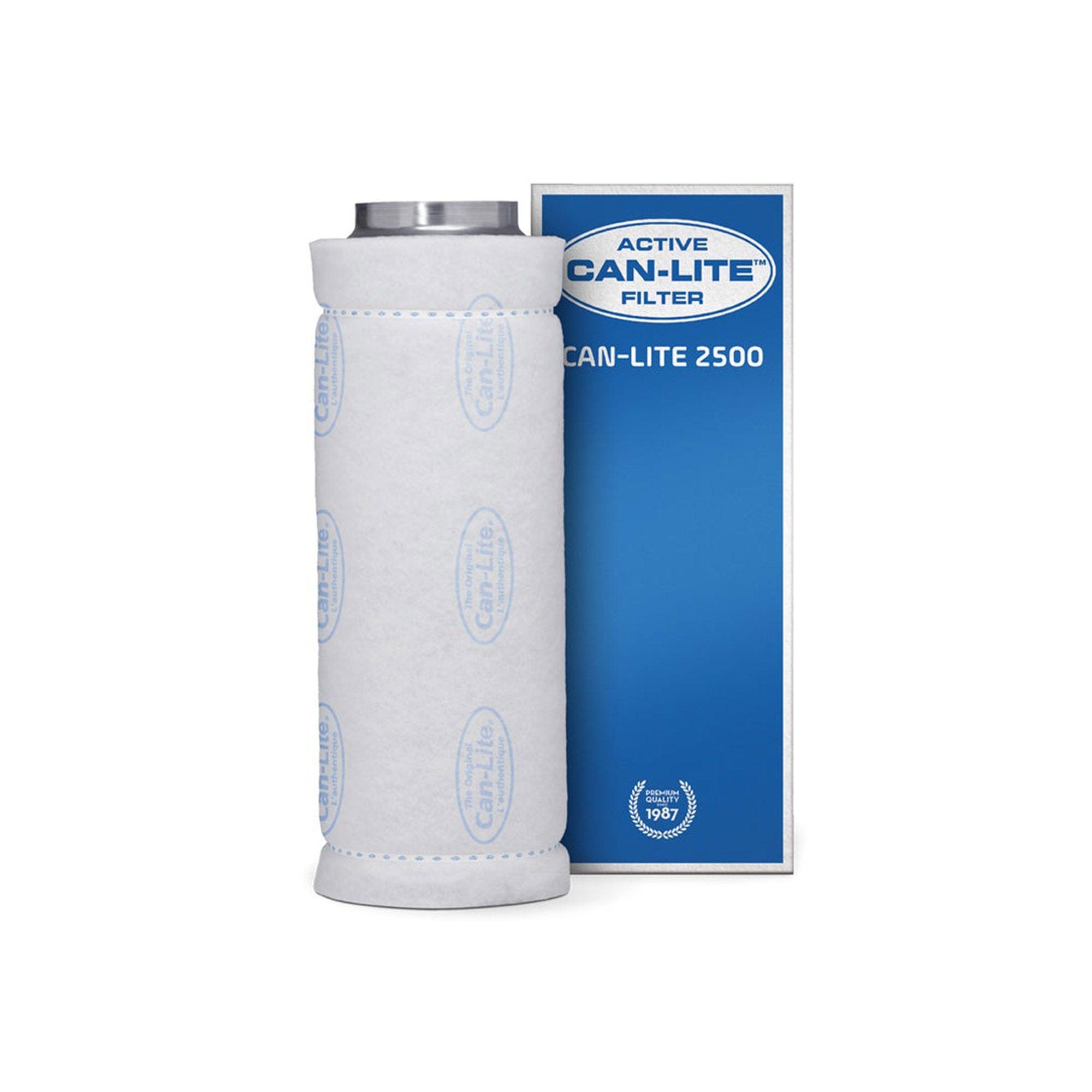
What does the Can Lite Carbon Filter GT 3000 (315mm Flange) do?
It filters odours and VOCs from your exhaust air using activated carbon. Ideal for grow rooms, drying spaces, or any area needing discreet ventilation. It can be used for recirculating setups too, but venting out is better for managing heat and humidity.
What fan and ducting size should I use with this filter?
This filter is designed for 315mm fans and ducting. While reducers are possible, they add restriction and turbulence. For best airflow and smell control, match everything to 315mm end-to-end.
What is the airflow capacity of the Can Lite GT 3000 filter?
It handles up to 3000 m³/h (about 1,775 CFM). However, running slightly below max usually improves odour control by giving air more contact time with the carbon. Use a speed controller for fine-tuning.
Where and how should I mount the Can Lite GT 3000?
Mount high in your grow space, supported with heavy-duty straps. It weighs 26kg, so avoid flimsy poles. It can be mounted horizontally if supported properly. Ideal for large tents or dedicated rooms.
What materials and carbon are used in this filter?
It features a 50mm bed of CKG 48 Australian activated carbon inside a steel housing with aluminium top and bottom. The integrated flange and 51% perforated casing help maximize airflow and filtration efficiency.
Is a pre-filter included and do I need it?
Yes, a pre-filter sleeve comes with it. It catches dust and debris before it reaches the carbon, preserving airflow and extending filter life. Clean it regularly and never run the filter without it.
How long does the Can Lite GT 3000 last?
Typical lifespan is 12–18 months depending on humidity, airflow, and dust. Replace when odour returns during peak smells or when airflow drops even after cleaning the pre-filter.
Can I wash or refill the filter?
No. Only the pre-filter can be washed. The carbon inside can't be cleaned or recharged at home—once it’s spent, the filter needs replacing. Trying to reuse old carbon will reduce performance.
How does humidity affect this carbon filter?
It’s rated for up to 70% relative humidity. Higher levels reduce carbon’s effectiveness and shorten lifespan. Watering often spikes humidity, so monitor RH closely for consistent smell control.
How do I know if my setup has negative pressure?
If your tent walls pull inward slightly, you have negative pressure—this ensures air flows through the filter, not out through leaks. It’s essential for keeping odours contained and directing all air through the carbon.
Do I need to seal duct joins when using this filter?
Yes. Use proper clamps and seal all joins with foil HVAC tape to prevent leaks. Smell usually escapes through loose connections or areas not under negative pressure.
Should I run the filter constantly or only during lights-on?
You can run it 24/7—many growers do for full-time odour control. Smells don’t always follow light cycles, so consistent extraction is better if stealth matters.
Does the Can Lite GT 3000 reduce noise?
Only slightly. Most noise comes from fan vibration, duct turbulence, and sharp bends. For quieter setups, use smooth ducting, vibration dampening, and a speed controller to reduce fan speed.
What’s the biggest mistake with this filter?
Overpowering the fan and ignoring duct leaks. High airflow can blow air through too quickly for proper filtration, and leaks can bypass the filter entirely. Always balance airflow and seal your system well.
What are the full specs and how should I store it?
315mm flange, 3000 m³/h max flow, 400mm diameter, 1000mm length, 26kg, CKG 48 carbon, 50mm bed, steel body, universal airflow. Store sealed in cool, dry conditions—carbon can absorb smells even when not in use.