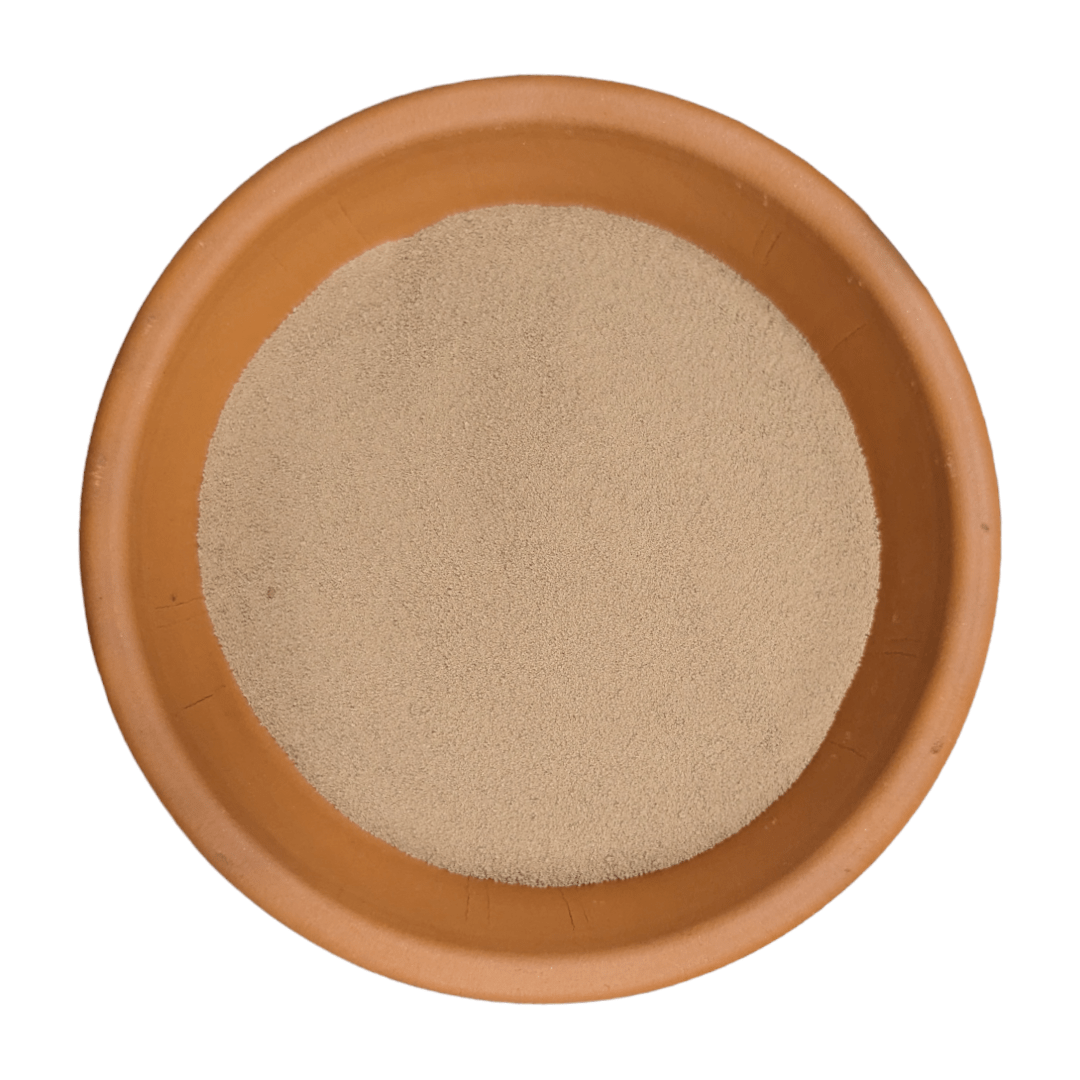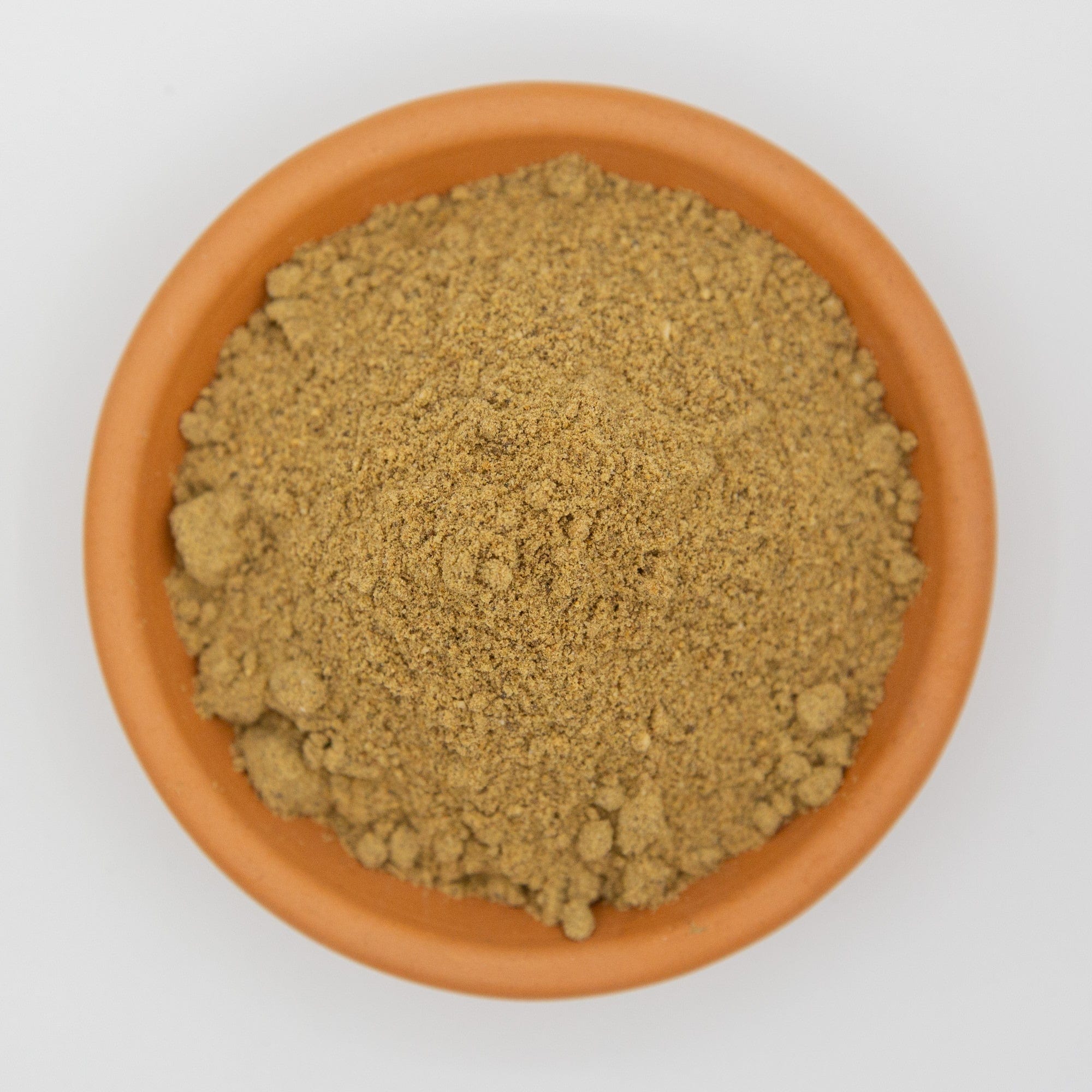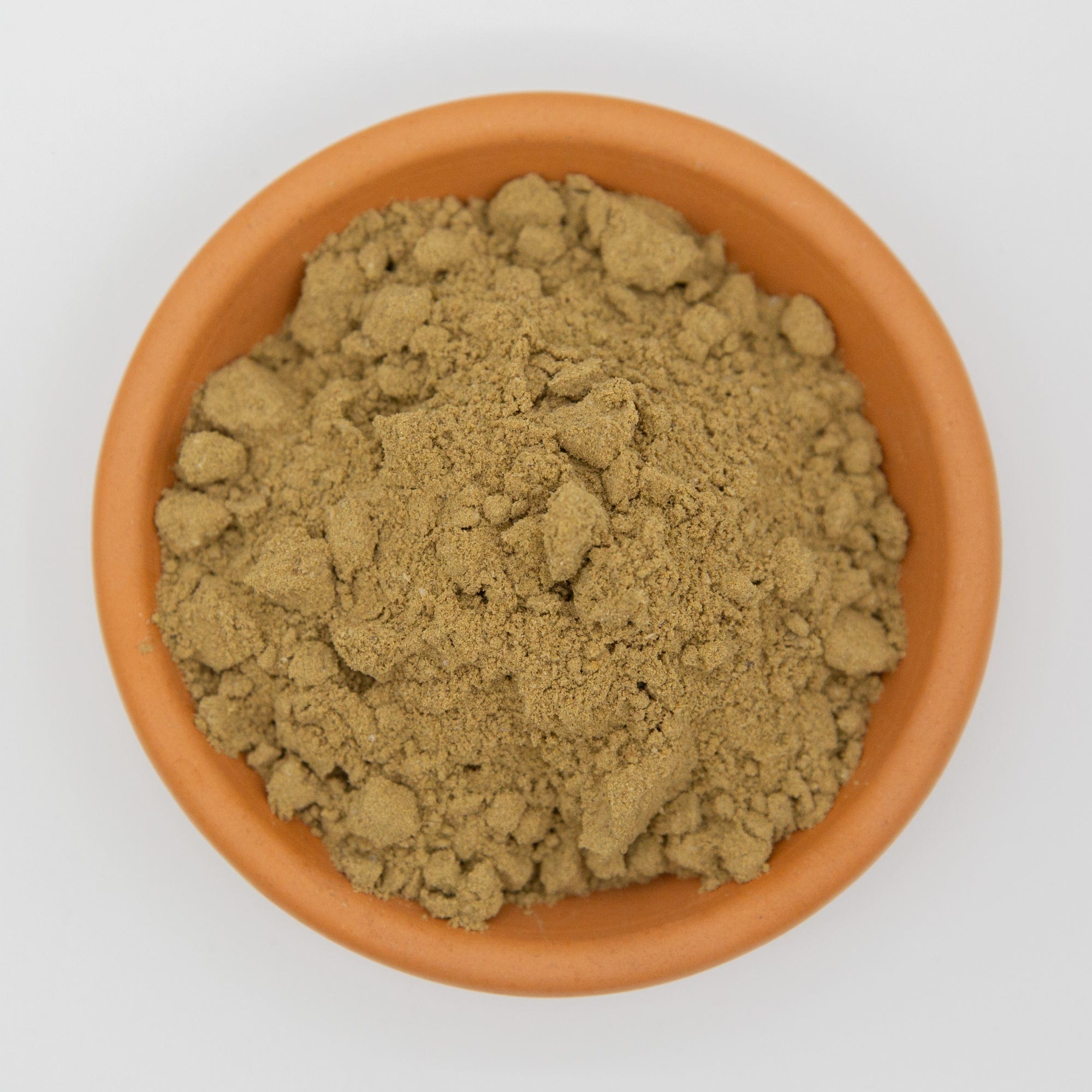

Glomalin is a vital and newly discovered substance excreted by fungi that are present in the roots of plants. It is important for soil health and plant growth, and plays a significant role in maintaining the delicate balance of our ecosystem.
Table of Contents
- What is Glomalin?
- Glomalin vs GRSP — why the science sometimes sounds confusing
- How do scientists measure it — and can you at home?
- Benefits for Soil Health
- Improving Glomalin Levels
- What we’re still learning (and why that’s exciting)
-
Next reads for building stronger soil structure and healthier roots
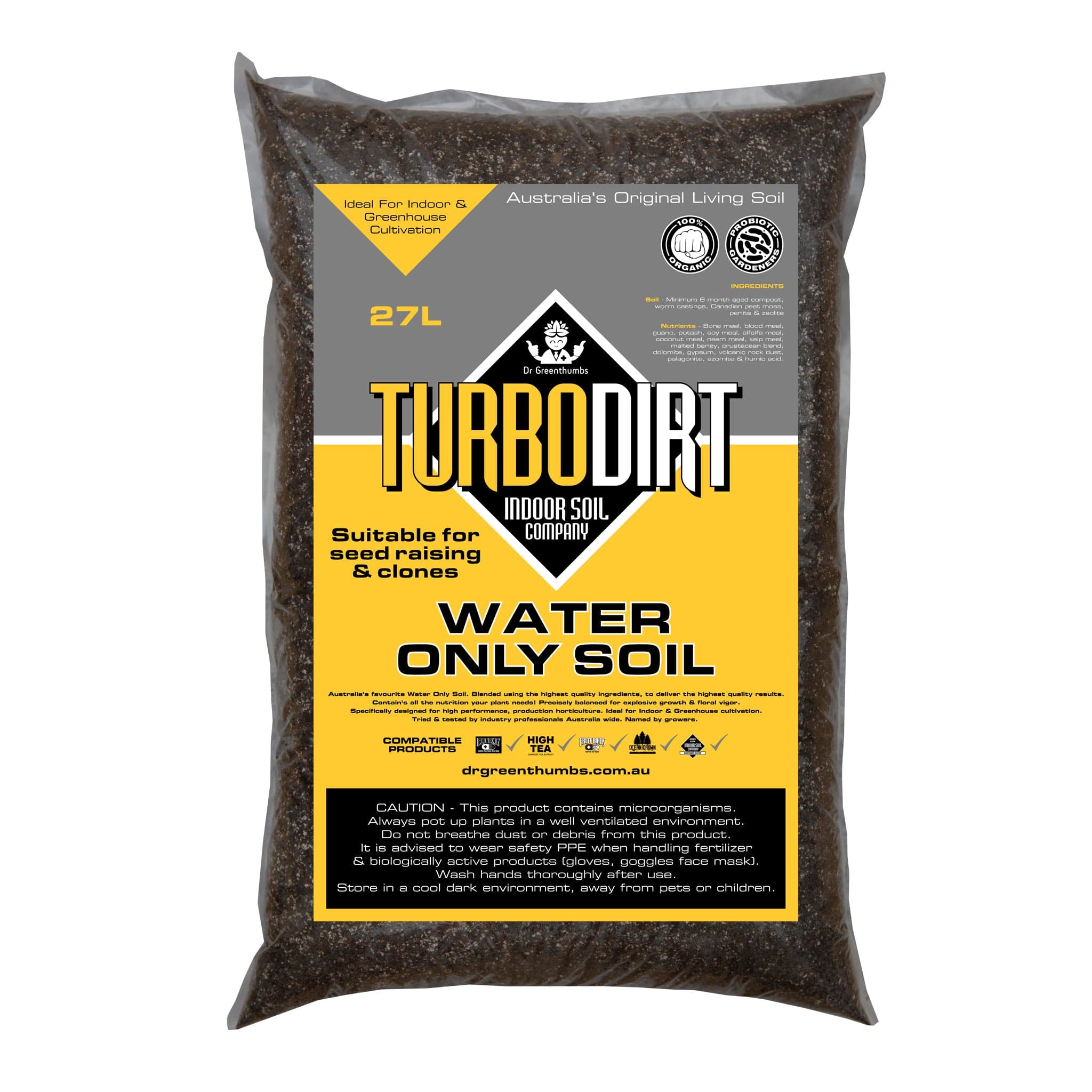
If you want to build glomalin-rich soil faster, these tools make it easier:


What is Glomalin?
Glomalin is a glycoprotein produced by arbuscular mycorrhizal fungi that form a symbiotic relationship with plant roots. The fungi provide the plants with essential nutrients and water, while the plants provide the fungi with sugars produced through photosynthesis. Glomalin acts as a binding agent, improving soil structure and increasing its ability to retain water and nutrients.
Glomalin vs GRSP — why the science sometimes sounds confusing
You might see the terms glomalin and GRSP (glomalin-related soil proteins) out there in soil science, and it can read like a bit of jargon at first. In plain gardener talk: scientists originally named a sticky soil protein “glomalin,” but the exact molecule hasn’t yet been isolated as a single, pure protein in the lab. What most soil labs actually measure is a group of proteins and compounds that react to a specific test — and that’s what we call GRSP.
So the takeaway for your garden? Whether it’s technically “true glomalin” or GRSP doesn’t change the practical truth: living fungal networks help bind soil particles together, improving structure, water handling and nutrient flow. That’s the part that matters to your soil thriving.
How do scientists measure it — and can you at home?
Scientists typically measure GRSP using a heat and citrate extraction in a laboratory setting, which pulls out sticky soil proteins that help bind soil particles. This method can also extract other soil substances like humic matter, so it’s a broad indicator rather than a perfect measuring stick.
Can I test glomalin in my garden?
At the home-gardener level, there isn’t a simple DIY test for glomalin or GRSP. The good news is, you can keep your soil rich in the living fungal networks that produce these sticky proteins by focusing on soil biology (which we cover below).
Benefits for Soil Health
Glomalin offers numerous benefits for soil health and plays a vital role in nurturing living soil. By improving soil structure and water retention, it reduces soil erosion and enhances soil nutrient retention, leading to healthier and more resilient plant growth, and reducing the need for fertilizer. Additionally, glomalin helps in carbon sequestration, storing carbon in the soil and reducing the amount of carbon dioxide in the atmosphere, mitigating the impacts of climate change.
Beyond helping soil structure and water retention, glomalin and its related proteins are remarkably durable once in the soil — scientists think some of these sticky substances persist for decades, helping soil stay stable over the long haul.
That added durability means your soil:
-
resists erosion better, even in heavy rain, because particles stick together more firmly;
-
allows healthier root penetration, giving plants easier access to water and nutrients;
- supports soil carbon storage by protecting organic compounds inside aggregates, where they’re less likely to break down quickly — a win for both your garden and the climate.
Improving Glomalin Levels
To increase glomalin levels in soil, gardeners can:
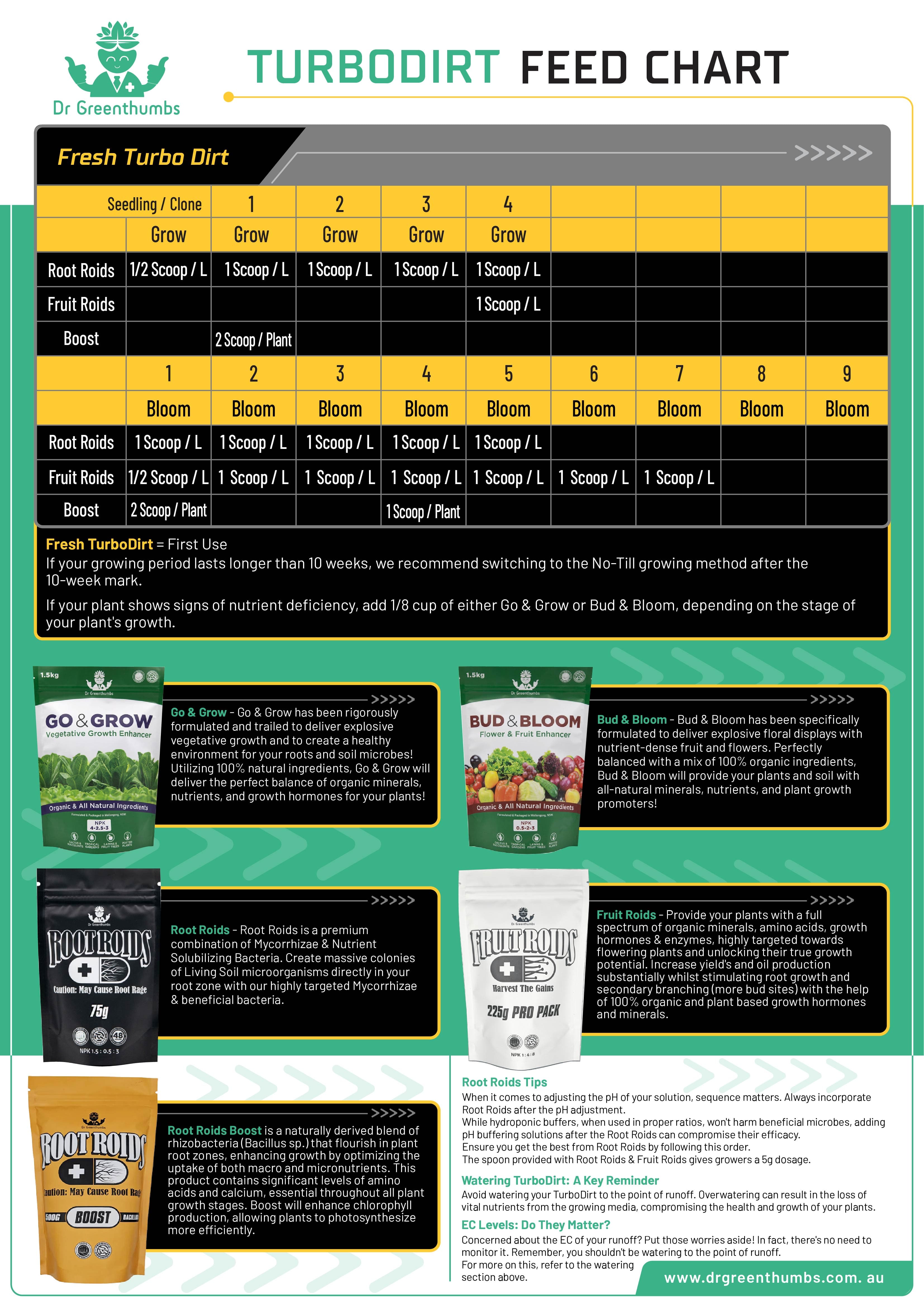
- Regularly use a Mycorrhizae Inoculants to introduce millions of mycorrhizal spores! Click here to buy a pure form of Mycorrhizae
- Promote the growth of arbuscular mycorrhizal fungi by planting native plants and avoiding the use of fungicides and herbicides.
- Apply organic mulch to improve soil structure and enhance fungal growth.
- Practice no-till agriculture to protect the fungal networks in the soil.
- Incorporate cover crops in farming practices to provide food and habitat for fungi.
To keep fungal networks and glomalin production humming along in your soil, try:
-
Keep disturbance low: minimal or no-till gardening protects fungal threads instead of shredding them.
-
Live roots as long as possible: cover crops and living plant cover feed fungal partners year-round.
-
Be careful with phosphorus: high phosphorus fertilisers can suppress mycorrhizal fungi, so stick with organic sources and balanced feeds.
- Choose mycorrhizal-friendly plants: most veggies and herbs love these fungi, but some brassicas (like broccoli and cauliflower) don’t form strong mycorrhizal links — so rotate wisely to support soil life.
These steps help encourage healthy fungal growth, and in turn nurture the sticky substances that make your soil more alive and resilient.
What we’re still learning (and why that’s exciting)
Soil science moves fast, and glomalin remains a topic of active research. Scientists are still untangling exactly what makes up glomalin and GRSP, how these substances interact with soil carbon, and how garden management affects their long-term stability.
For gardeners, that’s a good thing — it means every season brings new insights that can help you grow richer, more resilient soil. What stays constant is this: the more you nurture living soil biology, the more your garden benefits.
In conclusion, glomalin is a vital component for soil health and plant growth. By understanding its significance and taking steps to improve its levels, we can achieve healthy and sustainable plant growth and support the balance of our ecosystem.

Next reads for building stronger soil structure and healthier roots
Want to get more from the biology holding your soil together? These guides will help you strengthen mycorrhizae, support root health and build a more resilient living-soil system.
- Mycorrhizal Fungi Guide Australia 2025
- Beneficial Soil Bacteria and Mycorrhizae: A Vital Partnership
- The Vital Role of Mycorrhizal Fungus in Nurturing Living Soil
- The Science Behind an Explosive Rootzone: How Optimum Root Health Leads to Explosive Plant Growth
About the Author