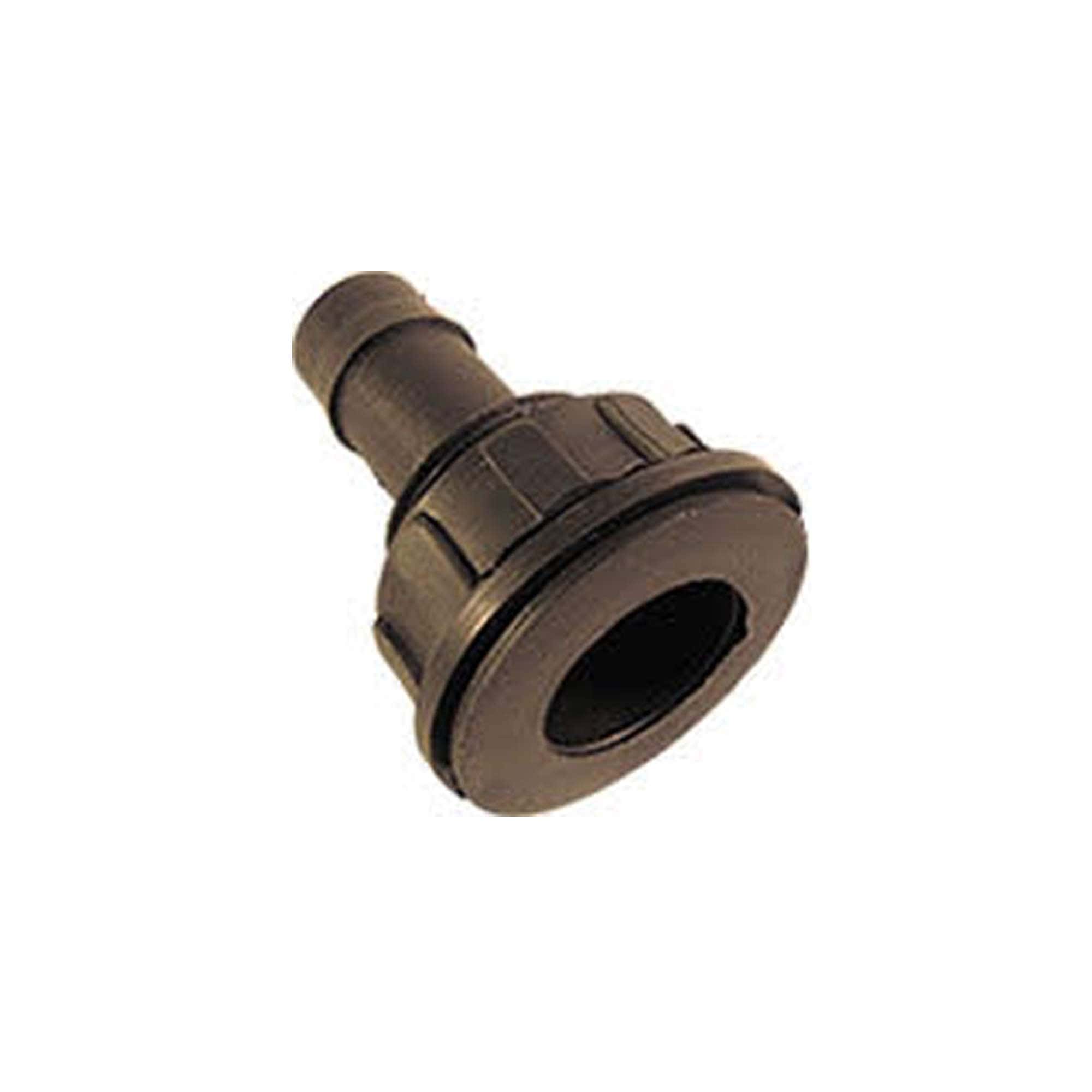
What is the Tub Outlet and what does it do?
The Tub Outlet is a bulkhead-style fitting that creates a watertight pass-through in tanks, reservoirs, or tubs—ideal for drains, returns, or recirculating water in hydroponic and irrigation setups.
What sizes does the Tub Outlet come in and how do I choose?
It’s available in 13mm, 19mm, and 25mm. Choose based on how much flow you need: 13mm suits small systems, 19mm is versatile mid-flow, and 25mm is ideal for fast drains or high-volume setups.
What can I use the Tub Outlet for?
Common uses include hydroponic reservoirs, rainwater tanks, gravity-fed watering, quick-drain mixing tubs, overflows, and return lines. It’s also compatible with float valves and recirculating systems.
Can I install the Tub Outlet on any type of container?
Yes, it works on most plastic tubs, barrels, and tanks. For curved or thin walls, use extra washers or reinforcement. On very thick walls, ensure the threads are long enough for a secure fit.
What hoses or fittings work with the Tub Outlet?
It’s designed for flexible hose, not threaded garden fittings. Use worm-drive hose clamps for a secure seal. For PVC or plumbing adapters, choose fittings sized to match your outlet diameter.
Is the Tub Outlet safe for nutrients or drinking water?
It’s suitable for most hydroponic nutrients and fertiliser solutions. For drinking water use, only choose models with explicit potable water certification. Rinse regularly to avoid salt buildup.
How do I prevent leaks when installing a Tub Outlet?
Place the gasket on the inside (wet side), tighten firmly but not excessively, and install on a smooth surface. Avoid silicone unless you’re fixing rough edges or uneven walls.
What should I do if the Tub Outlet leaks?
Check for burrs, misaligned gaskets, or warped walls. Clean the area, re-seat the gasket, and retighten. If needed, add a wider washer or replace a flattened gasket to improve the seal.
How do I drill the hole for a Tub Outlet?
Use a hole saw that matches your fitting size. Drill slowly and clean the edges after cutting. A rough or oversized hole is a common cause of leaks and poor gasket sealing.
Can the Tub Outlet be used for air or multiple connections?
Yes—it can handle low-pressure air setups, though it’s designed for water. You can also install multiple Tub Outlets on the same tank for drains, returns, or overflows.
How do I prevent clogging in the Tub Outlet?
Use a screen or mesh inside the tank to stop roots and debris. Larger outlets (19mm or 25mm) clog less often than smaller ones and are better for draining thicker mixes.
Where should I place the Tub Outlet—top or bottom?
Install low for full drainage or high for return lines and overflows. Bottom placement helps empty tanks, while higher positions avoid pulling sediment or root debris.
Can the Tub Outlet be used outdoors in full sun?
Yes, but UV exposure can degrade plastic over time. For long-term durability, consider shading or covering fittings that are always exposed to sunlight.
Do I need to test the Tub Outlet after installation?
Yes—fill the tank above the fitting, dry the outer surface, and watch for weeping over 10–30 minutes. Catching slow leaks early prevents salt crust and long-term damage.
Can I remove and reuse a Tub Outlet?
Usually, yes. Just unscrew it carefully and inspect the gasket for wear or damage. Replace the gasket if needed before reinstalling in a new container.