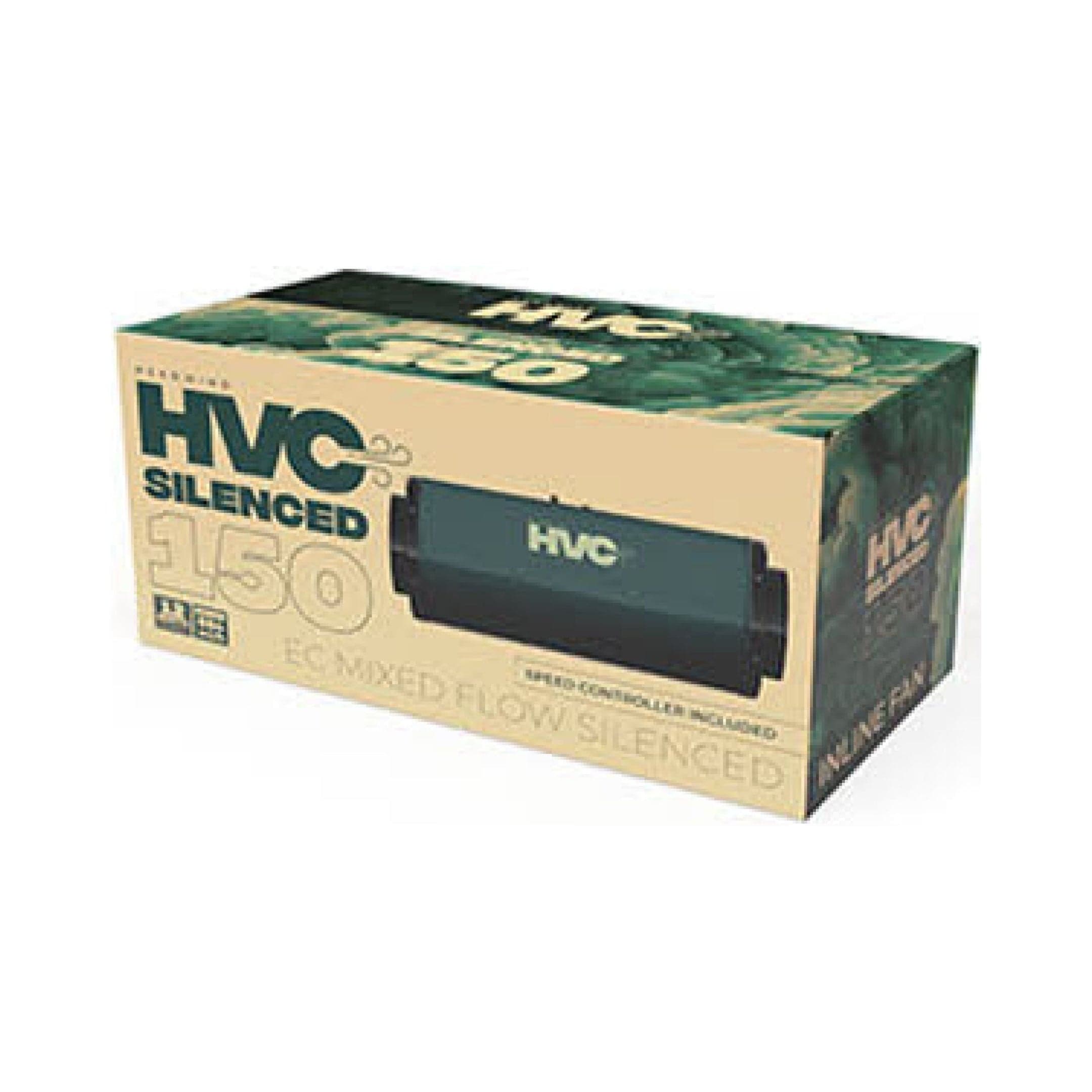
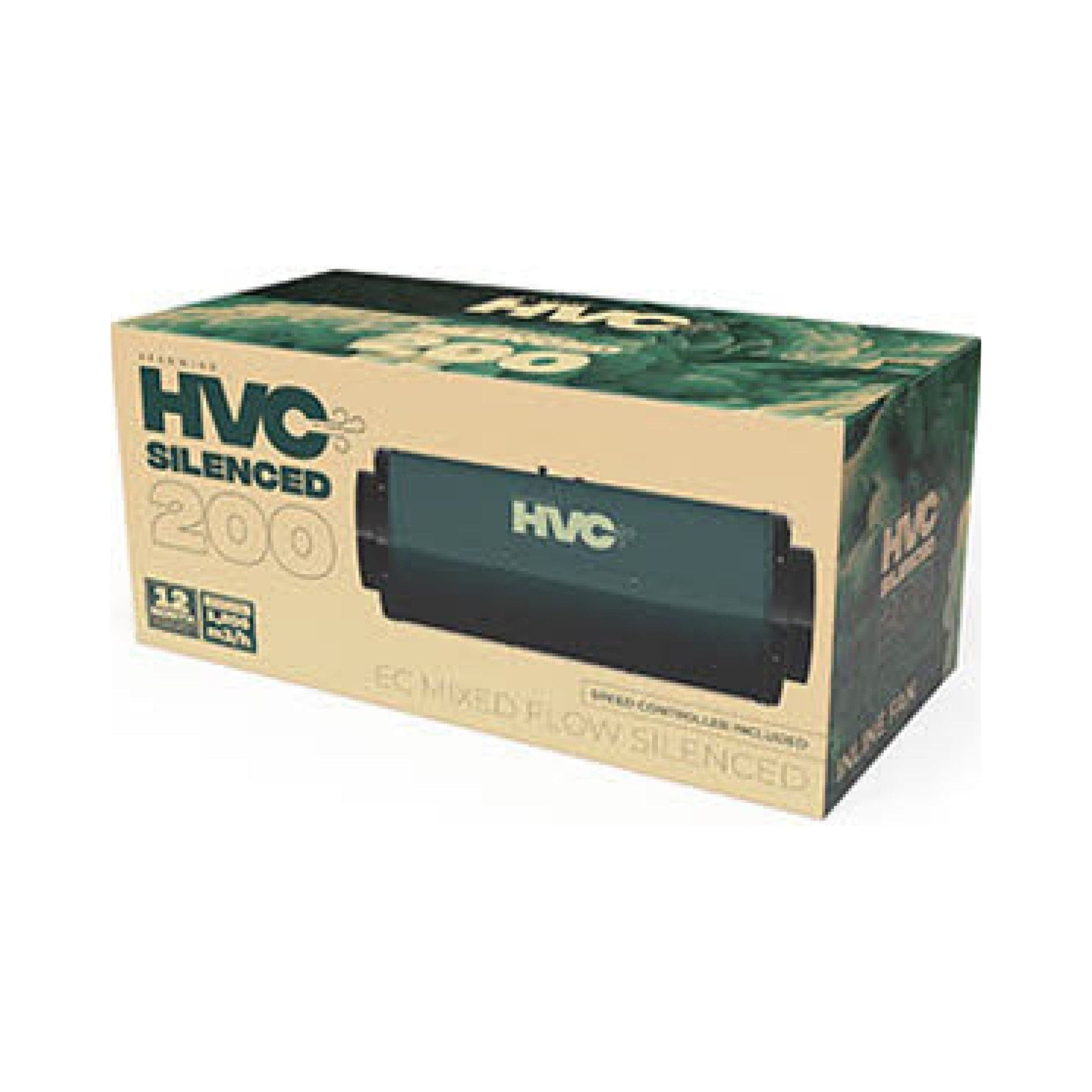
What is the Headwind HVC EC Silenced Fan used for?
This fan is ideal for grow tents, grow rooms, and general ventilation setups. It works as an intake or exhaust fan and helps control heat, humidity, negative pressure, and smell—while staying quieter than standard inline fans. Also great for stealth or wardrobe installs.
What does EC mean and how is it controlled?
EC stands for electronically commutated motor. It's more efficient, quieter, and supports smooth speed control. The fan comes with a compatible controller and can work with 0–10V or PWM systems if properly matched. Avoid using basic plug-in dimmers—they’re not compatible.
How quiet is the Headwind HVC EC Silenced Fan?
It’s much quieter than non-silenced fans thanks to its integrated acoustic housing. You may still hear airflow at high speeds, but most users run it lower for near-silent operation. Acoustic ducting can further reduce noise on exit runs.
What size Headwind HVC EC Silenced Fan should I get?
Choose based on tent volume, filter use, duct length, and heat/humidity load. Oversizing and running at lower speeds usually gives quieter, more efficient performance with better pressure handling.
What are the airflow and power specs for each fan size?
150mm: 594 m³/h (350 CFM), 40W. 200mm: 1205 m³/h (710 CFM), 75W. 250mm: 1808 m³/h (1065 CFM), 150W. 315mm: 2987 m³/h (1757 CFM), 320W. Lower speeds draw less power and reduce noise.
Where and how should I mount the fan?
Mount high for exhaust, low for intake. It can be mounted vertically or horizontally, inside or outside the tent. Just secure it properly, follow airflow direction, and seal all connections for best results.
Does the fan fit standard duct sizes?
Yes—the fan is compatible with standard ducting (150mm, 200mm, 250mm, 315mm) and matching clamp sizes. Avoid reducers if possible, as they add restriction and noise.
Can I run this fan continuously or in cold conditions?
Yes—it’s built for 24/7 operation. In cold weather, be aware of condensation risks in ducting. Use insulated duct and avoid sagging or dips to prevent water buildup or dripping.
Does the fan need maintenance?
Minimal maintenance is needed. Keep the fan and intake dust-free, check ducting and clamps occasionally, and clean the exterior as needed. Use a pre-filter if pulling dusty air.
Why is my fan setup still noisy?
Noise usually comes from ducting—sharp bends, compression, loose fittings, or rubbing on tent poles. Use smooth, stretched duct runs with gentle curves and support the fan with straps or rubber mounts to reduce vibration.
What ducting works best with this fan?
Use short, straight, stretched duct runs. Acoustic ducting reduces whoosh noise, and black PVC ducting helps block light leaks. Always extend flex duct fully to improve performance.
Can I use it to pull fresh air from outside?
Yes—just consider condensation risk (cold air meeting warm humid air) and add a pre-filter to block dust and bugs before the air enters your tent or grow room.
Can I connect this fan to smart controllers or automated systems?
Yes—many Headwind EC fans support 0–10V or PWM control signals, making them compatible with advanced environmental controllers. Always confirm signal compatibility before connecting.
Can this fan be used in sealed CO₂ grow rooms?
Not for constant exhaust—venting dumps CO₂. It can work in timed or demand-based cycles, but true sealed CO₂ setups typically require more precise environmental control.
How do I stop smell leaks and set up airflow properly?
Use this setup: filter → fan → short sealed duct → exit. Clamp all joins, seal with foil tape, and aim for slight negative pressure (tent walls gently sucked in) to keep odors inside.