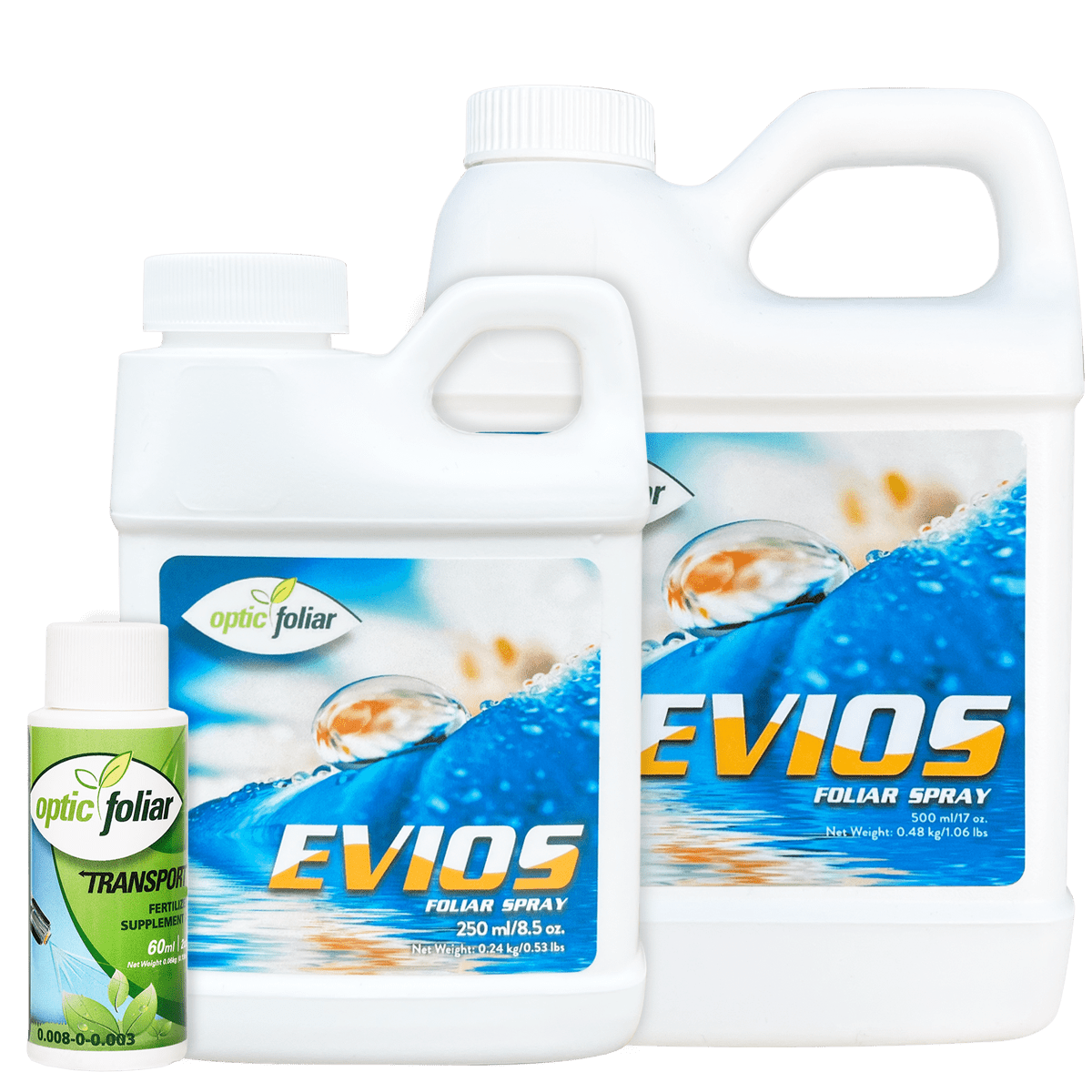
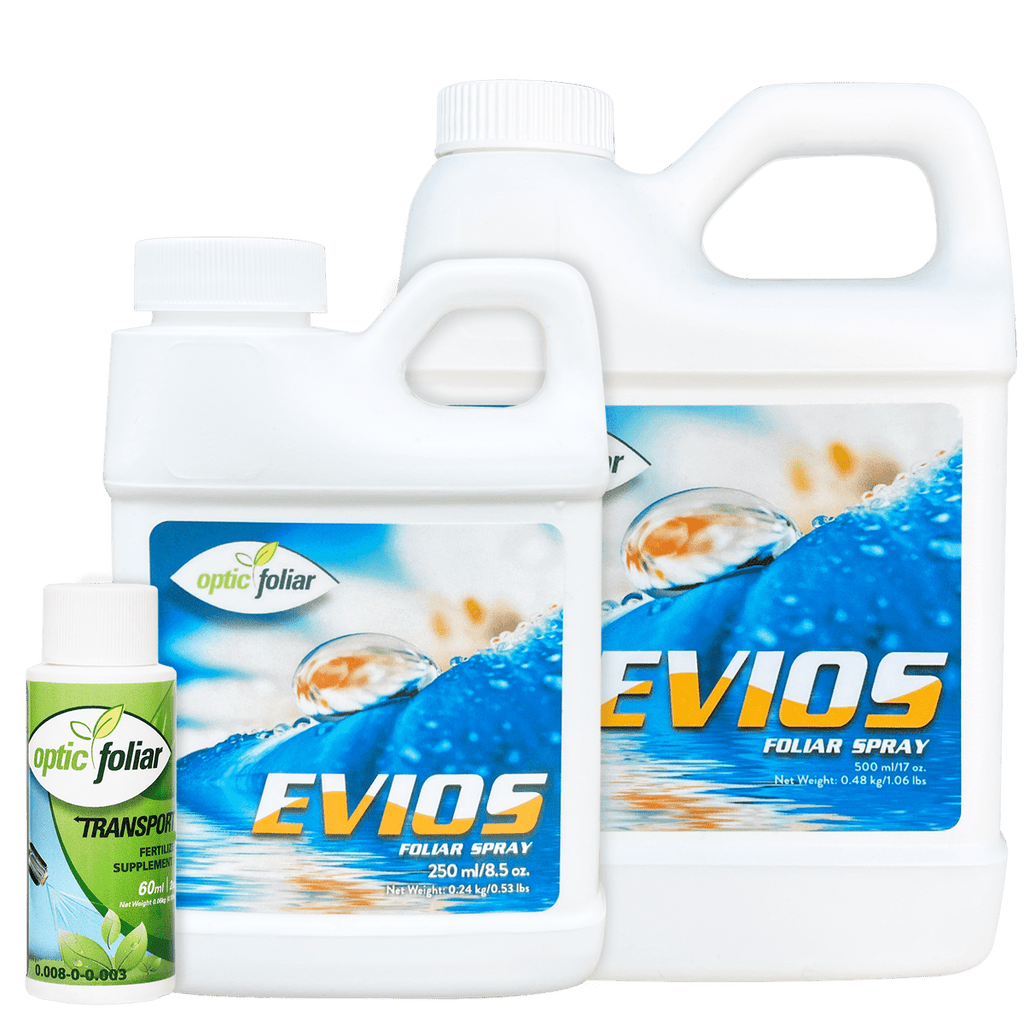
What is Optic Foliar EVIOS and what pests does it control?
Optic Foliar EVIOS is a low-odour, oil-free foliar spray designed to control common soft-bodied pests like spider mites, thrips, and aphids. It's typically used as a contact/control spray that disrupts pests’ ability to feed and reproduce, especially when applied consistently.
Is Optic Foliar EVIOS safe to use on flowering plants, indoor plants, and edibles?
Yes—Optic Foliar EVIOS is flower-safe and commonly used throughout all stages, including veg, late flower, and on edible plants. Use a fine mist and avoid over-saturating dense buds or delicate seedlings.
Does Optic Foliar EVIOS leave residue or smell strong?
No—it's formulated to be non-oily, low-odour, and residue-free. That makes it ideal for late-stage flowering or indoor use where oil-based sprays may cause issues or linger on leaves.
Can I spray Optic Foliar EVIOS with lights on or in direct sun?
Yes—unlike many foliar sprays, EVIOS is designed for safe use under grow lights or in full sunlight without causing spray burn. Still, spraying early morning or late afternoon is a good habit outdoors.
Do I need to spray the undersides of leaves with Optic Foliar EVIOS?
Top-side coverage is often enough, but if pests are hiding underneath leaves, full coverage helps. Mist evenly—don’t soak—and aim for light, consistent application instead of heavy runoff.
How do I mix Optic Foliar EVIOS and do I need Optic Foliar Transport?
Yes—use 10 mL of EVIOS with 7.5 mL of Optic Foliar Transport per 1L of water. Transport is the delivery agent that helps EVIOS spread and absorb properly. Skipping it can reduce effectiveness.
How often should I spray Optic Foliar EVIOS?
Spray once weekly as a preventative. During infestations, spray more frequently for 1–2 weeks, then taper back to weekly. Consistency is key—pest cycles usually need more than one treatment.
How do I know if Optic Foliar EVIOS is working?
You’ll see fewer live pests, less leaf damage, and reduced activity on sticky traps. If pests return, it’s often due to hatching eggs, nearby infestations, or environmental conditions that favour them.
What kind of water should I use to mix Optic Foliar EVIOS?
Use room-temperature, clean water. Avoid very hard or mineral-heavy tap water, which can reduce foliar spray performance. No need to adjust pH—just mix as directed and spray promptly.
Can I mix Optic Foliar EVIOS with neem oil, soap, or nutrients?
It's best not to mix EVIOS with other sprays. Combining products can lead to leaf stress or phytotoxicity. Run foliar feeds or other treatments separately to keep your program clean and predictable.
Can I use Optic Foliar EVIOS around pets, bees, or beneficial insects?
Yes—but don’t spray when bees or predators are actively present. Keep pets away during and shortly after spraying. If you’re running beneficial insects, spray strategically and avoid direct contact.
Can Optic Foliar EVIOS cause leaf damage?
It's designed to minimize that risk, but any foliar spray can cause stress if overused, mixed too strong, or combined with other products. If you notice spotting, ease off and review your mix and technique.
How should I store Optic Foliar EVIOS and mixed solution?
Store the concentrate sealed, in a cool, dark place. Mixed solution should be used soon after prep for best results. Long-term storage may reduce potency even if kept cool and dark.
What’s the biggest mistake people make with Optic Foliar EVIOS?
Doing one spray and expecting full control. Pest management takes consistent application, proper coverage, and fixing the environment (like airflow, canopy density, and humidity) to truly stop infestations.
What’s the best way to use Optic Foliar EVIOS for pest prevention?
Spray weekly during pest-prone periods, monitor with sticky traps and leaf checks, and keep foliage clean and airflow strong. If pests show up, increase spray frequency and remove their ideal conditions.