
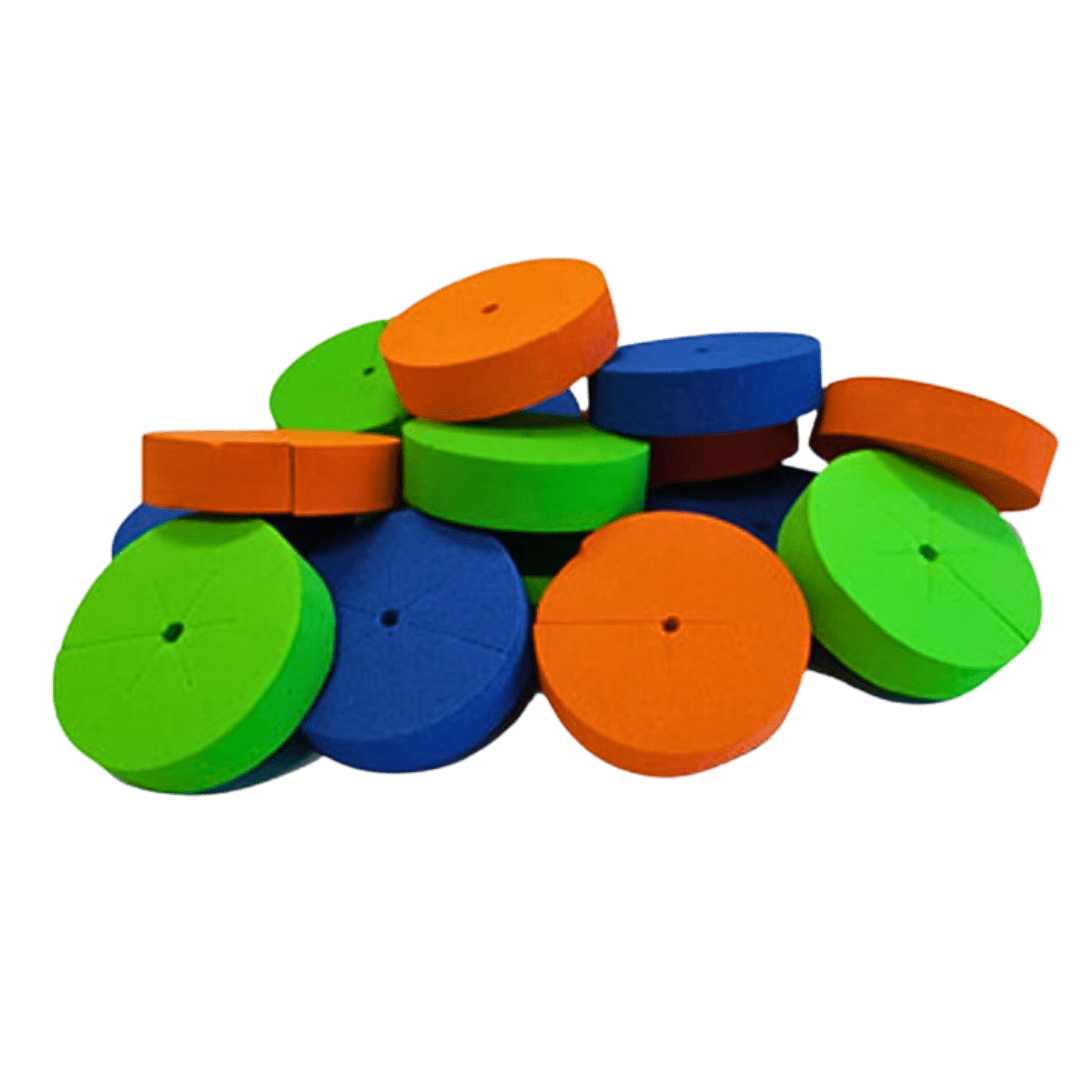

Neoprene Discs – Replacement Clone Collars for Aeroponic Cloning Stations

Save 20%

Size: Pack of 25
Price:
Sale price$12.00 Regular price$15.00

Pickup currently unavailable at Bellambi

Description

Upgrade your plant propagation setup with SeaHawk Neoprene Discs—precision-designed for use with SeaHawk Cloning Stations. These premium neoprene collars securely hold cuttings in place, allowing the stem tips to protrude slightly for optimal root development in aeroponic systems.

With 25 reusable discs in a variety of vibrant colors, these collars streamline plant identification and propagation management, whether you're cloning herbs, flowers, or vegetables.

Features:

  • 25 high-quality neoprene clone collars

  • Compatible with SeaHawk Cloning Stations

  • Multi-color set: Orange, Blue, Green, Red, Purple, and Yellow

  • Enhances root exposure and promotes rapid growth

  • Easy to insert, remove, and reuse

  • Durable construction for long-lasting performance

Why You Should Buy:

SeaHawk Neoprene Discs simplify the cloning process by offering secure stem support and a clean environment for root development. Their multi-color design adds efficiency and organization to your cloning operation, and their reusable nature makes them both cost-effective and eco-friendly. Whether you're a hobbyist or a professional grower, these discs help ensure consistent results in any aeroponic setup.

FAQs:

Are these discs compatible with all SeaHawk Cloning Stations?
Yes, they are made to fit SeaHawk Cloning Stations perfectly.

How many discs are included in a pack?
Each pack contains 25 neoprene discs.

What colors are included in the set?
Orange, Blue, Green, Red, Purple, and Yellow.

Are these discs reusable?
Yes, they are durable and designed for multiple uses.

How do I clean them?
Use mild soap and water, then air dry before reusing.

Can I use them with other cloning systems?
They are specifically tailored for SeaHawk Cloning Stations, though they may fit similar models.

Are the materials safe for plants?
Yes, they’re made from plant-safe neoprene ideal for hydroponic and aeroponic environments.

What is the diameter of each disc?
Each disc is sized to standard SeaHawk Cloning Station openings; detailed measurements available on request.

Secure & Encrypted Payments

Logos for Google Pay, Airwallex, and PayPal.

Frequently Asked Questions (FAQ)

What are Neoprene Discs used for in aeroponic cloning?

Neoprene Discs (clone collars) hold cuttings upright in an aeroponic cloner lid, keeping stems stable while the cut end hangs into the misting chamber. This reduces movement and stress on fresh cuttings, helping them sit in the spray zone correctly and encouraging faster, more consistent root initiation.

How many Neoprene Discs come in a pack, and what colours are included?

Each pack includes 25 Neoprene Discs in multiple colours (such as orange, blue, green, red, purple, and yellow). Colour coding makes it easier to track batches, varieties, or dates without mixing labels or guessing later.

Which cloning machines are Neoprene Discs compatible with?

They’re designed for standard aeroponic cloning stations and often fit other cloners that use similar lid or net pot hole sizes (commonly around 5cm). To be sure, measure your cloner lid opening—if the disc seats snugly without falling through, it will work.

Are Neoprene Discs safe for plant stems?

Yes. Neoprene has some give, so it’s much gentler than rigid plastic collars. It supports soft, fresh cuttings without shredding or pinching stems, as long as you don’t force very thick stems into a tight slit.

How do I insert a cutting into a Neoprene Disc correctly?

Gently open the pre-slit collar with your fingers and slide the stem in without yanking. The stem should sit snug, not crushed. Let enough stem hang below the disc so the cut end is clearly in the misting zone, not sitting dry or submerged in water.

Do I need a humidity dome when using Neoprene Discs?

Often yes, especially in the first few days. Cuttings don’t have roots yet, so high humidity helps prevent wilting. Trimming large leaves and keeping temperatures stable also improves early survival.

What water temperature works best with Neoprene Discs?

Most growers aim for cool-to-mild water temperatures, roughly in the high teens to low 20s °C. Water that’s too warm encourages bacteria and slime, while very cold water can slow root formation.

Do Neoprene Discs help reduce algae and light leaks?

They help block light entering the reservoir and reduce splash-back through lid holes, which can limit algae growth. However, algae can still appear if water is warm and light finds a way in—good hygiene and temperature control still matter.

Should I use cloning gel or powder with Neoprene Discs?

You can, but it’s optional. Many aeroponic systems root successfully without hormones if conditions are dialled in. Using gel or powder may speed things up, but cleanliness and environment are more important than additives.

Are Neoprene Discs reusable, and how do I clean them?

Yes, they’re reusable. Wash with mild soap and warm water, rinse thoroughly, and let them dry completely. Some growers also use a short soak in a mild sanitiser, followed by a very good rinse. Always start new runs with clean, dry collars.

When should Neoprene Discs be replaced instead of reused?

Replace them if they’re cracking, stretched, permanently smelly, or holding slime that won’t clean out. Reusing worn or dirty collars is one of the biggest causes of cloning problems.

Why are my Neoprene Discs slipping or cuttings popping out?

This usually means a size mismatch, stretched collars, or stems that are too thin or top-heavy. Make sure the disc fits the lid snugly and the stem thickness matches the slit so it grips without crushing.

Can Neoprene Discs be used for herbs, vegetables, and houseplants?

Yes. They’re commonly used for cloning herbs, vegetables, and ornamental houseplants in aeroponic systems. For food crops, keep your system clean and avoid letting residues or biofilm build up.

What’s the biggest mistake people make with Neoprene Discs?

Reusing dirty collars and expecting clean results. Neoprene Discs help, but cloning success still depends on hygiene, stable temperatures, humidity control, and good cutting technique.

You may also like

Recently viewed