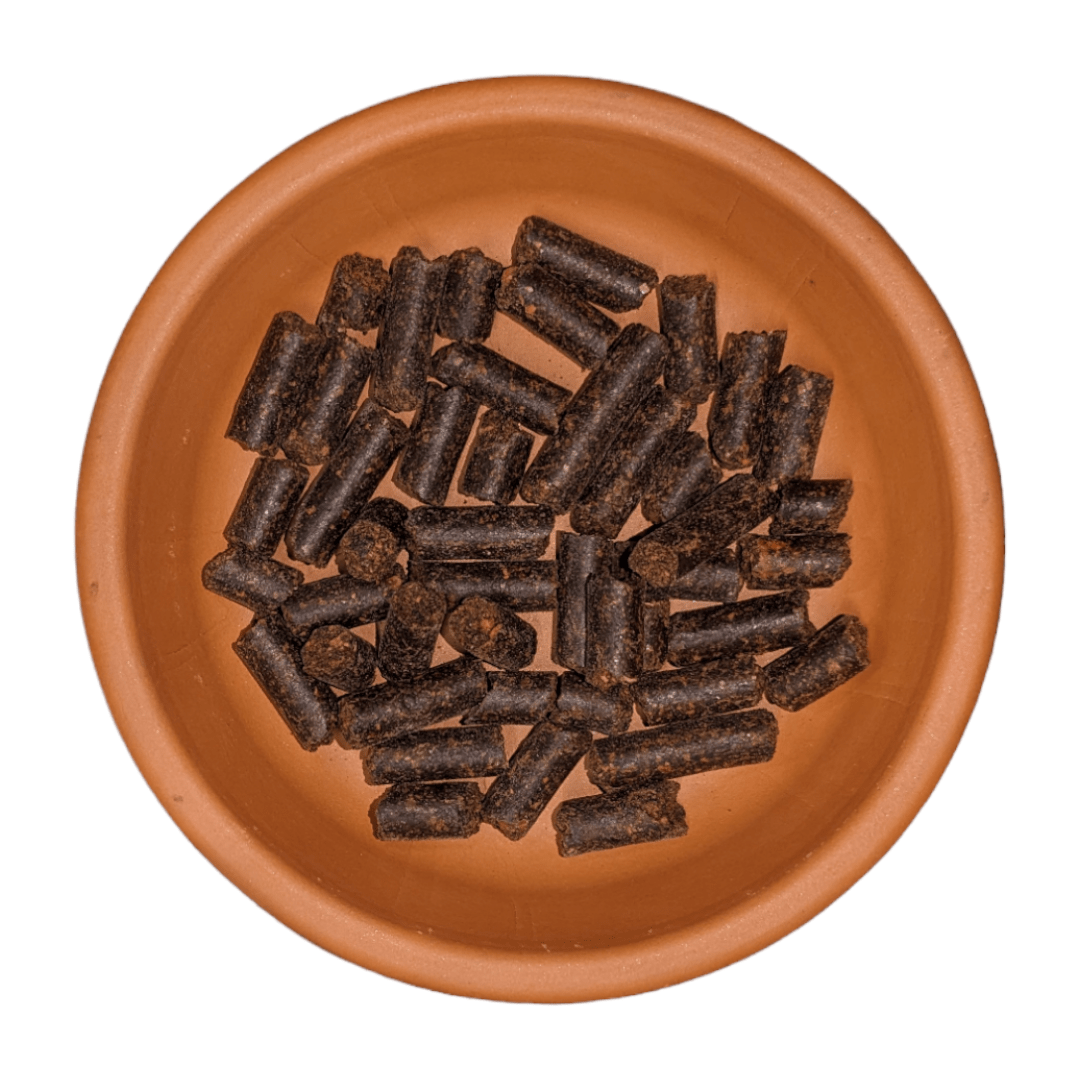
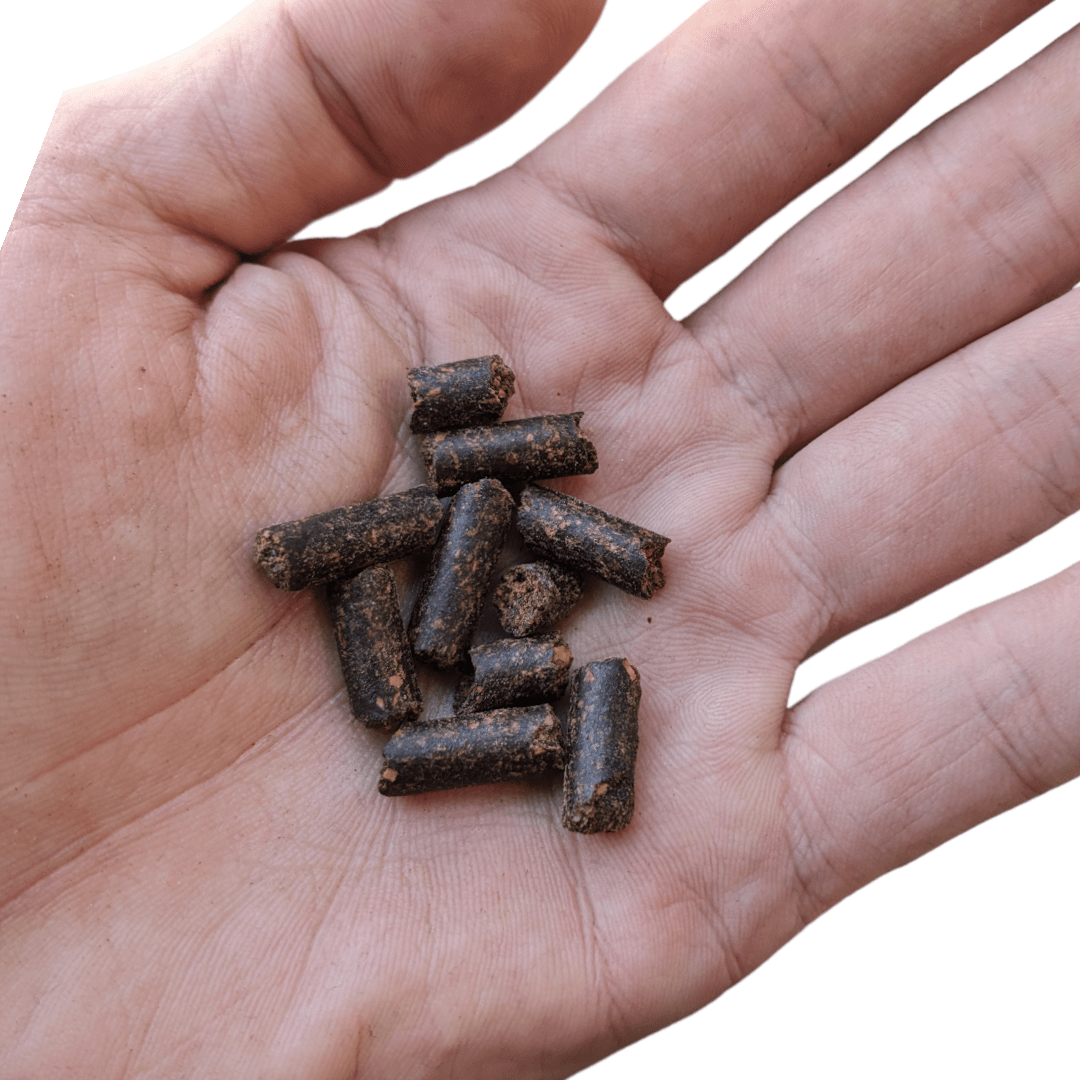
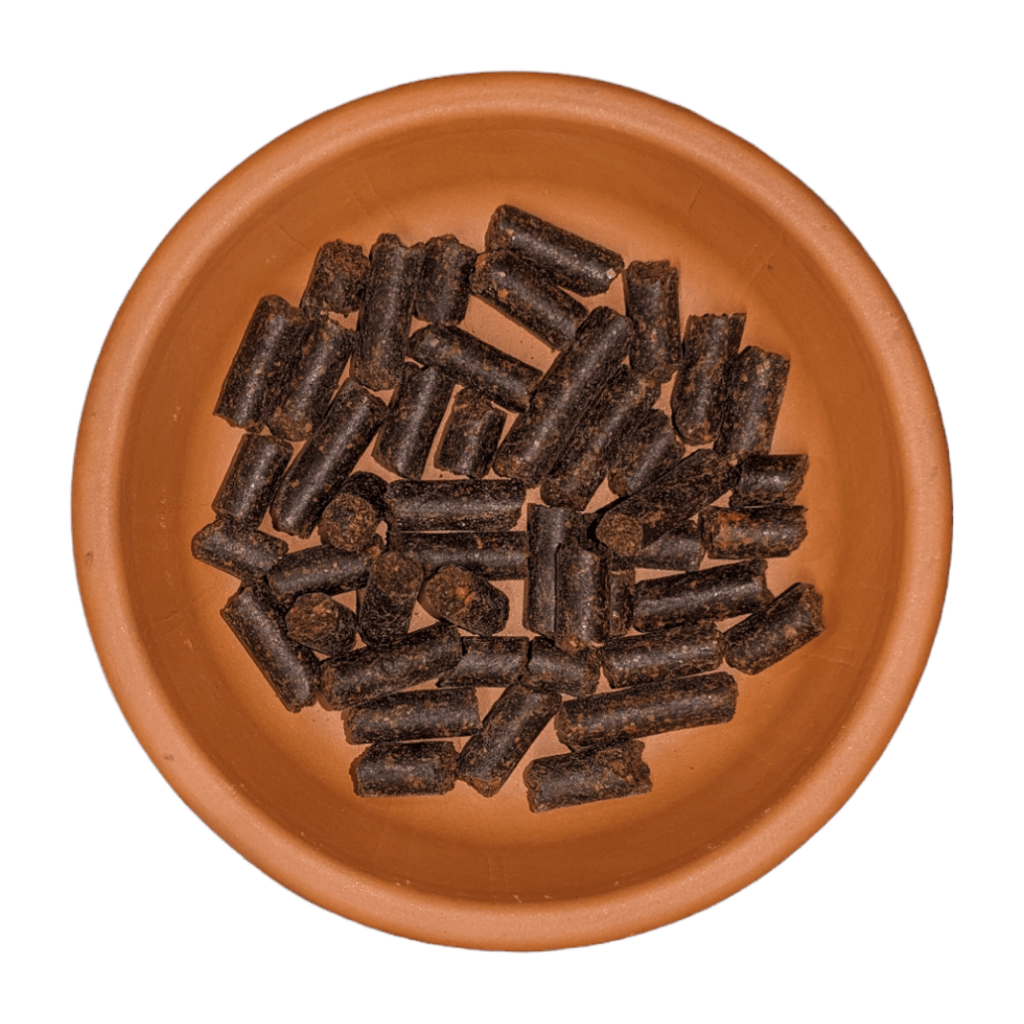
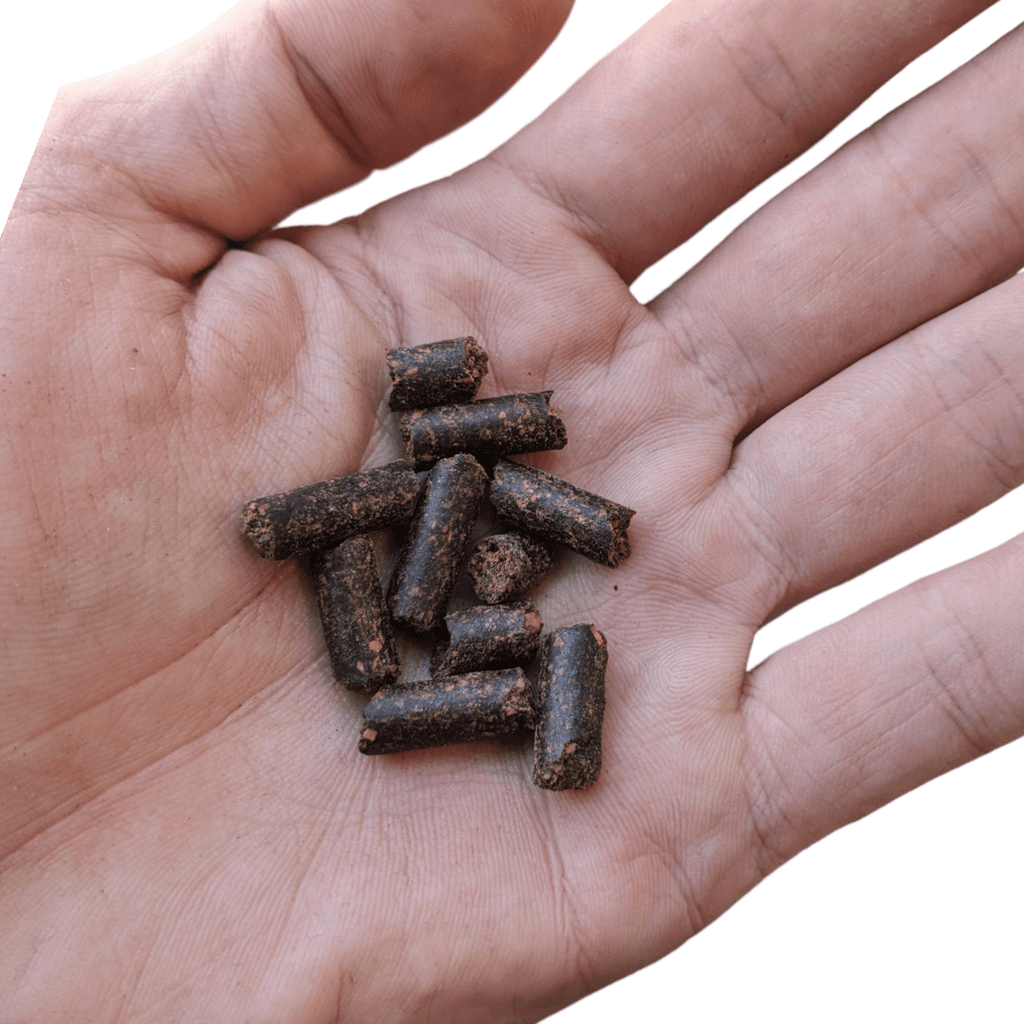
What are Neem Meal GRANULES and what do they do?
Neem Meal GRANULES are a certified organic soil amendment made from ground neem seeds. They provide a gentle NPK feed (around 2-1-1), contribute micronutrients, support microbial life, and help disrupt soil pest life cycles as part of an Integrated Pest Management (IPM) plan.
How are Neem Meal GRANULES different from neem powder or neem cake?
Neem Meal GRANULES are chunkier and less dusty than powders, making them easier to spread and slower to break down. “Neem cake” refers to similar ground seed material left after oil extraction—often used interchangeably with neem meal.
How do Neem Meal GRANULES improve soil health?
They feed soil microbes, add organic matter, and support root development. Over time, this helps improve soil structure, nutrient cycling, water retention, and can even support resistance to soil-dwelling pests like nematodes.
Do Neem Meal GRANULES control fungus gnats or other pests?
They help deter soil pests like fungus gnat larvae and nematodes by disrupting pest life cycles—but not instantly. For best results, combine with sticky traps, BTi, or beneficial predators as part of a full IPM routine.
Are Neem Meal GRANULES safe for veggies, pets, and beneficials?
Yes—Neem Meal GRANULES are widely used in edible gardens and worm-friendly systems. Once mixed in and watered, they’re generally safe for pets. For native or sensitive plants, start with lighter rates and observe.
How do I apply Neem Meal GRANULES to pots or garden beds?
Mix into soil at planting, or topdress and water in. A general guide: ¼–½ cup per 30L pot or 1–2 cups per m² in beds. Water after applying to start breakdown and nutrient release.
How often should I use Neem Meal GRANULES?
Use during soil prep, then top up as needed during the growing season—especially for pest support. Avoid constant heavy doses. Overuse may lead to nitrogen imbalances or stressed plants.
Can Neem Meal GRANULES be used in compost, no-dig beds, or coco coir?
Yes—they integrate well into compost piles, no-dig systems, and microbe-active coco coir mixes. Avoid using them in sterile hydroponic systems or as a reservoir additive.
Can I use Neem Meal GRANULES during seedling or flowering stages?
Yes—but go lighter for seedlings and monitor nitrogen levels during flowering. They’re best used as part of a balanced feeding plan rather than a standalone fertiliser.
How long does Neem Meal GRANULES take to work?
Soil health benefits build gradually over weeks. Pest disruption is also slow and works best as part of a broader strategy. It's not an instant cure but a long-term soil support input.
Can I mix Neem Meal GRANULES with other soil amendments?
Yes—it's often combined with compost, worm castings, kelp, gypsum, or rock dust. Just avoid stacking too many nitrogen-rich inputs at once to prevent burning or imbalance.
How should I store Neem Meal GRANULES?
Store sealed in a cool, dry place. If it clumps from moisture, break it up before use. It doesn’t expire quickly but stays freshest when kept dry and used within a season or two.
What are common mistakes with Neem Meal GRANULES?
Over-applying or not watering it in can cause issues. Also, stacking it with too many nitrogen inputs may stress plants. Start moderate, mix well, and observe plant response.
What sizes are available, and which should I choose?
Neem Meal GRANULES come in 500g, 1kg, and 2.5kg bags. Use 500g for small indoor setups; 1kg–2.5kg is ideal for garden beds or multiple pots. Choose based on your planting area.
Can I use Neem Meal GRANULES year-round and on all plants?
Yes—they're suitable year-round for veggies, fruit trees, ornamentals, lawns, and indoor plants. For sensitive or native species, apply at lower rates and monitor how plants respond.