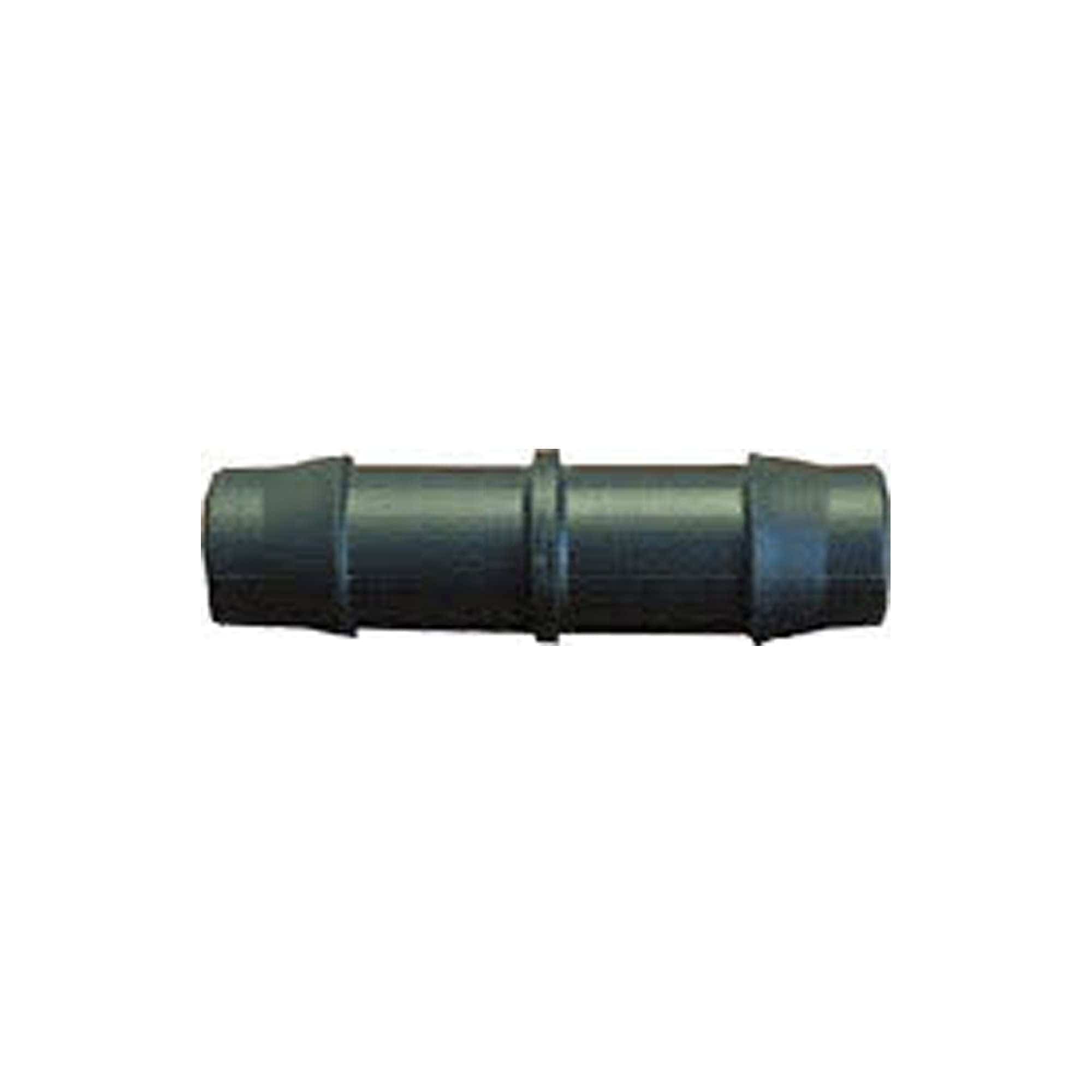
What is the Joiner used for?
The Joiner is a straight connector used to join two lengths of flexible irrigation hose or tubing—ideal for extending lines, fixing splits, or building clean hydroponic, pond, or aquarium plumbing. It’s not a reducer; it connects same-size hoses only.
What size Joiner do I need?
Match the Joiner size to your hose: 13mm suits smaller setups, 19mm is a versatile all-rounder, and 25mm handles higher flow and longer runs. If hoses are from different brands, confirm the outer diameter matches. Always clamp if the fit isn’t snug.
How do I install the Joiner correctly?
Cut hose ends square, warm them slightly if stiff, then push fully over the barbed section of the Joiner. Use a twisting motion and clamp if needed. There’s no flow direction—it works either way.
Do I need clamps with the Joiner?
In most cases, yes—especially on 19mm or 25mm lines or in warm environments. Use worm-drive or ratchet clamps. Avoid overtightening. Zip ties can work temporarily but aren’t as reliable long-term.
Why is my Joiner leaking or the hose popping off?
Common causes: mismatched sizes, hose not pushed on far enough, angled cuts, or no clamp where one’s needed. Avoid forcing “close enough” fits, and always clamp securely if pressure or warmth is involved.
Does the Joiner reduce water flow?
The Joiner adds minimal restriction, but overall flow depends more on hose diameter, line length, and system layout. A 13mm Joiner will restrict flow more than a 25mm one, especially over long distances or with strong pumps.
Can I use the Joiner on mains pressure?
It’s designed for low-to-medium pressure systems like hydroponics and garden irrigation. For direct mains use, you'd need pressure-rated fittings and proper clamping—use caution if attempting this.
Can I reuse the Joiner if I change my setup?
Yes. To remove the hose without damage, warm the hose slightly and twist it off. If it’s too tight, cut the hose end lengthwise and peel it off instead of yanking and stressing the fitting.
How do I clean a Joiner if it gets gunky?
Remove the Joiner, flush it with warm water, and scrub if needed. In hydro systems with organics, clean periodically to prevent slime or buildup. If you spot crusty salt, it likely means a micro-leak to fix.
Can the Joiner be buried in soil?
Yes—for protected irrigation runs. For permanent buried systems, dedicated poly pipe and fittings are often more durable. Clamping is essential underground to avoid joins working loose over time.
Is the Joiner safe for nutrient solution and fertiliser use?
Yes—it’s widely used in hydroponics and irrigation lines carrying nutrient mixes. Just avoid letting nutrients sit stagnant in warm, lit tubing, which can lead to algae or buildup over time.
Will the Joiner work with clear or soft tubing?
Physically yes, if the sizes match—but clear tubing can lead to faster algae growth when exposed to light and nutrients. Use opaque hose in hydro systems where possible.
What’s the most common mistake when using a Joiner?
Using the wrong size hose, skipping clamps on larger lines, or cutting the hose on an angle. These issues lead to leaks, weeping joins, or hoses popping off under pressure. Always measure and install with care.