
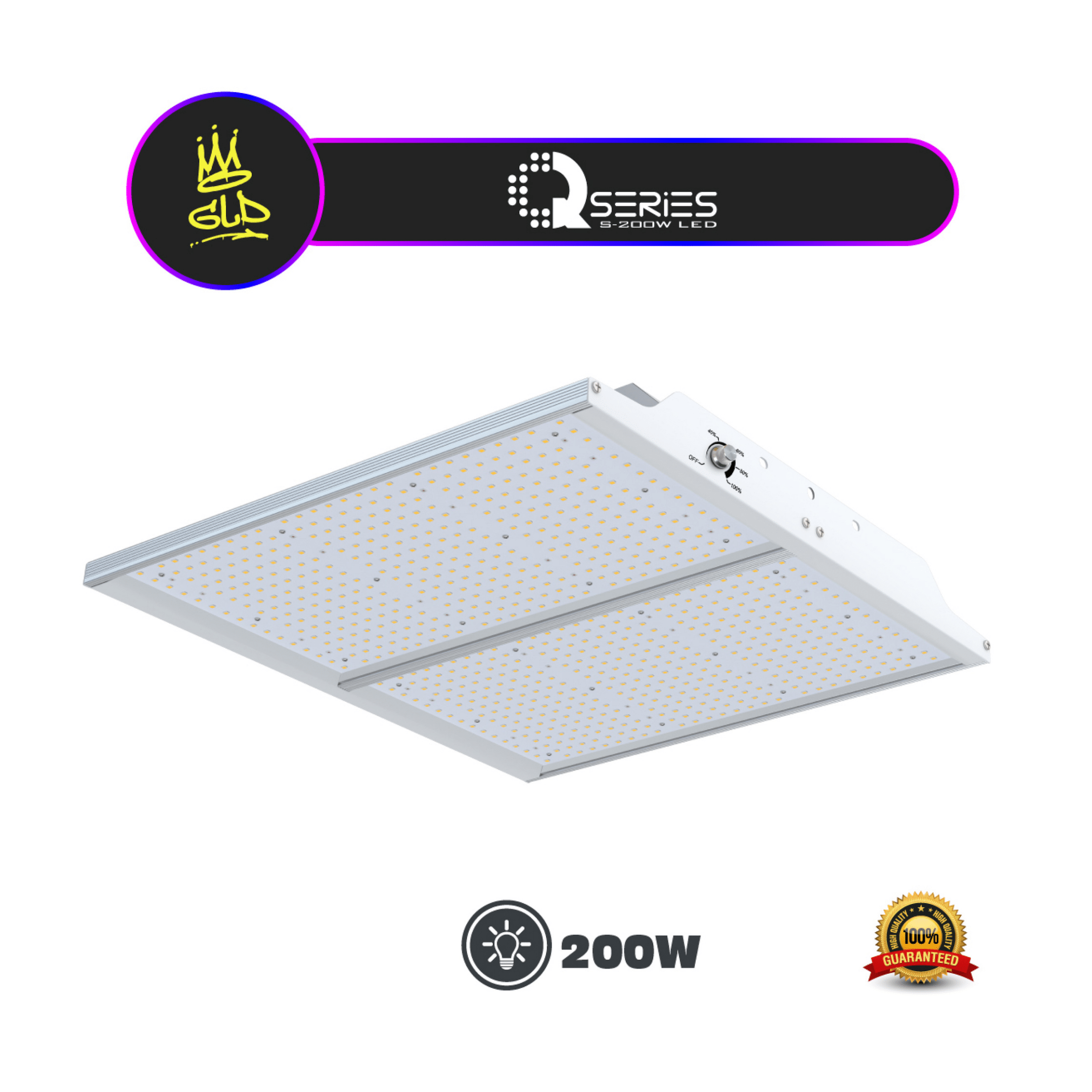
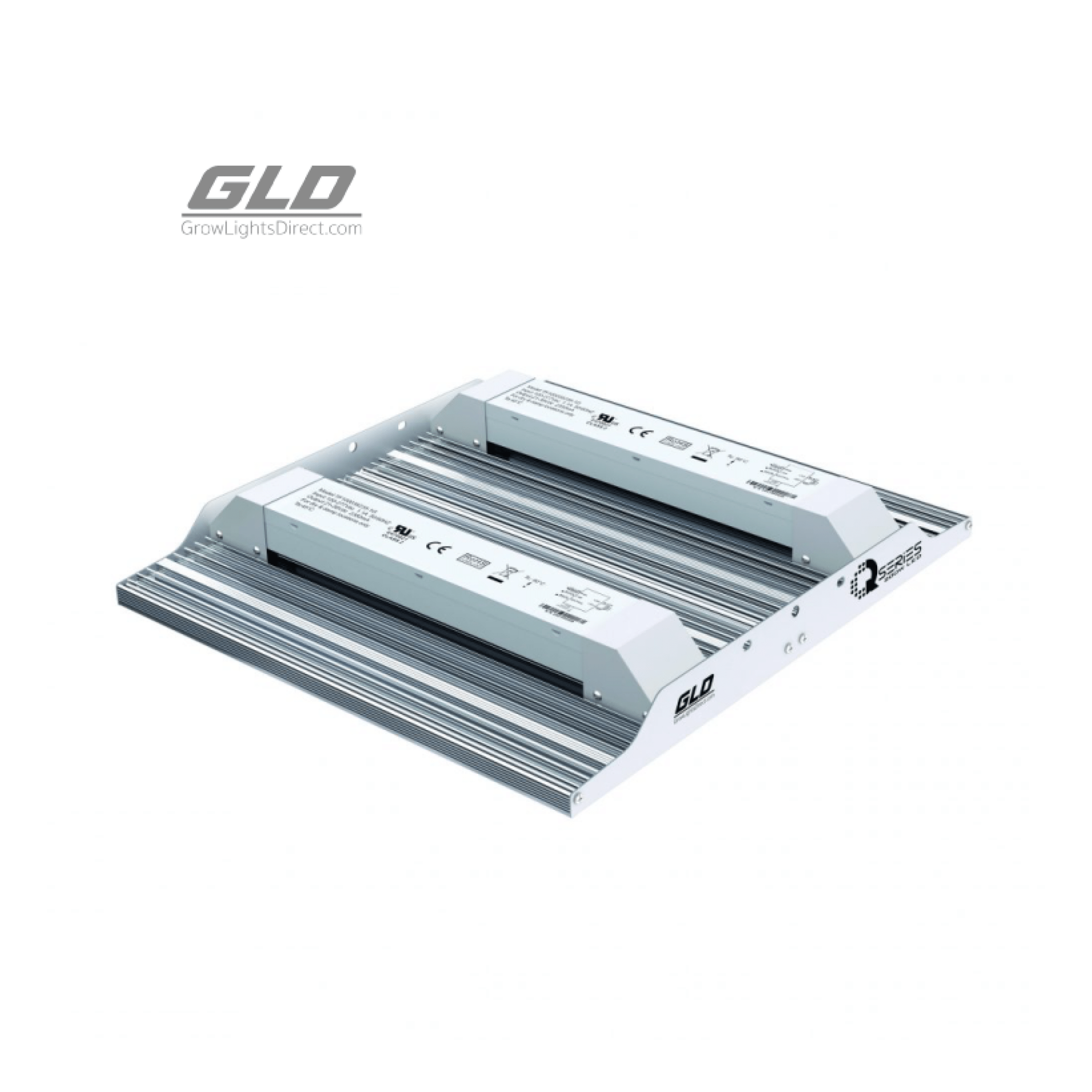

GLD Q-Series 200w LED Quantum Board S (Dimmable)

Save 19%

Price:
Sale price$340.00 Regular price$420.00

Pickup available at Bellambi

Usually ready in 24 hours

Description

GLD Q-SERIES 200W

This LED is powerful enough to deliver the same high performance growers rely on, while reducing energy and lifetime ownership costs.

FULL SPECTRUM DESIGN

Full spectrum plays a vital role in plant growth, and it contains all the light the plant needs. It provides plants Veg and Flower all stages with everything they desire in the natural sunlight.


FEATURES

• Balanced spectrum for full-cycle growing

• Low energy use & virtually no heat output

• Increase yield & crop quality

• Simple Plug-&-Play set-up & use

• Passive cooling allows for no fans – less moving parts means longevity

• Perfect for keeping your favourite mother plants / strains available

SPECIFICATIONS

Model Input Power Efficacy PPF Input Voltage
GLD Q-SERIES S-200W 200W 2.4 µmol/J 480 µmol/s Autosensing 100-277V
Colour Rendering Index Thermal Management Lifetime Power Factor Ambient Temperature
80ra Passive 50,000hrs >90% -25~40°C
Storage Environment Mounting Height Chip Fixture Weight Fixture Dimensions
-40~85C RH10%-95% >= 15cm Above Canopy Branded LED 5.5KG 340mm x 310mm x 50mm


Secure & Encrypted Payments

Logos for Google Pay, Airwallex, and PayPal.

Estimate shipping

Frequently Asked Questions (FAQ)

What is the GLD Q-Series 200W LED Quantum Board S best used for?

This full-spectrum light suits all indoor grow stages—seedlings, veg, mother plants, and flowering. It’s ideal for 2×2 flower tents or 3×3 veg spaces. Dimming and compact size make it great for low-height tents, racks, or small-footprint rooms.

What kind of light spectrum and coverage does it provide?

It’s a full-spectrum quantum board with even canopy spread and minimal hot spots. Compared to blurple or HID lights, it’s more efficient, easier to work under, and better for plant visibility and health.

Is the GLD Q-Series 200W dimmable, and why does that matter?

Yes, it has built-in dimming. You can start low for seedlings, increase for veg, and go full for flower. This flexibility helps reduce stress and makes the light usable across all plant stages—even for beginners.

What tent size and space does it cover best?

It performs well in 2×2 flowering setups and up to 3×3 for veg. In larger areas or for high-yield flowering, use multiple boards for even coverage. Its efficiency and spread make it ideal for compact grow tents.

How high should I hang the GLD Q-Series 200W?

Start around 30–45 cm above the canopy and adjust based on plant response. Signs it’s too close include bleaching or curling; too far and plants may stretch or slow down. Dimming gives added flexibility to control intensity safely.

How much power does it use, and how efficient is it?

It draws 200W of actual power and delivers 480 µmol/s with 2.4 µmol/J efficiency. That’s solid output for its class, with a >90% power factor indicating strong driver quality and energy use.

Does the GLD Q-Series 200W run hot or need ventilation?

It uses passive cooling and runs cooler than traditional lights, but 200W still adds heat to your space. Ensure proper ventilation to keep both your grow area and the light running optimally.

Is it plug-and-play, and what about timers or smart plugs?

Yes, it’s a plug-and-play light with autosensing 100–277V input. Use a timer to maintain consistent cycles. Smart plugs work for basic on/off, but avoid smart dimmers unless verified compatible.

How do I clean and maintain the GLD Q-Series 200W?

Unplug and cool before cleaning. Wipe with a dry or slightly damp cloth—never spray water directly. Keep dust off to maintain performance. It’s not waterproof, so avoid direct moisture exposure.

Will this light improve yield and plant quality?

Yes—if your previous setup was underpowered, this light can increase yield and plant health. Stronger light boosts photosynthesis, which may raise nutrient and water needs. Adjust feeding gradually based on plant response.

What’s a common mistake when using this light?

Running it too close or too strong too soon. Always start higher and dimmed, then adjust slowly. Watch your plants for signs of stress, and avoid changing height, power, and schedule all at once.

You may also like

Recently viewed