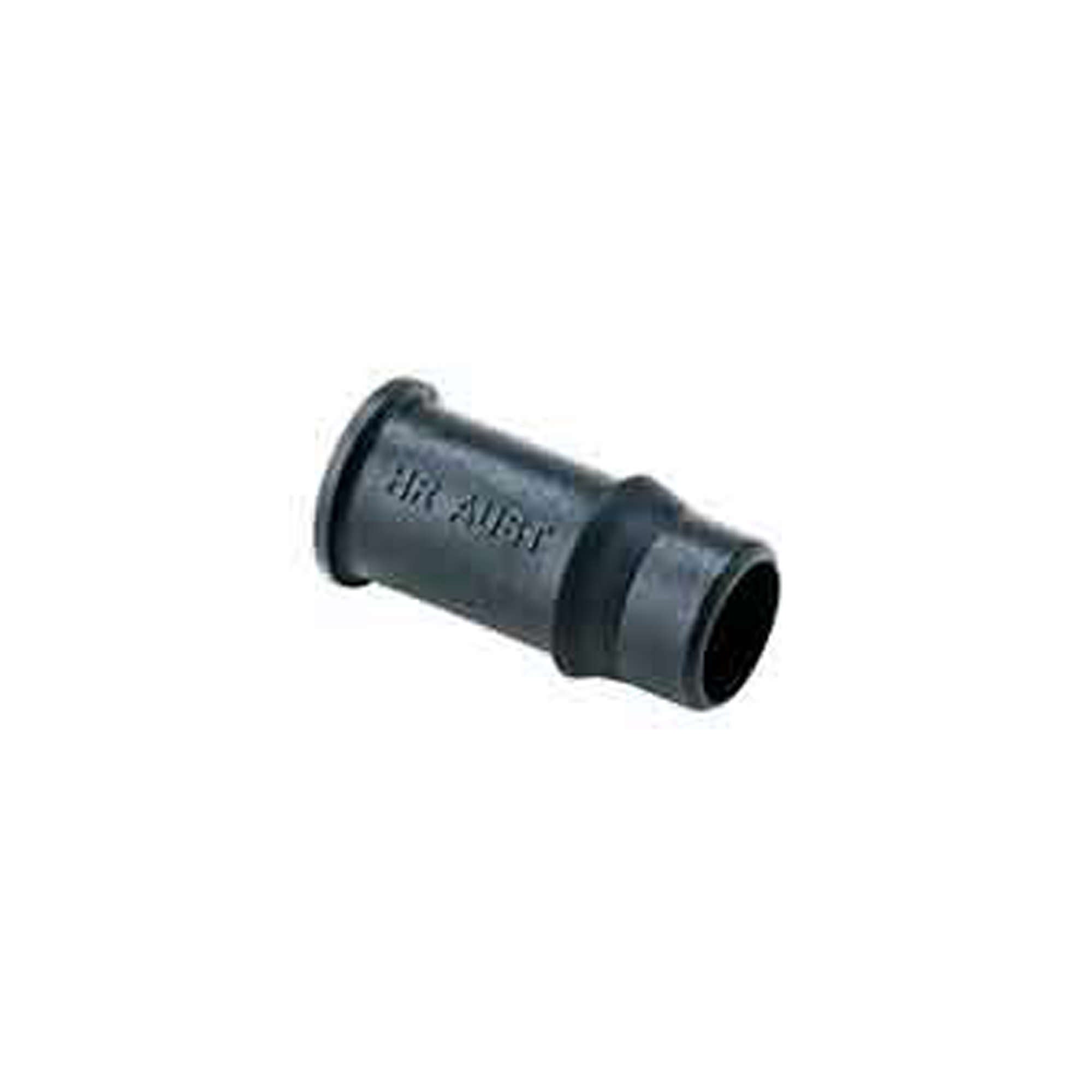
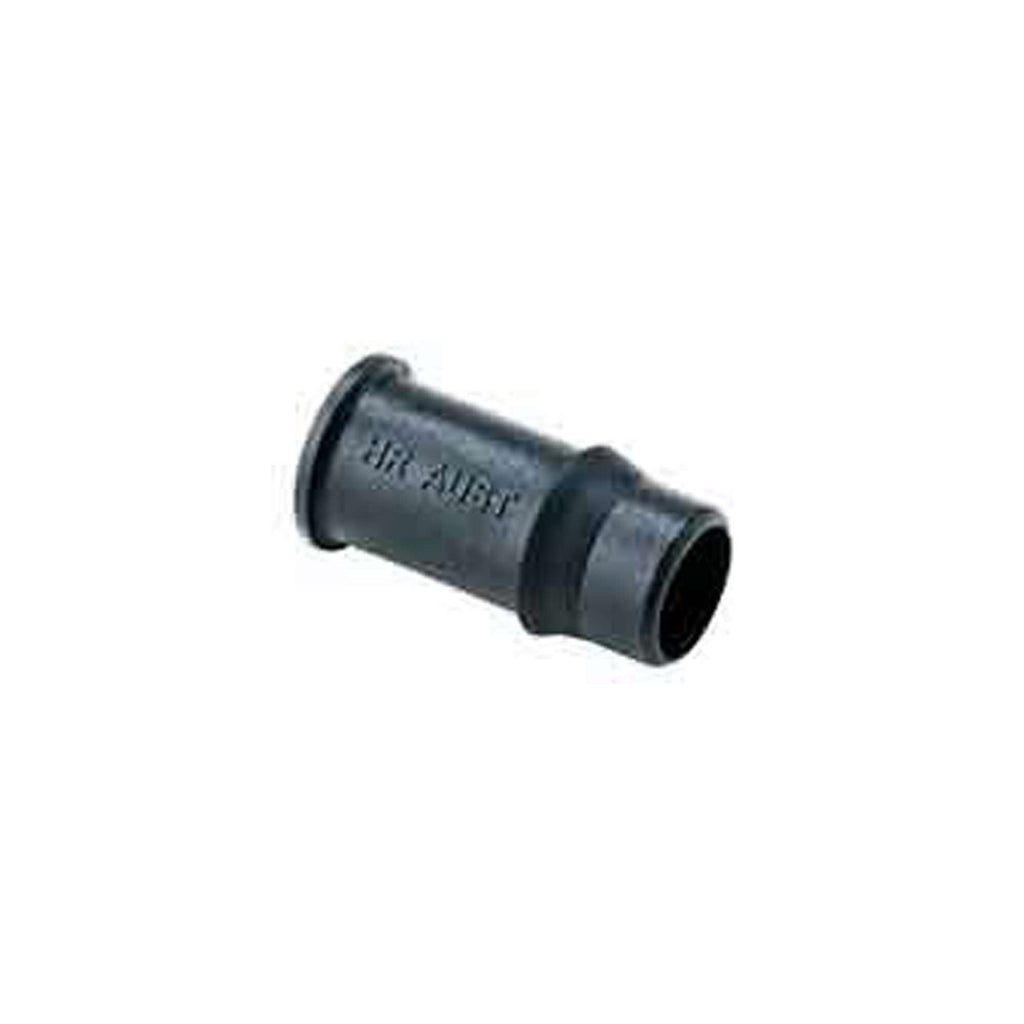
What is an End Plug used for?
End Plugs cap off the ends of irrigation or hydroponic lines to prevent leaks and maintain pressure. They help ensure even flow to drippers, sprayers, or rings and are also useful for sealing unused branches or temporary shutoffs during maintenance.
How do I choose the right End Plug size?
Match the plug to your pipe size—13mm for small systems, 19mm for medium flow, and 25mm for high-flow mains. End Plugs are designed to fit snugly into LDPE irrigation pipe and flexible hose. Softer tubing may require extra clamping to prevent slipping.
How do I install an End Plug correctly?
Cut the pipe clean and straight, then push the barbed End Plug in firmly—twisting helps. For stiff pipe, warm the end in sunlight or warm water first. Avoid lubricants; if needed, use a bit of clean water. Clamping is recommended for secure sealing.
Do I need a clamp with the End Plug?
Yes, especially for 19mm or 25mm lines, warm environments, or high-pressure setups. Ratchet or worm-drive clamps are ideal. Zip ties can work temporarily but may loosen over time. PTFE tape and sealants aren’t needed if the plug fits properly.
Can I reuse an End Plug?
Yes—most End Plugs are reusable if undamaged. To remove one, warm the pipe, twist gently, and pull. If it’s stuck or the pipe has deformed, cutting a short section off may be quicker. Flush lines periodically to prevent buildup at the capped end.
Can high water pressure push an End Plug out?
It can if the plug is the wrong size, poorly seated, or lacks a clamp. End Plugs are designed for low to medium pressure systems. If using mains pressure or strong pumps, regulate pressure and secure all fittings with clamps.
Can I cap one branch with an End Plug while keeping others running?
Yes—this is a common way to control flow during maintenance or system expansion. Just note that closing one branch may increase pressure to the others, so your design should account for that if you're using a powerful pump.
Is the End Plug suitable for hydroponic and garden irrigation?
Absolutely. End Plugs are widely used in hydro systems, soil irrigation, and to seal porous or soaker hose ends. While not designed for air lines, they can sometimes work if the tubing size matches, though hose clamps become more important.
Can I use End Plugs outdoors or underground?
Yes—they’re weather-resistant for normal outdoor irrigation. For buried runs, they’re suitable for temporary use. Long-term buried systems may benefit from purpose-designed fittings. UV exposure may shorten lifespan over time, so shading helps longevity.
Why is my End Plug leaking or popping out?
Common causes include mismatched sizing, uneven pipe cuts, lack of clamping, or heat-softened tubing. Make sure the pipe is cleanly cut, the plug is pushed in fully, and a clamp is used when needed—especially in high-flow or warm environments.
What’s the most common mistake when using End Plugs?
Using the wrong size or skipping clamps in systems with noticeable pressure. A clean install with the correct size and a clamp is the key to long-term leak-free performance.
How does an End Plug compare to the fold-over method?
Fold-over stops bend the pipe and secure it with a clip. End Plugs offer a neater, more secure finish—especially in systems with any pressure or where long-term reliability matters.