What is the Auto Pot 8 Pot System and how does it water plants?
It’s a gravity-fed, bottom-watering system where each tray floods and drains automatically using Smart Valves. As plants drink, trays refill without the need for timers or pumps, keeping the root zone evenly moist and oxygenated.
What’s included in the Auto Pot 8 Pot System kit?
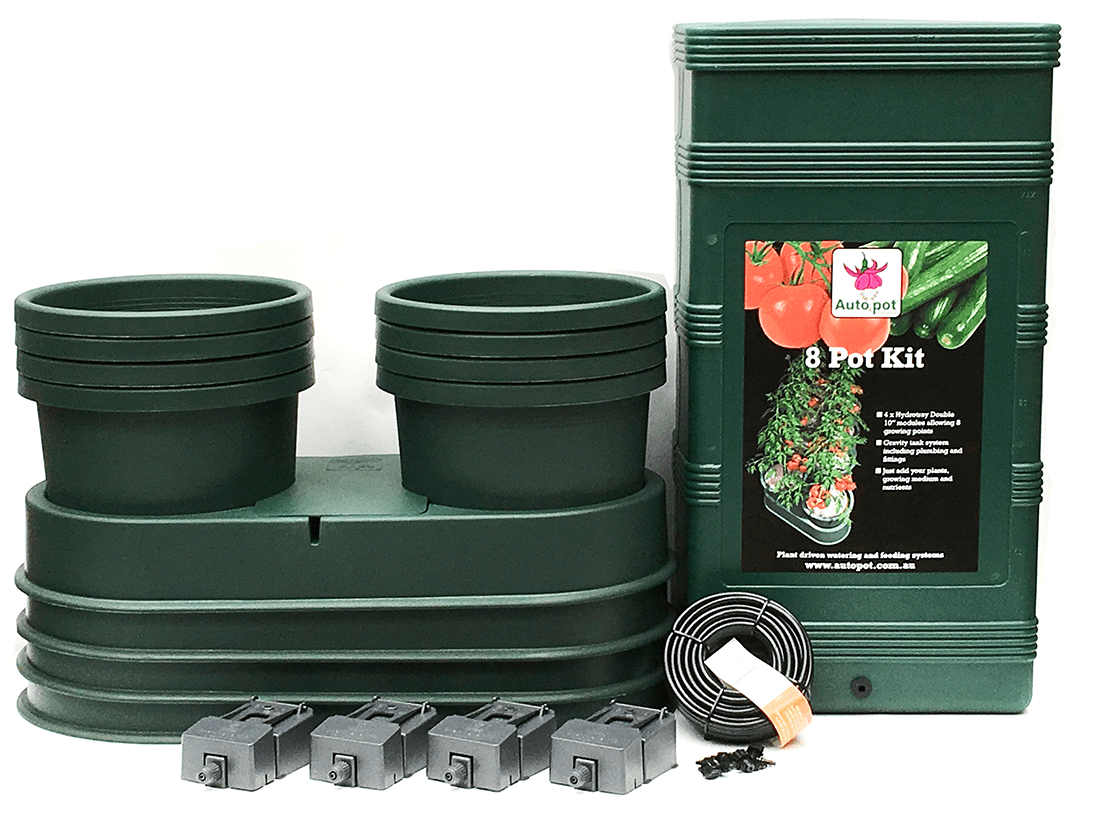
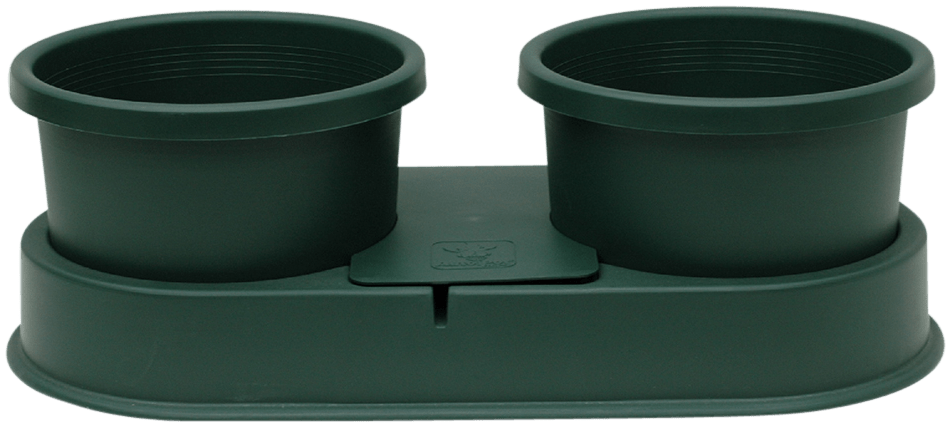
The kit includes 4 double trays, 8 pots (10”), 8 root control mats, 4 Smart Valves, a 35L reservoir, tubing, fittings, a filter, and a guide. Each tray holds two pots, giving you 8 plant sites total.
Does the Auto Pot system need electricity or a pump?
No pump is required—the system uses gravity to move nutrients from the raised reservoir into trays. Just place the tank at least 150mm above tray level and make sure everything is level for even filling.
How does the Smart Valve work and what if a tray misbehaves?
The Smart Valve opens when the tray is empty, fills it to a set level, then shuts off until plants drink it down. Overflow or no-fill issues usually come from clogs, airlocks, dirty valves, or uneven trays. Clean and reassemble the valve if needed.
Do I need to top-water before using the Auto Pot system?
Yes—after transplanting, water plants from the top for 7–10 days. This encourages root development before bottom feeding begins. Always use the included root control mats to prevent roots from invading the valve area.
What media works best in the Auto Pot 8 Pot System?
Use free-draining blends that wick well, like coco/perlite or soil/clay pebbles. Rinse dusty media (like perlite or clay) before use. Avoid dense soils that stay soggy—bottom feeding needs airflow in the mix.
Can I use organic nutrients in the Auto Pot system?
You can, but mineral nutrients are easier. Organics can clog filters and separate in the tank. If you use them, keep the reservoir agitated, clean lines often, and consider adding enzymes or filters to prevent buildup.
What pH and EC levels should I maintain?
Aim for a stable pH between 5.5–6.2 and monitor EC regularly. Change the reservoir every 7–14 days and top up with fresh water between changes. Avoid topping up indefinitely—nutrient balance will drift over time.
How do I prevent root overgrowth and keep trays clean?
Use the provided marix mats to block roots from entering the valve zone. Clean the outside of pots before placing them in trays, and wash valves and trays with warm soapy water between grows for reliable performance.
Can the Auto Pot system overwater plants?
It’s designed to avoid overwatering by cycling between wet and dry. However, using dense media, uneven trays, or turning the system on before roots are established can lead to overly wet conditions. Always let roots develop first.
Can I run different plants or leave trays unused?
Yes—you can run fewer pots and cap off unused lines. Mixing plants is fine, but feeding is easier if all plants have similar nutrient needs. Avoid running seedlings and large plants from the same reservoir if possible.
Do I need an air stone or air domes in the reservoir?
Not required, but optional. An air stone can help oxygenate the tank, especially in warm climates. Air domes can boost root oxygenation if your setup supports them, but they require an external air pump.
Why does the reservoir smell or have algae buildup?
Smells often mean the reservoir needs cleaning or organics have gone anaerobic. Algae is caused by light leaks—keep the tank and trays covered, avoid spills, and don’t expose standing nutrient solution to light.
How much space does the system need, and can I move pots?
The 8-pot setup uses 4 double trays and a 35L tank. It fits well in mid-to-large grow tents. You can move pots carefully once running, but always keep trays level and tubing untwisted to avoid issues.
Is the Auto Pot system beginner-friendly and expandable?
Yes, it's great for beginners willing to follow a few setup basics: level trays, pre-water plants, and use clean nutrients. The system is modular, so you can expand it later—just make sure your reservoir and tubing can handle the load.