
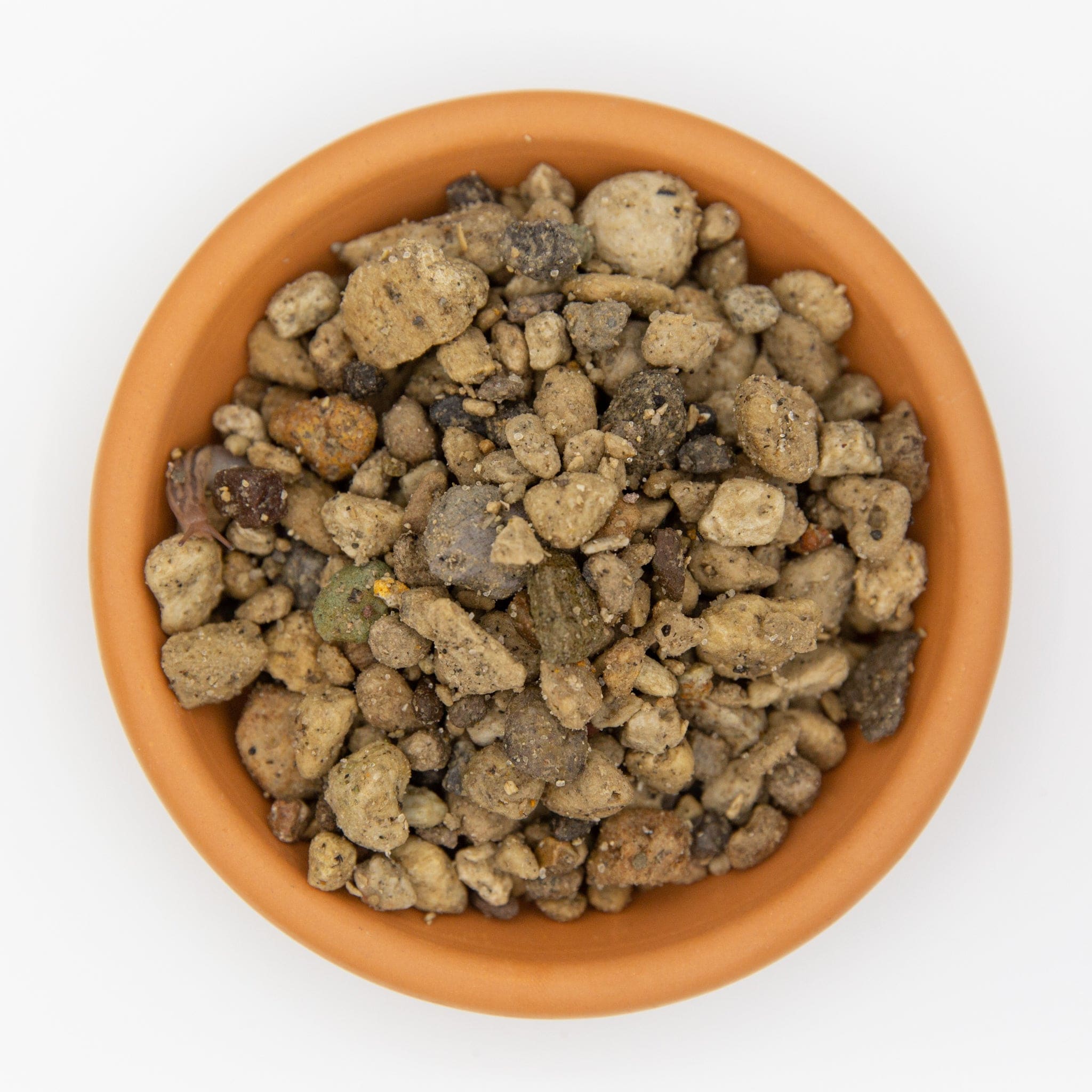
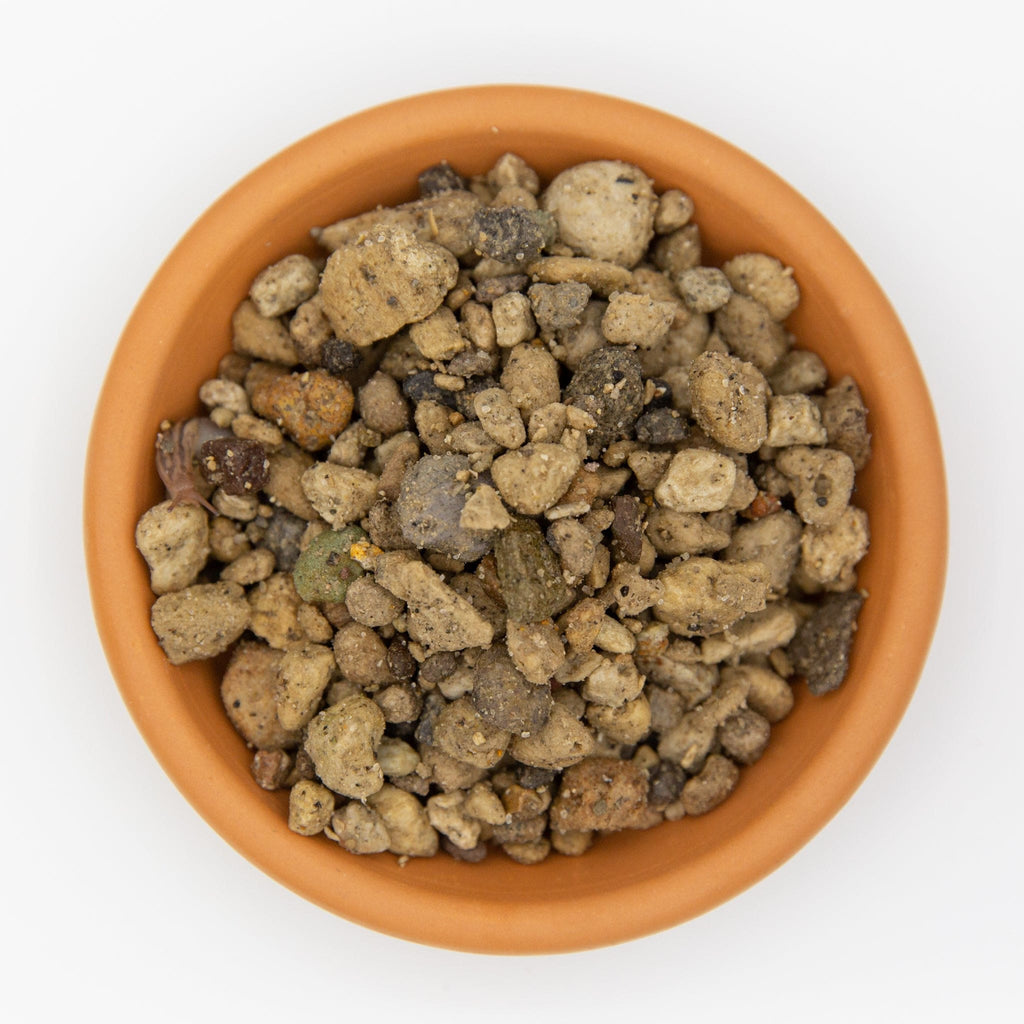

Pumice 4-20mm (Cactus/Succulent/Bonsai)

Save 15%

Size: 2L
Price:
Sale price$8.50 Regular price$10.00

Pickup available at Bellambi

Usually ready in 24 hours

Description

A natural, coarse-grade pumice that supports healthy root systems in larger pots and more mature plants. This pumice size is ideal for growers who require increased drainage and airflow while still maintaining nutrient-holding capability.

With pores that naturally absorb and slowly release water and nutrients, it helps create optimal growing conditions in bonsai, succulents, and cactus gardens.

Features

  • Coarse particle size: 4–20mm

  • Excellent for drainage and aeration

  • Retains water and nutrients in micro-pores

  • Fully washed and screened – no dust or fines

  • Sustainably sourced from a land-based site near Lake Taupo, NZ

  • Naturally sterile, pH-neutral, and chemically inert

  • Suitable for hydroponics, raised beds, pots, and dry-loving plants

Why You Should Buy

This coarser grade of pumice is especially well-suited to larger plants, including older bonsai and large succulents, which benefit from increased airflow around roots. Unlike soil additives that compact over time, this pumice maintains its structure long-term. Its superior drainage minimizes the risk of overwatering, while the porous surface helps hold just enough moisture and nutrients for gradual release, supporting stronger, more resilient plants.

Common Applications

  • Bonsai cultivation with a need for heavier drainage

  • Cactus and succulent soil mixes

  • Soil amendment for large pots or garden beds

  • Hydroponic growing as part of an inert medium

  • Soil conditioning in no-till gardening

FAQs

What’s the difference between this and the 1–7mm grade?
The 4–20mm grade has larger particles, offering even greater drainage and airflow, making it ideal for larger root systems or plants in bigger containers.

Is it pre-washed?
Yes, it's washed and screened to remove dust and fines, ensuring it won’t compact or “concrete” in your soil mix.

Can I mix this with organic potting soil?
Absolutely. It can be mixed directly with soil to improve structure and oxygenation.

Will this break down over time?
No, pumice is a long-lasting mineral aggregate that keeps its shape and function.

Can it be used in hydroponic systems?
Yes, it’s inert and pH neutral, making it perfect for hydroponic applications or as a base media layer.

Secure & Encrypted Payments

Logos for Google Pay, Airwallex, and PayPal.

Estimate shipping

Frequently Asked Questions (FAQ)

What is coarse-grade Pumice and what does “4–20mm” mean?

Coarse Pumice is a natural volcanic rock screened to a 4–20mm particle size. This range means you get a mix of chunk sizes in one bag—ideal for boosting airflow, drainage, and structure in potting mixes.

Which plants benefit most from Pumice?

Pumice is perfect for succulents, cacti, bonsai, and other dry-loving or rot-sensitive plants. It’s also useful in raised beds, heavy indoor mixes, or anywhere better drainage is needed.

How is Pumice different from perlite, lava rock, and LECA?

Unlike perlite, pumice is heavier and less likely to float. Compared to lava rock (scoria), it’s lighter and holds some moisture. LECA is spherical and used in hydroponics, while pumice is irregular and soil-friendly.

How much Pumice should I mix into my soil?

Start with 20–50% pumice in your mix for succulents or cacti. You can also blend it with compost, coco coir, or bonsai soil depending on your plant’s needs and local conditions.

Will using Pumice affect how often I need to water?

Yes—since pumice improves drainage, your soil may dry faster, especially in warm or dry environments. Adjust watering frequency and mix ratios to prevent plants from drying out too quickly.

Does Pumice improve root health and prevent rot?

Yes, pumice boosts airflow and creates permanent air pockets that help roots breathe. This reduces the risk of rot, compaction, and issues like fungus gnats in soggy soil.

Can Pumice be used in hydroponics or reused?

Yes—pumice is inert and stable for hydro or semi-hydro setups. To reuse it, rinse off debris and soak in a mild disinfectant if desired. It doesn’t degrade like organic components.

Is Pumice safe and clean to handle?

Pumice is washed and screened, but a quick rinse can reduce residual grit. It’s safe for most users and pets, though gloves help if you have sensitive skin. Avoid rough surfaces—it can scratch.

Can I use Pumice in self-watering pots or as a drainage layer?

You can, but mixing pumice throughout the potting mix often works better than layering. In self-watering pots, aim for a mix that balances drainage with wicking capability.

Why does my Pumice look different or contain larger “rocky” chunks?

Natural pumice varies in texture and color. Larger pieces are normal in coarse grades, but if your product seems off or damaged, contact support with a photo for help.

You may also like

Recently viewed