
As more people become conscious of the impact of food production on the environment, the need for sustainable agricultural practices is more pressing than ever. Organic farming is becoming increasingly popular, and farmers are looking for ways to improve the health of their soil and increase crop yields without resorting to synthetic fertilizers and other harmful chemicals.
That's where Azomite comes in – a natural mineral substance that has been used for decades to replenish depleted soils and enhance plant growth. In this article, we'll take an in-depth look at Azomite, including its unique characteristics, the benefits of using it, and how to use it to improve soil health and increase crop yields. Whether you're a home gardener or a large-scale farmer, Azomite is a versatile and effective solution that can help you achieve better results and a healthier environment.
Table of Contents
- What is Azomite?
- What’s Inside Azomite: A Mineral Powerhouse
- Is Azomite a Natural Soil Amendment or a Fertiliser?
- What Does Azomite Do for Plants?
- How Azomite Works
- Benefits of Using Azomite
- When Azomite Is Worth Using — and When It’s Not
- Plants That Benefit from Azomite
- How Azomite Compares with Other Mineral Amendments
- Azomite vs Zeolite: Which One Does Your Soil Need?
- Basalt vs Azomite: Which Rock Dust Is Better?
- Azomite vs General Rock Dust
- How to Use Azomite
- Choosing the Right Form of Azomite
- How to Use Azomite in Australian Soils and Potting Mixes
- Azomite Application Rates, Timing and Practical Tips
- How to Use Azomite in an Established Garden Bed
- Using Azomite in Hydroponic and Other Growing Systems
- Organic Certification and Safe Handling
- Frequently Asked Questions About Azomite
- Next Reads for Building a Mineral-Rich, High-Performance Soil
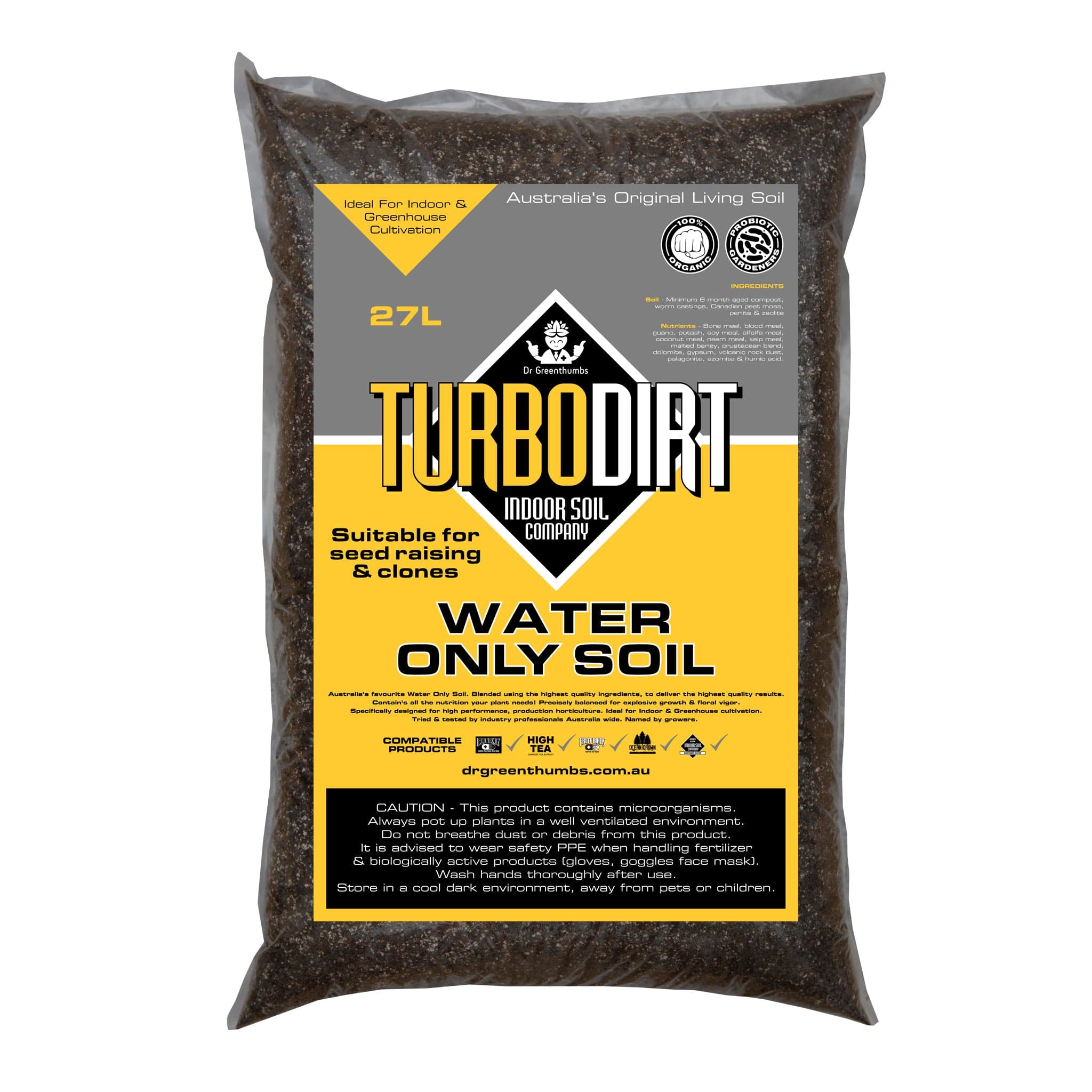
If you want the easiest way to remineralize your soil, these are the go-to options:


What is Azomite?
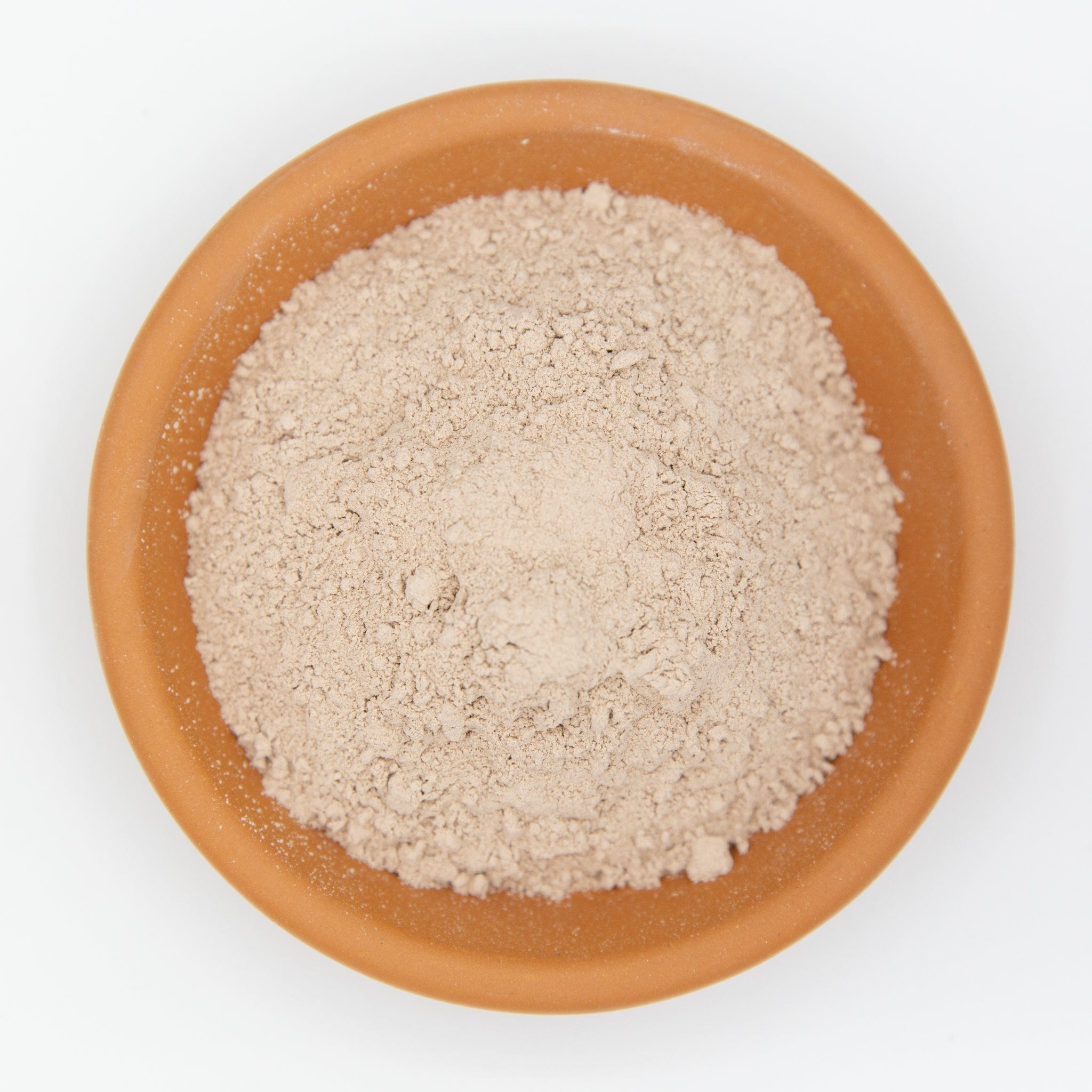
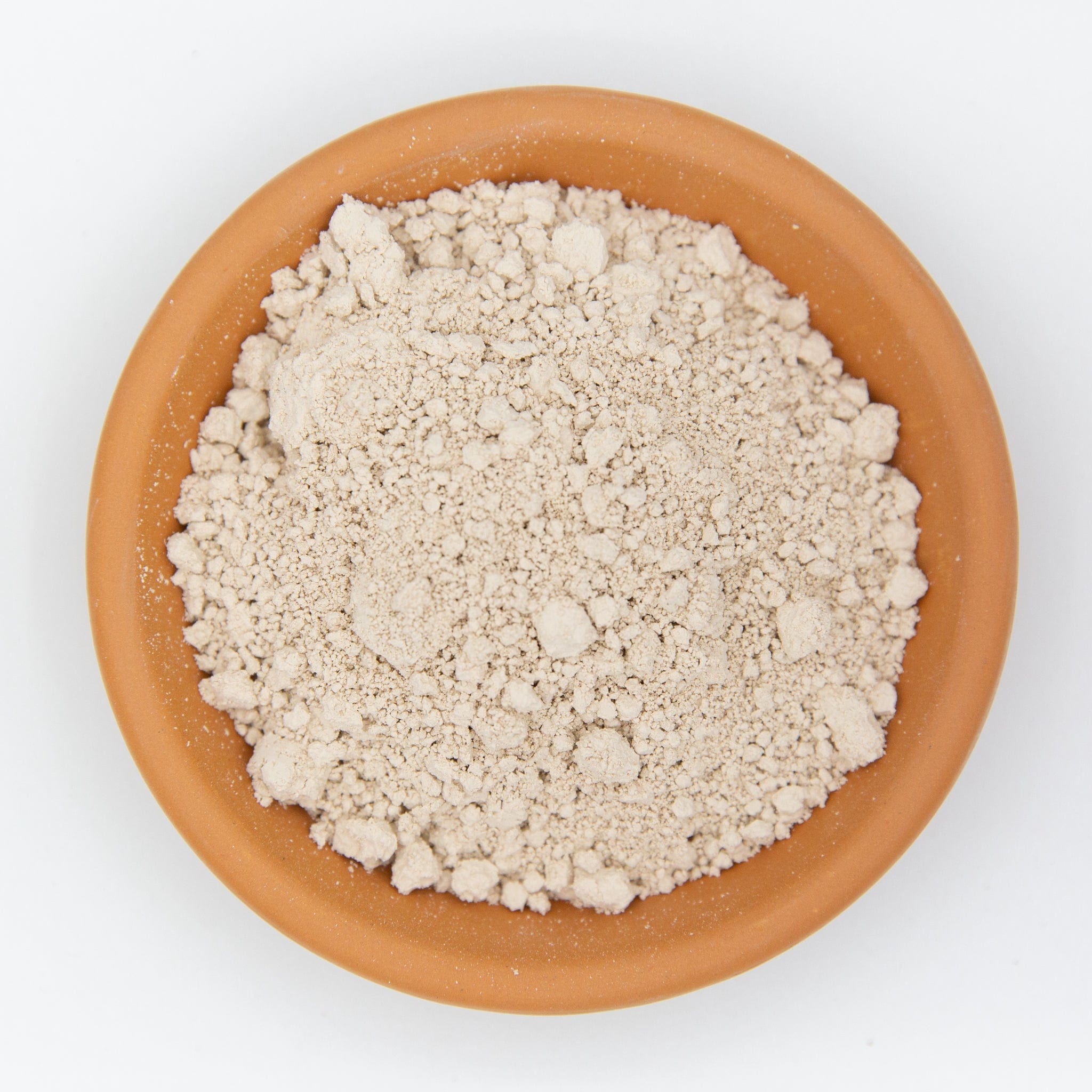
Azomite is a naturally occurring mineral material mined from an ancient volcanic ash deposit in central Utah, USA. The deposit formed as volcanic material interacted with mineral-rich seawater over geological time, creating a complex mineral ore containing a broad range of trace elements.
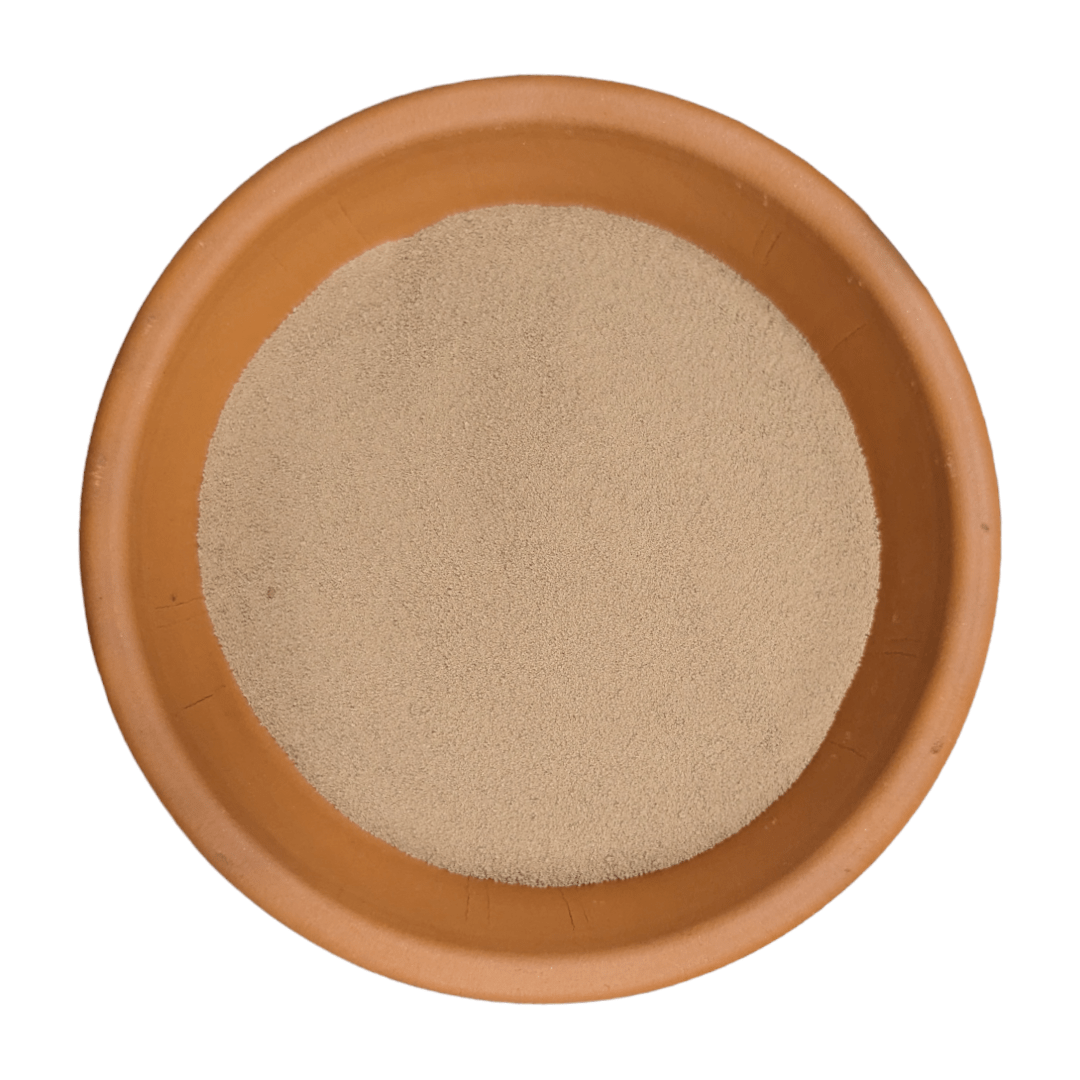
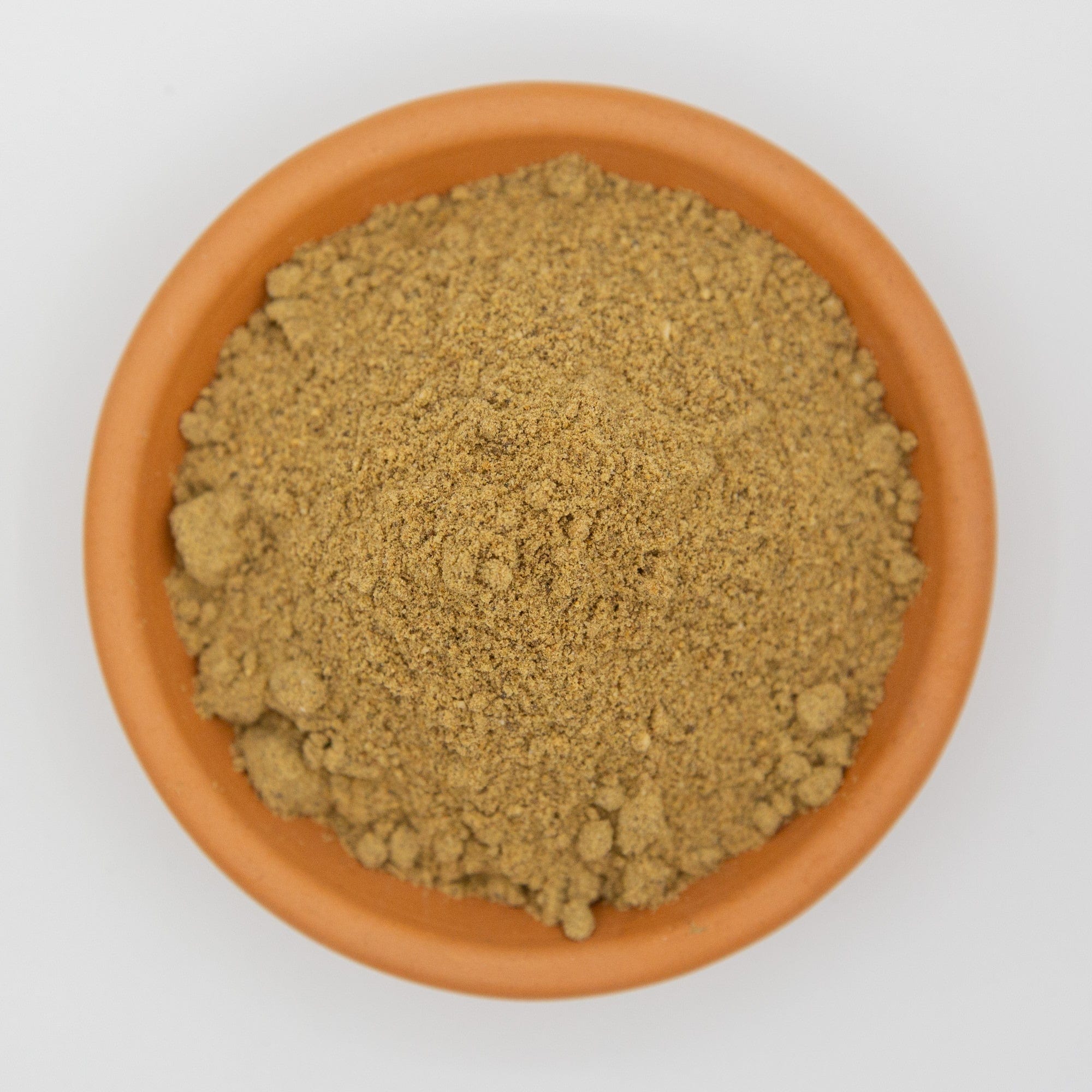
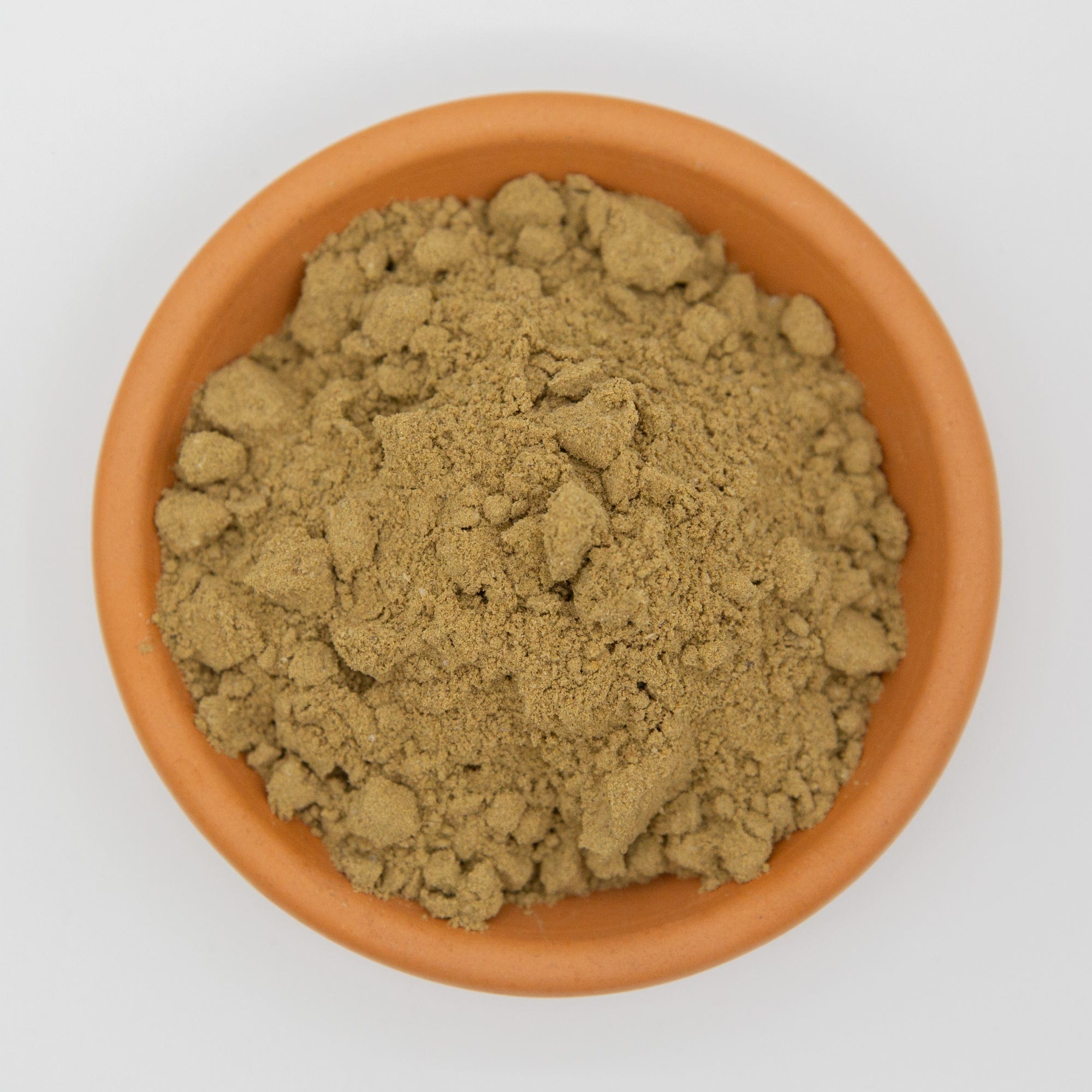
Gardeners use Azomite to add mineral diversity to soil, compost and growing media. It is available in Micronised, Field Grade and Granular forms, with each form suited to a different application method.
The mineral source is the same across the three forms. The main differences are particle size, dust levels, application convenience and how quickly the particles begin interacting with moisture and soil biology.
What’s Inside Azomite: A Mineral Powerhouse
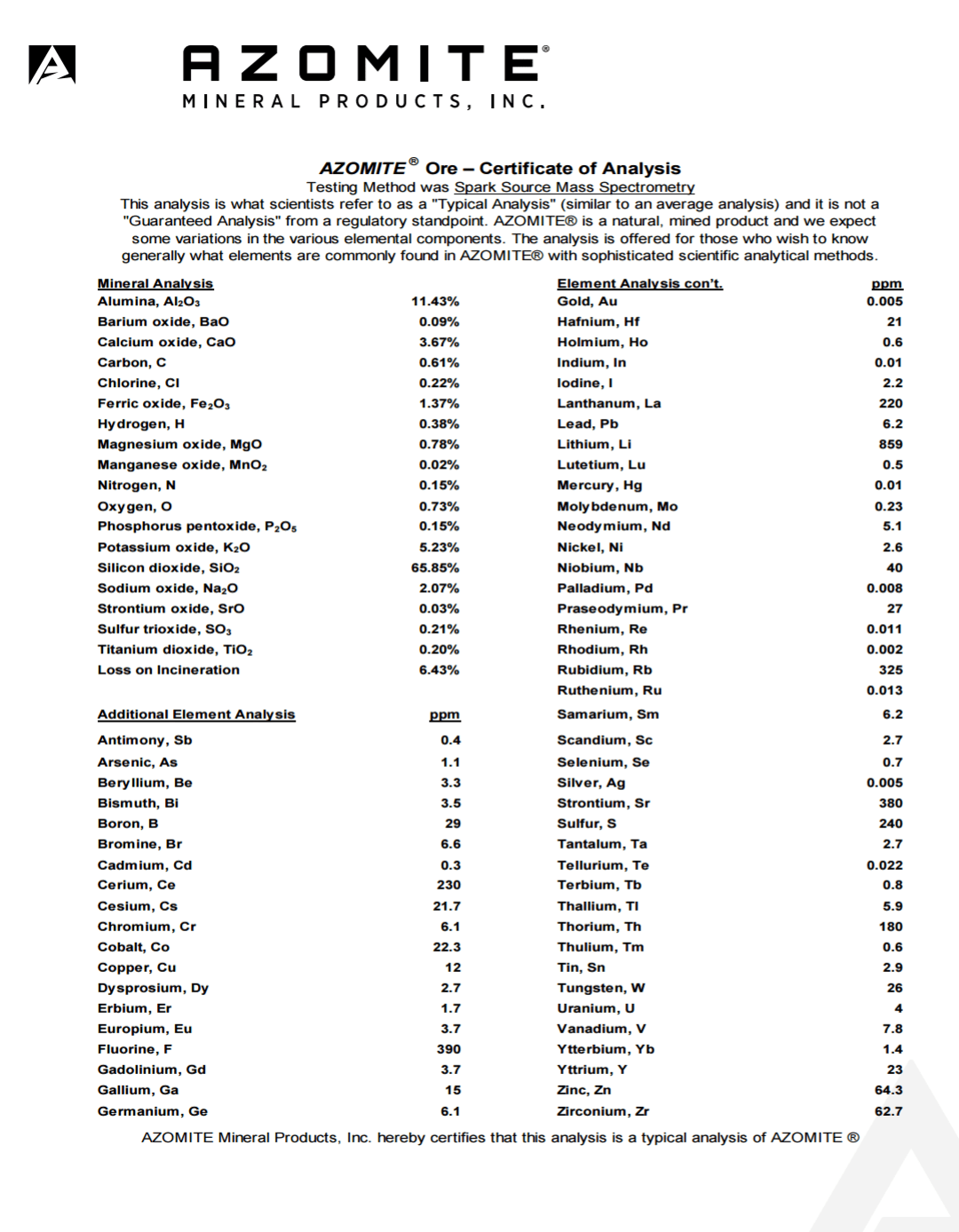
Azomite contains a broad spectrum of mineral elements, including calcium, magnesium, iron, manganese and zinc. Plants use these and other micronutrients in small quantities for processes such as enzyme activity, chlorophyll production, root development and nutrient conversion.
Azomite should not be treated as a concentrated source of one specific nutrient. Its main value is the diversity of its mineral profile, particularly in soils and reused growing media where trace elements may have been gradually removed through harvesting, watering and leaching.
The minerals are not all released immediately. Moisture, root activity, soil microbes and natural organic acids gradually weather the particles over time.
Is Azomite a Natural Soil Amendment or a Fertiliser?
Azomite is best treated as a natural soil amendment rather than a complete fertiliser. The difference matters.
A fertiliser is normally used to meet a plant’s immediate demand for nutrients such as nitrogen, phosphorus and potassium. A soil amendment changes or improves part of the growing environment. In Azomite’s case, its main job is to broaden the soil’s mineral profile by adding small amounts of many different elements.
It does not add organic matter like compost, hold nutrients like zeolite or correct soil pH as predictably as lime. It also will not replace a balanced feeding program when plants are genuinely short on nitrogen, phosphorus or potassium. Think of it as a mineral back-up system rather than the main meal.
That makes Azomite most useful in reused potting mixes, intensively cropped vegetable beds, living soils and gardens where minerals may have been gradually removed through harvesting or leaching.
For better results, combine it with compost, worm castings and an appropriate fertiliser. The organic matter supports moisture and biology, the fertiliser covers immediate plant demand, and Azomite helps fill smaller mineral gaps that can otherwise be missed.
What Does Azomite Do for Plants?
Azomite supplies a broad range of slowly available minerals that can support plant growth when one or more trace elements are limiting performance.
Plants only need micronutrients in small quantities, but those small quantities still matter. Elements such as iron, manganese, zinc, magnesium and molybdenum take part in chlorophyll production, enzyme activity, nutrient conversion and general plant metabolism.
Azomite does not force rapid growth like a soluble nitrogen feed. Where a genuine mineral limitation exists, it may support steadier growth, healthier leaf colour, root development, nutrient use, flowering and fruit production.
Do not expect every plant to suddenly explode with growth. Azomite will not correct overwatering, compacted soil, damaged roots, incorrect pH or a major nitrogen, phosphorus or potassium deficiency. In an already balanced soil, the visible response may also be minor.
Its strongest value is generally preventative and long-term: maintaining mineral diversity before small deficiencies become larger performance problems.
How Azomite Works
Plant growth is limited by whichever essential resource is in shortest supply. A plant can have adequate nitrogen, phosphorus and potassium but still underperform when an essential trace element is unavailable.
Azomite adds a broad range of mineral particles to the root zone. These particles are gradually weathered by moisture, microbes, organic acids and root activity. Portions of their mineral content can then enter normal soil nutrient-cycling processes.
This is a slow process rather than an instant feed. The response depends on the existing soil, its pH, moisture, biological activity and whether a mineral limitation was present in the first place.
Azomite may also support the soil biological environment indirectly by providing a wider mineral base for nutrient cycling. It does not directly loosen compacted soil or replace compost, aeration, drainage work or other structure-building practices.
Benefits of Azomite
The value of Azomite depends on the condition of the soil and the needs of the plant. Its most useful potential benefits include the following.
Broader Mineral Diversity
Azomite adds a wide range of mineral elements rather than supplying only nitrogen, phosphorus and potassium. This can be useful in reused media, heavily cropped beds and soils where minerals have been gradually removed.
Support for Normal Plant Processes
Trace elements take part in enzyme activity, chlorophyll formation, root development and nutrient conversion. Maintaining access to these elements helps plants complete normal growth and reproductive processes.
Long-Term Soil Remineralisation
Azomite breaks down gradually, making it better suited to long-term soil building than rapid deficiency correction. It can be incorporated into living-soil recipes, compost systems and seasonal soil-maintenance programs.
Useful Alongside Compost and Fertiliser
Azomite can complement organic matter and a balanced fertility program. Compost supports structure and biology, fertiliser supplies immediate plant nutrition, and Azomite adds broader mineral diversity.
When Azomite Is Worth Using — and When It’s Not
Azomite is worth using when the limiting factor is mineral diversity. It’s much less useful when the limiting factor is bad watering, poor roots, compacted soil or a lack of basic nutrition.
Worth using:
- In living soil builds
- In reused potting mixes
- In compost systems
- In raised beds with tired soil
- With fruiting crops, herbs, flowers and long-season vegetables
- As part of a dry amendment blend
Probably not your first fix:
- Seedlings in fresh premium potting mix
- Plants suffering from obvious overwatering
- Pots with no drainage
- Crops already overfed with fertiliser
- Soils with known excesses from a recent soil test
- Short-cycle plants that will be harvested before slow mineral cycling matters
If you’re guessing, go light. Azomite is one of those inputs where more doesn’t automatically mean better. A small amount worked through a healthy soil system will usually do more good than a heavy-handed top dress on a stressed plant.
Plants that Benefit from Azomite
Azomite can be used around a wide range of plants, including vegetables, herbs, flowering plants, fruiting crops, fruit trees, vines and ornamentals.
Long-season and heavily harvested plants may be particularly relevant because they remove nutrients from the growing media over an extended period. Azomite may also be useful when refreshing reused potting mixes or raised beds between growing cycles.
The crop type alone does not determine whether Azomite is needed. Existing soil conditions, previous amendments and the plant’s overall nutrition program matter more than the name of the plant.
For seedlings growing in fresh premium potting mix, use caution. Young plants generally need a suitable propagation mix, correct moisture and gentle nutrition before they need additional mineral amendments.
How Azomite Compares with Other Mineral Amendments
Mineral amendments are often grouped together, but they do not all perform the same job. The best choice depends on whether the main goal is adding mineral diversity, retaining nutrients, changing growing-media structure or applying bulk rock minerals over a large area.
Azomite vs Zeolite: Which One Does Your Soil Need?
Azomite and zeolite are both natural mineral amendments, but they perform different jobs in the root zone.
Azomite is primarily used to add mineral diversity. Zeolite is primarily used to retain and exchange nutrients. Its porous structure can hold positively charged nutrients such as ammonium and potassium, helping reduce losses from watering and keeping those nutrients within the root zone.
Choose Azomite when:
- Your main goal is broad-spectrum remineralisation
- You are refreshing reused soil or potting mix
- Compost and fertiliser are already present, but trace-mineral diversity may be limited
- You want a concentrated mineral addition without adding much growing-media volume
Choose zeolite when:
- Nutrients leach quickly through sandy soil or heavily watered pots
- You want to improve nutrient buffering in a potting mix
- A stable mineral aggregate would help maintain physical structure
- You want a reusable mineral component that will not decompose
Particle size matters with zeolite. Fine grades provide more surface area for nutrient exchange, while coarser grades are usually better suited to improving physical structure in pots, bonsai mixes and mineral growing media.
The two materials can also be used together. Zeolite helps retain certain nutrients within the root zone, while Azomite supplies a broader mineral spectrum. Neither supplies organic matter, and neither replaces a complete fertiliser.
Basalt vs Azomite: Which Rock Dust Is Better?
There is no universal winner in the basalt vs Azomite comparison. The better choice depends on the soil, the scale of the application and the mineral profile you are trying to build.
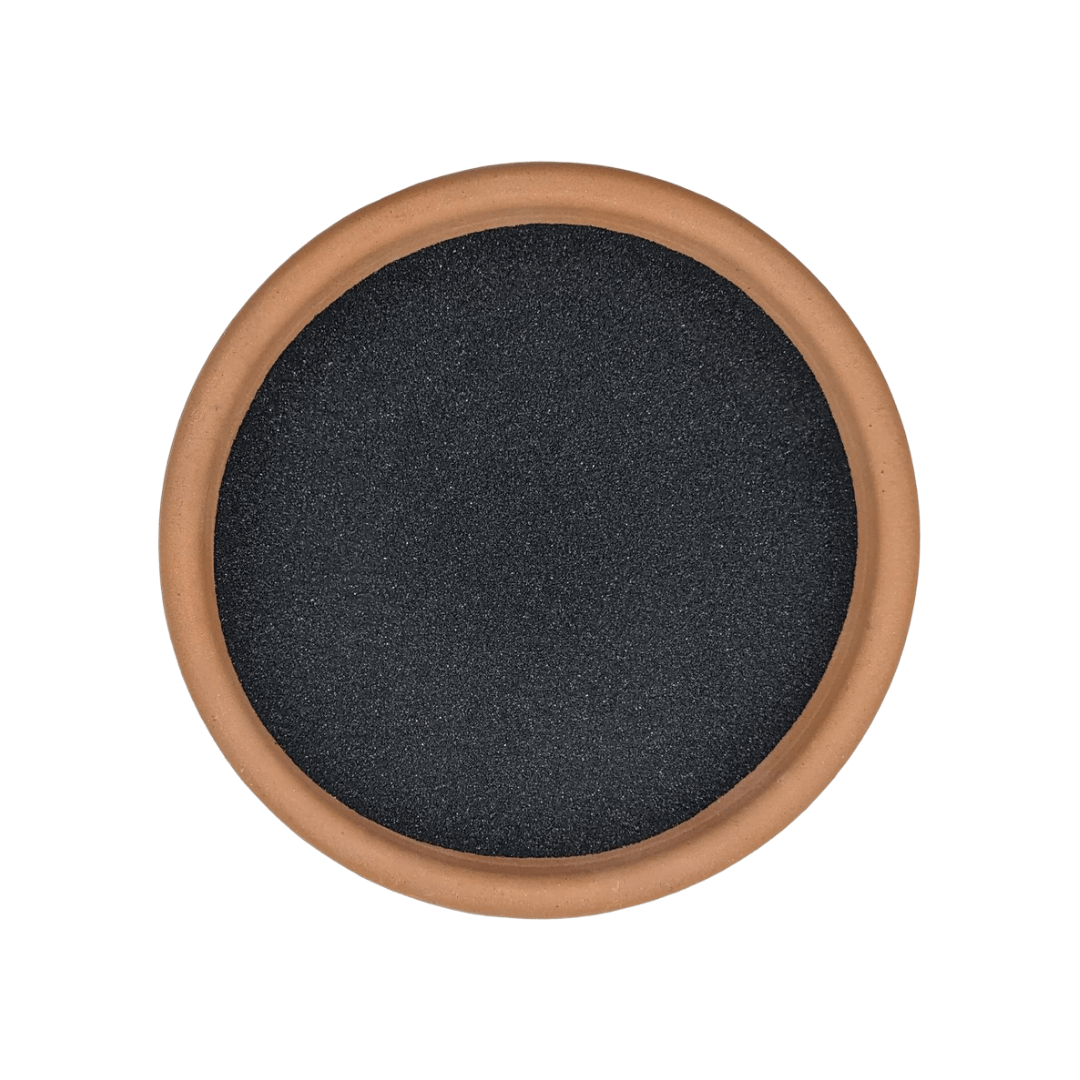
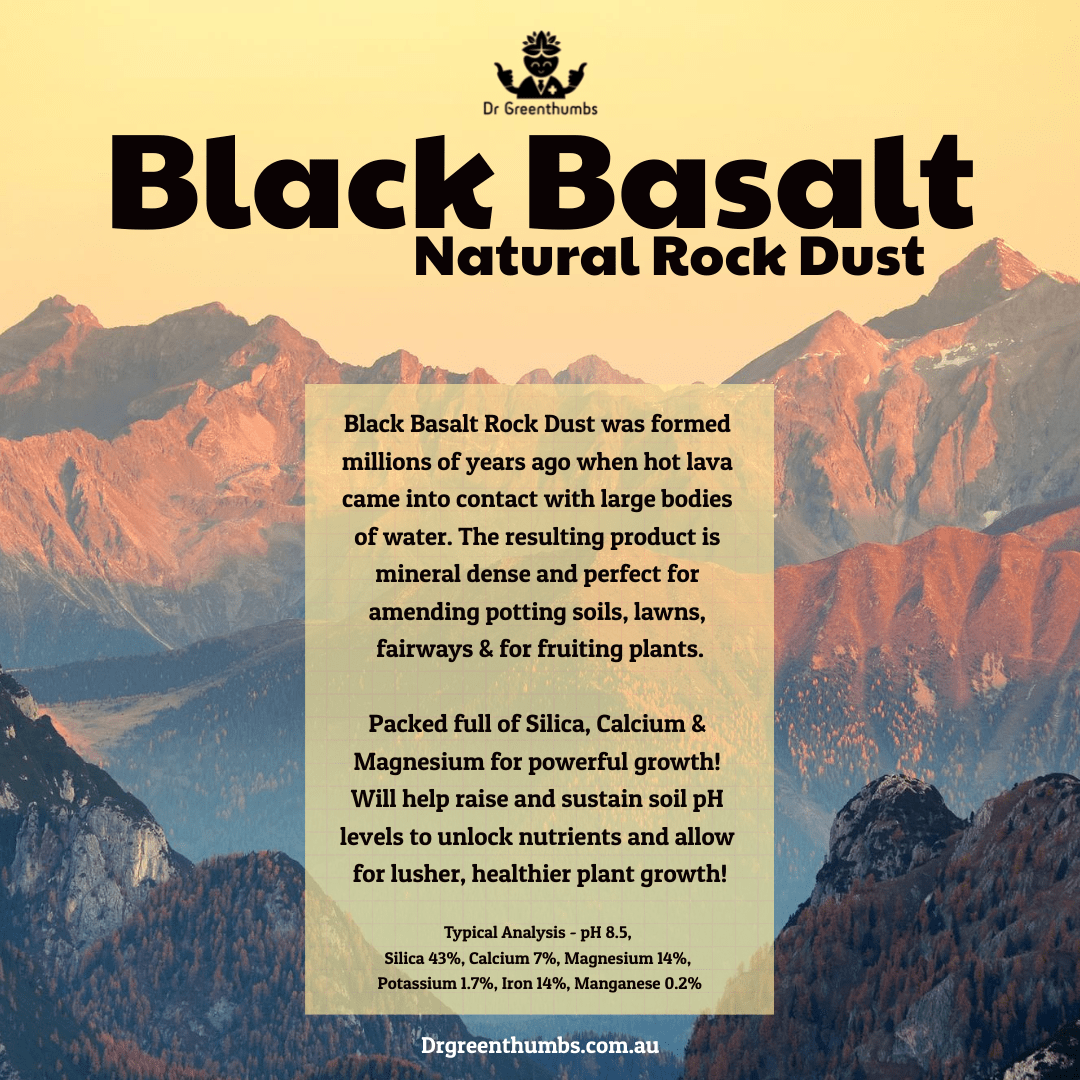
Basalt rock dust is produced by finely grinding volcanic rock. Its exact composition varies according to the quarry and source material. It is generally used as a slow, bulk remineralising input where long-term mineral weathering is part of the goal.
Azomite comes from one specific mineral deposit and is normally used in smaller quantities for its broad trace-mineral profile. It is particularly practical in pots, raised beds and living-soil recipes where you want mineral diversity without adding a large volume of rock dust.
Basalt is often the better fit when:
- You are treating larger garden beds or broad soil areas
- You want a long-term, bulk mineral input
- A locally sourced product is more economical
- The analysis of that basalt matches the needs shown by your soil test
Azomite is often the better fit when:
- You are working with containers or smaller raised beds
- You want a concentrated trace-mineral amendment
- You are refreshing reused growing media
- You already use compost and fertiliser but want broader mineral coverage
Always check the analysis of the basalt product being considered. Basalt describes a rock type, not one guaranteed mineral analysis.
Using both may make sense in a complete soil build, but there is no benefit in blindly applying full rates of both products. Use the soil, the growing system and previous amendment history to guide the decision.
Azomite vs General Rock Dust
Azomite is a specific mined mineral product with a relatively consistent source. General rock dust is a category that may include crushed basalt, granite, volcanic rock or other locally available mineral materials.
Use Azomite when you want:
- A concentrated broad-spectrum mineral addition
- A small-dose amendment for pots or raised beds
- A material that is easy to blend into compost or living soil
- Greater consistency between purchases
Use a general rock dust when you want:
- Bulk remineralisation over a larger area
- A lower-cost material for broad garden beds
- Long-term mineral weathering
- A locally sourced mineral product
Neither is a complete fertiliser, and neither repairs poor soil structure on its own. Both work best as part of a broader soil-building program that includes organic matter, appropriate nutrition, moisture management and healthy root-zone biology.
How to Use Azomite
The best way to use Azomite depends on the growing system, the area being treated and the product form. Apply it evenly and conservatively rather than placing a concentrated amount against one plant or root zone.
Choosing the Right Form of Azomite
Micronised Azomite
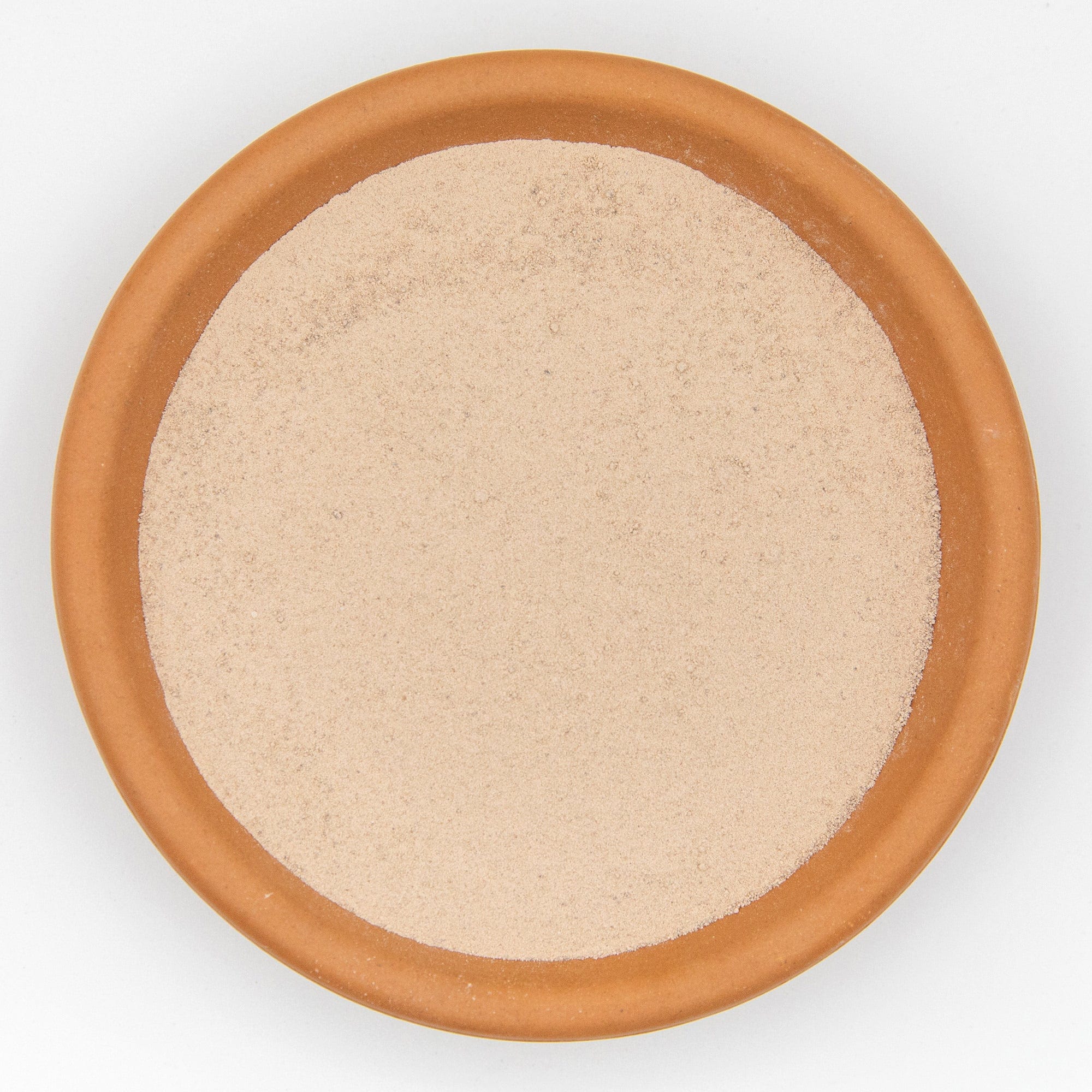
Micronised Azomite is a fine powder suited to mixing through potting soil, compost, worm castings and dry-amendment blends. Its fine particle size provides broad distribution through the media, but it can produce airborne dust.
Wear a suitable dust mask and gloves while handling it. Mix it into another material before spreading where possible, and avoid applying it outdoors during windy conditions.
Field Grade Azomite
Field Grade Azomite contains coarser, irregularly sized particles and is less dusty than the micronised form. It is generally better suited to outdoor beds and larger applications.
Because the particles are not uniform, mechanical spread patterns may be less even than with a granular product. Check the area after application and correct any concentrated patches.
Granular Azomite
Granular Azomite consists of fine particles formed into larger granules. It is easier to spread by hand or with suitable spreading equipment and produces less airborne dust.
The granules need moisture to begin breaking apart after application. Water the treated area properly or apply before suitable rainfall.
How to Use Azomite in Australian Soils and Potting Mixes
Australian growing conditions vary considerably, so Azomite should be used according to the soil and growing system rather than applied at one automatic rate.
In sandy coastal soil, nutrients and fine mineral particles may move through the root zone more quickly. Use Azomite as part of a broader rebuild that includes compost, worm castings and other forms of organic matter.
In heavy clay, Azomite will not directly loosen compaction or repair drainage. Address physical structure separately with appropriate organic matter, drainage work and soil amendments selected for the actual clay conditions.
For raised beds and living soil, distribute Azomite evenly through the media before planting or add it as a light surface application between growing cycles.
Use conservative amounts in containers. Pots have a restricted root zone, so excessive amendment rates create a greater risk of mineral accumulation than they do in an open garden bed.
Azomite Application Rates, Timing and Practical Tips
To get the most out of Azomite in your garden, knowing how much and when to use it makes all the difference. Unlike water-soluble fertilisers, Azomite works as a mineral-rich soil amendment that builds long-term soil health — so it’s not about quick fixes but thoughtful timing and placement.
Always check the current product directions before applying Azomite, particularly in containers, hydroponic systems or soil that has already received mineral amendments.
For most annual vegetable gardens, a general rule of thumb is to work in about 1 heaped tablespoon (≈15 g) per square metre at planting time. In larger beds or mixed crops, that translates to roughly 1 kg per 50–60 m² of garden space. For lawns or broad acre cropping, rates can go up to 75-200 lbs per acre depending on soil conditions and crop goals.
For fruit trees and vines, spread ~1–5 pounds (≈0.5–2.3 kg) around the drip line of mature trees each season and gently incorporate. Young plantings can benefit from a lighter spread at planting to encourage root establishment. Smaller potted plants or ornamental containers often do well with a teaspoon or two mixed into the potting mix at repotting.
Application frequency should depend on the growing system, previous applications and soil conditions. Do not reapply automatically when the soil has already received a complete mineral amendment or a recent soil test shows adequate or excessive levels.
Unlike quick feed fertilisers, Azomite’s benefits continue to accumulate over multiple seasons, so a spring application followed by a light top-dress in autumn in cooler climates is often all that’s needed.
How to Use Azomite in an Established Garden Bed
Applying Azomite before planting is straightforward because it can be mixed throughout the soil. Established beds need a lighter touch so active feeder roots are not damaged.
Use the following method:
- Check what has already been applied. If the bed was recently built with rock dust, mineralised compost or a complete dry-amendment blend, it may not need additional Azomite.
- Measure the required amount. Follow the product directions and the application guidance above. Do not estimate by throwing several handfuls around each plant.
- Create a carrier mix. Blend the Azomite into compost, worm castings or a small amount of potting mix. This makes the fine material easier to distribute evenly.
- Spread it across the active root zone. For vegetables and shrubs, apply around the plant rather than against the stem. For established trees, distribute it beneath the canopy and around the drip line instead of piling it beside the trunk.
- Incorporate it only at the surface. Lightly scratch it into the top centimetre or two where this can be done without cutting roots. In no-dig beds, spread the carrier mix beneath the mulch and leave the deeper soil structure undisturbed.
- Water the area properly. Watering settles fine particles, reduces dust and begins the gradual weathering process. Replace displaced mulch after watering.
Wear a suitable dust mask when handling micronised Azomite and apply it on a still day. Do not reapply simply because no dramatic change is visible within a week. Azomite is a slow soil-building input and should be judged over a growing cycle rather than over the next few waterings.
Using Azomite in Hydroponic and Other Growing Systems
Azomite is not water-soluble. Although fine grades can be used in some liquid or hydroponic systems, the particles remain suspended rather than dissolving into a clear nutrient solution.
Only use it where the system has sufficient agitation and suitable filters, emitters and nozzles. Fine mineral particles can settle in reservoirs or contribute to blocked irrigation equipment when the system is not designed to handle suspended solids.
For most small home hydroponic systems, a fully soluble trace-mineral product is easier to measure and control. Do not add Azomite to a reservoir simply because it is described as a mineral amendment.
In soil-free media, Azomite may be incorporated in small quantities during media preparation, provided the complete nutrition program and physical properties of the media have already been considered.
Organic Certification and Safe Handling
Azomite is a naturally mined mineral product and is OMRI Listed for use in organic production. Growers working under a formal organic-certification program should still confirm that the product and intended application meet the requirements of their own certifying body.
The product should be used according to its label and application instructions. Naturally derived does not mean that normal handling precautions can be ignored.
Micronised Azomite can produce airborne mineral dust. Wear a suitable dust mask and gloves, avoid breathing the dust, keep it away from the eyes and apply it in calm conditions. Field Grade and Granular forms may be easier to handle where airborne dust is a concern.
Store the product securely and keep it dry. Keep bags and containers away from children and animals, and clean up spills rather than allowing fine material to spread through work or living areas.
Frequently Asked Questions About Azomite
Is Azomite safe for humans and animals?
Azomite can be used in gardens when the product directions and normal handling precautions are followed. Avoid inhaling the dust or getting it in the eyes. Wear a suitable dust mask and gloves when handling the micronised form, and store the product away from children and animals.
Is Azomite easy to use?
Yes. Micronised Azomite is suited to mixing through soil, compost and amendment blends. Field Grade and Granular forms are generally easier to spread over outdoor areas and produce less airborne dust.
Apply it evenly and follow the current product directions rather than estimating the amount.
What plants benefit from Azomite?
Azomite can be used around vegetables, herbs, flowers, fruiting crops, trees, vines and ornamentals. Its usefulness depends more on the soil’s existing mineral condition than on the plant species.
Is Azomite a replacement for a complete fertility program?
No. Azomite is primarily used to add mineral diversity. It does not replace a balanced nutrition program that supplies the nitrogen, phosphorus, potassium and other nutrients required by the crop.
Can Azomite be used with other fertilisers?
Yes. Azomite is commonly used alongside compost, worm castings, dry amendments and appropriate fertilisers. Account for everything already present in the soil or growing media and avoid stacking multiple mineral products without a clear reason.
How long does Azomite last in the soil?
Azomite is a slow-weathering mineral input rather than a fast soluble feed. Its mineral particles may continue interacting with moisture, roots and soil biology over an extended period.
Reapplication should be based on the growing system, previous amendment history and soil conditions rather than an automatic schedule.
Can Azomite be used with a soil test?
Yes. A soil test can help distinguish a mineral limitation from problems involving pH, salinity, excessive nutrients or major fertility deficiencies.
Azomite is better suited to broad remineralisation than correcting one precisely identified deficiency. Use a targeted amendment when a test shows that one particular nutrient requires correction.
Is Micronised Azomite dusty?
Yes. The fine powder can become airborne during handling. Wear a suitable dust mask and gloves, avoid applying it in windy conditions and mix it into compost or another carrier before spreading where practical.
Field Grade or Granular Azomite may be easier to handle when dust is a concern.
Azomite can be a useful part of a long-term soil-building program when the root zone would benefit from broader mineral diversity. It works best alongside organic matter, appropriate fertilisation, good watering practices and healthy soil biology.
Use it for a defined reason, apply it conservatively and do not expect it to correct unrelated problems such as poor drainage, damaged roots, incorrect pH or inadequate basic nutrition.

Next Reads for Building a Mineral-Rich, High-Performance Soil
Want to get even more from your soil amendments? These guides will help you understand mineral inputs, living-soil biology and smarter ways to boost long-term soil performance.
- Rock Dust Revolution: The Benefits of Adding Rock Minerals to Your Soil
- Maximizing Your Gardening Potential with Zeolite: The Ultimate Soil Amendment
- Beginner’s Guide to Using Organic Dry Amendments in Gardening for Healthier Plants
- How to Build Your Own Living Soil
About the Author