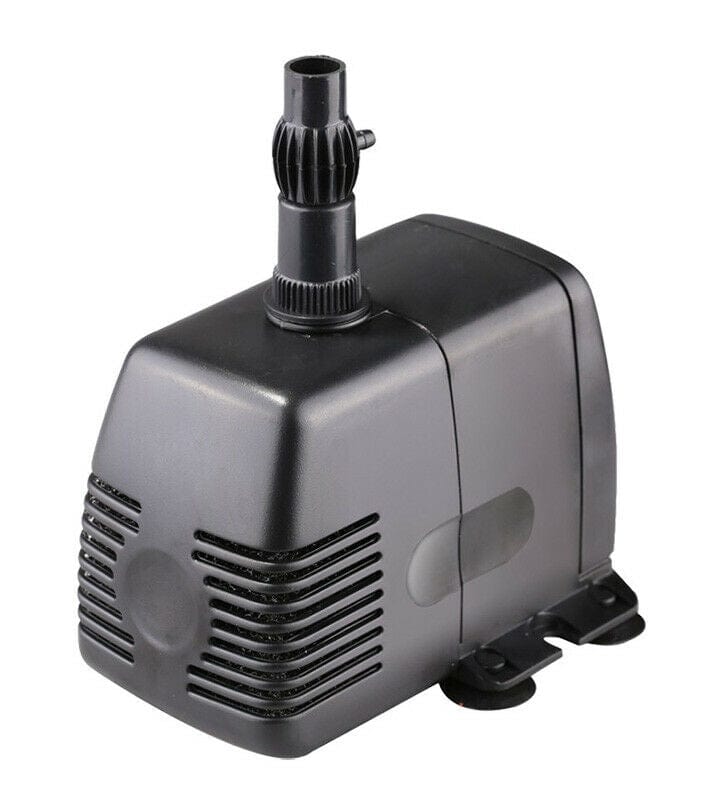
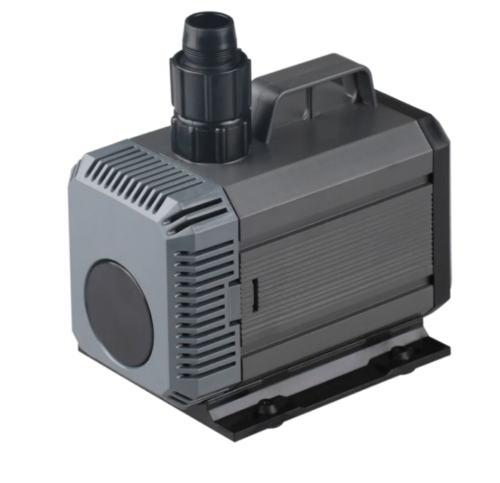
What can the Sensen Submersible Water Pump be used for?
These pumps are ideal for hydroponics, aquariums, nutrient mixing, NFT, RDWC, rainwater tanks, ponds, and DIY filters. Just match the model to your flow and lift needs. They're safe for freshwater and commonly used for light solids handling with pre-filters.
Is the Sensen Submersible Water Pump fully submersible?
Yes — it's designed to run underwater. It doesn’t require priming and should never run dry or be used externally. Running dry can overheat and damage the motor.
How do I choose the right Sensen Submersible Water Pump size?
Measure from your water surface to the highest outlet point. Choose a model with a higher “H-max” (head height) than that, especially if you’re running long tubing, filters, or bends. Avoid choosing based on L/h alone—head height matters most.
What does max flow mean and how does lift affect it?
Max flow (L/h) is measured with no vertical lift or restriction. As you add tubing, height, elbows, or filters, real-world flow drops. More lift = less flow. If you're splitting lines or using inline gear, pick a pump with extra head height.
Which Sensen pump model should I get?
Small jobs: HJ-742 (1.0m head) or HJ-942 (1.3m). Mid-range: HJ-1542 (2.0m). More lift: HQB-2500 to HQB-5500. Higher model numbers mean more power, flow, and head height — but also more heat and turbulence, so size to your system’s needs.
How noisy is the Sensen Submersible Water Pump?
These pumps are quiet when fully submerged and secured. Noise usually comes from vibration against hard surfaces, trapped air, or a dirty impeller. A silicone mat or sponge underneath can help reduce noise.
Will the pump heat up my water?
Yes — all submersible pumps generate some heat. Larger models with higher wattage will warm water faster, especially in small reservoirs. Oversizing can increase unwanted heat and turbulence.
How often should I clean the pump?
Clean it any time you notice reduced flow or extra noise. In clean hydro setups, that may be monthly. In aquariums or ponds, more often. Rinse the housing and impeller chamber, and soak in diluted vinegar to remove mineral scale if needed.
How do I stop the pump from clogging?
Use a larger sponge pre-filter, clean your reservoir regularly, and avoid running the pump near sediment. Clogs usually come from fish waste, algae, media bits, or salt/mineral buildup — especially in “dirty” water or organics-heavy setups.
Why is my pump sputtering or losing flow?
Common issues include air in the line, clogged pre-filters, dirty impeller chambers, low water levels, or excessive head height. Rattling often points to debris or a worn impeller. Clean thoroughly before assuming failure.
What should I do if the pump won’t start?
Unplug it, check the intake for blockages, clean the impeller chamber, and make sure it’s fully submerged. If it still won’t start, the impeller may be jammed or worn out and may need replacing.
Can I throttle the flow or split it into multiple lines?
Yes — a valve on the outlet works well. You can split flow using a manifold, but every split reduces pressure. Don’t block the intake. If you’re constantly throttling, you may be using an oversized pump.
What hose size should I use?
Match the hose to the pump’s outlet or adapter. Using smaller hose restricts flow and increases pressure. If you're connecting long lines or filters, make sure the tubing doesn’t kink or sag, and use clamps if needed.
Should I use a check valve with this pump?
If your outlet sits above the waterline, a check valve or siphon break can prevent backflow when the pump shuts off. It’s a smart addition in systems where siphoning could cause issues.
Is a more powerful Sensen pump always better?
Not always. Too much flow can cause splashing, turbulence, or heat buildup. The best pump is the one that gives consistent performance at your required lift height without overdoing it.