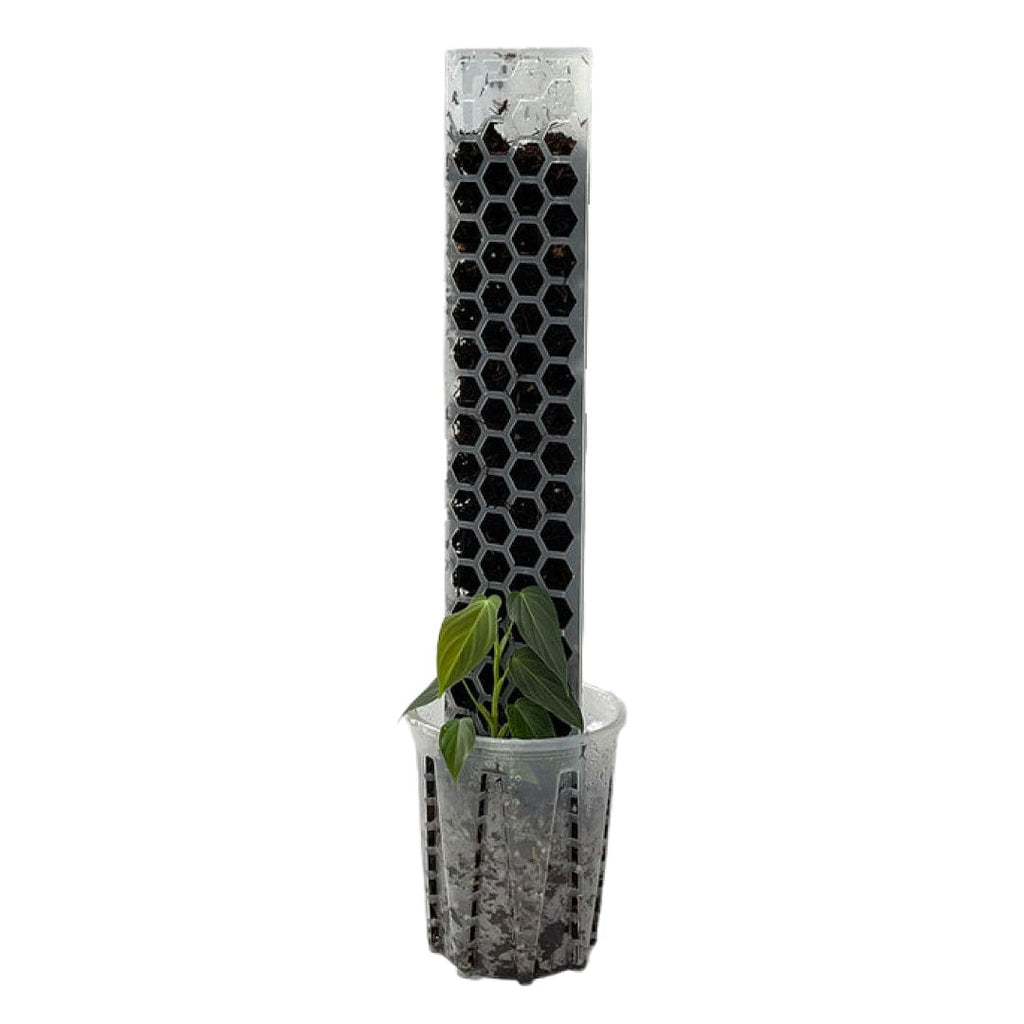
What is the Glory Pole Easy Assembly Totem Moss Pole used for?
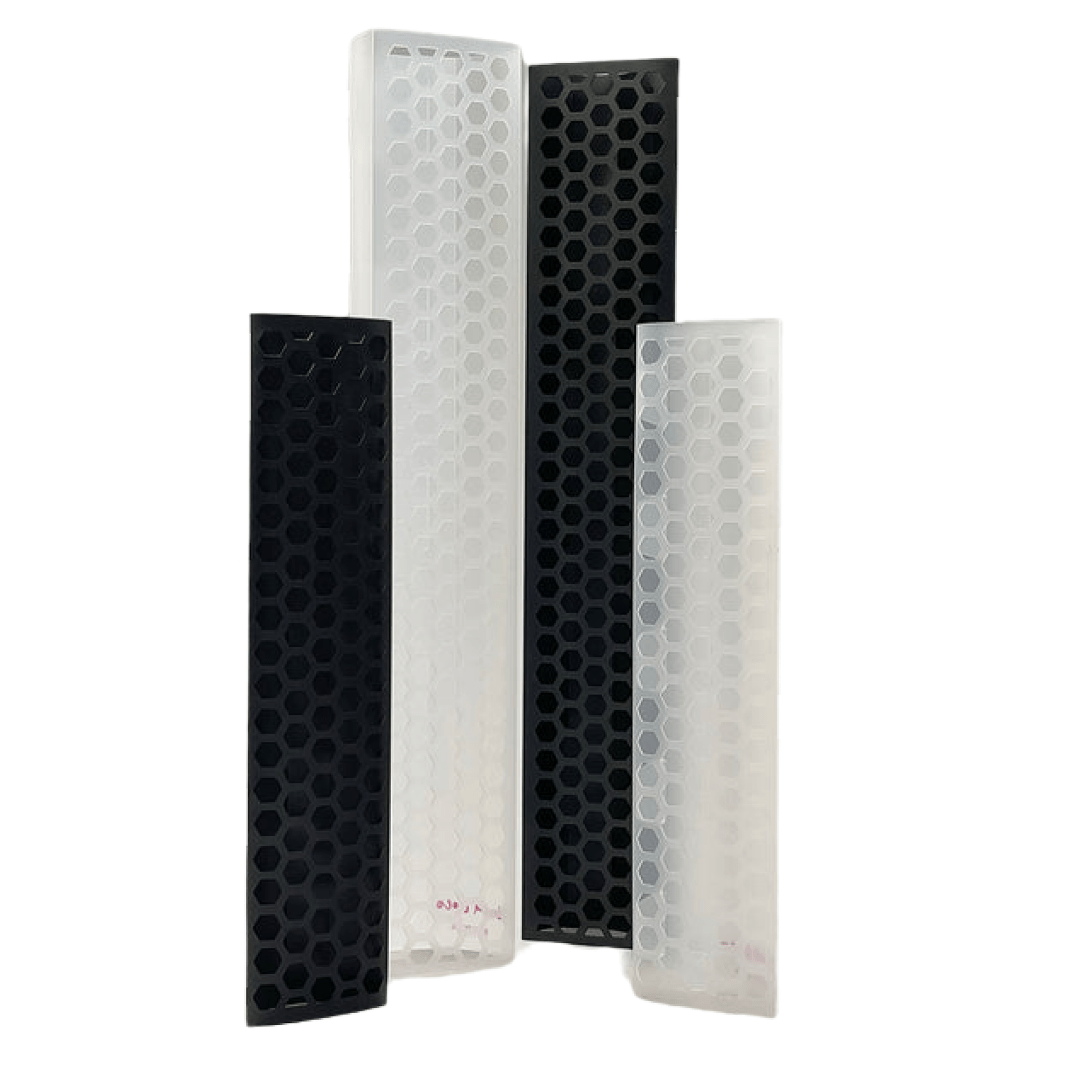
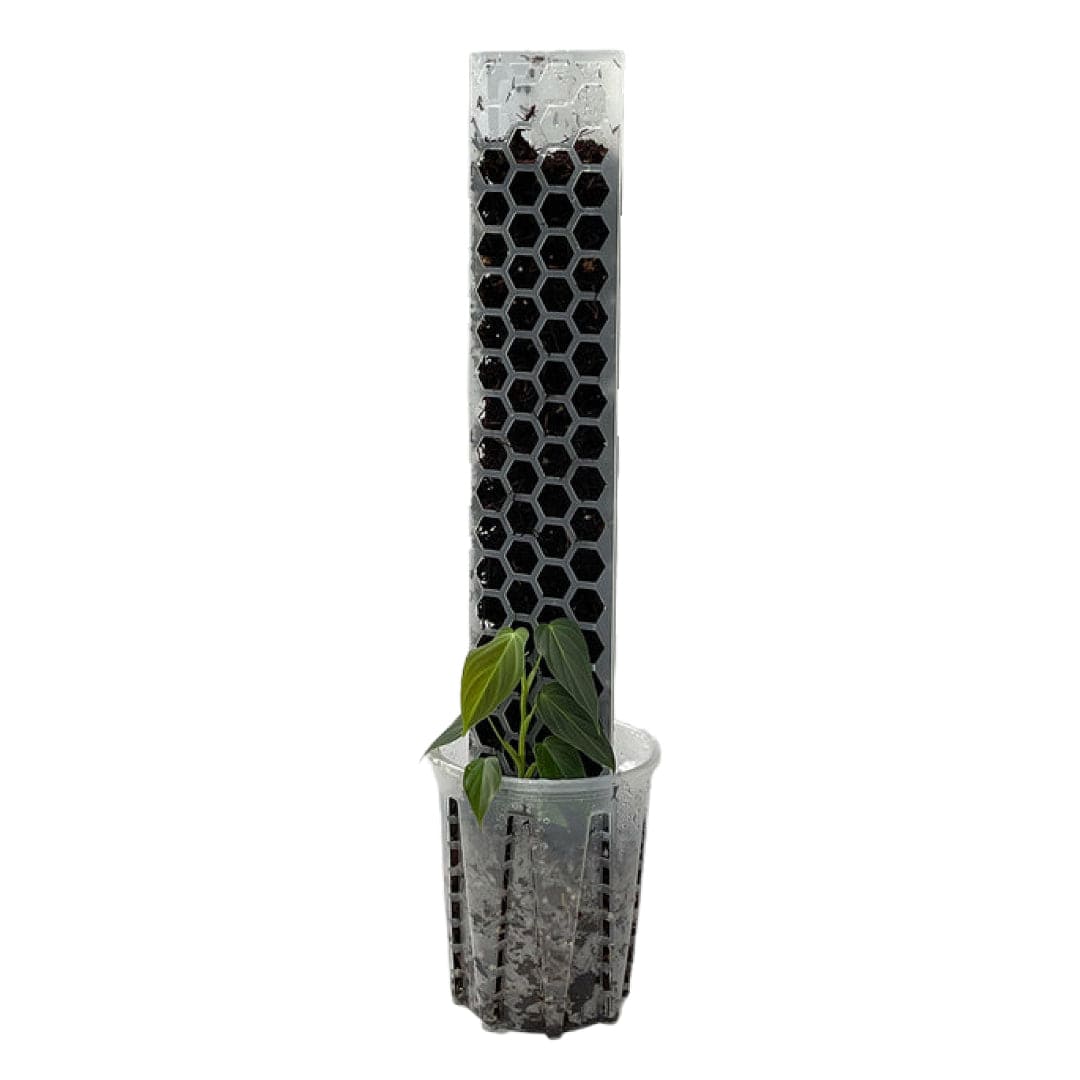
The Glory Pole is a rigid, reusable plant totem that supports climbing plants by holding moist growing media inside. It helps aerial roots attach, encourages upward growth, and supports bigger, healthier leaves—ideal for aroids like Monstera, Philodendron, and Pothos. It’s great for apartments or spaces where vertical growth matters.
What types of plants work best with the Glory Pole?
The Glory Pole is ideal for natural climbers like Monstera, Pothos, Philodendron, Scindapsus, and even orchids. It also supports propagation (“chop and extend”), trailing plants converting to climbing, and multi-stemmed plants with multiple poles.
What sizes does the Glory Pole come in, and how do I choose?
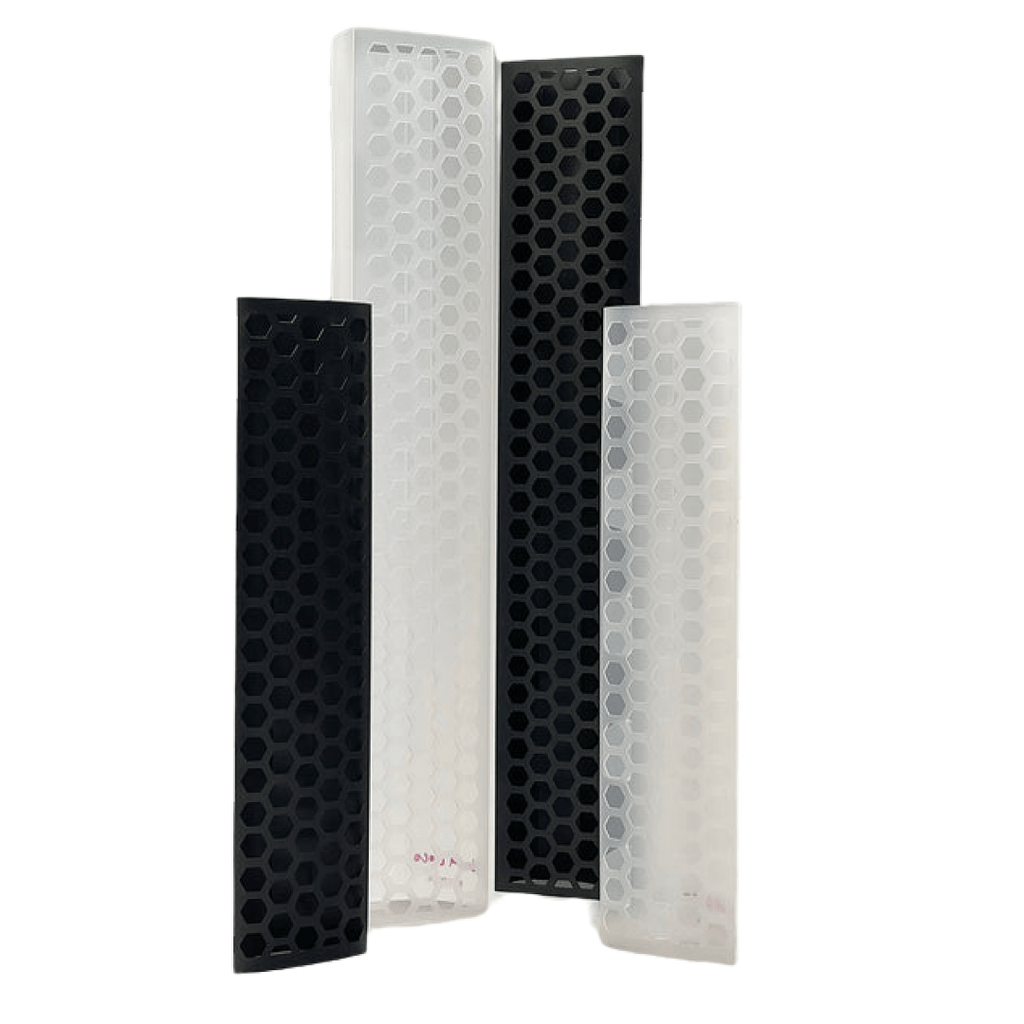
It comes in two sizes: 40cm and 58cm. The taller 58cm version offers more climbing room and a slightly chunkier diameter. You can fold each into 5–10cm diameter tubes to suit different pot sizes or trim them to fit smaller setups.
How do I assemble and install the Glory Pole?
Roll the sheet into a tube at your desired diameter, lock it in place, pre-soak your media, and fill it. Push the base into the potting mix so it’s stable. For large or top-heavy plants, use a wider pot or compact the base well. You can also stack extensions as the plant grows.
What should I fill the Glory Pole with?
You can use moist sphagnum moss, coco chips, chunky aroid mix, or a blend. Sphagnum encourages fast aerial root attachment, while chunkier blends are lower maintenance. Pre-soaking your media makes filling easier and helps it hold moisture evenly.
How do I water the Glory Pole, and how often?
Water slowly down the top, use a squeeze bottle, or mist it evenly. Keep the fill moist—not soggy. Frequency depends on humidity and media; in dry homes, it may need water more often. Let the top layer dry slightly between waterings to avoid fungus gnats or mould.
Can I reuse, refill, or clean the Glory Pole?
Yes. The Glory Pole is reusable—just empty and rinse it between uses. You can refill or top it up while it’s in the pot, especially as moss settles. Clean or refresh the fill if you notice mould, algae, or compaction over time.
What is the Glory Pole made from, and is it safe for indoor/outdoor use?
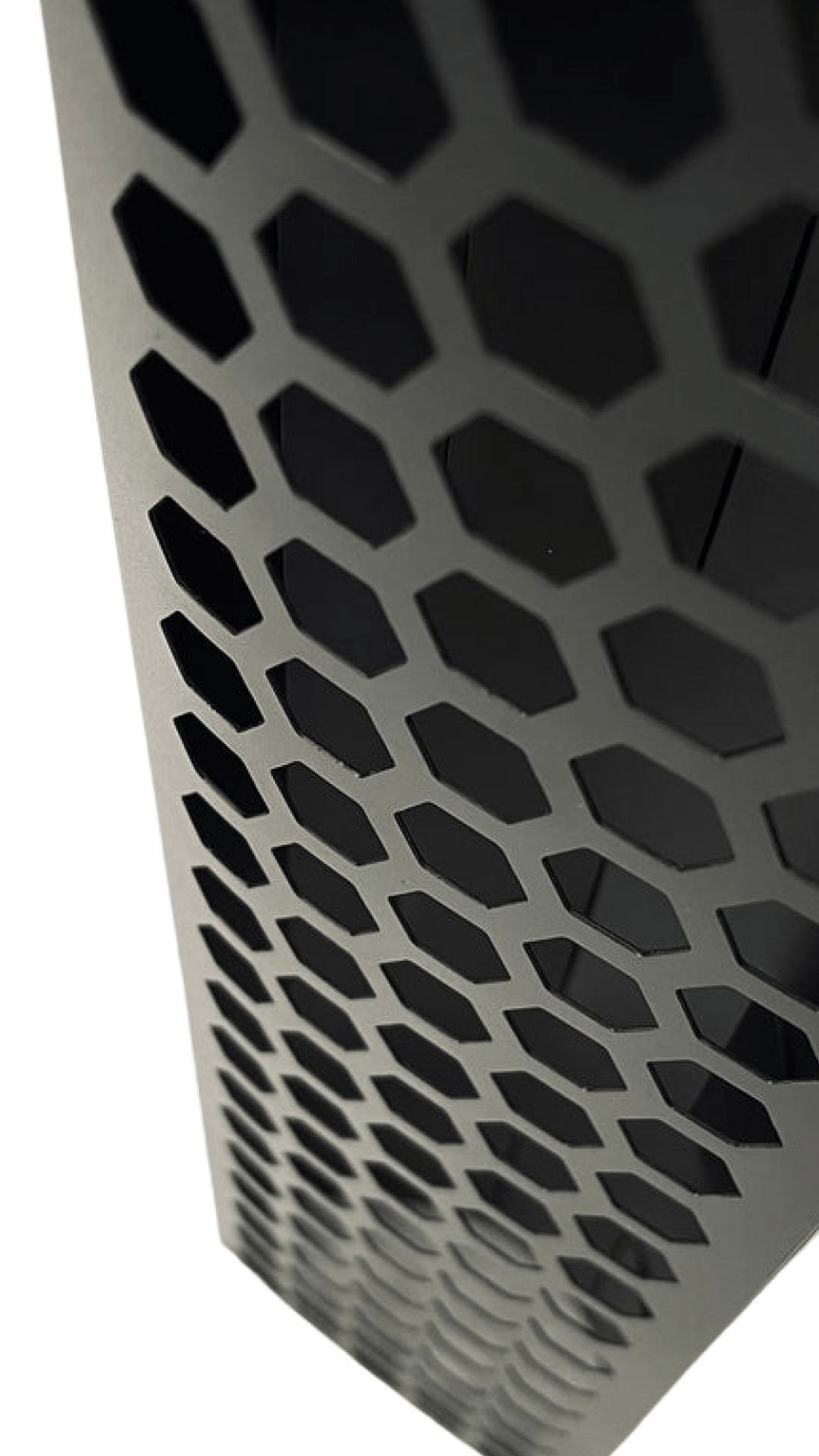
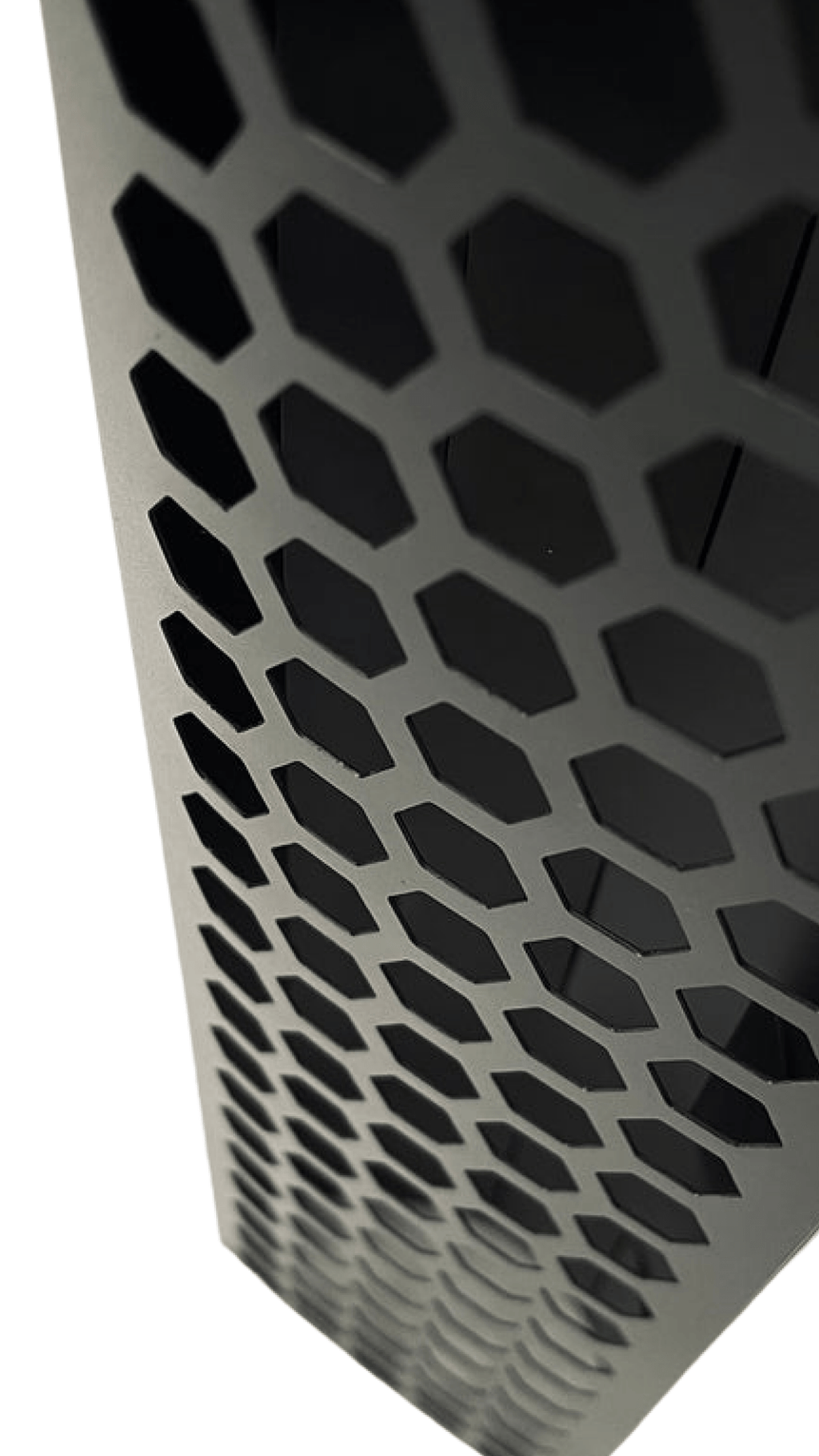
It’s made from durable polypropylene plastic with hex cut-outs that allow root access and airflow. The black design hides media and looks clean indoors. It’s safe for outdoor use but avoid extreme sun and heat, which can age plastics over time.
Do I need to tie plants to the Glory Pole?
Yes, especially early on. Use soft ties or velcro to loosely secure the stem—not the leaves—to the pole. Keep nodes close to moist media for faster root attachment. You can gently guide aerial roots toward the fill without forcing them.
Why won’t my plant attach to the Glory Pole?
Common reasons include: the pole is too dry, the plant isn’t a natural climber, the stem isn’t close enough, or you’re expecting fast results. Keep the media consistently moist and ensure nodes are pressed gently against the pole.
Does the Glory Pole help reduce clutter in small spaces?
Yes. It encourages vertical growth, which is perfect for indoor gardeners with limited floor space. Instead of sprawling sideways, your plant grows upward—ideal for apartments, plant shelves, and compact setups.
Can I move the Glory Pole when repotting?
Yes, but carefully. If your plant’s aerial roots have fully attached, moving it roughly can cause damage. Some growers repot the plant and pole together to avoid disturbing the connection.
Can the Glory Pole grow mould or attract fungus gnats?
If kept too wet with poor airflow, yes. Prevent issues by allowing the surface to dry slightly between waterings, improving air circulation, and using biological controls if gnats appear. Avoid keeping the pole constantly soaked.
Is the Glory Pole beginner friendly, and what should I avoid?
Absolutely—it’s quick to assemble and simple to maintain. Biggest mistakes include letting it dry out completely (which stalls root growth) or keeping it swampy (leading to mould and pests). Moist media, airflow, and gentle tying are key.