What is the Dutch Bucket (Bato Bucket) system and how does it work?
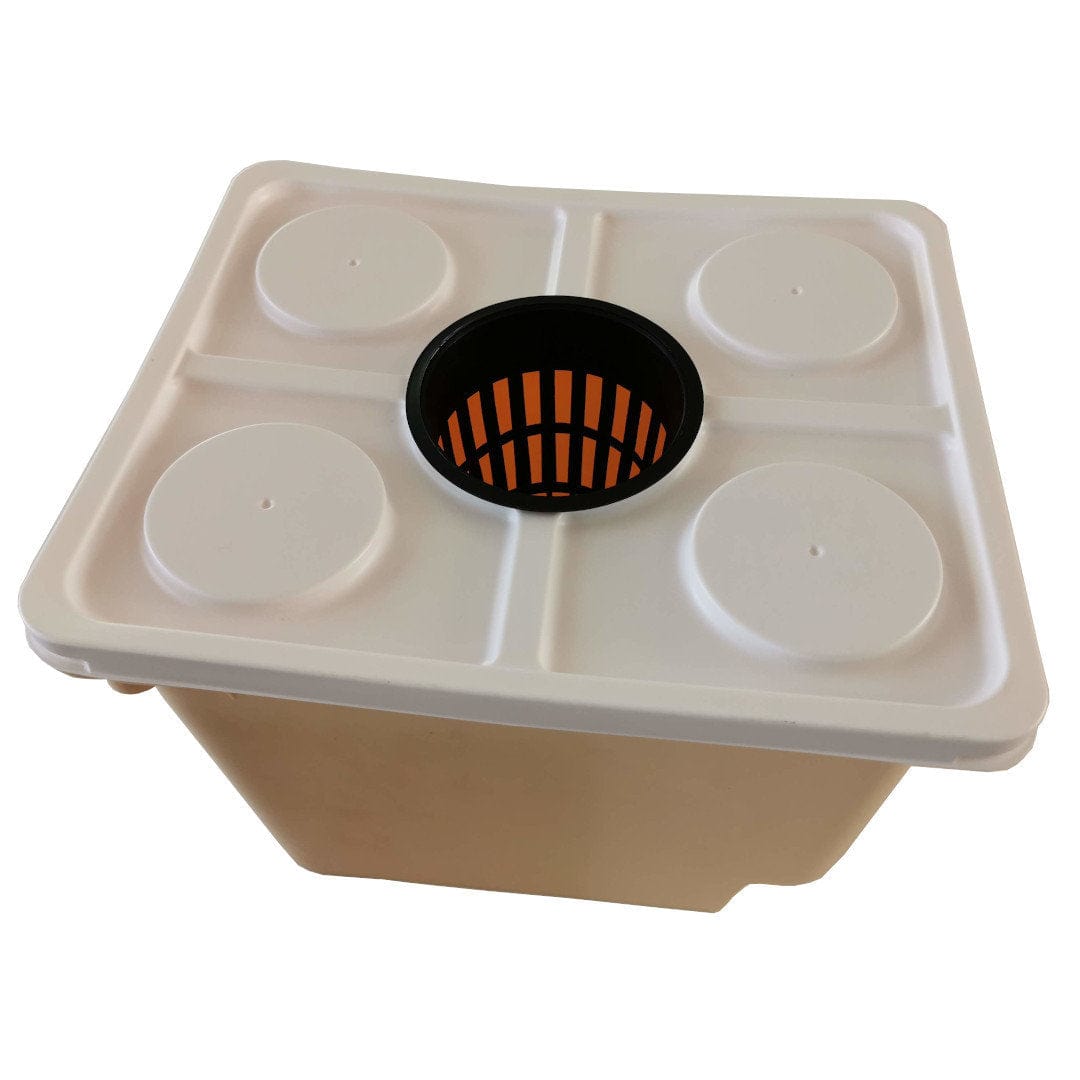
The Dutch Bucket, also known as a Bato Bucket, is a top-feed hydroponic system where plants grow in an inert medium. Nutrient solution is delivered via drip emitters, drains through the media, and either recirculates or runs to waste depending on your setup.
What comes with the Dutch Bucket kit?
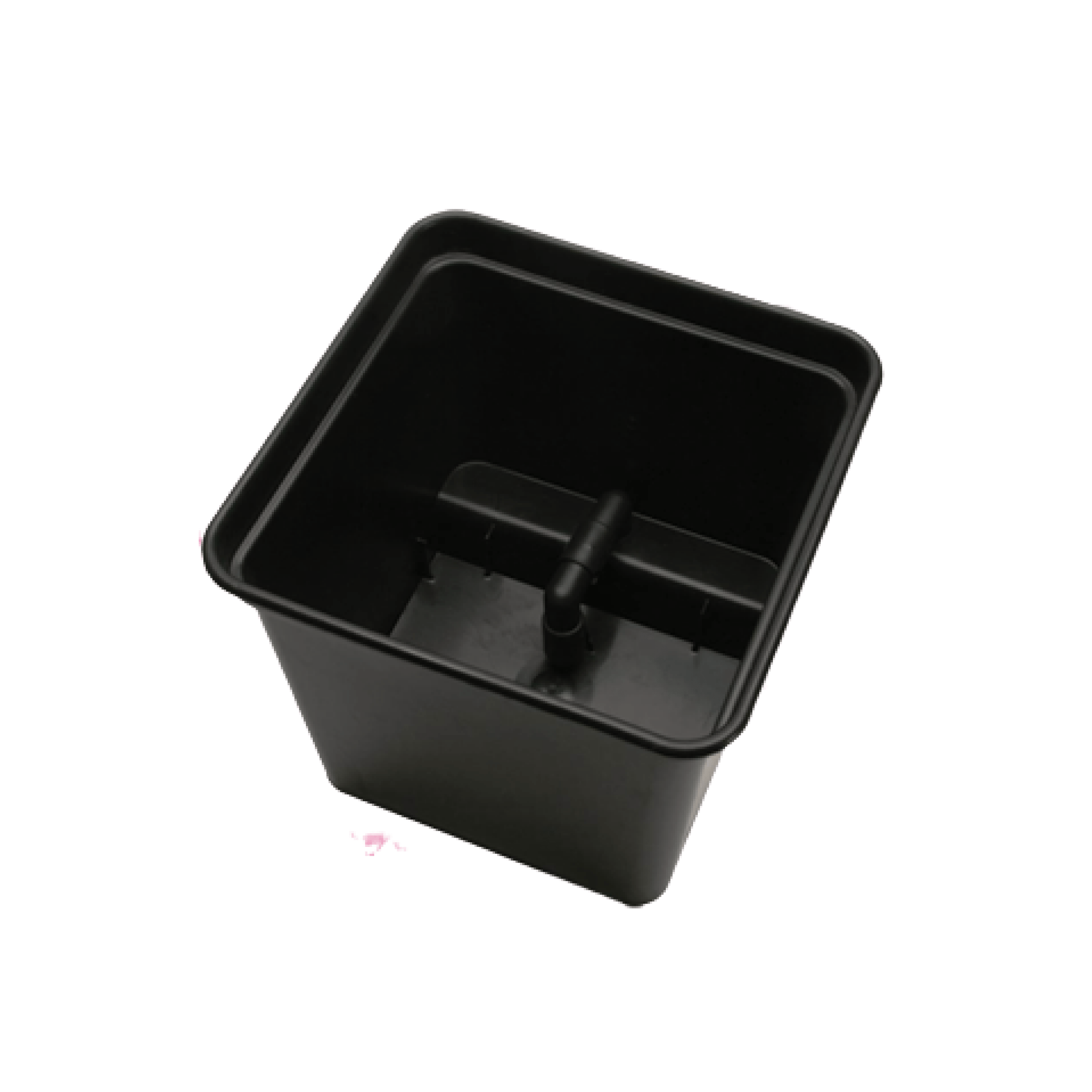
The Complete Dutch Bucket includes the bucket, lid, and net basket. Drain fittings (siphon elbows) are typically used but may need to be purchased separately—check the product listing for specifics.
Is Dutch Bucket recirculating or run-to-waste?
It can be set up as either. Recirculating systems reuse nutrient runoff, while run-to-waste setups discard it. Both styles use a siphon elbow drain, often leaving a small nutrient reservoir at the base for added root zone stability.
What growing media can I use in a Dutch Bucket?
Clay pebbles, perlite, coco coir, or blends like coco/perlite all work well. Rinse clay or perlite before use to remove dust. Each medium affects water retention and irrigation frequency, so choose based on your plant type and routine.
What plants grow best in Dutch Bucket systems?
Dutch Buckets are ideal for large, fruiting plants like tomatoes, cucumbers, peppers, and eggplant. They can also support herbs or greens but may be overkill for small crops. The system handles heavy, top-heavy plants well with added support.
Can I use Dutch Bucket systems indoors or outdoors?
Yes. They’re suitable for tents, greenhouses, balconies, and outdoor gardens. Just plan for runoff management, reservoir access, and protect the system from heat and light when outdoors.
Do I need a pump and drip emitters for Dutch Bucket?
Yes—Dutch Buckets are typically fed by a pump via drip lines. Use 2 low-flow emitters per bucket for even distribution. Watering frequency depends on media and plant size. A spare pump is smart insurance in case of failure.
How should I set up the Dutch Bucket drain line?
Most systems use a 1.5" (~50mm) shared drain line with a slight slope to return runoff to the reservoir. Buckets often sit directly on the drain line. Elevate the system if needed to maintain good drainage flow.
What nutrients and pH are best for Dutch Bucket?
Use clean hydroponic mineral nutrients. Organic options are possible but clog-prone. Aim for a stable pH between 5.5–6.2. Check EC and pH daily in recirculating setups, and change the reservoir weekly or if solution quality drops.
How do I prevent algae, salt buildup, and clogs?
Use the lid to block light, flush media occasionally, and filter nutrients to reduce clogs. Roots can invade drains, so monitor for slow drainage. Runoff should always drain freely to avoid salt accumulation and root issues.
What is the Dutch Bucket net basket and lid used for?
The net basket holds your starter plug or base media, while the lid reduces light exposure and algae. Transplant when roots show, and keep early irrigation frequent until the plant is well established.
Do Dutch Bucket systems need air stones or reservoir aeration?
Not required, but optional. Oxygen reaches roots through drainage and air gaps in the media. Aerating the reservoir can improve stability, but many growers run fine without it.
Is Dutch Bucket water-efficient and environmentally friendly?
Yes—especially in recirculating mode. You reuse runoff instead of dumping it, reducing water and nutrient waste. It’s a clean, scalable system that avoids hauling soil or coco each run.
Can I expand a Dutch Bucket system over time?
Absolutely. Add more buckets along your feed and drain lines as needed. Just scale your reservoir, pump, and plumbing to match the number of sites you plan to run.
Is Dutch Bucket good for beginners?
Yes, if you’re attentive. It’s not fully “set and forget”—emitters can clog and plants can dry fast. Most common mistake? Under-watering once plants are big. Pro tip: use forgiving media like coco and run multiple drippers per bucket.