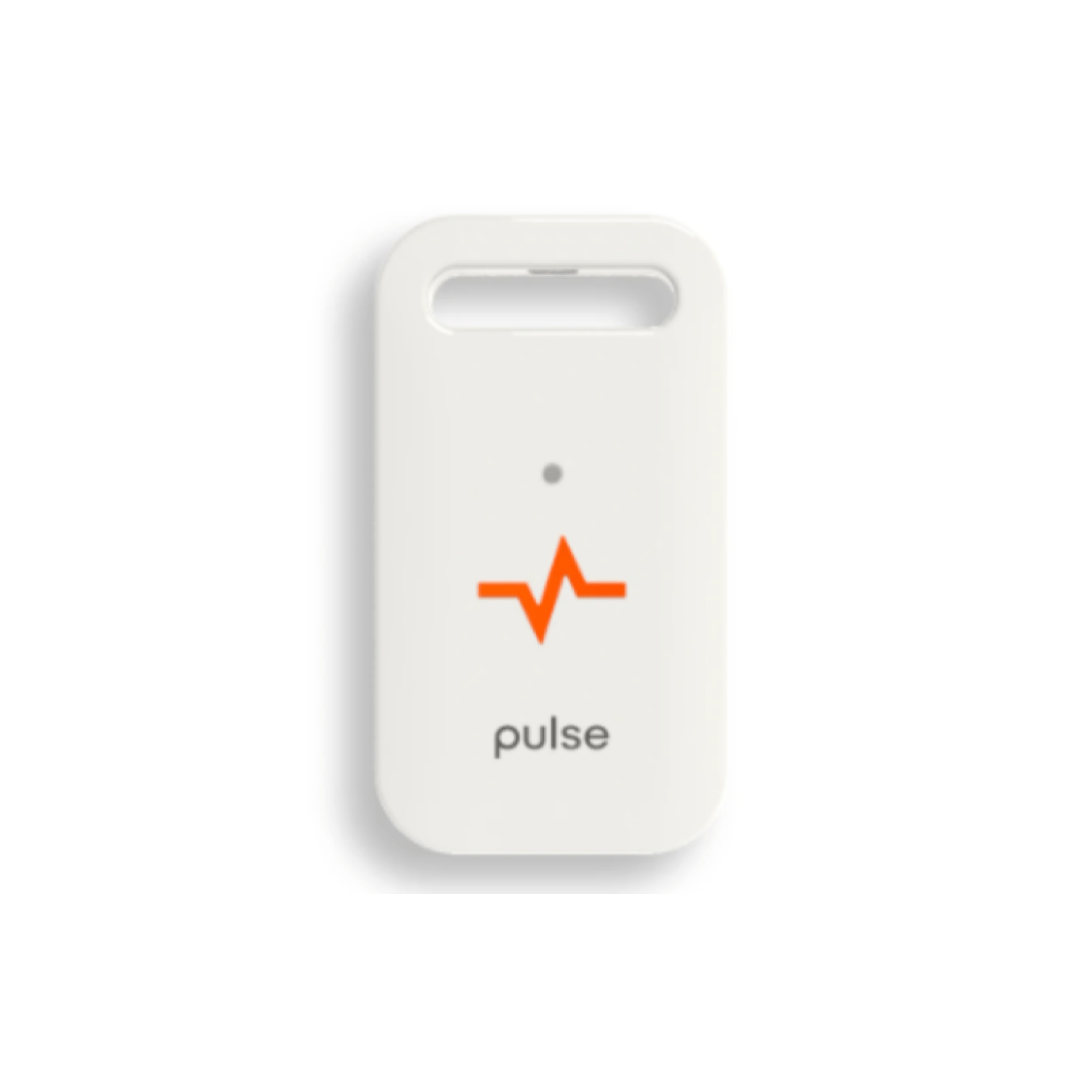
What does Pulse One monitor, and how does it help your grow setup?
Pulse One tracks temperature, humidity (RH), light level, dew point, and calculates VPD automatically. These readings help you catch issues like humidity spikes, heat stress, or poor transpiration before they impact your plants—whether you’re in veg, flower, or drying.
Who is Pulse One Smart Monitor best suited for?
Pulse One is ideal for grow tents, indoor rooms, greenhouses, and commercial grows. It’s perfect if you want remote visibility and alerts. For casual houseplant care, it may be more than you need—but for serious growers, it’s a game-changer.
What types of alerts can Pulse One send?
You can set alerts for high/low temperature, humidity, VPD, dew point, light changes, power loss, WiFi disconnects, and more. These help you catch lights-off events, equipment failures, or climate swings early—before they cause plant stress or mold risks.
Can I access Pulse One on multiple devices and share data?
Yes—you can monitor Pulse One from iOS, Android, or desktop via the Pulse app or website. You can also share charts, invite collaborators, and track multiple devices or grow zones under one account, depending on your plan.
How does Pulse One handle WiFi, hotspots, and offline logging?
Pulse One connects via 2.4 GHz WiFi (not 5 GHz). It also works with phone hotspots. If WiFi drops, it logs data locally and uploads it once reconnected. Real-time alerts require an active connection, but logging continues in the background.
Does Pulse One run on batteries or USB power?
You can power Pulse One via USB for 24/7 use or install AA batteries as a backup. Battery life depends on WiFi quality—strong signal = longer battery life. There’s also an alert if it switches power sources unexpectedly.
How accurate is Pulse One, and does it need calibration?
Pulse One is accurate for real-world growing decisions. Most users don’t calibrate it, but placing it correctly near canopy height matters. For fine-tuning VPD, you can apply a leaf temperature offset. Comparing with other meters helps validate readings.
Where should I place Pulse One for the best readings?
Mount it near canopy level, away from direct fan blasts, humidifier output, or hot grow lights. Avoid placing it in the exhaust path. The goal is to measure the air your plants actually experience—not extreme microzones.
Can I view historical data or export it without a subscription?
Yes—the free plan includes basic historical charts and data logging. Paid plans unlock longer history, CSV exports, and advanced analytics. You’ll always get core insights, but subscriptions unlock more control and comparison tools.
Is Pulse One easy to set up?
Setup is quick: power on the device, connect to 2.4 GHz WiFi using the app, and assign your grow zone. Most issues come from routers defaulting to 5 GHz or weak signal in grow tents. A reset or extender usually solves it.
Can Pulse One handle high humidity environments?
Yes—Pulse One is designed for grow environments. It’s splash-resistant but not waterproof, so avoid direct mist or puddles. Many users run it safely in late flower or drying rooms by placing it thoughtfully away from humidifiers.
How can Pulse One help me troubleshoot my grow environment?
Pulse graphs show spikes, dips, and trends in real time. You can spot failed fans, HVAC cycling, overcooling at lights-off, or signs of cold/heat stress. It helps you dial in stable VPD and avoid sudden swings that stress plants.
Can Pulse One monitor grow light status or light intensity?
Pulse One tracks relative light levels, so it can confirm if your lights turned on or off. It doesn’t measure PPFD/PAR, but it's great for daily light checks, photoperiod validation, and spotting timing issues in your light schedule.
Can Pulse One help optimize my climate controls and reduce risks?
Yes—by watching temp, RH, and VPD together, you’ll fine-tune fan speed, humidifier placement, AC timing, and more. This reduces mold risk, pest pressure, and plant stress while making your environment more consistent and productive.
Is Pulse One worth it compared to cheap hygrometers or manual meters?
If you just want a number while standing in your room, a cheap meter might do. But if you want remote alerts, data history, and real-time insights that help prevent losses, Pulse One easily pays for itself in one saved harvest.